
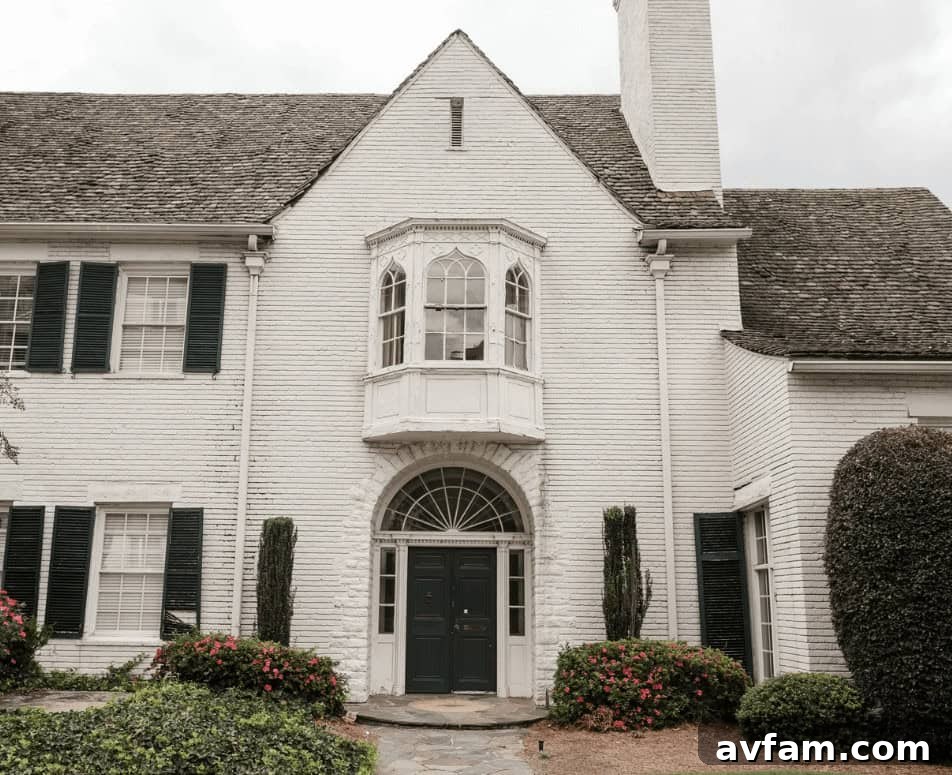
Purchasing a newly built home is one of the most significant financial and personal investments you’ll ever make. It’s a decision that impacts your daily life, long-term finances, and overall well-being. Therefore, approaching this milestone with a clear understanding of what you’re getting into is paramount. Rather than being swept away by the excitement of a brand-new property, taking the time to gather all essential facts and address every potential concern will empower you to make an informed and confident choice.
From understanding the intricacies of the construction process to evaluating the future of your chosen neighborhood, this comprehensive guide will walk you through the most crucial questions you need to ask when considering new construction homes in Virginia or anywhere else. We’ll delve into builder reputation, cost transparency, community dynamics, and energy efficiency, ensuring you’re equipped with all the knowledge to step into your new home with peace of mind.
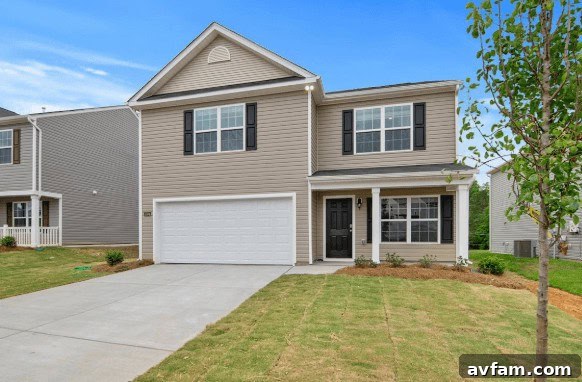
Key Questions to Ask About the Builders and Construction Company
The integrity of your new home hinges significantly on the reliability and expertise of the construction company and its builders. It’s not just about the aesthetics; it’s about structural soundness, quality craftsmanship, and adherence to industry standards. Overlooking due diligence here can lead to costly and frustrating issues down the line. Ensure you probe deep into the builder’s background and practices to safeguard your investment.
Does the Construction Company Have a Stellar Reputation?
Investigating the builder’s reputation should be your first port of call. This isn’t just a simple query; it requires active research. Start by scrutinizing their previous projects. Visit completed developments if possible, or at least view extensive photo galleries and virtual tours. Crucially, dive into online reviews and testimonials from other homeowners who have purchased from the company. Platforms like Google Reviews, Yelp, and local community forums can reveal invaluable insights into their professionalism, quality of work, and post-sale support.
Look for consistent themes in reviews: are clients praising communication, timely delivery, and attention to detail, or are there recurring complaints about defects, delays, or unresolved issues? Any red flags regarding quality concerns or responsiveness should prompt further investigation. Furthermore, check if the company is affiliated with local or national builder associations (e.g., National Association of Home Builders). Recognition through industry awards or certifications often signifies a commitment to high standards and ethical practices, distinguishing reputable builders from less reliable ones.
What is the Builder’s Level of Experience and Expertise?
The experience of a builder isn’t just about how many years they’ve been in business; it’s also about the caliber of their team and their proven track record with projects similar to yours. Inquire about the qualifications and tenure of key personnel, including project managers, site supervisors, and lead craftsmen. Do they employ highly skilled workers with extensive experience in their respective trades – from framing and roofing to electrical and plumbing? A team with a deep understanding of modern construction techniques and building codes is essential for a high-quality home.
Also, ask about their quality control processes. How do they ensure that each stage of construction meets or exceeds building codes and their own internal standards? What inspection points are in place, and how are potential issues identified and rectified before they become bigger problems? A transparent builder will be happy to detail their commitment to excellence and the expertise that goes into every home they build.
Is the Property Comprehensive Covered by Warranties and Guarantees?
One of the significant advantages of buying a new build is the expectation of a robust warranty. However, not all warranties are created equal. It’s imperative to fully understand what your new home warranty covers, its duration, and any exclusions. Typically, new home warranties offer tiered coverage: a one-year warranty for workmanship and materials (e.g., faulty electrics, plumbing, drywall issues), a two-year warranty for delivery of systems (HVAC, plumbing, electrical), and a ten-year structural warranty for major structural defects. Some builders may offer extended warranties or specific guarantees on certain components or appliances.
Clarify the process for making a warranty claim. Who do you contact? What are the typical response times? Are there any deductibles or fees associated with claims? Understanding these details upfront can prevent frustration later. Additionally, inquire if the builder carries adequate liability insurance, which offers an extra layer of protection should unforeseen issues arise during construction or shortly after you move in. Resource: Understanding New Home Warranties.
How Does the Builder Handle Communication and Project Timelines?
Effective communication is key to a smooth home-building process. Ask about the builder’s communication protocol. Who will be your primary point of contact throughout the construction? How often can you expect updates, and what methods will they use (email, phone calls, in-person meetings)? Inquire about their typical construction timeline and any potential factors that could cause delays (e.g., weather, material shortages, permit issues). Understanding their commitment to deadlines and their contingency plans can provide significant peace of mind.
Crucial Cost-Related Questions to Ask When Buying Your New Home
While the advertised price of a new home might seem straightforward, buying a newly constructed property can often come with a variety of surprise expenses if you’re not careful. Unforeseen costs can quickly derail your budget and add unnecessary stress to what should be an exciting journey. Confirming all potential expenses by asking the right questions will enable you to budget accurately and avoid financial shocks.
What Exactly Is Included in the Quoted Price of the Home?
Never assume that the base price you’ve been given encompasses everything you see in a model home or expect in a move-in ready property. The advertised cost often refers to the “base price” of the home structure and lot, but may not include critical elements. Get a highly detailed breakdown of what is explicitly included. This typically covers the basic structural components, standard finishes, and essential systems. Beyond that, clarify if fixtures (lighting, faucets), basic landscaping (sod, shrubs, trees), a driveway, fencing, appliances (refrigerator, washer/dryer), or even specific types of flooring are part of the standard package. Many buyers expect a certain standard of home only to find that basic features are considered upgrades, leading to disappointment and unexpected costs.
Which Additional Features and Upgrades Will Cost Extra?
Most new construction homes offer opportunities for personalization, allowing you to upgrade from standard finishes to premium options. However, these enhancements invariably come at an additional cost. Request a comprehensive list of all available upgrades and their respective prices. This list might include everything from higher-end kitchen countertops, custom cabinetry, upgraded flooring materials, smart home technology packages, advanced HVAC systems, to specialized lighting fixtures and landscaping enhancements. Ask about the builder’s design center process – how do you select upgrades, and how transparent is the pricing for each? It’s also wise to understand if the design is flexible enough to accommodate structural changes or if only cosmetic upgrades are possible. This allows you to budget for desired amendments, compare upgrade costs, and potentially shop for more affordable alternatives post-purchase for certain items.
Are There Any Hidden or Unexpected Costs I Should Be Aware Of?
Beyond the base price and optional upgrades, several other costs can accumulate when buying a new build. These “hidden” expenses can significantly impact your overall budget. Inquire about closing costs (which can be 2-5% of the home’s price), property taxes, builder-specific administrative fees, utility connection fees, and HOA initiation fees. Some builders may require you to use their preferred lender or title company, which could sometimes limit your ability to shop for the best rates. Understand all financial obligations before signing a contract to ensure there are no unwelcome surprises at closing. This comprehensive understanding will allow you to plan your household budget more effectively.
What About the Neighborhood, Community, and Local Amenities?
Your new home is more than just a structure; it’s part of a larger community and neighborhood that will significantly influence your lifestyle. The environment surrounding your property plays a crucial role in your overall satisfaction and quality of life. Understanding these external factors is just as important as knowing the details of the house itself.
Are There Any Ongoing or Planned Developments Nearby?
For the sake of your peace and quiet, it’s vital to know the status of the development and surrounding areas. Inquire whether the entire development is completed or if there are ongoing construction phases or future plans for nearby lots and land. Living next to an active construction site can mean years of noise, dust, increased traffic, and general disruption. Furthermore, understanding future development plans for the broader area (e.g., new commercial centers, roads, schools) can inform you about potential changes in traffic patterns, property values, and community character. This foresight helps you anticipate future living conditions and potential impacts on your property value.
Who Manages the Communal Areas and What Are the HOA Details?
Many new home developments include communal areas, parks, clubhouses, or shared amenities. Find out if a Homeowner’s Association (HOA) manages these facilities and, more importantly, what responsibilities and costs come with it. HOAs typically collect monthly or annual fees to cover the upkeep and maintenance of shared grounds, landscaping, common utilities, and amenity management. It’s crucial to obtain a copy of the HOA’s Covenants, Conditions, and Restrictions (CC&Rs) to understand the rules and regulations governing everything from exterior paint colors and fencing to parking and pet policies. Inquire about the current HOA fees, any projected increases, what specifically those fees cover, and the financial health of the HOA. Understanding who to contact for queries or concerns once you become a resident is also key to a smooth integration into the community.
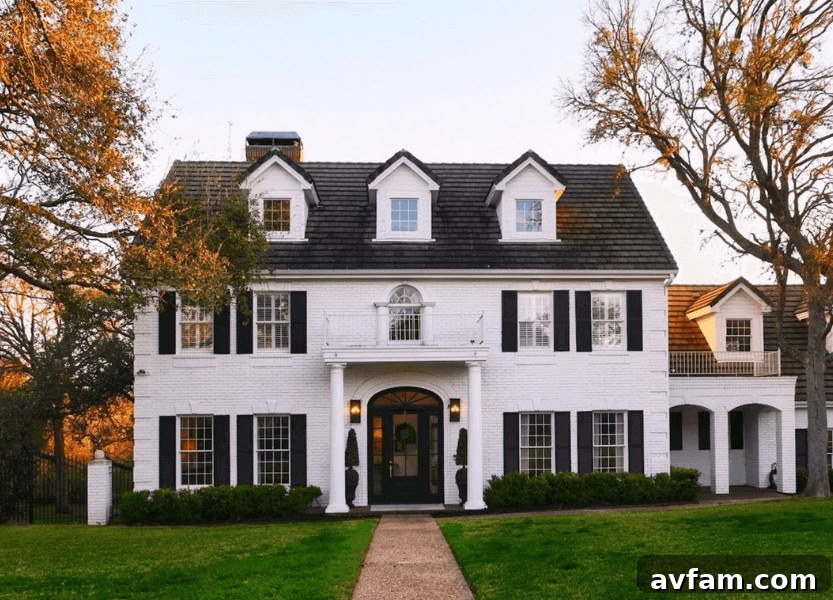
What Local Amenities and Services Are Available?
Consider the practical aspects of living in the community. Research the quality of local schools if you have or plan to have children. Investigate the proximity to grocery stores, shopping centers, restaurants, healthcare facilities, and emergency services. Assess commute times to your workplace and access to public transportation, if applicable. Explore local parks, recreational facilities, and cultural attractions. A vibrant community with convenient access to essential services and leisure activities can significantly enhance your living experience and potentially boost your property’s long-term value.
Questions to Ask About Energy Efficiency and Utilities
One of the most compelling advantages of buying a newly built home, especially when compared to older properties, is its inherent design with energy efficiency in mind. Modern construction practices and materials are geared towards reducing energy consumption, leading to lower utility bills and a smaller carbon footprint. However, it’s unwise to assume every new build is “future-proofed.” Diligence is still required to confirm the specific features that contribute to its efficiency.
What Specific Energy Efficiency Features Are Included in the Home?
A reputable developer should be able to provide a comprehensive breakdown of all the energy-saving features integrated into your new home. This goes beyond just “good insulation.” Inquire about the R-value of insulation in the walls, attic, and crawl spaces/basement. Ask about the type of windows used – are they double-glazed or triple-glazed? Do they have Low-E coatings to reflect heat? Investigate the efficiency ratings of all installed appliances, including the HVAC system (furnace, air conditioner, heat pump). Look for high-efficiency water heaters, LED lighting throughout, and smart thermostats that allow for programmable temperature control. Features like advanced air sealing techniques, ENERGY STAR certified appliances, and even solar-ready roofing can significantly reduce your energy consumption, leading to substantial savings on your monthly bills and contributing positively to the environment.
Could You Provide an Estimate of the Monthly Utility Bills?
Don’t let your first few utility bills in your new home come as an unpleasant surprise. While precise figures are difficult to guarantee due to individual usage habits, the builder or their sales team should be able to provide estimated monthly utility costs based on similar homes in the development, local utility rates, and the home’s energy efficiency features. They might be able to share average historical usage data for comparable properties. This estimate for electricity, gas, water, and sewage will be invaluable for planning your household budget more effectively once you move in. You can also research local utility providers and their rate structures to get an independent sense of potential costs. Reference: Energy Depot User Information.
Are There Any Green Building Certifications or Smart Home Technologies?
Inquire if the home has any green building certifications like ENERGY STAR, LEED, or similar regional programs. These certifications signify that the home has met rigorous standards for energy efficiency, water conservation, and indoor air quality. Additionally, ask about integrated smart home technologies. Does the home come pre-wired for smart devices, or does it include features like smart lighting, smart locks, or integrated home automation systems? These technologies can further enhance comfort, security, and energy management, adding long-term value and convenience.
Any Other Important Questions to Ask for Complete Peace of Mind
Beyond the core areas of construction, cost, community, and efficiency, there are several additional questions that can provide you with comprehensive peace of mind before finalizing your purchase. These often relate to final checks, customization, and the long-term support you can expect.
Am I Permitted to Have an Independent Home Inspection?
Even though it’s a new build, and presumably adheres to the latest building codes, it is highly advisable to ask if you are allowed to arrange for an independent home inspection. A professional, third-party inspector can identify potential issues or defects that might have been overlooked during construction or builder inspections. They provide an unbiased assessment of the home’s structural integrity, electrical systems, plumbing, HVAC, roofing, and other critical components. While builders often conduct their own quality checks, an independent inspection offers an invaluable layer of scrutiny and can uncover minor issues before they escalate into major problems, giving you leverage to request repairs before closing.
Can I Have a Pre-Settlement Walkthrough and Punch List Process?
Absolutely insist on a detailed pre-settlement walkthrough of the property before signing the contract. This is your final opportunity to inspect the finished home with the builder or their representative. During this walkthrough, you should meticulously check every room, every fixture, and every appliance. Create a “punch list” of any deficiencies, cosmetic flaws, or items that need attention – no matter how small. This could include paint touch-ups, sticky doors, non-functioning outlets, or minor defects. Clarify how and when these items will be addressed and completed before the final closing date. A structured punch list process ensures that all agreed-upon corrections are made to your satisfaction.
What Customization Options are Available Beyond Standard Upgrades?
While most new builds offer a range of upgrades, some buyers might desire more significant customizations, such as structural modifications, specific architectural details, or unique landscaping designs. Inquire about the builder’s flexibility in accommodating these types of requests. What is the process for submitting custom change orders? Are there additional fees or timelines associated with such modifications? Understanding the limits of personalization and the builder’s willingness to work with your specific vision can be crucial, especially if you have very particular requirements for your dream home.
What is the Builder’s Process for Post-Sale Support and Warranty Claims?
Even after you’ve moved in, you might have questions or need to make a warranty claim. Ask about the builder’s post-sale support system. Who do you contact for warranty issues? What are the expected response times for different types of problems? Is there a dedicated customer service team? Understanding the process for addressing concerns after closing is vital for long-term satisfaction and ensures that the builder remains accountable for the quality of their work.
Ultimately, construction companies generally aim to deliver quality homes, but your active participation through informed questioning is your best safeguard. By diligently asking these comprehensive questions, you not only protect your investment but also ensure that your newly built home genuinely meets and exceeds your expectations, providing a foundation for years of comfort and enjoyment.