

Maintaining a comfortable and healthy home environment is a top priority for any homeowner. One of the simplest, yet most critical, tasks in achieving this is regularly changing your HVAC system’s air filters. Often overlooked, this small act can have a profound impact on your indoor air quality, energy bills, and the longevity of your heating, ventilation, and air conditioning (HVAC) system. In just a few minutes, you can ensure your system runs efficiently and effectively, keeping your home comfortable through the scorching heat of summer and the biting cold of winter.

Following seasons that often bring extreme weather conditions, such as record-breaking heatwaves and wildfire smoke, preparing your home’s heating system for its continuous operation is essential. After lying dormant for months, your furnace will soon be working tirelessly to keep your home warm. A properly maintained HVAC system is designed to handle these transitions, but its cornerstone of optimal performance lies in one fundamental practice: changing your air filters. This isn’t just about system efficiency; it’s about protecting your health and ensuring your home remains a sanctuary.
Understanding the Vital Role of Home Air Filters
Air filters are the unsung heroes of your HVAC system, acting as the first line of defense against a myriad of airborne contaminants. Their primary function is to trap harmful particles and impurities before they circulate throughout your home or enter your HVAC unit’s sensitive components. These particles include common allergens like pollen, dust mites, pet dander, mold spores, and even microscopic elements from smoke and pollution.
A clean, high-quality air filter significantly enhances your indoor air quality, which is crucial for the health and well-being of your household. For individuals suffering from allergies, asthma, or other respiratory conditions, a properly functioning filter can dramatically lessen symptoms, creating a more comfortable living space. Beyond health benefits, clean filters play a pivotal role in the operational efficiency and lifespan of your heating and cooling equipment. When filters are clogged, your system has to work harder to push air through, leading to increased energy consumption, higher utility bills, and accelerated wear and tear on components like the blower motor. Conversely, a clean filter allows your furnace and air conditioner to operate at their peak performance, ensuring consistent comfort and extending their operational life for years to come.
When selecting an air filter, understanding the MERV (Minimum Efficiency Reporting Value) rating is essential. MERV ratings indicate a filter’s ability to capture larger particles between 0.3 and 10 microns. The higher the MERV rating, the more microscopic particles the filter can trap. While a higher MERV rating offers superior filtration, it’s important to consult your HVAC system’s manual or a professional to ensure your system can handle the increased airflow resistance without compromising performance or causing undue strain.
A Step-by-Step Guide to Replacing Home Air Filters
Replacing your home’s air filters is a straightforward task that requires minimal time and effort. Here’s a detailed guide to ensure you do it correctly:
- Locate Your Filters: Your HVAC filters are typically found in one of two main locations:
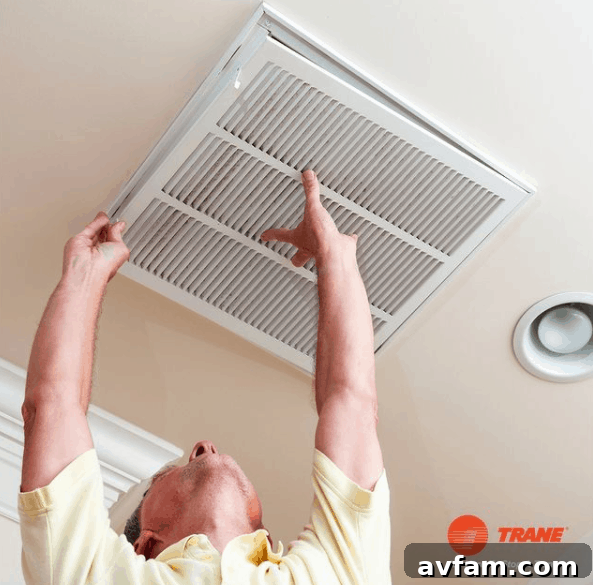
- Return Air Vents: Often located in the ceiling or a wall, behind one of the largest vents in your home. This is commonly known as the “return vent” because it’s where air is drawn back into your furnace and AC system for conditioning.
- The HVAC Unit Itself: Sometimes, the filter slot is located directly within the furnace or air handler unit, often in a dedicated compartment accessible from the side or bottom of the unit.
If you’re having trouble locating your filter, don’t hesitate to contact a certified HVAC technician, like a Trane specialist, who can guide you through the process during their first visit.
- Turn Off Your System: Before doing anything, always switch off your HVAC system at the thermostat to prevent accidental startups and ensure your safety.
- Remove the Old Filter: Open the vent grill or access panel. Carefully slide out the old, dirty filter. Note the direction of the airflow arrow printed on the filter frame. This arrow should always point towards the furnace or air handler, indicating the direction of air intake.
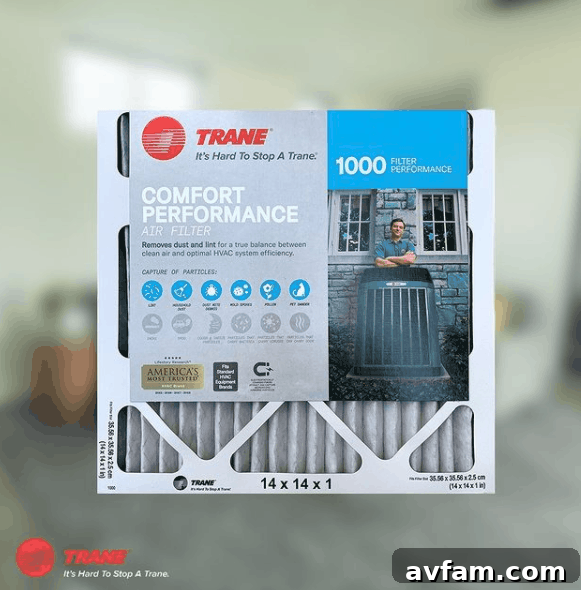
- Measure and Purchase the Correct Size: The dimensions of your filter (length, width, and thickness) are crucial. These measurements are usually printed on the frame of the old filter. Take these measurements down accurately to ensure you purchase a perfectly fitting replacement. An ill-fitting filter can allow air to bypass the filtration media, rendering the filter ineffective. Trane Comfort and Performance Filters are an excellent choice, known for their ability to capture microparticle sizes down to 1000 microns and offering great value and superior indoor air quality.
- Insert the New Filter: With your new filter in hand, ensure the airflow arrow points in the correct direction (towards the furnace/air handler). Slide the new filter into the slot until it sits snugly.
- Clean and Reattach: Before reattaching the vent grill or closing the access panel, it’s an ideal time to use a portable vacuum to remove any dust, dirt, or cobwebs that have accumulated around the vent, filter slot, or inside the unit. This helps maintain a cleaner system and prevents immediate re-contamination of your new filter. Once clean, secure the grill or panel.
- Restore Power: Turn your HVAC system back on at the thermostat.
Optimal Frequency for Air Filter Replacement
While a general guideline suggests replacing air filters every 90 days, the optimal frequency can vary significantly based on several factors unique to your home and lifestyle. Understanding these variables can help you tailor a filter replacement schedule that maximizes efficiency and air quality:
- System Usage: If your HVAC system runs continuously, day and night, especially during peak summer and winter months, your filters will accumulate contaminants much faster.
- Household Occupants: Homes with pets, especially those that shed a lot, will require more frequent filter changes due to increased pet dander in the air. Similarly, households with young children, elderly individuals, or anyone with allergies or asthma will benefit from more frequent replacements to maintain superior indoor air quality.
- Environmental Factors: Living in an area with high pollen counts, significant dust, or airborne pollutants (e.g., near construction sites, busy roads, or during wildfire season) necessitates more frequent filter changes.
- Filter Type: Different MERV ratings impact filter lifespan. Lower MERV filters might need more frequent changes, while higher MERV filters, though more efficient, can become restrictive more quickly if not changed regularly.
- Seasonality: It’s a common misconception that indoor air is cleaner in winter because doors and windows are sealed shut. In reality, less outdoor ventilation means indoor air circulates more contaminants. A dirty filter in winter only recirculates stale, polluted indoor air, making seasonal changes crucial, not just during high-pollen spring or dusty summer.
Consider changing your filters at the beginning of each season – spring, summer, fall, and winter – as a simple way to remember. This quarterly schedule ensures consistent performance and air quality. Given that air filters are a relatively inexpensive investment, keeping a small supply on hand ensures you’re always prepared for timely replacements.
Comprehensive HVAC System Maintenance Tips
While changing air filters is paramount, a holistic approach to HVAC maintenance will further enhance your system’s efficiency, extend its lifespan, and ensure optimal performance. Here are additional tips for keeping your heating and cooling system in top shape:
- Conduct Regular Visual Inspections: Periodically check your outdoor air conditioner unit and indoor furnace. Ensure both are free from debris such as leaves, grass clippings, dirt, and overgrown vegetation. Any moving parts should be unobstructed. For the outdoor unit, make sure the fins are straight and not bent, as bent fins can restrict airflow.
- Keep Your Units Clean: Use a portable vacuum or a soft brush to remove excess dust, cobwebs, and any accumulated grime from around and inside your furnace and the outdoor AC unit. For the outdoor unit, you can gently rinse it with a garden hose to clean the coils, but avoid high pressure.
- Inspect and Seal Ductwork: Your ductwork is the circulatory system of your HVAC. Inspect visible sections of your ductwork for any rips, tears, disconnections, or gaps. Holes or leaks in your ducts allow conditioned air to escape into unconditioned spaces (like attics or crawl spaces), leading to significant energy loss and an inefficient system. Repair these immediately with mastic sealant or metallic tape. This also prevents dirt, dust, and pests from entering your airflow.
- Clear the Area Around Outdoor Units: Maintain at least two feet of clearance around your outdoor air conditioning unit to ensure proper airflow. Trim back any shrubs, bushes, or tree branches that might impede air circulation.
- Check Your Thermostat Settings: Ensure your thermostat is programmed correctly for optimal energy savings and comfort. Consider upgrading to a smart thermostat, which can learn your preferences and adjust settings automatically, further enhancing efficiency.
- Schedule Professional Tune-Ups: Beyond your routine tasks, it’s highly recommended to schedule professional HVAC maintenance once a year (typically in spring for AC and fall for heating). A certified technician can perform a thorough inspection, clean coils, check refrigerant levels, lubricate moving parts, test electrical connections, and identify potential issues before they become costly breakdowns. This proactive approach ensures your system operates safely and efficiently.
By integrating these maintenance practices with regular filter changes, you’re not just ensuring comfort; you’re safeguarding your home’s air quality, reducing energy consumption, and significantly extending the life of one of your most valuable home systems. This commitment to maintenance translates into peace of mind and substantial long-term savings.
Special thanks to Trane for their sponsorship of this informative post. Should you require expert assistance with your heating and cooling system, we encourage you to connect with a qualified Trane Specialist in your local area. Their expertise can provide tailored solutions and ensure your HVAC system performs at its best.