
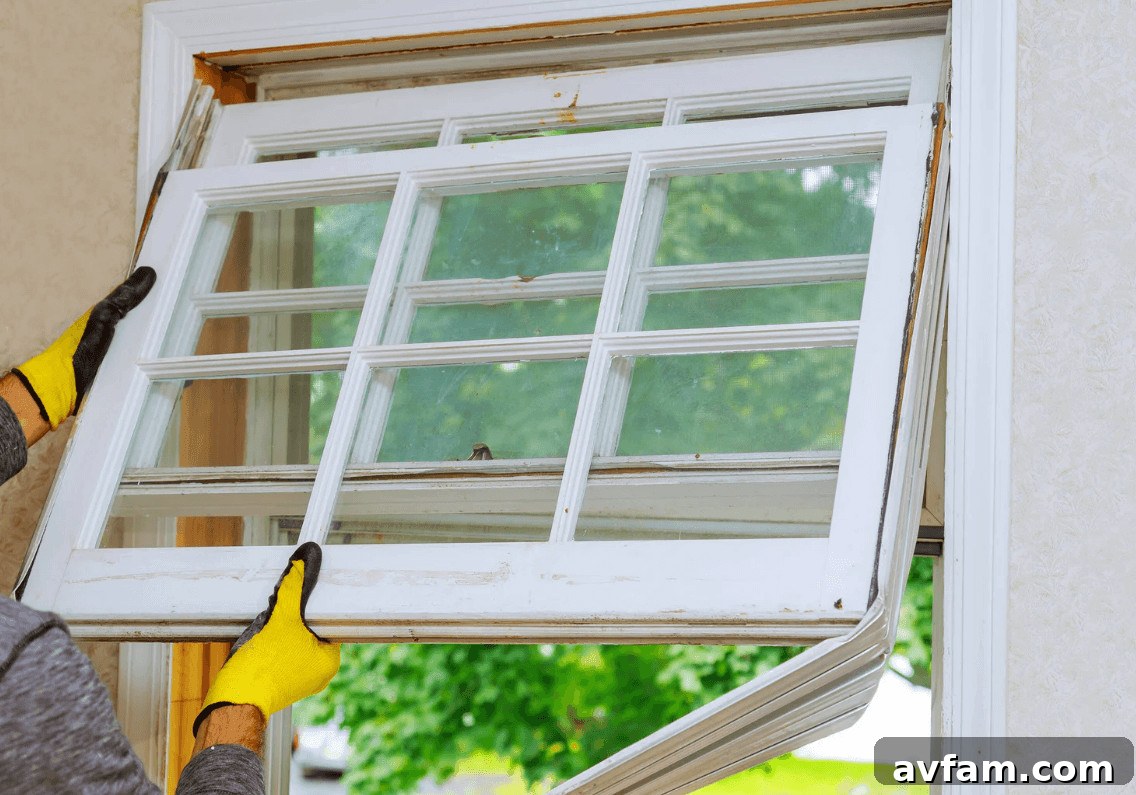
Energy efficient window replacement lowers your energy bills by stopping the steady heat loss and unwanted heat gain that older windows often allow through thin glass, failing seals, shifted frames, and poorly insulated openings. Those losses show themselves long before the utility bill arrives: a room cools quickly after the furnace shuts off, or the area at the edge of a window feels cold next to an attached garage. Sometimes the issue is minor—worn weatherstripping or cracked caulk on a sound frame—and a simple repair will restore comfort. Other times the problem is more serious: frost between panes, a soft sill, or a sash that won’t lock properly indicate deeper failure and make professional replacement the practical choice rather than a cosmetic upgrade.
In climates with cold winters, damp shoulder seasons, and hot summer spells, a full, energy efficient window replacement pays off because the glass, frame, spacer, insulation, flashing, trim, and sealant must all perform together. A single strong component can’t compensate for a poorly matched system. Real savings come from stopping repeated energy waste, not from swapping in a window that only looks newer.
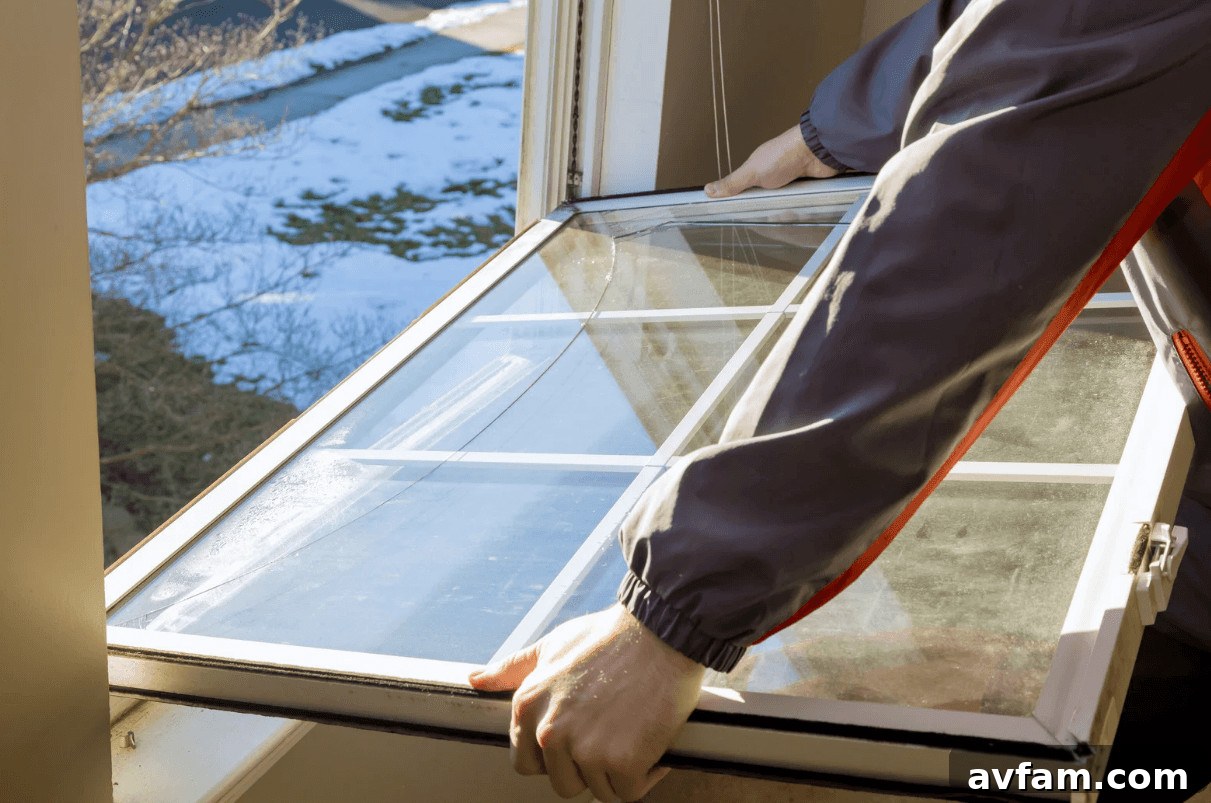
How Energy Efficient Window Replacement Cuts Heating Waste
Heating costs rise when a house constantly loses the warmth the HVAC system produces. Old or poorly installed windows can feel cold to the touch and pull heat out of a room, but the gaps around the frame can be just as wasteful. That is why an energy efficient upgrade should never be judged by the glass alone—the window, frame, rough opening, insulation, and installation method all influence the outcome.
You don’t need specialized instruments to learn a lot about your windows. A simple walk around the house with a smoke pen, flashlight, bubble level, hygrometer, and an infrared thermometer will reveal common problems:
- Run a hand around the sash while the window is locked to feel drafts.
- Use a smoke pen to watch for air movement near trim and meeting rails.
- Look for fog trapped between glass panes as a sign of seal failure.
- Press the sill with a putty knife to find soft spots indicating moisture damage.
- Compare the glass edge temperature with a nearby interior wall using an infrared thermometer.
- Inspect the exterior for cracked sealant, open joints, or water stains.
| What shows up | What it can mean |
| Cold air near trim | Air may be leaking around the rough opening |
| Fog between panes | The insulated glass seal has likely failed |
| Soft sill corners | Moisture has reached the frame or substrate |
| Sash will not lock tight | The frame may be shifted or worn |
Why Cooling Bills Also Change With Better Windows
Windows affect summer comfort as well as winter warmth. Weak glazing and loose frames let solar heat and outside air into rooms, making one side of a house noticeably warmer—especially near patios, driveways, or open yards where sun and reflected heat are stronger. That imbalance forces the air conditioner to work harder in specific areas, increasing cooling costs and reducing overall comfort.
Energy efficient window replacement reduces solar heat gain, improves airtightness, and prevents cooled air from escaping through gaps. If a room heats up quickly during the day and remains warm after sunset, the problem is likely the window assembly rather than the AC. Choosing a better glazing package and a tighter frame, and ensuring correct installation, can significantly reduce heat transfer and air leakage. In practice, a correctly installed standard window often outperforms an attractive but poorly installed premium unit, because performance depends on how the window integrates with the wall opening.
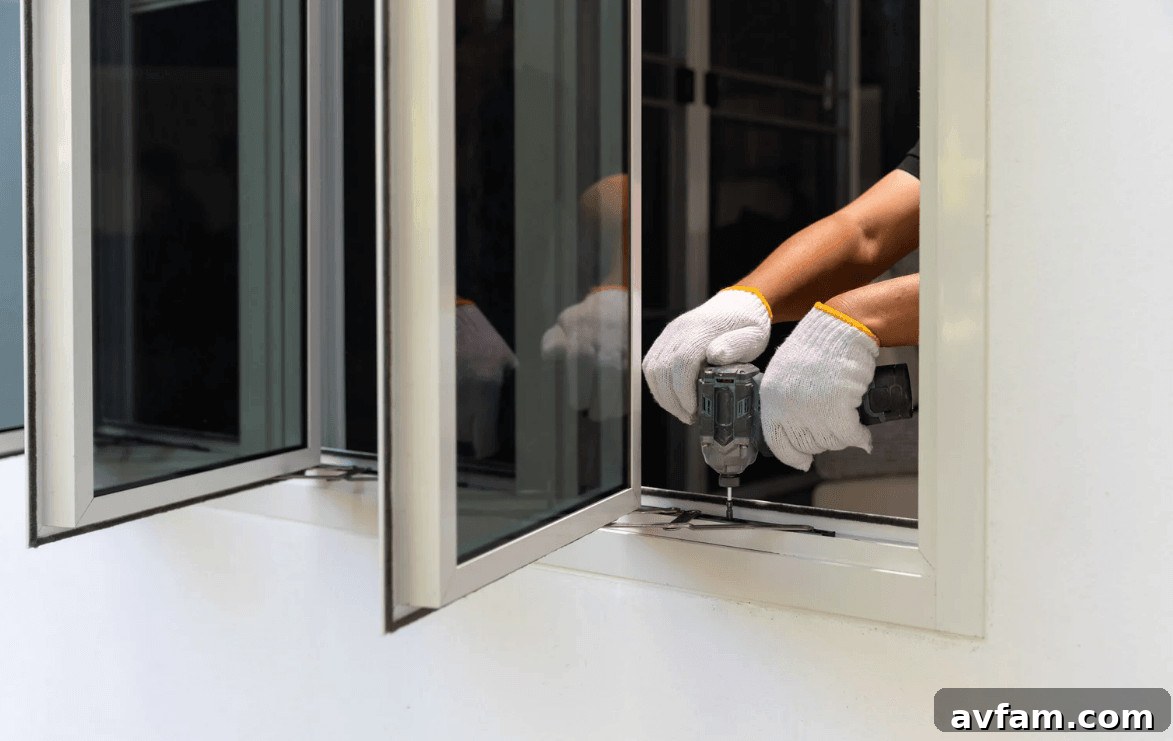
Where Old Windows Quietly Cost Money
Energy loss from old windows typically occurs in layers. Cracked caulk may be visible, but hidden gaps behind trim, painted-over cracks, and stained framing often mask the true problem. Heavy curtains can hide cold glass, and trim can conceal moisture damage. That is why window renovation must begin with inspection and evidence, not assumptions.
Look for recurring patterns: the same window that gets cold every winter, the same sill that gets wet, rooms that need more heating or cooling than they should, or exterior joints that open during thawing seasons. Those repeated signs point to systemic issues that replacement can address.
- Drafts persist after weatherstripping is replaced.
- Fog remains inside the glass unit and cannot be cleaned away.
- Exterior caulk cracks again shortly after repair.
- The lock no longer pulls the sash evenly into the frame.
- One room feels uncomfortable in both winter and summer.
- Trim stains suggest air or moisture movement around the opening.
| Problem | Bill effect | DIY check | Better direction |
| Failed glass seal | Lower insulation value | Flashlight across the pane | Replace glass or full unit |
| Loose sash | Warm or cool air escapes | Smoke test near meeting rail | Adjust, repair, or replace |
| Soft sill | Hidden moisture and air gaps | Press with putty knife | Repair damage before install |
| Poor install gap | Energy loss behind trim | Check cold casing edges | Re-seal or replace correctly |
How Energy Efficient Window Replacement Pays Back
The benefits of energy efficient window replacement go beyond lower monthly bills. Improved comfort, fewer cold spots in winter, and reduced heat in summer are immediate advantages. Replacing failed units also prevents recurring condensation and the frequent repairs that follow. Homeowners who have removed trim and found softened framing know that small leaks seldom stay small; they expand into larger repairs that cost more time and money than a planned replacement would have required.
When comparing quotes, ask practical questions: Which frame material suits the climate? What glazing package best fits room exposure? How will the gap between the new window and the rough opening be insulated? Will damaged wood be repaired before installation? Will exterior flashing and trim be addressed? A contractor who answers these questions thoroughly demonstrates a practical, long-term approach; style and price alone are not enough.
A Tighter Home Is the Real Win
The best window decisions start with inspection, not frustration. If a single draft comes from worn weatherstripping and the frame is otherwise sound, a simple repair is appropriate. If several windows show fogged glass, soft sills, cold trim, poor locking, and rooms that never feel steady, replacement should be part of the budget. Knowing when to DIY and when to hire trained installers protects the house and yields the most durable results.
Energy-efficient windows reduce the workload on your HVAC system and make your home less vulnerable to wind, sun, rain, and sudden temperature swings. The goal is not to replace windows blindly; it is to stop paying month after month for energy that leaks through weak openings and to restore durable, predictable comfort throughout the house.