
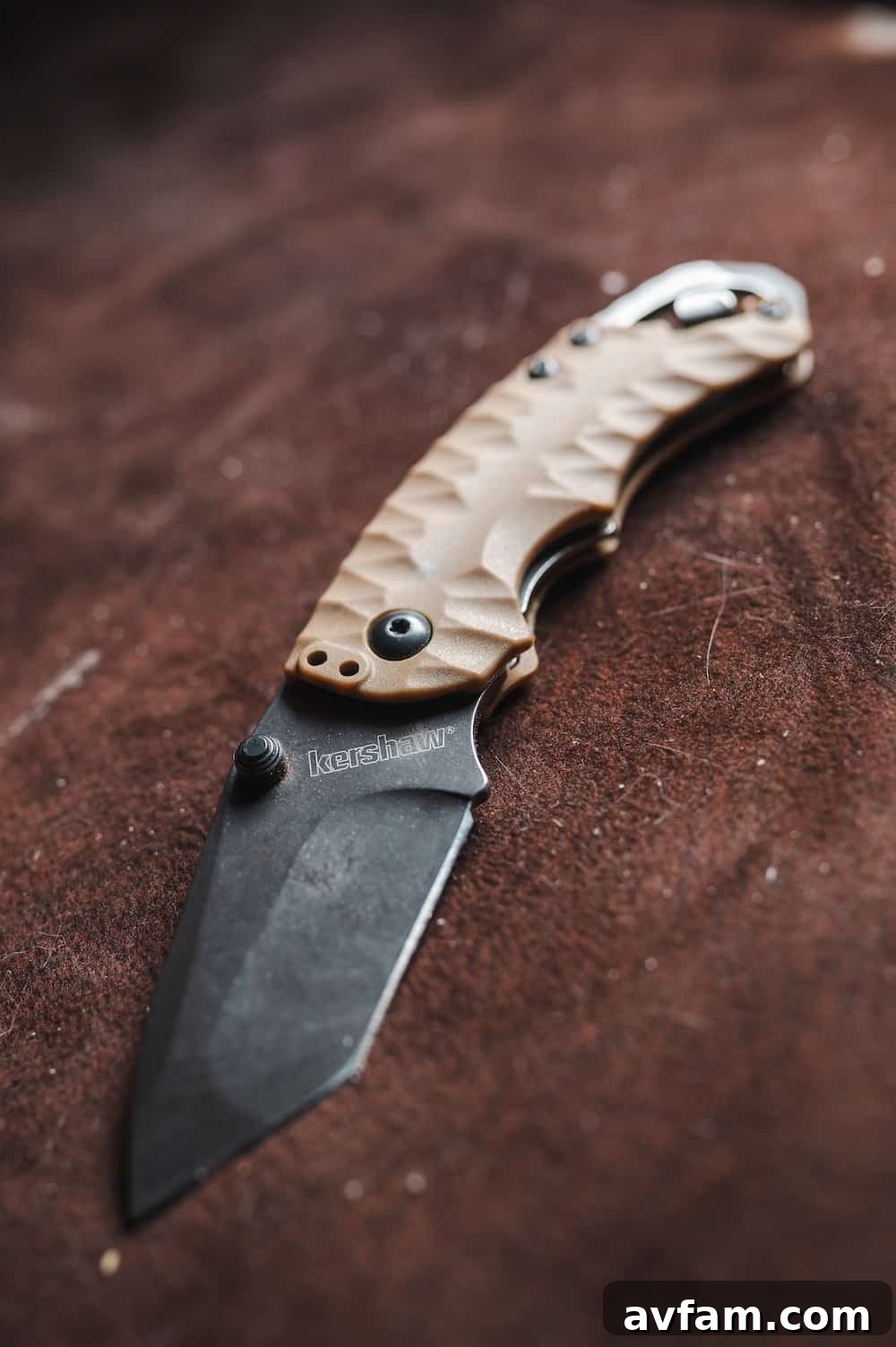
Choosing the ideal blade material for your everyday carry (EDC) pocket knife is paramount. It directly impacts the tool’s performance, durability, and how long it will faithfully serve you. In the vast landscape of knife steels, D2 steel stands out as a highly respected and popular choice, particularly for EDC applications. Its unique combination of properties makes it exceptionally well-suited for the diverse demands of daily use. Let’s delve into why D2 steel has earned its reputation as a top-tier material for pocket knife blades.
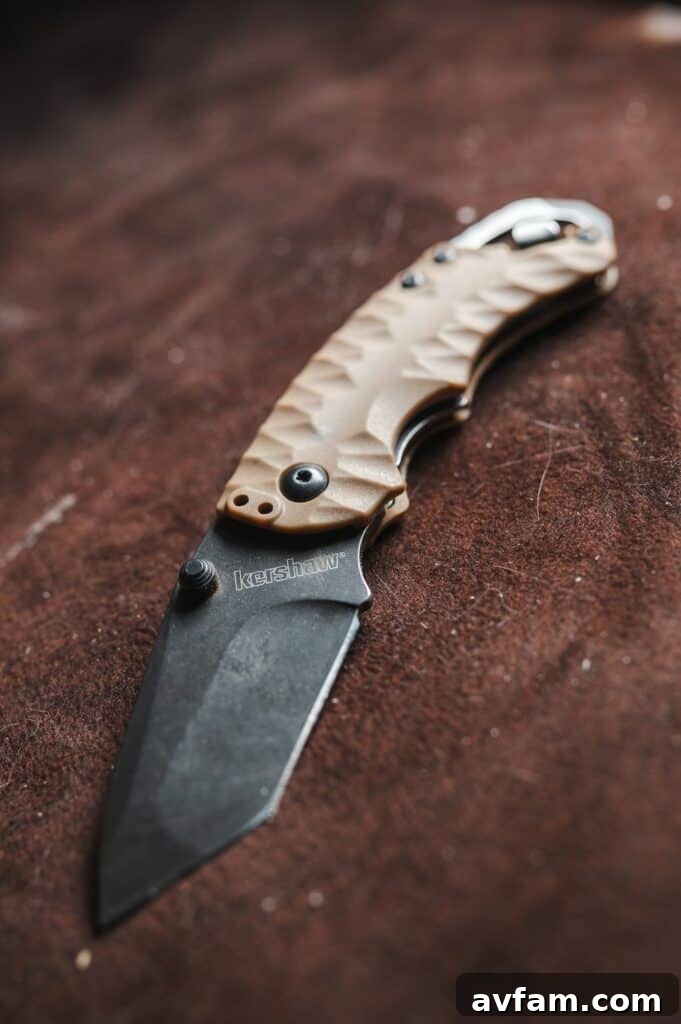
Understanding D2 Steel: A Deep Dive into Its Composition
D2 steel isn’t just any metal; it’s a high-carbon, high-chromium tool steel, originally engineered for industrial applications demanding extreme wear resistance and cutting prowess. This lineage speaks volumes about its inherent toughness and ability to withstand rigorous use. Its impressive properties stem from a carefully balanced alloy composition:
- High Carbon Content (typically 1.4-1.6%): Carbon is the primary hardening agent in steel. The significant carbon content in D2 allows it to achieve very high hardness levels through heat treatment, which directly translates to superior edge retention and strength.
- High Chromium Content (typically 10-13%): While not classified as a “true” stainless steel (which usually requires 13% or more chromium to be fully stainless), D2’s substantial chromium content provides excellent corrosion resistance. This element forms a passive oxide layer on the steel’s surface, protecting it from rust and degradation in challenging environments. This property is particularly valuable for knives exposed to moisture or corrosive substances.
- Vanadium (typically 0.9-1.1%): Vanadium is a crucial alloying element in D2. It forms extremely hard vanadium carbides within the steel’s microstructure. These carbides significantly enhance wear resistance and edge retention. Furthermore, vanadium helps refine the grain structure of the steel, contributing to its overall toughness and reducing brittleness.
- Molybdenum (typically 0.7-1.2%): Molybdenum plays several vital roles, including increasing hardenability, improving strength at elevated temperatures, and further enhancing wear resistance. It also contributes to tempering resistance, allowing the steel to maintain its hardness after tempering processes.
The synergy of these elements results in a steel that offers a robust balance of properties, making it an excellent choice for knife blades that need to perform consistently and reliably.
Why D2 Steel Excels as the Heart of Your EDC Pocket Knife
D2 steel brings a suite of advantages to the table, making it a compelling choice for anyone seeking a high-performance EDC pocket knife. These benefits extend from its ability to hold a razor edge to its remarkable resistance to daily wear and tear.
Unrivaled Edge Retention
One of D2 steel’s most celebrated attributes is its exceptional edge retention. This means that a D2 blade will maintain its sharpness for significantly longer periods compared to many other common knife steels. The high carbon content, combined with the formation of hard carbides (especially from vanadium and chromium), creates a microstructure that is incredibly resistant to abrasion and dulling. For practical purposes, this translates to:
- Less Frequent Sharpening: Users will find themselves needing to sharpen their D2 knives far less often, saving time and effort.
- Consistent Performance: Whether you’re routinely opening packages, cutting rope, preparing food outdoors, or tackling light carving tasks, a D2 blade will remain keen and effective throughout the day, minimizing frustration from a dull edge.
- Reliability in the Field: For outdoor enthusiasts, hunters, or campers, a knife that holds its edge through extended use is invaluable, ensuring you can rely on your tool when it matters most, without constant maintenance.
Impressive High Hardness
D2 steel typically achieves a Rockwell hardness (HRC) in the range of 59-61. This high hardness rating indicates that the steel is incredibly tough and resistant to deformation. A blade with high hardness is less likely to roll or chip its edge when encountering harder materials or subjected to impact. This property is crucial for an everyday carry knife, which is expected to endure a wide variety of tasks, from the mundane to the unexpectedly demanding. A D2 blade can confidently handle:
- Daily Chores: Opening tough plastic packaging, cutting through cardboard boxes, or stripping wires.
- Light Utility Tasks: Prying open lids (within reason), scraping, or piercing sturdy materials without fear of the blade failing.
- Wear Resistance: The high hardness directly contributes to the blade’s wear resistance, ensuring it can withstand abrasive contact over time without losing its material integrity.
Outstanding Corrosion Resistance (Semi-Stainless Advantage)
While not a “true” stainless steel in the same vein as 440C or S30V, D2 steel’s significant chromium content (10-13%) provides excellent resistance to corrosion. It strikes a fantastic balance between the superior edge retention of high-carbon steels and the rust-preventative qualities of stainless alloys. This makes it an ideal choice for individuals who live in:
- Humid Climates: Where moisture in the air can quickly lead to rust on less resistant steels.
- Coastal Regions: Where salt air is a notorious culprit for accelerating corrosion.
- Active Lifestyles: For those who sweat frequently, or use their knife for food preparation, a D2 blade will resist staining and pitting with minimal care.
With simple, proper maintenance – such as wiping the blade clean after use and occasionally applying a thin coat of rust-inhibiting oil – a D2 steel pocket knife can remain pristine and functional for many years, proving to be a highly reliable and durable companion.
Exceptional Toughness
Toughness, distinct from hardness, refers to a steel’s ability to absorb energy and resist fracturing, chipping, or breaking under impact or stress. D2 steel is renowned for its remarkable toughness, especially for a steel with such high hardness and wear resistance. This characteristic is largely attributed to its well-distributed carbide structure and the presence of vanadium. For an EDC knife, this toughness is critical because it ensures the blade can:
- Withstand Accidental Drops: Reducing the likelihood of the tip snapping or the edge chipping if the knife is dropped.
- Handle Light Prying: While not a pry bar, a tough D2 blade can tolerate some lateral stress or light prying tasks that would cause more brittle steels to fail.
- Endure Rough Handling: Whether you’re using your knife for unexpected heavy cutting in a survival situation, or it simply gets knocked around in your pocket or gear bag, a D2 blade can take a beating and keep performing.
- Resist Chipping: The finely dispersed carbides and tough matrix prevent large chips from forming along the cutting edge, even under moderately harsh conditions.
Unparalleled Versatility
D2 steel’s balanced properties make it incredibly versatile, suitable for a vast array of knife types and applications. Its ability to be heat-treated to achieve different levels of hardness and toughness allows knifemakers to fine-tune its performance for specific roles. Whether your needs demand a knife for:
- Urban Everyday Carry: A compact D2 folder can handle daily package opening, box cutting, and general utility with ease.
- Outdoor Adventures: A D2 fixed blade or a robust folder is an excellent choice for camping, hiking, hunting, or bushcraft, where cutting tough materials like wood, cordage, or animal hides is common.
- Professional Trades: Many tradespeople rely on D2 blades for their exceptional edge retention and durability when performing repetitive cutting tasks.
This adaptability means that regardless of your lifestyle or specific cutting requirements, there’s a D2 steel knife that can provide the necessary qualities to meet and exceed your expectations. Its ability to take and hold a good edge, combined with its resistance to wear and corrosion, ensures consistent high performance across diverse scenarios.
Achievable Sharpening (Despite its Hardness)
It’s true that harder steels, especially those with high carbide content like D2, can be more challenging to sharpen than softer, lower-alloy steels. However, D2 steel is widely regarded as manageable to sharpen for those with the right tools and technique. The key is to use abrasives that are harder than the carbides within the steel. This typically means:
- Diamond Sharpeners: These are highly effective for D2, quickly abrading the hard carbides.
- Ceramic Rods: Excellent for maintaining an edge and light touch-ups.
- High-Quality Sharpening Stones: Silicon carbide or aluminium oxide stones with appropriate grits can also achieve good results.
While it might require a little more effort than, say, 8Cr13MoV, the reward is a razor-sharp edge that lasts significantly longer. The less frequent need for sharpening ultimately offsets the slightly increased effort per session, making it a very practical choice for the discerning user.
Exceptional Value Proposition
Beyond its impressive performance metrics, D2 steel often represents an outstanding value in the knife market. It typically bridges the gap between budget-friendly stainless steels and ultra-premium powdered metallurgy super steels. This means you get a high-performance blade with excellent edge retention, toughness, and corrosion resistance without the exorbitant price tag often associated with the very top-tier alloys. For many enthusiasts and everyday users, D2 offers an optimal balance of cost and capability, making it an intelligent investment for a reliable EDC knife.
When it comes to selecting the perfect blade material for your everyday carry pocket knife, the choice can significantly impact your daily experience. D2 steel consistently emerges as a top contender, offering a compelling blend of superior edge retention, robust hardness, excellent corrosion resistance, and remarkable toughness. It’s a versatile and reliable performer that stands up to heavy use across a wide range of tasks and environments.
To further explore your options and understand how D2 compares to other leading alloys, we encourage you to check out our comprehensive guide for choosing the best steel for pocket knives. Understanding the nuances of different steels will empower you to make an informed decision tailored to your specific needs.
If you’re looking for an immediate recommendation that embodies the best of D2 steel, one of our favorite knives is the Kershaw Highball. Its precision engineering, smooth deployment, and impeccably sharp D2 steel blade make it an exceptional everyday winner for both performance and reliability.