
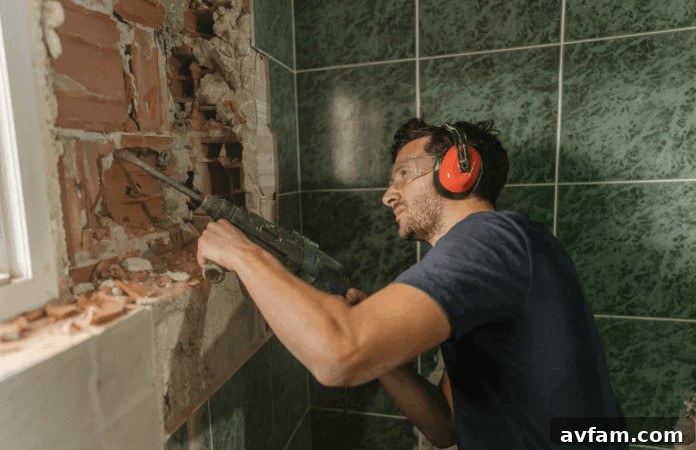
Renovation projects often emphasize appearance and functionality, but long-term durability and maintenance efficiency ultimately determine how well a space performs over time. While homeowners and contractors commonly focus on kitchens, bathrooms, and living areas, commercial restroom renovations offer practical lessons in choosing materials, planning for upkeep, and designing for heavy use.
In spaces exposed to constant daily use, every design decision—from flooring and wall finishes to partitions and fixtures—must balance durability, maintenance needs, and user comfort. These principles apply across many renovation projects where materials must withstand years of wear while remaining easy to maintain.
Commercial restrooms are a useful case study for how thoughtful planning, quality materials, and efficient layouts contribute to long-term building performance. Understanding these considerations helps contractors, property owners, and renovation professionals make decisions that improve longevity and reduce lifecycle costs.
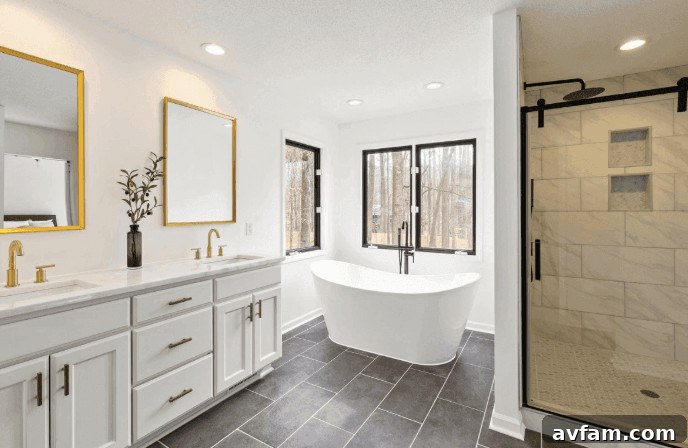
The Importance Of Material Selection In Commercial Spaces
Material selection is a primary concern in restroom renovation. Surfaces must resist moisture, impacts, and prolonged use while staying easy and economical to maintain. Flooring, wall systems, fixtures, and partitions all determine how well a restroom performs under continuous use, and poor choices can lead to frequent repairs, rising maintenance costs, and dissatisfied users.
In commercial settings, durability is often prioritized over purely aesthetic choices because functional demands are constant. Selecting materials that balance longevity with appearance helps ensure daily performance without excessive upkeep.
Layout Efficiency And User Flow
Efficient spatial planning is essential. A well-designed layout supports smooth user flow, maximizes available space, and simplifies cleaning. Conversely, cramped or awkward designs can cause congestion, privacy issues, and inefficient maintenance routines.
Designers and contractors evaluate how people move through the space, how stalls are accessed, and how cleaning staff perform routine tasks. These observations shape decisions about fixture placement, stall configuration, and circulation pathways—especially in high-occupancy buildings where restrooms are in near-constant use.
Structural Components That Define Restroom Performance
Several structural elements determine restroom functionality: stall systems, doors, support frames, and divider panels. Toilet partitions, in particular, play a central role in privacy, durability, and maintenance. They are not merely aesthetic dividers but functional components that define individual spaces within a shared environment.
Choosing the right partition system requires balancing strength, privacy, and ease of maintenance. Properly specified partitions reduce damage, simplify cleaning, and contribute to a consistent user experience.
Durability In High-Traffic Environments
Schools, airports, stadiums, and busy offices place heavy stress on restroom infrastructure. Materials must withstand frequent use, impacts, and continual exposure to moisture, while resisting corrosion, stains, and general wear.
Common commercial options—metal, solid plastic, and phenolic—offer different performance characteristics. Selection depends on the specific environment, anticipated traffic levels, and maintenance capabilities. Durable materials reduce replacement frequency and limit interruptions to service.
Maintenance Considerations And Lifecycle Costs
Maintenance expectations play a major role in long-term value. Surfaces and systems that are easy to clean and resistant to damage reduce operational costs over a building’s life. Facility managers typically favor modular systems or components that are straightforward to repair or replace, minimizing downtime.
Lifecycle cost analysis helps weigh upfront expenses against long-term maintenance and replacement costs. This approach encourages investing in higher-quality materials when they provide clear savings and improved performance over time.
Privacy And User Experience In Public Restrooms
User experience is a key consideration in restroom design. Privacy, cleanliness, and comfort all influence how people perceive a space. Poor restroom design can detract from an otherwise well-designed facility, so architects often integrate privacy-enhancing elements into layouts and partition choices.
Thoughtful partition design, proper stall dimensions, and attention to sightlines help users feel comfortable and secure. These details support a positive impression and can reduce vandalism and misuse.
Standardization And Building Code Requirements
Commercial restroom design must comply with building codes and accessibility standards. Regulations cover minimum stall sizes, accessible fixtures, and proper installation of partition systems. Early consideration of these requirements prevents costly revisions and ensures that facilities are usable by diverse populations.
Designers and contractors need to incorporate code compliance into initial plans to avoid delays and additional expenses during construction or renovation.
Balancing Cost, Durability, And Design
Balancing budget constraints with performance needs is a common challenge. While premium materials raise initial costs, they often provide superior long-term value through reduced maintenance and longer lifespans. Successful projects find the right trade-offs between aesthetics, durability, and cost.
Integrating practical design choices with durable materials and planned maintenance strategies yields restrooms that remain functional, attractive, and cost-effective for years.
Conclusion
Renovation success depends on more than looks. Whether renovating a commercial facility, public building, or other high-use environment, long-term performance is driven by material choice, efficient design, and thoughtful construction. Commercial restroom renovations underscore the importance of selecting durable materials, planning for maintenance, and balancing cost with lifecycle value.
As renovation standards evolve, durability and performance remain central considerations. Investing in quality materials and well-designed systems helps ensure renovated spaces meet daily demands and deliver lasting value without compromising user experience.