
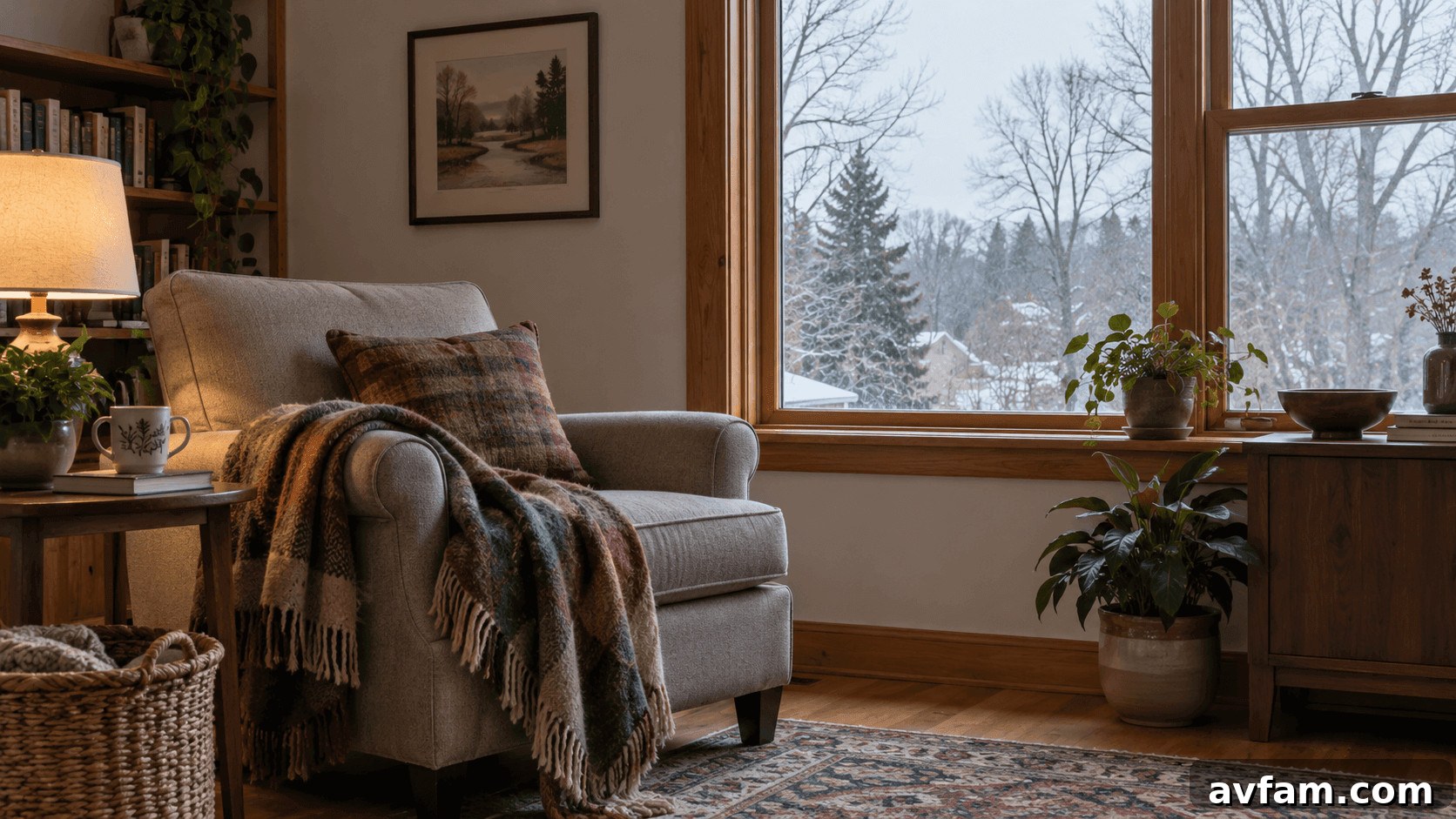
The heating may be on and the room feels warm, but the chair by the window is still cold. It’s tempting to blame the glass, yet new windows are expensive and a chilly spot alone doesn’t prove replacement is necessary.
Often the fix is simple: worn weatherstripping, a loose latch, or a sash that no longer fits the frame snugly. Other times the window truly needs to be replaced. The key is identifying what’s wrong, because different problems require different solutions.
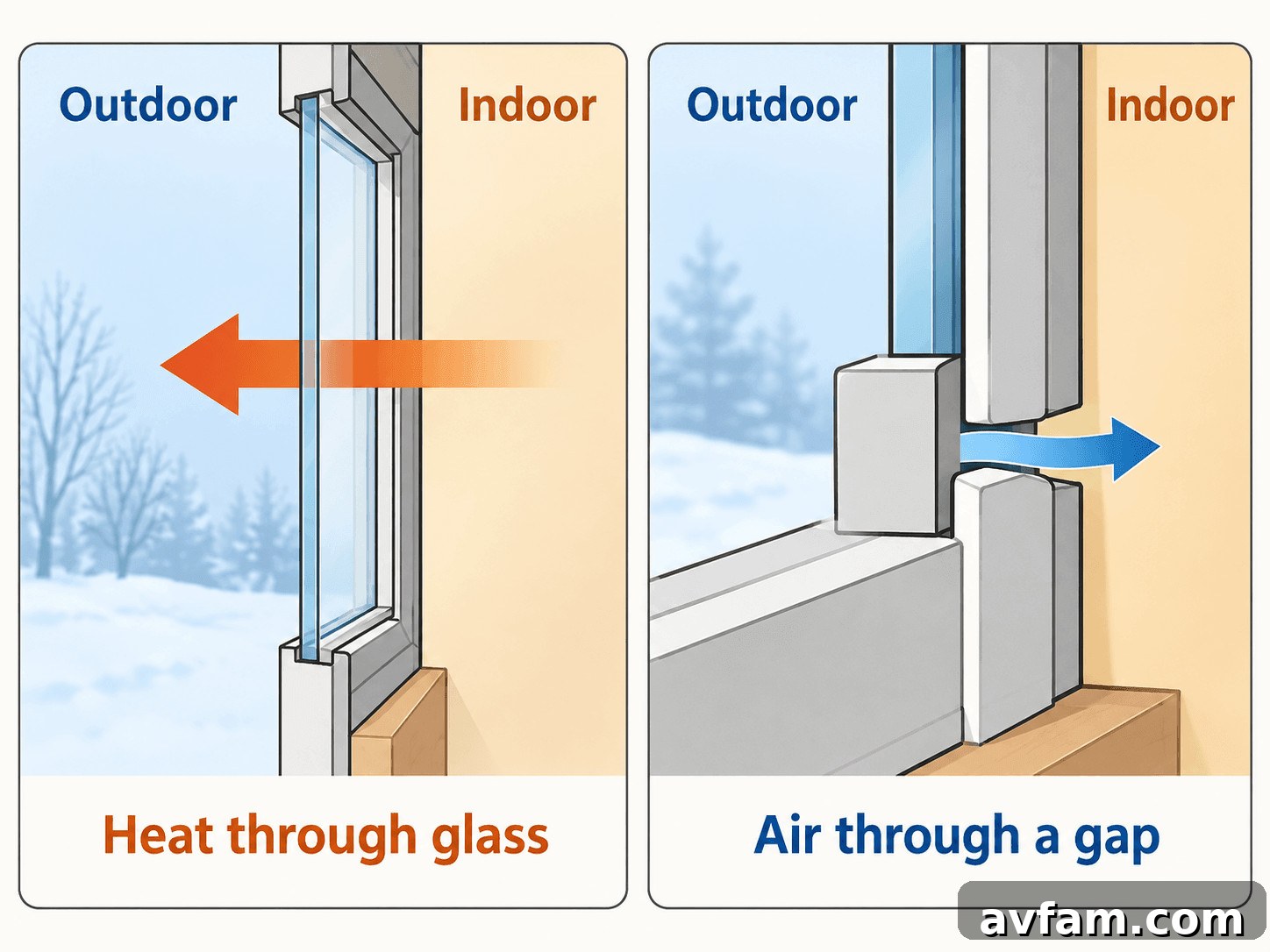
Cold glass and air leaks are different problems
Even a well-closed window conducts heat through both its glass and frame. On a cold night the interior surface of the glass can feel much colder than the surrounding wall, and sealing gaps won’t change how much heat the glass itself allows to pass.
A draft means outside air is entering through an opening. That opening might be where the sash meets the frame, at a corner, or where the frame meets the wall. If the window structure is otherwise sound, closing that gap with weatherstripping or adjusting hardware can restore comfort.
Weatherstripping is designed to seal moving joints where you open a window; caulk is used on fixed joints between the frame and the wall. They are not interchangeable: caulking a joint that needs to open will create problems later, and sealing over drainage weep holes can trap water and cause damage.
If the window is difficult to latch, inspect it before adding material. The sash must meet the frame correctly. Simply adding a thicker strip of weatherstripping may make the fit tighter but also harder to close, and won’t fix alignment or hardware issues.
When no obvious gap appears
Some faults are easy to spot; others are subtle. A window can look intact and still feel noticeably colder than the surrounding wall. A thermal camera can reveal whether the cold is concentrated around the frame, the glass, or extends into the wall cavity.
You don’t always need a standalone thermal camera. Add-on devices that attach to a smartphone can show relative surface temperatures and help you spot trouble spots. When photographing a window, include part of the surrounding wall for context—close-ups of just the glass can be misleading.
For instance, a cool band along one side of the frame suggests a localized gap or framing problem. A larger cool area above the window could indicate issues in the wall or insulation. The camera shows surface temperatures, not what’s inside the wall, so use the image as a diagnostic hint rather than definitive proof.
Remember that glass reflects heat, which can distort thermal images, and direct sunlight will warm surfaces and reduce contrast. A shaded window on a typical cold day, with indoor heating running and a clear indoor-outdoor temperature difference, makes thermal observations more reliable.
If you only have one stubborn window, buying a camera may be unnecessary. Thermal imaging is also commonly included in professional home energy audits if you prefer to consult an expert.
Repairs can be smarter than replacement
A damaged seal or faulty latch doesn’t mean the whole window is worthless. Depending on the design and condition, repairs might include adjusting or replacing hardware, renewing weatherstripping, or swapping out a glazed unit while leaving a sound frame in place.
Some windows allow the insulated glass unit to be replaced without removing the frame. If the frame is in good condition and you like the window’s appearance, ask whether glass replacement is an option—it’s often more affordable than a full replacement.
Before paying for work, double-check that the cold is really coming from the window. Long curtains can hide heating vents, and a draft from a nearby door can be mistaken for a window problem. If the whole room feels colder than the rest of the house, the issue may be heating or insulation rather than a single window.
When replacement is the better choice
Replacement makes sense when the frame is badly deteriorated, when multiple components are failing, or when the glass performs poorly and simple repairs won’t resolve the discomfort. It’s also the right step for windows that won’t open or close properly after reasonable attempts at repair.
Proper installation matters as much as the window you choose. A new unit must be sized and sealed correctly in the wall opening. If the surrounding wall or trim needs repair, that work should be included in the quote so the problem isn’t concealed behind new finish work.
Ask any installer to explain exactly what their proposed work will fix. Repairing a gap, upgrading glass, and rebuilding a damaged frame are different tasks with different costs and outcomes. A clear quote that identifies the root problem helps you decide whether the investment is justified.
Check the problem before you replace the window
Feeling cold near a window doesn’t automatically mean it needs replacing. Start with the basics: look for drafts, worn weatherstripping, loose hardware, or visible wood rot and damage. If the cause remains unclear, a targeted inspection—using a thermal camera, a professional energy audit, or a careful visual check—will help pinpoint the issue.
Once you know whether the problem is a simple seal, a defective pane, or a deteriorated frame, you can choose the most cost-effective fix. Often a modest repair or a glass unit replacement restores comfort and extends the life of windows that still have years of service left.