
Windows are, regrettably, the most frequently targeted entry points during home invasions and burglaries. However, they also represent one of the simplest and most cost-effective aspects of a home to enhance without undertaking extensive, disruptive construction projects. Homeowners often mistakenly believe that bolstering window security requires complete re-framing or costly, comprehensive overhauls. This isn’t always the case.
By strategically implementing a mix of practical, straightforward changes, homeowners can significantly mitigate the risk of forced entry while still preserving the comfort, natural light, and aesthetic appeal of their living spaces. This guide focuses on accessible security improvements that can be introduced gradually, allowing residents to adapt and upgrade their defenses incrementally over time, making advanced home protection an achievable goal for everyone.
Understanding Common Window Vulnerabilities and Risks
A proactive approach to enhancing window security begins with a thorough understanding of how windows are typically breached. Many security issues stem from overlooked vulnerabilities inherent in common window designs or neglected maintenance. These often include outdated or flimsy locking mechanisms, thin or easily shattered glass panes, and poorly maintained frames that compromise the structural integrity of the window assembly.
These weaknesses create an inviting opportunity for intruders, often going unnoticed during normal daily use. Even modern homes can harbor security loopholes, such as windows obscured from street view by overgrown landscaping or architectural features, providing burglars with ample concealment and confidence to attempt a break-in without immediate detection. Remote windows, often found on the sides or rear of a property, are particularly susceptible due to their secluded nature.
Another prevalent risk factor is the inconsistency in locking windows throughout the home. A window left partially open for ventilation, or one that hasn’t been fully secured at night, presents an effortless point of entry. Furthermore, windows exposed to harsh weather conditions over time can suffer damage, leading to loosened fittings, deteriorated seals, or compromised frames. This degradation can allow windows to be forced open with minimal resistance, transforming a minor flaw into a significant security risk. Identifying these specific vulnerabilities is the critical first step towards creating a safer environment, often without the need for extensive structural renovations.
Advanced Glass Protection Methods for Enhanced Security
One of the most effective ways to bolster home security without replacing entire window systems is by strengthening the existing glass panes. Modern advancements offer several compelling options to make your windows more resilient against impacts and forced entry attempts, acting as a crucial deterrent for potential intruders.
A popular and relatively simple method involves applying security film to existing window glass. This specialized, multi-layered polyester film is designed to bond strongly with the glass surface. In the event of an impact, whether from an accidental break or a deliberate attempt at forced entry, the film helps hold the shattered glass fragments together within the frame. This significantly complicates and prolongs the time it takes for an intruder to create a usable opening, often deterring them entirely as the increased effort and noise raise their risk of detection.
Security films come in various thicknesses and tints, offering additional benefits such as UV protection, reduced energy transfer, and even enhanced privacy. While professional installation ensures optimal performance, many types of security film are available for DIY application, making it an accessible upgrade for most homeowners.
For those considering window replacement or during routine maintenance, opting for laminated glass panels offers an even higher level of protection. Laminated glass consists of two or more panes of glass bonded together with an interlayer of polyvinyl butyral (PVB) or ethylene-vinyl acetate (EVA). Similar to a car windshield, this interlayer holds the glass together even if it shatters, preventing it from breaking into large, dangerous shards and maintaining the integrity of the window opening. While representing a slightly greater investment than security film, laminated glass does not necessitate a complete structural renovation of your home and provides superior resistance to both impact and noise pollution.
Beyond the glass itself, integrating interior coverings can further enhance security. Reinforced blinds, security screens, or sturdy shutters can provide an additional physical barrier. More importantly, they diminish visibility into the home, making it difficult for potential intruders to “case” the property, assess valuables, or monitor movement within. This visual deterrence can be just as effective as physical reinforcement in discouraging burglaries by denying crucial pre-invasion intelligence to would-be criminals.
Fortifying Window Locks and Frames
Upgrading window locks is arguably the simplest yet most impactful measure homeowners can take to significantly boost their overall security. The majority of standard locks found on windows are primarily designed to keep the window closed, not to withstand a determined forced entry. These basic latches can often be pried open with minimal effort or tools.
Introducing secondary locking mechanisms or keyed locks provides a critical additional layer of defense that is far more challenging for intruders to overcome. For double-hung windows, keyed sash locks or jimmy plates can secure both sashes. Casement and sliding windows benefit immensely from bolt locks, hinge locks, or even simple but effective window pins (also known as charley bars) that prevent the window from opening beyond a secure point, even if the primary lock is compromised. These additions are particularly crucial for ground-level windows or those easily accessible from rooftops or balconies, as they create an additional obstacle that demands more time and specialized tools from an intruder, increasing their risk of detection.
Equally important is a thorough inspection of the window frames themselves for reliability and structural integrity. Even the strongest locks can be rendered ineffective if they are mounted on a loose, rotting, or otherwise weakened frame. Over time, wooden frames can rot, vinyl frames can warp, and metal frames can rust, creating gaps or instability that can be exploited. Simple reinforcements, such as installing robust metal brackets at vulnerable corners or upgrading to longer, stronger screws that anchor deeper into the wall studs, can significantly enhance frame stability without necessitating a complete window replacement.
Ensuring that all moving parts of the window—such as hinges, rollers, and tracks—are in good condition and regularly maintained is also vital. Well-lubricated and properly aligned components make the entire window system less susceptible to prying, pressure, and damage, creating a more secure and resilient barrier against unauthorized access. Regular inspection and minor repairs can prevent small issues from escalating into major security vulnerabilities.
Strategic Lighting and Visibility for Enhanced Security
Implementing proper, strategic lighting around windows and the perimeter of your home is a highly effective deterrent against unwanted activity. Brightly lit outdoor areas diminish potential hiding spots and significantly increase the likelihood that any suspicious movement around your house will be noticed by neighbors, passersby, or even your own monitoring systems. Criminals prefer to operate under the cloak of darkness, making well-lit properties less attractive targets.
Motion-detection lighting systems are particularly advantageous. They remain dormant and energy-efficient until activated by movement, suddenly illuminating an area and startling potential intruders. This sudden burst of light not only draws attention but can also create an element of surprise, often causing an intruder to flee. Placing these lights strategically near all windows, entry points, and along pathways can create an effective perimeter defense. Modern motion-activated lights are available in various styles, including solar-powered options, making installation simple and affordable.
Beyond artificial lighting, maintaining clear sightlines into and out of your home plays a crucial role in enhancing overall awareness and security. This involves a proactive approach to landscaping. Clearing thick bushes, tall shrubs, or other ornamental items that obstruct window visibility from both inside and outside the home is essential. Overgrown foliage provides convenient hiding places for intruders to work undetected. By trimming back such vegetation, residents can maintain a better watch on outdoor viewpoints, while also making their property less appealing to criminals seeking concealment.
This technique strikes a crucial balance between privacy and awareness. While you might desire privacy indoors, especially at night, ensuring that your outdoor environment doesn’t inadvertently offer cover to intruders is key. The goal is to make it impossible for anyone to approach your windows or linger around your property without being readily detected, either by residents, neighbors, or security systems. A clear, well-maintained perimeter enhances security for everyone.
Leveraging Modern Monitoring and Alert Systems
Modern technology offers powerful, non-invasive solutions to further improve window security without requiring structural alterations to your home. Homeowners can easily install simple contact sensors on window frames. These discreet, wireless devices consist of two parts: one attached to the window frame and the other to the moving window sash. When the window is opened, breaking the magnetic contact, an immediate alert is triggered, notifying residents via a connected alarm system or smartphone application.
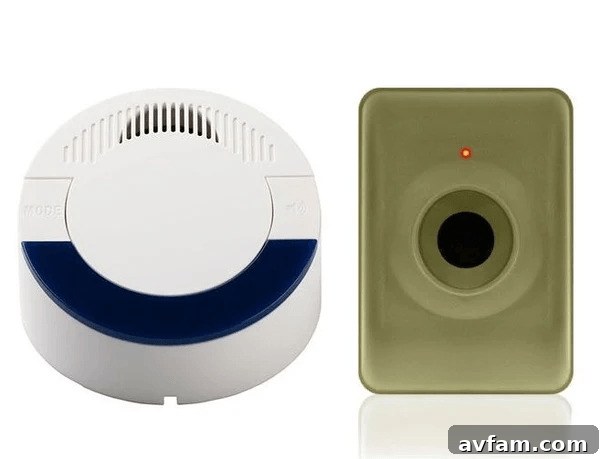
These systems are predominantly wireless, making them incredibly simple to install using adhesive mounts, and suitable for a wide range of properties, including houses, apartments, and rental units, where extensive renovation might not be feasible or permitted. Many DIY home security kits include these sensors, offering an affordable entry point into comprehensive home monitoring.
Beyond direct window monitoring, integrating outdoor awareness tools, such as a driveway alarm, can significantly enhance overall security planning. A driveway alarm, typically a motion or vehicle sensor placed at the property entrance or along a perimeter path, provides an early warning when someone approaches the house, allowing residents crucial extra time to react before any potential threat reaches the windows or doors. This advanced notice can be invaluable, enabling occupants to secure themselves, contact authorities, or simply be aware of an approaching presence.
For added protection, consider integrating glass break sensors, which detect the specific sound frequency of shattering glass, offering another layer of immediate alert for window breaches. Smart home security cameras, strategically placed to monitor windows and exterior areas, provide visual verification and recording capabilities, accessible remotely via a smartphone. Together with indoor alerts and regular physical inspections, these technological tools create a robust, layered security system that significantly reinforces a home’s defenses without altering its physical composition. These integrated systems transform a home into a vigilant fortress, providing peace of mind through constant, intelligent monitoring. For more advanced options, exploring various driveway alarm solutions can further customize your perimeter defense.
Conclusion: Achieving Robust Window Security Without Major Renovation
Achieving robust window security does not inherently require extensive, costly, or time-consuming construction. Instead, it is entirely possible to significantly reinforce the safety of your home through a series of regular, cumulative, and strategic measures. By focusing on strengthening vulnerable areas rather than overhauling entire window systems, homeowners can implement practical upgrades that make a substantial difference in deterring potential intruders.
The combination of minor, yet impactful, additions forms the bedrock of this approach. This includes upgrading to more secure locking systems, incorporating advanced glass protection methods like security film or laminated glass, and ensuring the structural stability of window frames through simple reinforcements. When these modifications are thoughtfully applied, they work in concert to reduce vulnerability in a highly cost-effective and practical manner. These enhancements are designed to integrate seamlessly into your living environment, preserving the aesthetic appeal, functionality, and comfort of your home while simultaneously elevating its overall safety profile.
The long-term effectiveness of these security measures hinges on consistent maintenance and regular assessment to ensure every component continues to function optimally. Physical reinforcements are further complemented and amplified by thoughtful environmental design, such as strategic outdoor lighting, clear landscaping that eliminates hiding spots, and the integration of simple yet effective surveillance and alert tools. These additional layers significantly raise situational awareness both inside and outside the home, acting as powerful deterrents.
Ultimately, by combining these diverse measures – from physical fortifications to technological alerts and smart environmental management – homeowners can create a comprehensive, moderate security strategy. This holistic method maximizes protection and fosters a profound sense of safety and peace of mind, all without the need for disruptive structural alterations to the property. It empowers individuals to take control of their home’s security, proving that a safer living space is within reach for everyone.