

Embarking on a home renovation project is often filled with excitement and the promise of transforming your living space into the home of your dreams. It’s an incredible opportunity to personalize your environment, enhance its functionality, and potentially increase its value. However, the path to achieving this dream isn’t always straightforward. Many aspiring do-it-yourself (DIY) renovators learn valuable, yet often costly, lessons by making common mistakes.
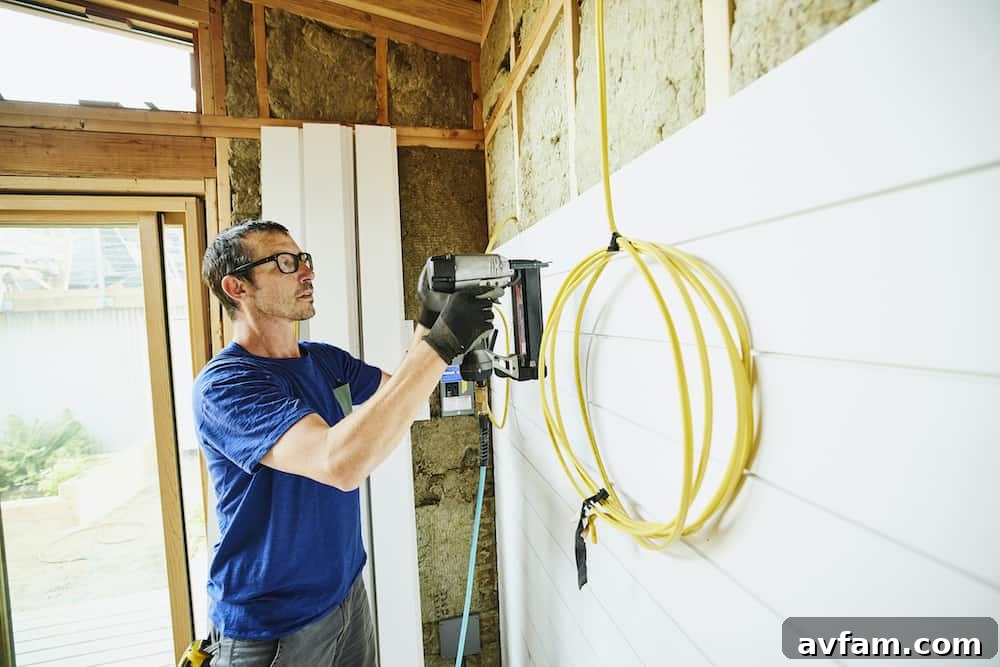
Understanding these prevalent pitfalls and learning how to effectively circumvent them can be the difference between a successful, rewarding project and one fraught with stress, unexpected expenses, and disappointment. This comprehensive guide will delve into the fundamental aspects of home renovation, meticulously examine the most common DIY mistakes, explore the significant financial ramifications of renovation mishaps, and provide actionable strategies to avoid these traps. By gaining this essential knowledge, you can approach your next home improvement venture with confidence and clarity. Let’s explore the critical insights that will pave the way for your renovation success!
Mastering the Fundamentals of Home Renovation
A successful home renovation goes beyond just picking out paint colors and new fixtures. It requires a solid understanding of fundamental principles, careful preparation, and a strategic approach to execution. Neglecting these basics can quickly turn an exciting project into a daunting challenge. This section will lay the groundwork for your renovation journey, emphasizing two crucial pillars: meticulous planning and equipping yourself with the right tools.
The Indispensable Role of Thorough Planning
Every truly successful home renovation project is anchored in a meticulously developed plan. Far from being a mere formality, comprehensive planning is the bedrock upon which your entire project rests. It enables you to clearly define your vision and goals, establish a realistic budget, and create a logical timeline for completion. More importantly, it empowers you to anticipate and identify potential obstacles or challenges that might arise, allowing you to devise solutions proactively.
When you embark on the planning phase, it’s crucial to consider both the aesthetic appeal and the practical functionality of your renovation. For instance, if you’re undertaking a kitchen renovation, meticulous layout planning is paramount to ensure optimal functionality. This involves carefully considering the ergonomic placement of appliances, designing an efficient flow of traffic, and maximizing available counter and storage space. A well-designed kitchen not only looks beautiful but also enhances your daily cooking and living experience.
Furthermore, inadequate planning can lead to frustrating and costly delays, rework, and mistakes. A prime example is failing to secure the necessary permits before commencing your renovation. This oversight can result in hefty fines, mandatory work stoppages, or even severe legal complications. By dedicating ample time to planning, you ensure all essential paperwork is in order, that your project adheres to local building codes and regulations, and that the structural integrity and safety standards are met. Proper planning helps streamline the entire process, minimizing surprises and keeping your project on track.
Beyond permits and layouts, effective planning also involves researching suitable materials, understanding the scope of work, and even vetting potential contractors if you decide to hire professionals for certain tasks. A detailed plan acts as your roadmap, guiding every decision and action throughout the renovation process, making it less stressful and significantly more efficient.
Essential Tools and Equipment for Success
Equipping yourself with the correct tools and equipment is non-negotiable for a smooth, efficient, and high-quality renovation process. Attempting to complete tasks with the wrong tools, substandard gear, or outdated equipment can severely compromise the quality of your workmanship, increase the likelihood of mistakes, and, most critically, pose significant safety risks. Before even beginning any project, compile a comprehensive list and ensure you possess all necessary items, ranging from basic hand tools like hammers and tape measures to power tools such as saws and drills, alongside crucial safety gear.
While the initial outlay for good-quality tools might seem substantial, consider it a wise long-term investment. High-quality tools are not only built to last but also make tasks considerably easier, more precise, and less prone to errors. They enhance efficiency, reduce physical strain, and can be reliably used for numerous future projects, saving you money in the long run by avoiding replacements and rectifying botched jobs. For example, if you’re planning to repaint a room, utilizing a modern paint sprayer, when appropriate, can help you achieve a far more even, professional-looking finish in a fraction of the time compared to traditional brushes and rollers.
Crucially, the safety aspect of using tools and equipment must always be prioritized. Always wear appropriate protective gear, including safety goggles to shield your eyes, sturdy gloves to protect your hands, and a dust mask to safeguard your respiratory system from airborne particles. Beyond personal protective equipment (PPE), it’s imperative to thoroughly familiarize yourself with the proper operation, maintenance, and safety guidelines for each tool you use. Reading instruction manuals, watching tutorials, and understanding the specific risks associated with each piece of equipment will ensure their longevity and, most importantly, your safety during every step of the renovation.
For highly specialized tasks, consider renting professional-grade equipment rather than purchasing it. This provides access to top-tier tools without the significant upfront cost, especially for items you might only use once or twice. Ultimately, a well-stocked and safely operated toolbox is a cornerstone of any successful DIY home renovation.
Demystifying Common Mistakes in DIY Home Renovations
The allure of a DIY home renovation is undeniable – the satisfaction of creating something with your own hands, the potential cost savings, and the ultimate personalization of your space. However, this enthusiasm often leads to common missteps that can derail a project. Being aware of these prevalent errors is the first step towards a smoother, more successful renovation experience.
The Peril of Overestimating Skills and Underestimating Time
One of the most frequently encountered and impactful mistakes in DIY renovations is the tendency to overestimate one’s own capabilities and severely underestimate the time and effort required. While the spirit of DIY is commendable, it’s absolutely vital to realistically assess your limits. Attempting complex tasks without the requisite expertise, training, or experience can lead to substandard workmanship, significant safety hazards, and ultimately, far more expensive repairs or professional interventions down the line.
Consider, for example, deciding to undertake a complete bathroom renovation yourself. You might have absorbed numerous online tutorials and feel a surge of confidence. However, intricate tasks such as plumbing and electrical wiring demand highly specialized knowledge, adherence to strict codes, and practical experience. Without the proper skills, you risk creating dangerous situations like leaky pipes that cause extensive water damage, or faulty wiring that poses fire risks and electrical shocks. Such errors not only compromise the integrity of your home but also endanger its occupants.
Equally critical is the need to be genuinely realistic about the timeline required for project completion. Underestimating the duration of a renovation can lead to immense stress, rushed work, and predictably, subpar outcomes. Imagine initiating a major kitchen remodel, only to realize midway that you simply won’t have enough time to finish it before a significant family event. This pressure can force hasty decisions, compromise quality, and leave you with a less-than-ideal finished product. Always build in buffer time for unexpected delays, material delivery issues, or unforeseen complications that are almost inevitable in any renovation project.
The Risks of Ignoring Building Codes and Regulations
Building codes and local regulations are not arbitrary guidelines; they are meticulously crafted standards designed to ensure the safety, structural integrity, and overall quality of your home and community. Disregarding these established standards can lead to severe and far-reaching consequences. Failing to obtain the legally mandated permits, or neglecting to follow proper construction techniques stipulated by these codes, can result in significant fines, the costly requirement to undo completed work (often referred to as ‘demolition and rebuild’), and in egregious cases, serious legal repercussions.
For instance, if you decide to add an extension to your home without securing the necessary permits, you might believe you’re saving time and money. However, permits are absolutely essential because they trigger inspections that ensure the new structure meets critical safety standards, is structurally sound, and respects property lines and zoning ordinances. Without proper permits and subsequent inspections, your addition could be deemed illegal, requiring you to pay substantial fines and potentially dismantle the entire structure, resulting in a monumental waste of time, money, and effort.
Navigating the often-complex world of building regulations can be challenging, but it is a critical step that should never be bypassed. Seeking guidance from qualified building professionals, experienced architects, or directly consulting with your local municipal planning and building authorities can provide invaluable insights. These experts can help you understand the specific requirements for your project, ensure all necessary paperwork is filed correctly, and guide you in adhering to all applicable codes and regulations, thereby safeguarding your investment and your home’s integrity.
The Significant Financial Implications of Renovation Mistakes
While the excitement of renovating can often overshadow the practicalities, it’s crucial to understand that mistakes in home improvement projects carry substantial financial weight. What might seem like a minor oversight can rapidly escalate into unforeseen expenses, drastically impacting your budget and even the long-term value of your property. Awareness of these financial pitfalls is key to planning a resilient budget.
Unplanned Expenses Directly Stemming from Errors
Renovation mistakes have a notorious habit of quickly devouring your carefully allocated budget. The financial burden of rectifying errors, procuring additional or replacement materials, or hiring skilled professionals to correct shoddy workmanship can profoundly destabilize your finances. It is absolutely essential to establish a robust contingency fund, typically 10-20% of your total project budget, specifically designed to accommodate the inevitable unforeseen expenses that can arise throughout the project lifecycle.
Let’s delve deeper into the types of unplanned expenses that frequently emerge due to renovation errors. A common miscalculation arises from underestimating a project’s actual complexity. For example, you might embark on a bathroom remodel, only to discover that the existing plumbing system is antiquated, corroded, or incorrectly installed, requiring a complete overhaul. This unexpected and significant expense can throw your initial budget completely off balance, leaving you scrambling to secure additional funds, potentially delaying the entire project or forcing compromises on other elements.
Meticulous planning and thorough research are your strongest allies in avoiding these unnecessary financial strains. A deep understanding of the project’s entire scope, coupled with a comprehensive and itemized budget breakdown, can pre-empt many unexpected financial burdens. By conducting extensive research into material costs, labor rates, potential structural challenges, and common issues associated with your specific type of renovation, you can identify potential challenges and accurately estimate the associated costs. This proactive approach ensures you are far better prepared to manage any unforeseen expenses that may surface, minimizing their impact on your financial well-being.
Adverse Impact on Property Value
One of the primary motivations for undertaking home renovations is often to enhance a property’s market value and appeal. However, poorly executed renovations can paradoxically achieve the exact opposite effect, significantly decreasing the overall worth of your home. Prospective buyers are astute; they can be instantly deterred by visible flaws, signs of amateurish work, or the clear indication that they will need to incur substantial costs for future repairs or corrections.
Let’s further explore how renovation mistakes specifically diminish property value. A common misstep is excessive personalization of design choices. While it’s natural and encouraged to infuse your home with your unique personal style, taking this too far can severely alienate potential buyers. For example, installing highly specific, unconventional, or niche features (such as custom murals depicting a very particular theme or highly specialized single-purpose rooms) might appeal to you, but it significantly limits the pool of interested buyers. This narrowing of market appeal can directly impact the property’s resale value, forcing you to accept a lower offer or wait longer to sell.
To maximize your return on investment (ROI) from a renovation, it is highly advisable to consult with real estate professionals or certified home appraisers before you even begin major projects. These experts possess invaluable market insights; they can guide you on which areas of your home offer the best potential for value addition and ensure that your planned improvements align with current market expectations and buyer preferences. By seeking expert advice, you can make informed, strategic decisions that will not only enhance your property’s functional and aesthetic appeal but also significantly increase its long-term market value and attract a broader range of potential buyers in the future.
Proactive Strategies to Avoid Common Renovation Pitfalls
Successfully navigating the complexities of home renovation doesn’t have to be a trial-and-error process. By adopting proactive strategies and making informed choices, you can significantly reduce the likelihood of costly mistakes and ensure your project stays on track. The key lies in leveraging expertise and making smart investments.
The Wisdom of Seeking Professional Advice
One of the most effective and reliable strategies to circumvent common renovation mistakes is to actively seek and heed professional advice. Experts in various fields related to home improvement, such as architects, interior designers, structural engineers, and licensed contractors, offer invaluable insights and technical expertise. They can provide essential guidance on design choices, assist in navigating the more challenging technical aspects of a project, and skillfully steer you away from potential pitfalls you might not even recognize.
For example, if you are contemplating a kitchen renovation, a professional kitchen designer can prove indispensable. They can help you optimize the layout not just for aesthetics but primarily for functionality and efficiency, ensuring that you create a space that is both practical and beautiful. Furthermore, they can suggest innovative storage solutions, recommend durable and appropriate materials, and advise on optimal appliance placement, maximizing the use of available space and enhancing the kitchen’s overall appeal and utility.
Moreover, professionals possess extensive knowledge regarding building codes, permit requirements, and the suitability of various materials. Their expertise can save you from making costly material choices that might not be durable or appropriate for your specific environment. They can recommend materials that are sustainable, within your budget, and capable of standing the test of time, ensuring your renovation is built to last. Engaging with professionals also often includes comprehensive contracts and insurance, providing an added layer of protection and peace of mind for your investment.
The Strategic Imperative of Investing in Quality Materials
The foundation of any enduring and successful renovation lies in the quality of the materials used. Attempting to cut corners by opting for cheaper, inferior materials invariably leads to compromised durability, diminished aesthetic appeal, and the inevitability of frequent repairs or replacements. While low-quality materials might initially appear to be a cost-effective choice, their shorter lifespan and higher maintenance requirements almost always result in greater overall expenditure in the long term.
When selecting materials for your renovation, it’s crucial to consider not only their inherent durability and performance but also their environmental impact. Sustainable materials, such as responsibly sourced bamboo flooring, recycled glass countertops, or low-VOC (volatile organic compound) paints, not only contribute to a greener planet and a healthier indoor environment but also add a distinctive and desirable touch to your space. Modern buyers are increasingly conscious of eco-friendly choices, making such investments attractive.
Beyond ecological benefits, investing in high-quality materials significantly enhances the value of your home. Prospective buyers are frequently willing to pay a premium for renovations that are visibly built to last, showcasing superior craftsmanship and an attention to detail. Quality materials contribute to better insulation, reduced energy costs, and a more comfortable living environment, all of which are strong selling points. Therefore, by consciously choosing quality materials, you are not merely benefiting yourself through a more enjoyable and maintenance-free home, but you are also making a strategic investment that substantially increases the resale value and market appeal of your property.
Invaluable Lessons Learned from DIY Disasters
While personal experience is a powerful teacher, learning from the mistakes of others offers a less painful and equally effective path to wisdom. In the realm of home renovation, countless stories of DIY disasters provide a rich tapestry of lessons that can help you avoid similar pitfalls and navigate your project more successfully.
Navigating Real-Life Renovation Regrets
There is an immense wealth of practical knowledge to be gained by studying and understanding other people’s renovation mistakes. By actively learning from their experiences – what went wrong, why it went wrong, and what they would do differently – you can preemptively avoid similar traps in your own projects. Engaging with personal anecdotes found in online renovation forums, dedicated blogs, social media communities, and even reality television shows can provide you with invaluable lessons, actionable insights, and best practices that are often overlooked in theoretical guides.
Common regrets often include rushing the planning phase, underestimating budget and time, foregoing necessary permits, opting for cheap materials that failed prematurely, or attempting complex tasks beyond one’s skill level. By absorbing these real-life narratives, you develop a more realistic perspective on the challenges and complexities of renovation, equipping yourself with the foresight to make better decisions.
Transforming Setbacks into Growth Opportunities
It’s an undeniable truth that mistakes are an inherent part of any complex endeavor, and home renovation is no exception. Acknowledging that setbacks and errors will likely occur is crucial for both personal growth and continuous improvement. When confronted with renovation mistakes, the most constructive approach is to focus immediately on finding viable solutions rather than dwelling on regrets, frustration, or self-blame. Embrace each challenge as a valuable opportunity to learn, adapt your approach, and refine your skills.
This resilient mindset not only helps you overcome immediate issues but also builds your competence for future projects. Engaging actively with the broader renovation community, whether through local workshops, online groups, or by consulting seasoned professionals, provides a supportive network for problem-solving and shared learning. Furthermore, committing to continued education in the field – staying updated on the latest techniques, emerging trends, innovative materials, and evolving building codes – can significantly enhance your expertise and preparedness. This continuous learning process is key to minimizing future pitfalls and maximizing the potential for renovation success.
In conclusion, embarking on a DIY home renovation project is a significant undertaking that demands careful planning, realistic expectations, and a genuine willingness to learn, not just from successes, but crucially, from mistakes. By thoroughly understanding the fundamental aspects of home renovation, recognizing and proactively addressing common DIY pitfalls, considering the profound financial implications of errors, and adopting strategic approaches to avoid them, you can navigate the renovation process with significantly greater confidence and competence. Remember: drawing wisdom from the experiences of others and cultivating a problem-solving mindset are paramount to achieving a truly successful and rewarding renovation journey. Happy renovating – and renovate smart!