
In an era where environmental consciousness is paramount, water conservation emerges as a critical practice, impacting not only the delicate balance of our planet but also our personal finances. As a finite and invaluable resource, freshwater supplies face increasing pressure from population growth, climate change, and pollution. Embracing efficient water usage in our daily lives is not merely an eco-friendly choice; it’s a fundamental step towards sustainable living and securing a healthier future for generations to come. By adopting practical and effortless habits, every household can significantly reduce its water footprint, contributing to global conservation efforts while simultaneously enjoying lower utility bills. This comprehensive guide outlines ten highly effective and easy-to-implement strategies for conserving water in your home, irrespective of your location or lifestyle, empowering you to make a tangible difference.
1. Proactively Check and Repair Leaks for Water Savings
One of the most insidious culprits of water waste within any home is often unseen: leaks. A seemingly minor drip from a faucet or a silent leak in a toilet can collectively squander thousands of gallons of precious water annually, leading to unnecessary financial strain on your utility bills and a significant environmental impact. For instance, a faucet dripping once per second can waste over 3,000 gallons in just a single year—that’s enough water for nearly 200 showers! Regularly inspect all visible plumbing fixtures, including kitchen and bathroom faucets, showerheads, and pipes, for any signs of leakage. To check for a silent toilet leak, add a few drops of food coloring to the toilet tank; if the color appears in the bowl within 15-30 minutes without flushing, you have a leak. Promptly addressing these issues is crucial. Many leaks are simple DIY fixes, requiring only a new washer or a tightened connection. For more complex plumbing problems, consider contacting a professional. Some local water utilities even offer free leak detection kits or services to help homeowners identify and resolve these hidden drains on their resources. Fixing leaks is a cost-effective way to conserve water and protect your budget.
2. Upgrade to High-Efficiency Water-Saving Fixtures
Modern technology offers an excellent avenue for sustainable water management through the installation of high-efficiency, water-saving fixtures. Upgrading your home’s plumbing with low-flow showerheads, aerated faucets, and WaterSense-labeled toilets can dramatically reduce water consumption without sacrificing performance or comfort. Traditional showerheads can dispense up to 5 gallons of water per minute, whereas low-flow models can cut that usage by half or more, providing a satisfying shower experience with significantly less water. Similarly, older toilets can use 3.5 to 5 gallons per flush, while newer WaterSense models use 1.28 gallons or less, representing a substantial saving over time. When purchasing new fixtures, always look for the EPA’s WaterSense label, which certifies products for meeting strict water efficiency and performance criteria. Additionally, installing simple and inexpensive aerators on your existing faucets can mix air into the water stream, reducing flow while maintaining adequate pressure for washing hands or dishes. These upgrades not only contribute to immediate water savings but also offer long-term benefits for both the environment and your household budget, often qualifying for local rebates.
3. Master the Art of Turning Off the Tap Mindfully
One of the simplest yet most impactful water conservation habits is the conscious act of turning off the tap whenever water isn’t actively needed. This seemingly minor behavioral change can cumulatively save an extraordinary amount of water over time. Consider the common routine of brushing teeth: leaving the faucet running while scrubbing can waste as much as five gallons of water per day, per person. Multiply that across a household, and the numbers become staggering. Instead, wet your toothbrush, turn off the tap, brush thoroughly, and then turn it back on briefly to rinse. The same principle applies to other daily activities: turn off the water while lathering your hands, shaving, or scrubbing dishes. For rinsing fruits and vegetables, consider filling a basin instead of letting the water run continuously. Even a small adjustment, like using a cup of water for mouth rinsing rather than a running tap, demonstrates a significant commitment to reducing unnecessary water waste. Cultivating this mindfulness ensures every drop serves a purpose, preventing preventable waste and fostering a deeper appreciation for this vital resource.
4. Embrace Shorter, More Efficient Showers
Showering accounts for a significant portion of indoor water use, making it an excellent area for conservation efforts. While a refreshing shower is an essential part of daily hygiene, the duration and efficiency of your shower can make a substantial difference in your overall water footprint. A typical showerhead can use between 2.5 to 5 gallons of water per minute. By reducing your shower time by just a few minutes each day, you can save hundreds, if not thousands, of gallons annually. Challenge yourself and your family to limit showers to five minutes or less. Consider using a timer or playing a short song to keep track of the time. Implementing the “Navy shower” technique—turning off the water while lathering and scrubbing, and only turning it back on to rinse—is another highly effective method. Combining shorter showers with a low-flow showerhead further amplifies your water savings, reducing both water and the energy needed to heat it. Baths, while sometimes seen as luxurious, typically use more water than a short, efficient shower, so opt for showers when conservation is key.
5. Harness Nature’s Bounty: Collect Rainwater
Rainwater harvesting offers an ancient yet incredibly effective strategy for water conservation, regardless of your geographic location. Collecting rainwater can significantly reduce your reliance on municipal water supplies for non-potable uses, leading to tangible savings on your water bills and easing the strain on local infrastructure. The simplest method involves placing rain barrels or larger containers at the downspouts of your gutters to capture runoff from your roof. This collected water is ideal for a variety of outdoor tasks, such as watering your garden, potted plants, or lawn, where the natural, chemical-free properties of rainwater can even be beneficial for plant health. Beyond gardening, rainwater can be utilized for washing your car, cleaning outdoor surfaces, or even as greywater for flushing toilets (though this typically requires a more sophisticated plumbing system). Before implementing a rainwater collection system, it’s wise to check local regulations and ordinances, as some areas may have specific guidelines. Investing in rainwater harvesting not only conserves treated drinking water but also promotes a more self-sufficient and eco-friendly home environment.
6. Opt for a Broom Over a Hose for Cleaning
Many common household chores, particularly outdoor cleaning, often default to the use of a garden hose, leading to substantial and unnecessary water waste. For tasks like clearing leaves, dirt, or debris from your driveway, sidewalk, or patio, reaching for a broom or rake is a far more water-conscious and equally effective alternative. Hosing down these surfaces can easily consume dozens of gallons of water in minutes, much of which simply runs off into storm drains, carrying pollutants with it. By contrast, a broom provides an efficient, zero-water solution. Similarly, when it comes to washing your car, trading the running hose for a bucket of soapy water and a sponge, followed by a quick rinse with another bucket of clean water, can save immense amounts of water. Not only does this practice conserve water, but it also minimizes the amount of chemical-laden runoff entering the environment. Making these simple switches in your cleaning routine demonstrates a commitment to sustainable living and provides a practical example of how small changes can yield significant water savings.
7. Maximize Efficiency: Only Run Full Loads in Appliances
Household appliances like dishwashers and washing machines are indispensable modern conveniences, but their water and energy consumption can be substantial if not managed wisely. A key principle of efficient appliance use is to operate them only when they are fully loaded. Running half-empty cycles wastes significant amounts of water and electricity, as the appliance uses the same amount of resources regardless of the load size. By waiting until you have a full load of dishes or laundry, you maximize the efficiency of each cycle, effectively reducing the number of cycles needed over time. Modern appliances often come equipped with “eco-cycle,” “water-saving,” or “sensor wash” options that automatically adjust water levels based on load size and soil detection, further optimizing consumption. However, even with smart features, a full load remains the most efficient choice. This simple habit ensures that you’re getting the most out of every drop of water and every unit of energy, translating into lower utility bills and a reduced environmental footprint for your home.
8. Implement Smart Watering Techniques for Your Garden and Lawn
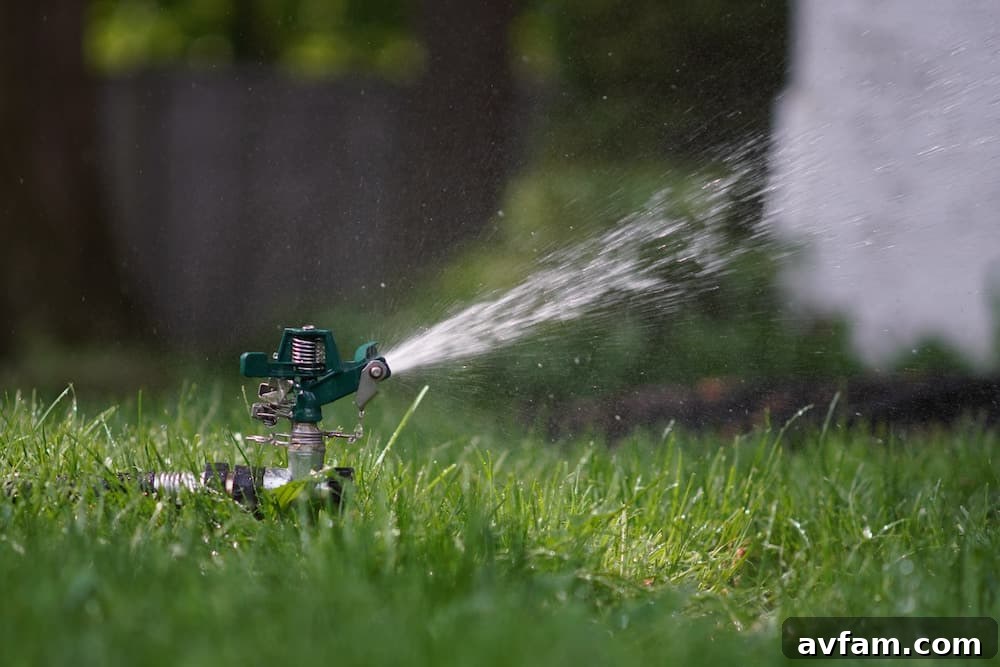
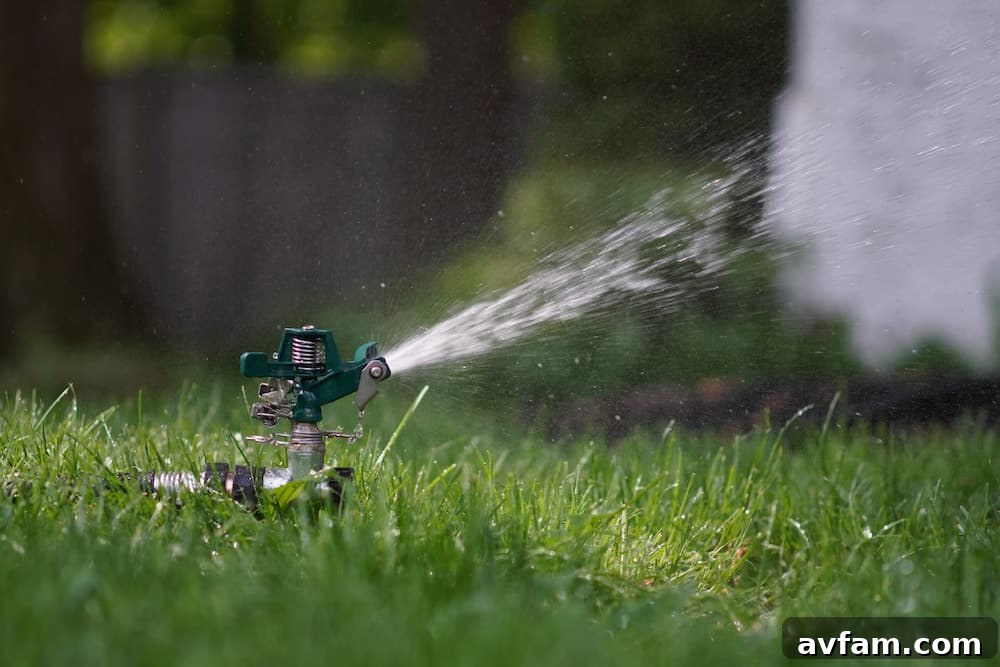
Responsible outdoor watering is a cornerstone of effective water conservation, especially in regions facing drought or water restrictions. The timing and method of watering your plants and lawn can dramatically impact how much water is absorbed and how much is lost to evaporation or runoff. The optimal time to water is in the early morning or late evening when temperatures are cooler and winds are typically calmer. This minimizes evaporation, allowing more water to penetrate the soil and reach plant roots. Avoid midday watering, which is highly inefficient. Furthermore, focus on deep, infrequent watering rather than shallow, frequent sprinkles; this encourages deeper root growth, making plants more drought-resistant. Utilize mulch around your plants and in garden beds to retain soil moisture, suppress weeds, and regulate soil temperature. Consider drip irrigation systems or soaker hoses, which deliver water directly to the plant roots, significantly reducing waste compared to traditional sprinklers. For larger lawns, investing in a smart sprinkler management system that uses local weather data, soil moisture sensors, and plant-specific needs to optimize watering schedules can achieve remarkable water savings, ensuring your landscape thrives with minimal water consumption.
9. Cultivate a Drought-Tolerant Landscape with Smart Plant Choices
Transforming your garden into a drought-tolerant landscape, often referred to as xeriscaping, is an excellent long-term strategy for significant water savings, particularly if you reside in an arid region or an area prone to water shortages. Drought-tolerant plants, including many native species, are naturally adapted to local climates and require far less supplemental irrigation once established compared to conventional plantings. They possess unique characteristics that enable them to thrive with minimal water, such as deep root systems, waxy leaves, or succulent properties for water storage. Beyond reducing your water bill, these plants often require less maintenance, are more resistant to local pests and diseases, and provide vital habitat for local wildlife. Consult with your local nursery or extension office to identify which drought-tolerant and native plants are best suited for your specific soil type, climate, and aesthetic preferences. Popular examples of water-wise flora include various succulents and cacti, lavender, rosemary, sage, sedum, and certain ornamental grasses. Embracing a water-efficient landscape design not only conserves water but also creates a beautiful, sustainable, and resilient outdoor space that harmonizes with its natural environment.
10. Advocate and Educate for Broader Water Conservation Impact
Individual efforts in water conservation are incredibly important, but their impact can be magnified exponentially through education and community engagement. Taking the initiative to educate your family and community about the critical importance of water conservation is a powerful step toward collective sustainability. Start within your home: ensure every family member understands the value of water and knows practical ways they can contribute to saving it, from shorter showers to reporting leaks. Make it a family effort to identify and implement new water-saving habits. Beyond your household, consider organizing or participating in community events, workshops, or local water conservation groups to spread awareness and share best practices. Many cities, municipalities, and environmental organizations offer free resources, classes, and even home water audits to help residents learn more about efficient water use. By becoming an advocate, sharing knowledge, and encouraging others to adopt water-saving habits, you contribute to a ripple effect that extends far beyond your own home, fostering a culture of mindful water stewardship across your entire community and for future generations.