
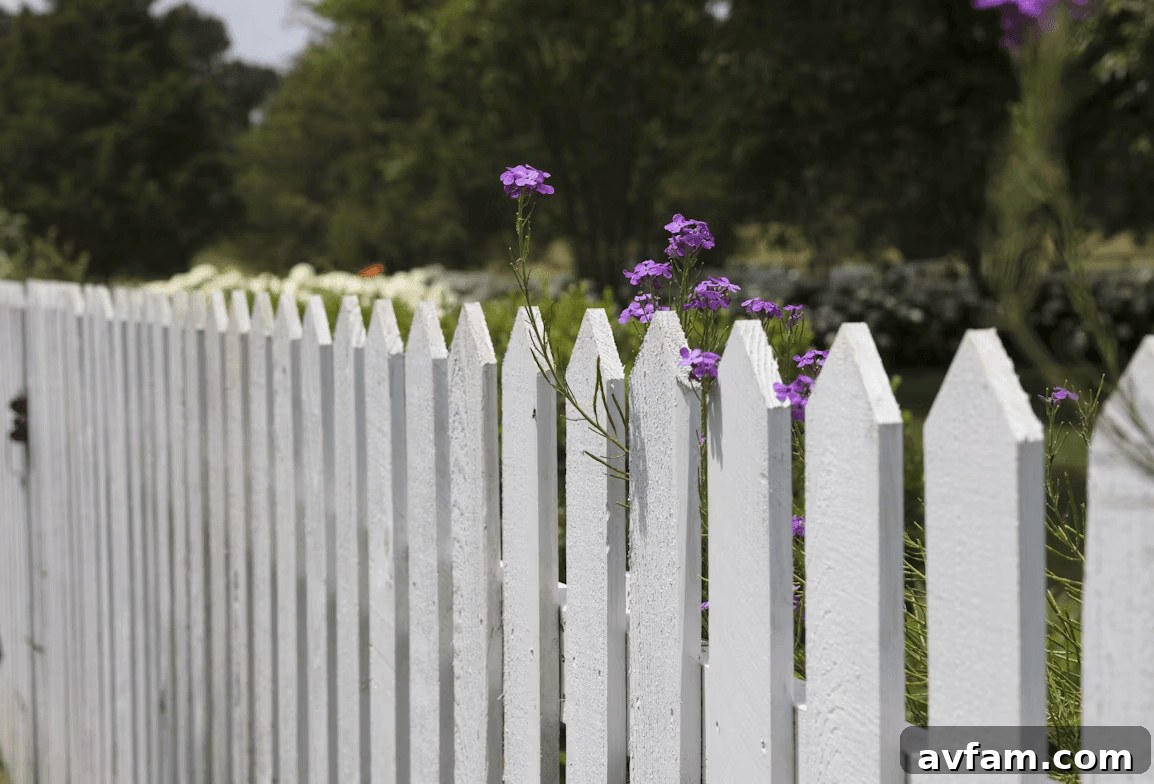
Fencing adds security, privacy, and curb appeal without necessarily costing a fortune. Homeowners seeking affordable fencing in 2026 commonly ask:
- What is the cheapest fence to install?
- Which fencing options are budget-friendly?
- What is the most affordable choice for residential properties?
Knowing the different fence types, typical costs, and expected longevity makes it easier to choose a solution that balances price and performance.
Most Affordable Fence Options
1. Chain-Link Fencing
Chain-link is one of the least expensive choices for residential and commercial properties. It’s practical for marking boundaries and improving security without a large upfront expense.
Average cost: $8–$18 per linear foot (installed)
Pros:
- Low initial cost
- Durable and requires little maintenance
- Fast to install
- Effective for security and defining property lines
Cons:
- Provides little privacy
- Less visually appealing than wood or vinyl
- May need rust treatment in very humid or coastal areas
2. Wood Fencing
Basic wood styles such as picket or stockade can be an affordable, classic option. Wood offers a traditional look and can be customized with paint or stain.
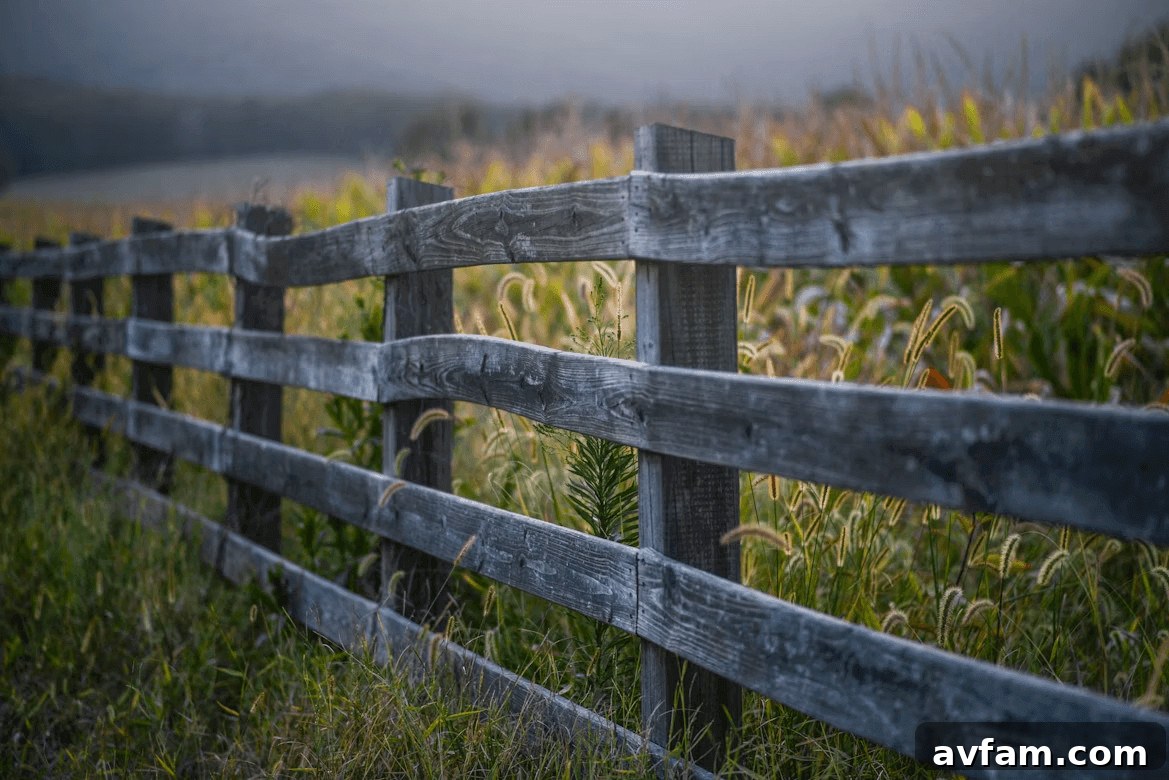
Average cost: $10–$25 per linear foot (installed)
Pros:
- Offers moderate privacy and security
- Can be painted or stained to match your home
- Timeless aesthetic
Cons:
- Needs regular maintenance to resist rot and weather
- Can be vulnerable to insect damage
- Typical lifespan ranges from 10 to 20 years depending on care and climate
3. Vinyl Fencing (Economy Options)
In recent years vinyl has become more affordable. Economy vinyl models deliver low-maintenance durability, making them attractive for homeowners who want long-term value.
Average cost: $15–$30 per linear foot (installed for basic models)
Pros:
- Durable and nearly maintenance-free
- Resistant to rot, pests, and weather
- Simple to clean
Cons:
- Higher initial cost than chain-link or basic wood
- Budget models may have limited color and style choices
- Lower-quality vinyl can crack in extreme temperatures
4. Composite Fencing (Budget-Friendly Versions)
Composite fencing blends recycled wood and plastic to mimic wood’s appearance while resisting moisture and decay. Entry-level composite products can be more affordable than premium boards while offering improved longevity.
Average cost: $20–$35 per linear foot (installed for economy models)
Pros:
- Resists moisture and insect damage
- Requires little maintenance
- Can resemble the look of real wood
Cons:
- Generally pricier than wood or chain-link
- Fewer color choices among lower-cost options
- Heavier panels can make installation longer and more involved
Factors That Affect Fence Costs
- Fence height — Taller fences need more material and labor.
- Property terrain — Sloped or uneven ground and obstacles increase installation complexity and cost.
- Gate installation — Adding gates, especially locked or automatic ones, raises the total expense.
- Material quality — Higher-grade materials cost more but typically last longer and require less upkeep.
- Labor rates — Local labor costs vary and influence final installation pricing.
Tips for Saving Money on Fencing
- Pick standard panel sizes to reduce custom cuts and labor time.
- Get multiple quotes from reputable local contractors to compare pricing and services.
- Choose chain-link or simple wood designs for the lowest upfront costs.
- Consider DIY installation if you have the skills and proper tools — it can cut labor expenses but increases time and effort.
- Buy materials in bulk when possible to lower the per-foot price.
Long-Term Considerations
Cheaper fencing can be tempting, but it’s important to weigh upfront savings against ongoing maintenance and lifespan. A longer-lasting material may cost more initially but save money over time.
| Fence Type | Lifespan | Maintenance |
| Chain-Link | 20–30 years | Occasional rust prevention |
| Wood | 10–20 years | Painting, staining, or sealing |
| Vinyl | 25–40 years | Minimal, periodic cleaning |
| Composite | 25–35 years | Low maintenance, occasional cleaning |
Selecting a fence with long-term durability in mind often leads to better value than choosing solely on the lowest initial price.
Conclusion
Affordable fencing choices for 2026 include chain-link, basic wood, budget vinyl, and entry-level composite options. The most economical choice depends on priorities such as security, privacy, appearance, and long-term maintenance.
By comparing materials, installation costs, and expected upkeep, homeowners can select an affordable fence that fits their property and budget while providing the performance they need.