
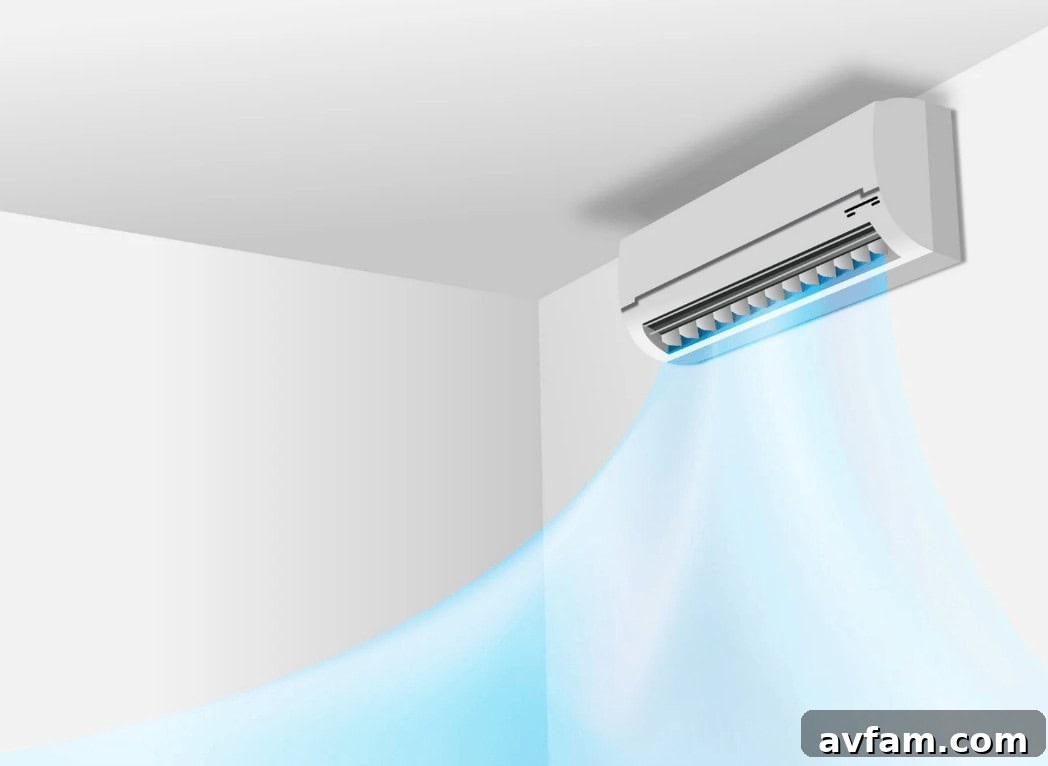
In the modern home, an efficient air conditioning system is more than just a luxury; it’s a necessity for maintaining a comfortable and healthy indoor environment, especially during the sweltering heat of summer. A well-functioning AC unit ensures that your living spaces remain cool, reducing humidity and improving overall air quality. This contributes significantly to your family’s comfort, productivity, and restful sleep.
However, like any complex mechanical system, an air conditioner requires consistent attention to perform at its best. Neglecting your AC can lead to decreased efficiency, unexpected breakdowns, and ultimately, costly repairs or premature replacement. This is why regular AC repair, installation, and maintenance are not just recommended, but absolutely essential for optimizing performance, improving energy efficiency, and significantly extending the lifespan of your cooling system. Understanding the nuances of each service empowers homeowners to make informed decisions that ensure year-round comfort and peace of mind.
AC Repair: Swift Solutions for Uninterrupted Comfort
Even the most robust air conditioning systems can encounter issues over time. Factors such as continuous operation, general wear and tear, electrical fluctuations, or even environmental debris can compromise performance. When your AC unit starts to falter – perhaps failing to cool effectively, emitting unusual sounds, or simply not performing as it should – it’s a clear signal that professional intervention is needed. Ignoring these warning signs can lead to more severe damage and expensive repairs down the line.
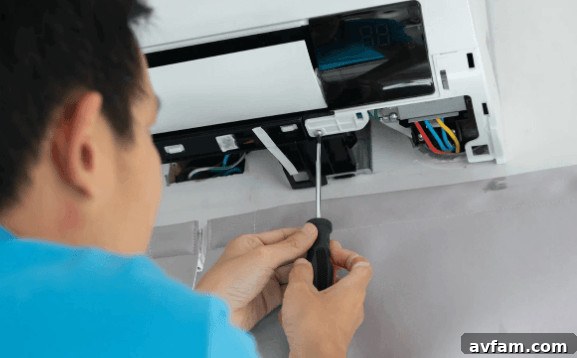
Prompt and professional AC repair services are crucial for quickly diagnosing and rectifying problems, restoring your system’s functionality without extensive downtime. Expert technicians possess the specialized tools and knowledge to pinpoint the root cause of an issue, whether it’s a faulty compressor, a malfunctioning fan motor, a refrigerant leak, or an electrical connection problem.
Common indicators that your air conditioning system is in need of repair include:
- Warm Air from Vents: If your AC is running but only blowing warm or lukewarm air, it often points to issues with the refrigerant levels, compressor, or clogged coils.
- Weak or Inconsistent Airflow: Reduced airflow can be caused by dirty air filters, blockages in the ductwork, or a failing fan motor, leading to uneven temperatures throughout your home.
- Strange Noises: Grinding, hissing, rattling, or squealing sounds often indicate mechanical problems such as loose parts, worn-out bearings, or issues with the fan or compressor.
- Unusual Odors: Musty smells can signal mold or mildew growth within the unit or ductwork, while a burning smell might indicate an electrical problem.
- Increased Humidity Indoors: A properly functioning AC unit not only cools but also dehumidifies. If your home feels excessively humid, the system may be struggling to perform this function.
- Higher Energy Bills: A sudden spike in electricity consumption without a corresponding increase in usage suggests your AC is working harder than it should to achieve desired temperatures, indicating inefficiency or an underlying problem.
- Water Leaks: Pooling water around your indoor unit can be a sign of a clogged condensate drain line or a frozen evaporator coil.
Addressing these issues promptly not only prevents further deterioration of your system but also significantly contributes to maintaining its energy efficiency and extending its operational life. Professional technicians will inspect all critical components, including the condenser, evaporator coils, fan motors, refrigerant lines, and electrical connections, ensuring every aspect of your system is in optimal condition.
Key Benefits of Timely AC Repair
- Restores Optimal Cooling Performance: Gets your system back to effectively cooling your home quickly.
- Prevents Escalation of Problems: Small issues are fixed before they develop into major, more expensive breakdowns.
- Enhances Energy Efficiency: Repairs eliminate inefficiencies, leading to lower energy consumption.
- Extends System Lifespan: Proactive repairs help preserve the integrity of your entire AC unit, making it last longer.
- Maintains Indoor Comfort: Ensures a consistent and comfortable temperature throughout your living spaces.
- Improves Indoor Air Quality: Addresses issues like mold growth or faulty filtration that can impact the air you breathe.
Never underestimate the value of professional AC repair. It’s an investment in your home’s comfort and your system’s longevity.
AC Installation: The Foundation of Reliable Cooling
While repairs can extend the life of an existing unit, there comes a point when repairing an older air conditioner is no longer the most economical or efficient option. This is particularly true if your unit is more than 10-15 years old, frequently breaks down, or consistently struggles to cool your home efficiently. In such scenarios, investing in a new AC installation becomes the most cost-effective and beneficial solution, offering significant improvements in comfort, reliability, and energy savings.
A new air conditioning system can dramatically transform your home’s cooling capabilities. Modern units are designed with advanced technologies that offer superior energy efficiency, quieter operation, and enhanced climate control features. However, the benefits of a new system are heavily dependent on a professional and precise installation process. Improper installation can negate the advantages of even the most advanced equipment, leading to reduced efficiency, premature failures, and higher energy bills.
Professional AC installation involves a meticulous, multi-step process to ensure your new system is perfectly matched to your home’s needs and installed to the highest standards:
1. Comprehensive System Evaluation and Sizing
The first critical step involves a thorough assessment of your home. A qualified technician will perform a detailed load calculation, taking into account factors such as your home’s square footage, ceiling height, insulation levels (walls, attic, windows), window types and orientation, local climate, and the number of occupants. This precise evaluation determines the exact cooling capacity (measured in tons) required for your space. An oversized unit will cycle on and off too frequently (short-cycling), leading to wasted energy and inadequate dehumidification, while an undersized unit will run constantly, struggling to cool the home effectively and wearing out quickly.
2. Proper Unit Selection and Technology
Based on the system evaluation, the technician will recommend suitable AC models. This involves selecting a unit with the appropriate tonnage and considering factors like the Seasonal Energy Efficiency Ratio (SEER), Energy Efficiency Ratio (EER), or SEER2 rating, which indicate the system’s energy efficiency. Higher ratings translate to lower operating costs. Homeowners can also explore options like variable-speed compressors, which offer more consistent temperatures and greater energy savings, and smart thermostat compatibility for enhanced control and scheduling.
3. Expert Installation Procedures
Once the ideal system is chosen, experienced HVAC technicians proceed with the installation. This typically involves removing the old unit, carefully positioning the new indoor (evaporator) and outdoor (condenser) units, making all necessary electrical connections in compliance with local codes, and installing or upgrading ductwork if required. Crucially, they ensure refrigerant lines are properly connected and sealed to prevent leaks, and that the system is charged with the correct amount of refrigerant. Attention to detail during this phase is paramount for optimal performance and safety.
4. Rigorous System Testing and Calibration
After physical installation, the system undergoes comprehensive testing. Technicians will power up the unit, verify proper airflow, measure refrigerant levels, check electrical connections, and calibrate the thermostat to ensure it accurately controls temperature. They will also confirm that the system cools efficiently and operates quietly, making any final adjustments to optimize performance. This final inspection guarantees that your new AC is ready to deliver reliable, energy-efficient comfort from day one.
Benefits of Installing a New AC System
- Superior Energy Efficiency: Modern AC units boast significantly higher SEER ratings, leading to substantial reductions in monthly electricity bills.
- Enhanced Cooling Performance: Experience consistent, powerful cooling throughout your entire home, even during peak summer temperatures.
- Reduced Operating Costs: Lower energy consumption combined with fewer repair needs translates to significant long-term savings.
- Quieter Operation: Newer models are engineered for much quieter performance, improving your indoor living experience.
- Improved Indoor Air Quality: Many new systems come with advanced filtration options that help remove allergens, dust, and pollutants from the air.
- Reliability and Peace of Mind: Enjoy years of trouble-free operation with a new system backed by manufacturer warranties.
- Environmentally Friendly: Newer units often use R-410A refrigerant, which is more environmentally benign than older refrigerants.
A professionally installed AC system is a long-term investment that provides unparalleled comfort and efficiency for many years to come.
AC Maintenance: Proactive Care for Peak Performance
Even a newly installed, high-efficiency air conditioning system requires ongoing care to maintain its optimal performance. Routine AC maintenance is arguably the most vital aspect of ensuring your cooling system operates efficiently, reliably, and safely throughout its lifespan. It acts as a preventative measure, identifying and addressing minor issues before they escalate into significant, costly breakdowns, often during the hottest days when you rely on your AC the most.
During a typical maintenance visit, certified HVAC technicians perform a comprehensive multi-point inspection, cleaning, and adjustment of key system components. This proactive approach ensures every part of your AC unit is working in harmony, maximizing efficiency and preventing unexpected failures.
Standard AC maintenance services typically include:
- Cleaning or Replacing Air Filters: Dirty filters restrict airflow, reduce efficiency, and degrade indoor air quality. Regular cleaning or replacement is essential.
- Cleaning Evaporator and Condenser Coils: Coils can accumulate dirt and debris, hindering heat exchange. Clean coils are vital for efficient cooling and lower energy bills.
- Checking Refrigerant Levels and Pressure: Low refrigerant indicates a leak, which reduces cooling capacity and energy efficiency. Technicians will inspect for leaks and ensure proper charge.
- Inspecting Electrical Connections and Components: Loose or corroded wiring can be a fire hazard and impair system operation. All electrical parts are checked for safety and functionality.
- Lubricating Moving Parts: Motors and bearings require lubrication to reduce friction, prevent wear, and ensure quiet operation.
- Testing Thermostat Performance: Ensuring the thermostat accurately reads temperature and controls the system is crucial for effective climate control.
- Checking Blower Motor and Fan Blades: These components are cleaned and inspected for proper function, ensuring optimal airflow throughout the ductwork.
- Inspecting and Clearing Condensate Drain Line: A clogged drain line can lead to water leaks, humidity issues, and potential water damage.
- Checking Ductwork for Leaks: Leaky ducts can waste a significant amount of cooled air, reducing efficiency.
- Assessing Overall System Operation: The technician will observe the system’s startup, operation, and shutdown cycles to identify any irregularities.
Comprehensive Benefits of Regular AC Maintenance
- Optimized System Efficiency: A well-maintained unit consumes less energy, directly translating to lower utility bills.
- Reduced Risk of Costly Repairs: Early detection of potential problems prevents them from turning into major, expensive breakdowns.
- Extended Equipment Lifespan: Regular tune-ups reduce wear and tear, helping your AC unit last longer.
- Consistent Cooling Performance: Ensures your system provides reliable and even cooling throughout your home.
- Improved Indoor Air Quality: Clean filters and coils help circulate cleaner, healthier air, free from allergens and pollutants.
- Compliance with Warranty Requirements: Many manufacturer warranties require proof of annual professional maintenance.
- Enhanced Safety: Electrical and refrigerant checks ensure the system operates safely, mitigating potential hazards.
HVAC professionals generally recommend scheduling AC maintenance at least once a year, ideally in the spring before the peak cooling season begins. For systems with heavy usage or in climates with extreme temperatures, semi-annual maintenance might be even more beneficial.
Ductless Mini-Split Systems: Flexible Cooling for Modern Lifestyles
Beyond traditional central air conditioning, homeowners increasingly seek versatile and energy-efficient cooling solutions. Ductless mini-split systems have emerged as a highly popular alternative, offering powerful, targeted cooling without the need for extensive ductwork. These innovative systems consist of an outdoor compressor/condenser unit connected to one or more indoor air-handling units via a small conduit that houses refrigerant lines, power cables, and a condensate drain.
Ductless mini-splits are exceptionally versatile and ideal for a wide range of applications:
- Homes Without Existing Ductwork: Perfect for older homes or structures where installing traditional ducts would be impractical, costly, or disruptive.
- Room Additions and Renovations: Provides independent cooling for new extensions, sunrooms, or converted attics and basements without overburdening the existing central system.
- Targeted Zone Control: Ideal for areas that require individual temperature regulation, such as home offices, bedrooms, or garages that are used as workshops.
- Supplementing Central AC: Can be used to address hot spots in a home where the central system struggles to maintain consistent temperatures.
- Multi-Zone Systems: A single outdoor unit can connect to multiple indoor units, each controlling a different zone with its own thermostat, offering unparalleled flexibility.
Distinct Advantages of Ductless Mini-Splits
- Exceptional Energy Efficiency: Many mini-splits utilize inverter technology, which allows the compressor to vary its speed, leading to precise temperature control and significantly lower energy consumption compared to conventional systems. This zoned approach means you only cool the areas you’re using.
- Simple and Non-Invasive Installation: Installation is far less complex and disruptive than traditional ducted systems, requiring only a small hole in the wall to connect the indoor and outdoor units.
- Zoned Cooling and Heating: Each indoor unit can be controlled independently, allowing occupants to set different temperatures in different rooms based on their preferences and usage patterns. Many models also offer efficient heating capabilities.
- Quiet Operation: Indoor units operate very quietly, often comparable to a soft whisper, making them ideal for bedrooms and living areas.
- Improved Indoor Air Quality: Many ductless units come with multi-stage filtration systems that effectively remove allergens, dust, and other airborne particles, enhancing air purity.
- Aesthetically Pleasing Options: Indoor units are available in various styles (wall-mounted, floor-standing, ceiling-recessed) to blend seamlessly with your home décor.
These systems offer a highly flexible, efficient, and discreet solution for homeowners seeking customized comfort control and reduced energy waste.
Critical Signs Your Air Conditioner Needs Professional Service
Being attentive to the subtle and not-so-subtle cues your air conditioner provides can save you from significant discomfort and expense. While some issues might seem minor, they can quickly escalate into major problems if left unaddressed. Understanding these warning signs is the first step in proactive home maintenance and ensuring your comfort throughout the seasons.
Here are crucial indicators that your air conditioner is signaling a need for professional attention:
- The AC Runs Constantly But Fails to Cool: This “running but not cooling” symptom often indicates a severe issue such as low refrigerant, a failing compressor, or a blocked condenser coil. Your system is expending energy without delivering the desired results.
- Uneven Temperatures Between Rooms: If some rooms are freezing while others remain warm, it could point to poor airflow distribution, leaky ductwork, a clogged filter, or an improperly sized system.
- Frequent System Cycling On and Off (Short-Cycling): An AC unit that cycles on and off too frequently is typically inefficient and can be caused by an oversized unit, a faulty thermostat, low refrigerant, or electrical issues. This puts undue stress on the compressor.
- Unusual Noises or Vibrations: Beyond the normal hum, any grinding, squealing, banging, hissing, or rattling sounds are red flags. These noises often indicate loose or broken components, motor problems, or refrigerant leaks. Excessive vibration is also a cause for concern.
- Sudden and Unexplained Increases in Electricity Bills: If your energy consumption spikes without changes in usage, your AC is likely operating inefficiently due to a malfunction, dirty components, or a refrigerant leak.
- Pungent or Burning Odors: A burning smell could indicate an electrical problem like overheated wiring or a motor issue. Musty smells suggest mold or mildew growth within the system or ductwork, impacting indoor air quality.
- Icing on the Coils or Refrigerant Lines: Ice formation usually points to insufficient airflow (due to a dirty filter or blocked coil) or a low refrigerant charge. This can lead to significant system damage if not resolved.
- Water Leaks or Excessive Condensation: Puddles around your indoor unit could signify a clogged condensate drain line, a cracked drain pan, or a frozen evaporator coil that is now melting.
If you observe any of these issues, it is imperative to contact a qualified HVAC professional promptly. Delaying service can exacerbate the problem, leading to more extensive damage, higher repair costs, and prolonged periods of discomfort.
Why Professional HVAC Services Are Indispensable
While homeowners can perform basic tasks like regularly changing air filters, the complexities of modern air conditioning systems mean that most repairs, installations, and comprehensive maintenance tasks require specialized expertise. Attempting DIY repairs on intricate components can be dangerous, potentially cause further damage, void warranties, and lead to more expensive professional interventions down the line.
Hiring certified HVAC professionals for your AC needs offers invaluable advantages:
- Accurate System Diagnostics: Professionals utilize advanced diagnostic tools to precisely identify the root cause of an issue, preventing guesswork and ensuring effective repairs.
- Specialized Training and Certification: HVAC technicians undergo rigorous training and often hold certifications (such as NATE – North American Technician Excellence), demonstrating their comprehensive knowledge of system design, repair, and safety protocols.
- Safe Handling of Refrigerants and Electrical Systems: AC units contain refrigerants that must be handled with care to prevent environmental harm and ensure personal safety. Electrical components also pose significant hazards if mishandled. Professionals have the necessary licenses and equipment to perform these tasks safely and legally.
- Proper Installation Techniques: Correct installation is crucial for efficiency and longevity. Professionals ensure proper sizing, precise connections, adequate airflow, and adherence to all local building codes and manufacturer specifications.
- Access to High-Quality Parts and Equipment: Reputable HVAC companies have access to genuine, high-quality replacement parts, ensuring the durability and compatibility of repairs.
- Warranty Preservation: Professional installation and maintenance often keep manufacturer warranties valid, protecting your investment. DIY repairs, conversely, can void these warranties.
- Long-Term System Reliability and Efficiency: Expert service optimizes your system’s performance, leading to greater energy efficiency, fewer breakdowns, and a longer operational life.
- Emergency Services and Peace of Mind: Many HVAC companies offer 24/7 emergency services, providing reassurance that help is available whenever critical issues arise.
Professional HVAC service is an investment in your home’s comfort, safety, and the longevity of your cooling system. Choosing a reputable and experienced provider ensures that your air conditioner receives the best possible care, delivering consistent performance for years to come.
Conclusion: Investing in Year-Round Comfort and Efficiency
Air conditioning systems are fundamental to maintaining a comfortable, healthy, and productive home environment, especially during extreme weather conditions. The trifecta of proper AC repair, installation, and maintenance forms the cornerstone of a reliable, efficient, and long-lasting cooling system. Understanding and prioritizing these services is not just about momentary comfort; it’s about making a strategic investment in your home’s infrastructure and your family’s well-being.
Timely and expert repairs are crucial for nipping small issues in the bud, preventing them from escalating into major, budget-draining malfunctions. Professional installation ensures that your new system is perfectly matched to your home’s unique needs, guaranteeing optimal performance and energy efficiency from day one. And consistent, routine maintenance acts as the ultimate preventative measure, safeguarding your investment by extending the lifespan of your unit, reducing operating costs, and ensuring consistent, reliable cooling performance year after year.
Whether you’re contending with a sudden breakdown, considering an upgrade to a more energy-efficient model, or simply scheduling your annual tune-up, partnering with experienced and certified HVAC professionals is the key to achieving the best possible results. Their expertise ensures not only the effective operation of your air conditioning system but also compliance with safety standards and the preservation of your valuable warranties.
With the right blend of proactive care and expert attention, your air conditioner will continue to provide dependable cooling and unwavering comfort, creating an ideal indoor sanctuary for you and your loved ones for many seasons to come.
Frequently Asked Questions (FAQs) About AC Services
What is the fundamental difference between AC repair, installation, and maintenance?
AC repair focuses on diagnosing and fixing existing problems when your system is malfunctioning or has stopped working, restoring its functionality. AC installation involves the complete setup of a new air conditioning unit in your home, which includes sizing, placement, electrical connections, and system testing. AC maintenance, on the other hand, is a proactive service comprising routine inspections, cleaning, and adjustments designed to prevent future issues, optimize performance, and extend the lifespan of your system.
How frequently should an air conditioner undergo professional servicing?
Most HVAC experts recommend professional maintenance for your air conditioner at least once a year. The ideal time is in the spring, before the peak summer cooling season begins, to ensure it’s ready for heavy use. However, for systems in areas with extreme temperatures, or those subject to heavy usage, semi-annual maintenance (e.g., spring and fall) can provide even greater benefits, ensuring better performance and improved energy efficiency throughout the year.
What are the primary benefits of committing to regular AC maintenance?
Regular AC maintenance offers a multitude of benefits that collectively protect your investment and enhance your home comfort. These include significantly improving energy efficiency, which leads to lower monthly utility bills; substantially reducing the likelihood of unexpected and costly repairs by catching minor issues early; preventing sudden system breakdowns, especially during critical periods; extending the overall lifespan of your AC unit; and maintaining consistent, high-quality cooling performance and indoor air quality throughout your home.
Under what circumstances should I consider replacing my air conditioner instead of merely repairing it?
The decision to repair or replace often depends on several key factors. If your air conditioner is more than 10 to 15 years old, frequently requires expensive repairs, or consistently causes disproportionately high energy bills despite maintenance, replacing it with a new, energy-efficient model is generally the more cost-effective long-term solution. Other factors include the cost of the repair (if it’s more than 50% of the cost of a new unit) and the availability of replacement parts for older models.
Can upgrading to a new AC system genuinely lead to a reduction in electricity bills?
Absolutely, yes. Modern air conditioning systems are engineered with significant advancements in energy efficiency compared to older models. They feature higher Seasonal Energy Efficiency Ratio (SEER) ratings, often incorporate variable-speed technology, and utilize more efficient refrigerants. Installing a new, appropriately sized, and professionally installed unit can dramatically reduce your electricity consumption, translating into substantial monthly savings on your energy bills and a smaller carbon footprint.