
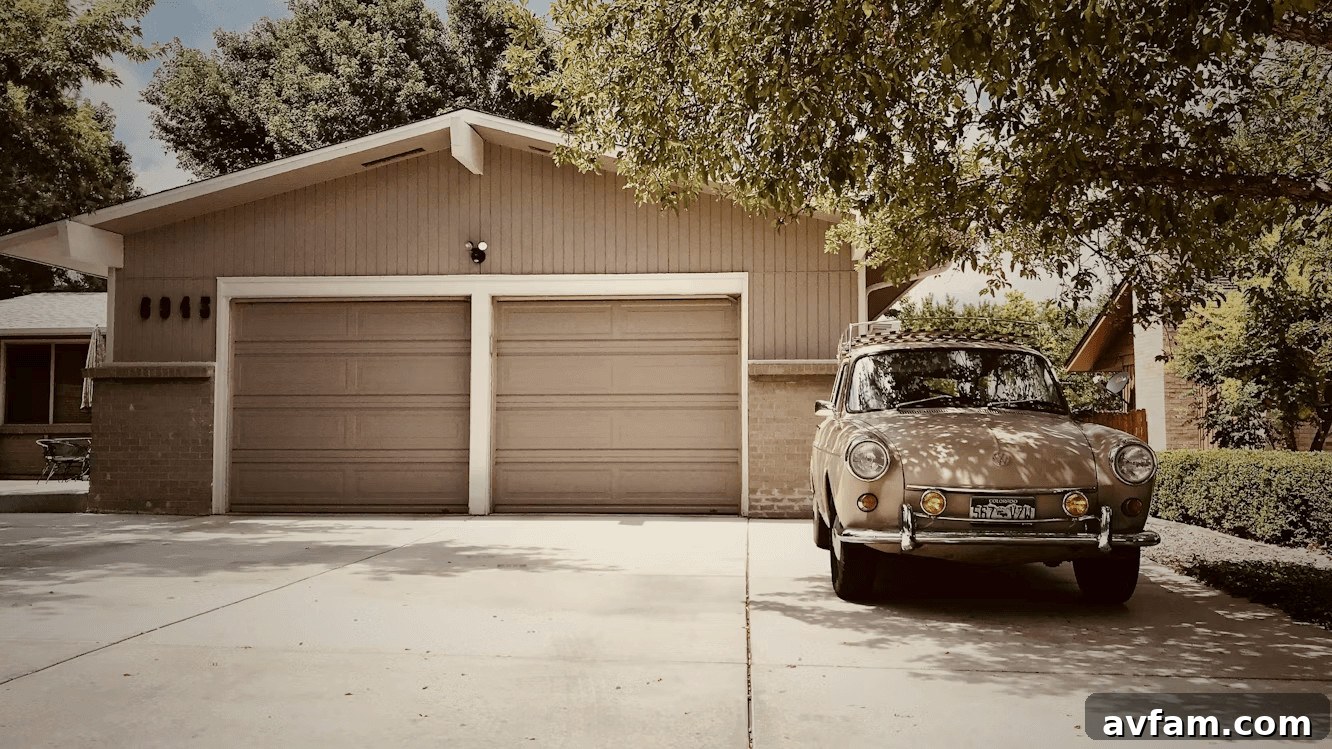
Most people packing up a home follow a familiar sequence: bedrooms first, then the kitchen, the living room, and finally whatever is left. The garage often gets pushed to the end of the list because it feels like a problem for later. In coastal households, however, the garage is usually the area that takes the longest to clear, costs the most to move, and produces the biggest surprises on moving day.
The reason is straightforward. Homes near the water collect gear and equipment that inland houses rarely accumulate in the same volume. Paddleboards, kayaks, surfboards, bicycles, beach carts, coolers, folding chairs, umbrellas, fishing rods, crab pots, patio furniture, and grills that haven’t been cleaned in months all share the same space. None of these items fits neatly into a standard box, most are awkward to lift and carry, and many are coated with salt and sand that require special attention before transport.
Start with the gear that needs to be rinsed and dried
Saltwater and sand are corrosive. Metal components—bike chains, fishing reels, cooler hinges, chair frames, umbrella poles—can rust quickly if they are packed damp or left sealed in a container. Fabrics exposed to salt and moisture may develop mildew and odors if they are put into moving boxes before they are completely dry. To avoid these problems, set aside time to rinse any salt-exposed items with freshwater and let them dry thoroughly for at least a full day before wrapping them for transport.
Grills deserve special attention: clean grease from the grates and interior, disconnect and remove propane tanks (which cannot be transported on a moving truck), and secure any detachable parts. Do this several days to a week before the move rather than the night before. Wet or salty gear packed tightly is one of the most common causes of post-move complaints—odors, rust, and damaged fabrics—and it is entirely avoidable with a little planning.
Measure the long items before anyone quotes the job
Oversized items change the shape of a moving load in ways that simple room counts do not capture. A twelve-foot paddleboard, a pair of kayaks, and oversized patio furniture require dedicated space and a loading plan. Long and awkward pieces can’t just be fitted around boxes at the last minute; they need to be planned into the truck layout. If a moving crew arrives without knowing about these items, they may find themselves short on usable space or lacking the right equipment to secure them properly.
When requesting an estimate, list oversized pieces separately and include their dimensions and any special handling needs. A mover who receives this information in advance can plan the load, bring appropriate straps, dollies, or racks, and allocate the correct amount of truck space. Discovering several boards or a kayak rack on move morning often costs extra time and money for everyone involved.
Decide what is actually coming with you
Coastal garages often contain equipment used infrequently—seasonal items or things that haven’t been used in years. Moving these items is not free: hourly movers charge for trips to and from the truck, and every extra item extends loading time. Before move week, take an honest inventory and decide what you will take, what can be given away, and what needs to be discarded.
Sort belongings into three piles well ahead of moving day: keep, donate or sell, and dispose. Local outdoor outfitters, secondhand shops, community donation centers, and neighborhood groups often accept usable gear, especially heading into a season when demand is higher. Scheduling a bulk pickup for truly unwanted items is helpful, but those municipal or private services fill up quickly, so book early to avoid last-minute headaches.
Handle the things that cannot go on the truck
Many households are surprised to learn that certain items are prohibited from moving trucks. Propane tanks, gasoline for lawnmowers or generators, charcoal lighter fluid, pool or garden chemicals, paint thinner, batteries with acid, and other flammable or corrosive substances cannot be loaded and transported. Car batteries and partly filled fuel cans are also commonly refused.
Plan for these materials separately. Use up consumables where possible before the move. For the rest, find a local household hazardous waste collection site or an authorized disposal facility and arrange drop-off in advance. When you book your movers, ask for their list of refused items so you know exactly what must be handled independently; policies vary by company and state, and it is easier to address these items well before moving day.
The payoff
Treating a coastal garage as a priority rather than an afterthought pays off in time saved, fewer surprises, and lower costs. A garage cleared and organized two weeks before the move becomes a routine part of the packing process. A garage left until the last hour often becomes the reason the crew is still working into the night.
Households that finish on schedule are almost always the ones that handled their garage early: they rinsed and dried salty gear, measured oversized items, sorted what they truly needed to move, and removed prohibited materials in advance. With these steps taken, move day runs smoother, equipment arrives at the new home in better condition, and the transition from one coastal property to the next is far less stressful.