
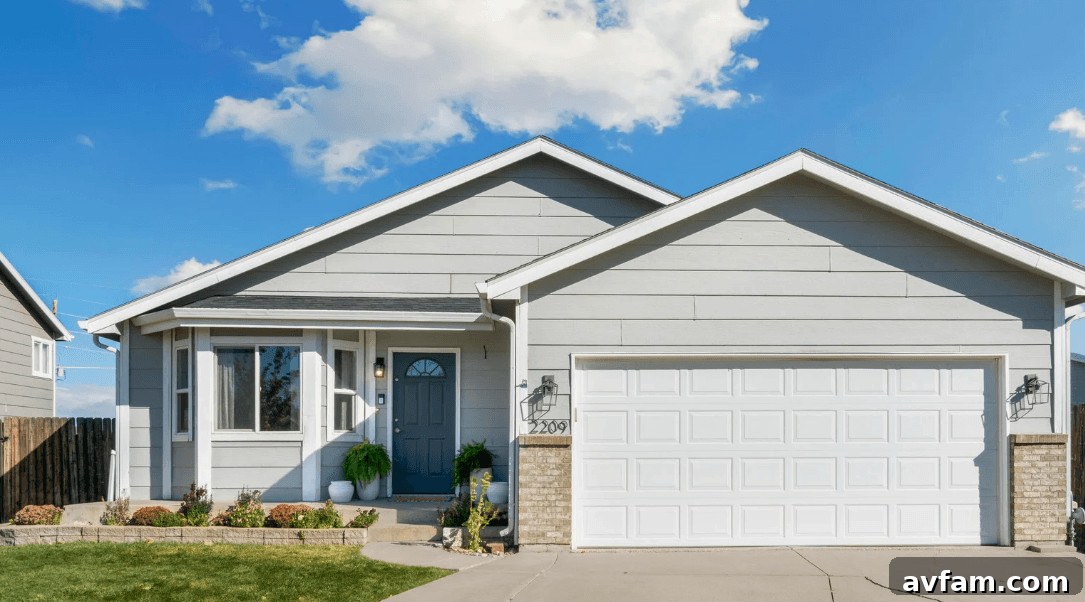
A garage door may appear to be a simple part of a home, but it depends on a coordinated system of springs, tracks, rollers, seals, cables, sensors, and electrical components. Temperature shifts and severe weather can affect those parts in different and surprising ways.
Homeowners seeking garage door repair in central ohio will often find that problems aren’t just the result of age or routine wear. Heat, cold, moisture, wind, and changing humidity all influence how smoothly and safely a garage door operates.
Knowing how weather affects a garage door makes it easier to spot developing issues before the door becomes hard to use. Regular seasonal maintenance reduces unnecessary strain on components and extends the life of the whole system.
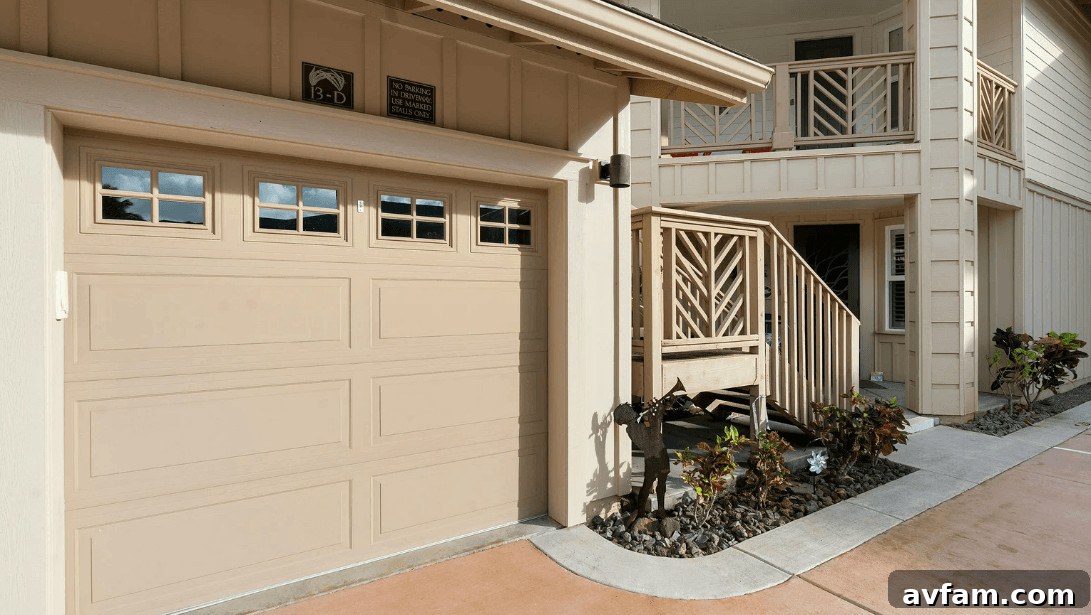
Cold Weather Can Make Moving Parts Less Cooperative
Cold weather often reveals weak points in a garage door system, especially when several metal parts must move together with precise alignment. Metal contracts slightly as temperatures drop, and that contraction—though small—can change tensions in springs, slightly alter alignments in tracks and hinges, and magnify the effects of existing wear.
A door that worked smoothly in warm months may begin moving more slowly, making unusual noises, or demanding extra effort from the opener during cold spells. Lubricants can thicken in low temperatures, further slowing rollers, hinges, and springs if they are not properly maintained. This can cause squeaking, grinding, or jerky motion.
Weather seals at the bottom of the door can also become a problem when moisture freezes. Water trapped along the threshold can freeze the seal to the driveway or garage floor. Trying to force a frozen door open can strain or damage the opener and the seal, so it’s best to check for ice and clear it before repeatedly engaging the opener.
Summer Heat Puts Different Stress on the System
High temperatures bring another set of challenges, particularly when a garage faces strong afternoon sun. Materials expand when heated, so metal tracks and hardware may change dimension slightly. A properly installed system allows for normal seasonal movement, but existing alignment problems can become more noticeable in extreme heat, causing rollers to rub or movement to feel less smooth.
Opener electronics are vulnerable to overheating inside a garage that becomes much hotter than shaded outdoor spaces, especially if ventilation is limited. Consistent high temperatures can stress electronic components and shorten their lifespan.
Wood doors are particularly sensitive to heat and dryness, which can cause shrinking, cracking, or warping over time. Maintaining finishes and protecting wood from prolonged direct sun will reduce these risks. Even the color of a door matters: darker colors absorb more heat and may expand more on hot days than lighter colors.
Rain and Humidity Encourage Corrosion
Water is one of the most persistent threats to garage door hardware. Occasional rain is expected, but frequent exposure to moisture and high humidity accelerates rust on springs, cables, fasteners, and tracks. Rust rarely causes instant failure; it develops gradually and can weaken parts or interfere with smooth movement if left unaddressed.
Humidity alone can be damaging because damp air leads to condensation on metal parts when indoor and outdoor temperatures differ. Keeping the garage dry and replacing damaged weather stripping reduces moisture intrusion. Good drainage around the garage prevents standing water at the door bottom, which can harm seals and increase exposure to corrosion over time.
Strong Winds Test Structural Strength
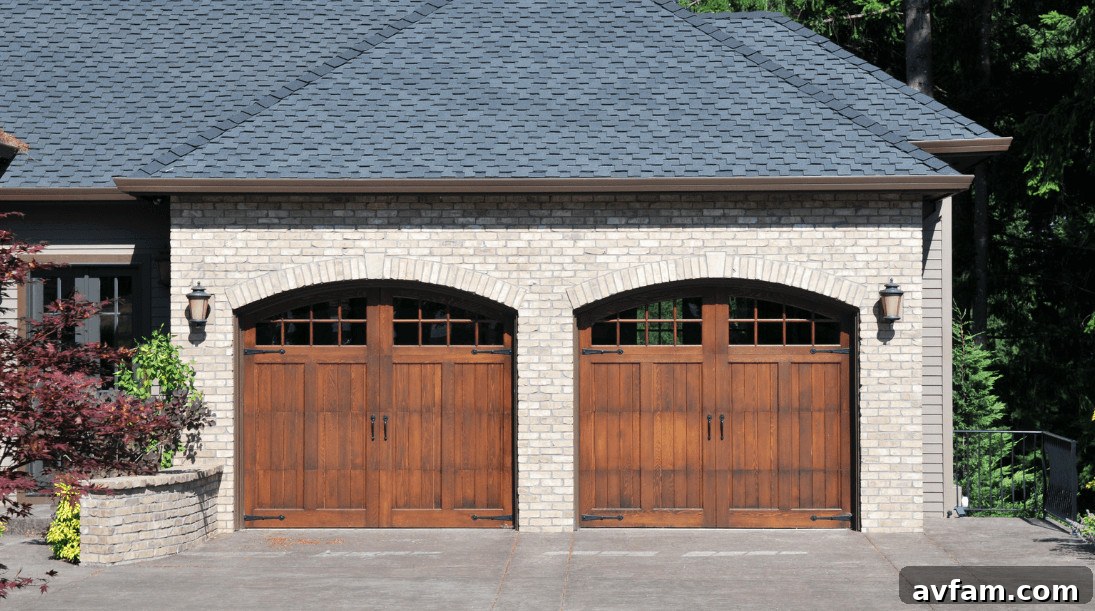
Garage doors cover one of the largest openings in many homes, so strong winds can exert substantial pressure on panels, tracks, hinges, brackets, and other supporting hardware. During severe storms, wind pressure can reveal loose or damaged components quickly.
A door should remain fully closed during high-wind events; leaving it partially open increases pressure and the chance of damage. After storms, inspect the exterior for bent panels, loose hardware, damaged seals, or uneven gaps. If the door appears distorted or no longer moves normally, avoid operating it until a qualified inspection is completed, since further use can worsen damage.
Storm debris is also a concern: branches, outdoor furniture, and other objects striking the door can dent panels and disrupt alignment even when damage looks cosmetic.
Rapid Temperature Swings Reveal Hidden Issues
Frequent shifts between warm and cold conditions create repeated expansion and contraction that gradually loosens fasteners, wears seals, and alters alignment. Components nearing the end of their service life are more likely to show symptoms during rapid temperature changes.
Many homeowners notice performance differences by time of day: the door may operate smoothly in the cool morning but become noisy after hours of sun; in winter, it may be smooth by day and sluggish overnight. Tracking when problems occur helps determine whether temperature, humidity, or another environmental factor is to blame.
Weather Stripping Plays a Bigger Role Than It Seems
Weather stripping does more than keep out leaves and rain—it creates a barrier that moderates the interior environment. Damaged bottom seals let in cold or hot air, water, dust, and insects. Side and top seals also degrade from sunlight exposure and temperature cycling.
Inspect seals several times a year. Cracks, brittleness, missing sections, or visible daylight around a closed door indicate the need for replacement. Good seals help stabilize garage temperatures, which benefits attached living spaces and protects stored items and equipment.
Seasonal Maintenance Prevents Bigger Surprises
Weather can’t be controlled, but many of its effects on a garage door can be managed. Regular inspections make it easier to spot small changes before they become major mechanical issues. Check rollers, tracks, visible hardware, weather seals, and overall door movement periodically. Use appropriate garage door lubricant on moving parts and keep tracks clear of debris.
Listen for new rattling, scraping, popping, or grinding noises. Those sounds are early warnings that something has changed, even if the door still opens. High-tension parts such as springs and cables store significant energy and can cause serious injury if handled incorrectly; repairs involving these components are best left to trained technicians.
A Little Weather Awareness Goes a Long Way
Garage doors face the elements daily, so seasonal change is inevitable: cold stiffens movement, heat increases expansion, moisture promotes corrosion, and wind tests structure. Over time, repeated exposure adds up, but mindful observation and routine maintenance make a big difference.
Pay attention to how the door behaves across seasons. Timely maintenance, intact weather seals, and professional inspections when needed keep the system operating more reliably, protect components from avoidable wear, and reduce the risk of unexpected failures.