
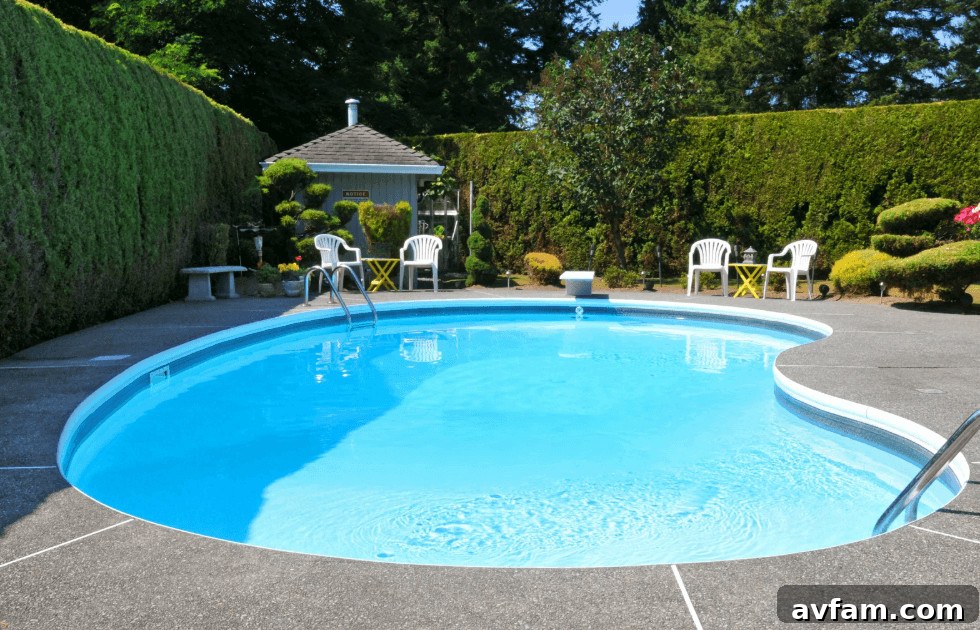
Opening a swimming pool after winter involves more than just removing the cover and restarting the pump. A careful, systematic opening protects equipment, ensures water is safe for swimmers, and lowers the risk of costly repairs later in the season. Property managers and homeowners alike benefit from a clear checklist that covers inspection, cleaning, equipment checks, water balancing, and safety verification.
(photo credit: Microsoft Stock Images)
Start With a Careful Inspection
Before you remove the pool cover, walk the surrounding area and look for anything that could pose a hazard. Fallen branches, loose fence panels, damaged gates, uneven decking, or unstable handrails should be noted and repaired before the pool is used.
Inspect the cover itself for standing water, tears, missing anchors, or other damage. If the cover requires repair or replacement, address this before storing it for the season to avoid further deterioration.
Once the cover is removed, examine the pool edge, coping, and deck for cracks or settling. Catching structural issues early makes repairs simpler and less expensive than fixing problems once the pool reaches peak use.
Clean the Pool Before Starting Equipment
Winter debris like leaves, twigs, and dirt tends to accumulate in the pool. Remove as much of this material as possible with a leaf net before starting the filtration system to prevent clogs and strain on the pump.
Brush the walls, steps, and floor to dislodge algae and built-up grime that developed during the off-season. Vacuum the pool afterward to collect loosened debris so it won’t overwhelm the filter when circulation begins.
Cleaning manually prior to equipment startup reduces wear on pumps and filters and speeds up water clarification during the opening process.
Inspect the Pool Equipment
Give the equipment pad a thorough review: pumps, filters, heaters, valves, and visible plumbing should be checked for damage. Look for cracked fittings, leaks, damaged seals, frayed wiring, rodent nests, and any signs of corrosion.
Clean skimmer baskets and pump baskets before restarting the system, and replace filter media or cartridges if they are worn or contaminated. Ensure all unions and fittings are snug and that electrical connections are secure and properly protected.
When you restore power, monitor the system closely for the first several minutes. Listen for unusual noises, watch for vibrations, check pressure gauges on filters, and look for any evidence of leakage.
Test and Balance the Water
Water chemistry is critical to a successful pool opening. Use a reliable test kit to check pH, free chlorine, total alkalinity, calcium hardness, and cyanuric acid (stabilizer). Adjust levels gradually and avoid adding multiple chemicals at once.
If the water is cloudy or green, you may need extra shock treatment, algaecide, or clarifying chemicals and extended filtration to restore clarity. Running the filter continuously for 24–48 hours after initial chemical adjustments helps stabilize water quality.
Keep written records of each test and treatment; tracking results makes it easier to maintain balanced water throughout the season and to troubleshoot recurring issues.
Check Safety Features Before the First Swim
Safety measures must be confirmed before the pool is used. Test gates, latches, and self-closing mechanisms, and verify that pool alarms, safety covers, ladders, handrails, and rescue equipment are intact and functioning.
Inspect deck surfaces for algae or slippery spots and clean or pressure-wash as needed. If children will use the pool, review household pool rules, emergency procedures, and supervision expectations with all family members or guests.
Create a Maintenance Schedule Early
Consistency prevents most common pool problems. Establish a regular maintenance routine that includes weekly testing and adjustments, skimming, brushing, vacuuming, and cleaning baskets. Monthly equipment checks help catch worn parts before they fail.
Put tasks on a calendar or maintenance app so they don’t get overlooked during vacations or busy periods. A well-documented schedule supports predictable water quality and reliable equipment operation throughout the swimming season.
Choosing Quality Pool Products
Select reputable chemicals and supplies to maintain stable water chemistry and protect equipment. Follow label directions for dosing and storage, and keep chemicals in a cool, dry, well-ventilated area away from children and pets.
For managers of multiple pools, buying commercial-grade products from trusted suppliers often provides consistent results and cost savings. Homeowners should apply the same standards when selecting chlorine, alkalinity adjusters, stabilizers, and replacement parts.
Practical Steps to Make Pool Opening Easier
Preparing for pool season starts at closing time. Inspect and clean the cover before storing it so repairs can be made ahead of the next opening. Maintain a simple checklist for each opening task and keep spare parts on hand—items like O-rings, pump basket lids, test strips, and common filter components save time and prevent delays.
Don’t rush the process. Spending extra time on inspection, cleaning, and testing at the outset prevents larger issues later and helps ensure the pool is safe, clean, and enjoyable from day one.
Following a clear, methodical opening plan—inspection, thorough cleaning, equipment checks, water balancing, safety verification, and a routine maintenance schedule—creates a reliable foundation for the entire swimming season. Set aside enough time to complete these steps carefully for a trouble-free opening.
Infographic Embed Code: