

A backyard should stay a welcoming space for relaxing, gardening, entertaining, and enjoying fresh air at every stage of life. As homeowners age, however, some landscape features can become harder to manage or even hazardous. Uneven walkways, inadequate lighting, steep slopes, and high-maintenance plantings may increase the chance of falls or make routine outdoor tasks more physically demanding.
Thoughtful planning lets homeowners create an outdoor environment that is comfortable, safe, and easier to maintain. Many improvements are affordable and can be completed gradually. Making these adjustments before they become necessary helps preserve independence and encourages continued use of the yard for years to come.
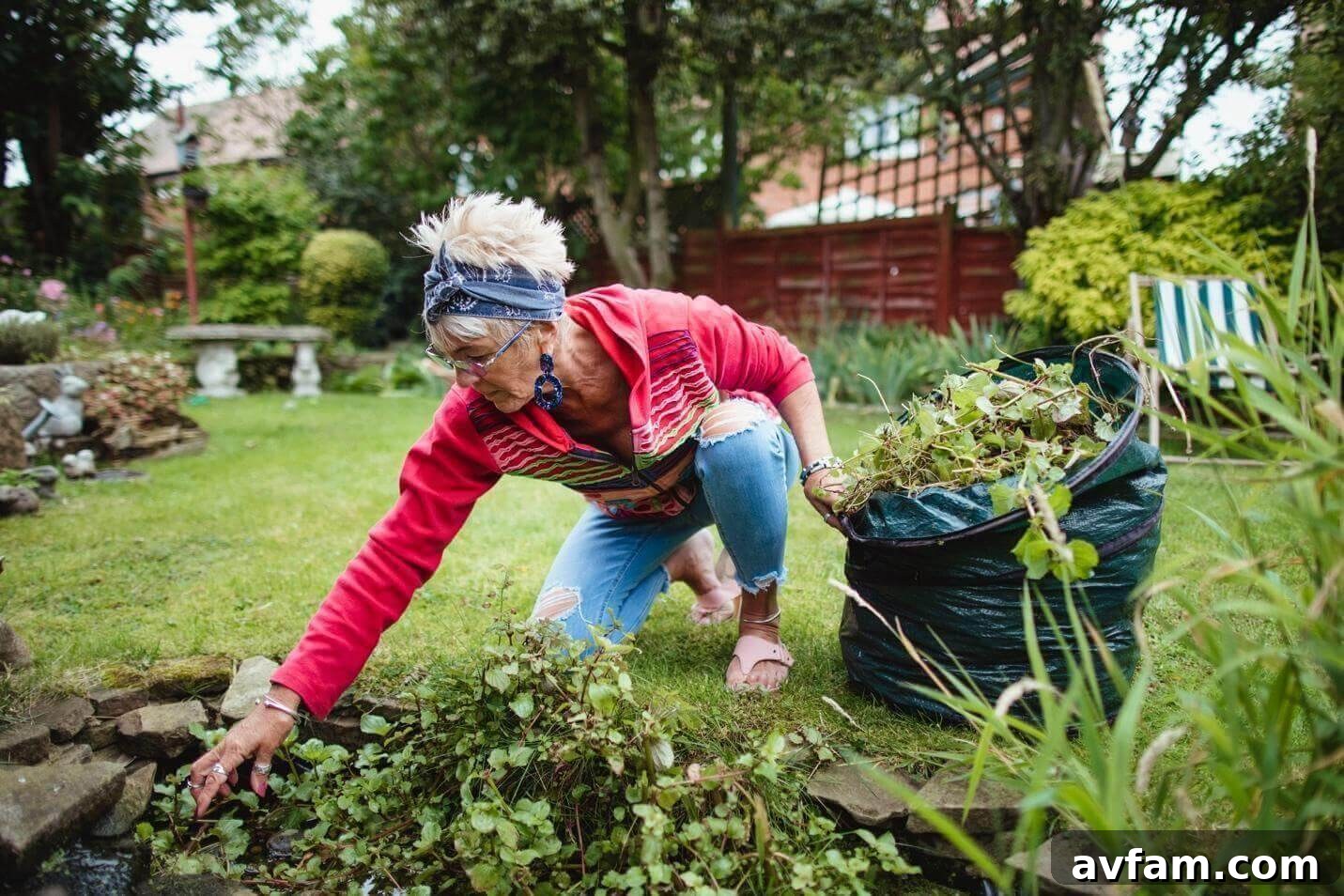
(photo credit: Microsoft Stock Images)
Start With Safe Walking Surfaces
Begin by evaluating every path people use to move around the yard. Walkways should provide stable, level footing to reduce the risk of tripping. Cracked concrete, loose pavers, exposed tree roots, and uneven stepping stones should be repaired or replaced before they cause problems.
Paths should be wide enough for comfortable movement and kept clear of obstacles such as hoses, pots, or tools. If you regularly carry supplies or push a cart, smooth, continuous surfaces make those tasks easier. When elevation changes are present, gradual ramps are usually simpler to navigate than stairs; where stairs are necessary, install sturdy handrails on both sides for added support.
Improve Outdoor Lighting
Effective lighting dramatically reduces accidents after dark by increasing visibility along walkways, patios, and entry points. Install evenly spaced lighting along primary routes, near steps, and around deck edges. Motion-activated fixtures deliver light when needed and can help conserve energy when the yard is not in use.
Pay attention to areas where shrubs or structures create shadows; trimming plants that block light and promptly replacing burned-out bulbs keeps visibility consistent. Consider a mix of low-level path lighting and brighter task lighting near seating areas or workspaces to balance safety and ambiance.
Reduce High-Maintenance Landscaping
A beautiful yard need not demand constant upkeep. Simplifying plantings and hardscape can significantly reduce physical strain and ongoing chores. Replace portions of lawn with mulch, decorative stone, or native, drought-tolerant plants to cut down on mowing and watering.
Choose shrubs and perennials that hold their shape and require minimal pruning. Raised garden beds reduce bending and kneeling while keeping herbs, vegetables, and flowers within easy reach. Group plants with similar water and light needs to simplify irrigation and seasonal care.
Make Outdoor Living Areas More Comfortable
Well-designed patios, decks, and seating areas encourage more time spent outdoors. Select comfortable, supportive furniture and arrange seating to allow easy movement without crossing trip-prone zones. Provide shaded areas—using pergolas, umbrellas, or mature trees—to reduce heat during warm months.
Where electricity is accessible, small comforts such as fans, task lighting, or heated seating can extend the usability of outdoor spaces. Sturdy storage solutions like benches with compartments or weather-resistant cabinets help keep cushions, tools, and supplies organized, reducing clutter that could cause falls.
Evaluate Water Features Carefully
Water elements such as pools, ponds, and fountains add beauty but require careful maintenance and safety planning. Pool decks should use slip-resistant surfaces and be regularly cleared of algae, leaves, and standing water. Gates and fencing should operate smoothly and be kept secure, and handrails should be stable and easy to grip.
Consistent maintenance preserves both safety and enjoyment. Consider professional help for regular pool care to ensure proper chemical balance and equipment performance. For ponds and decorative water features, keep edges well-defined and free of slippery growth to minimize hazards.
Plan for Easier Yard Maintenance
As chores become more physically demanding, plan updates that reduce routine effort. Battery-powered lawn tools are usually lighter and quieter than older gas models, while automatic irrigation systems cut down on manual watering and hose handling. Drip irrigation delivers water efficiently to plant roots and lowers overall water use.
Use materials that require less upkeep: composite decking, sealed concrete, and durable patio pavers need less seasonal care than natural wood or delicate surfaces. Choosing low-maintenance finishes and furnishings lets homeowners spend more time enjoying the yard and less time maintaining it.
Practical Steps You Can Take This Season
Improving backyard safety does not have to mean a major renovation. Small, strategic changes made over a few seasons often deliver the greatest long-term benefit. Start with a walk-through of your yard and note places where someone might trip, slip, or strain while moving.
Make a prioritized list of repairs and upgrades: fix uneven pavement, secure loose handrails, add or repair lighting, remove or replace plants that obscure walkways, and add mulch or groundcover to reduce erosion and weeds. Focus first on projects that enhance both safety and convenience.
Think about how you use your outdoor space now and how your needs may shift in the future. Planning for accessibility and lower maintenance today can prevent costly retrofits later and help ensure the backyard remains an enjoyable extension of your home for years to come.
A safe, accessible backyard supports independence and peace of mind. By addressing walking surfaces, lighting, plant choices, comfortable gathering spaces, and ongoing upkeep, you can create an outdoor environment that is welcoming at every age. Start with one small improvement this month—repair a walkway, install a light, or add a raised bed—and build from there.
Infographic: