
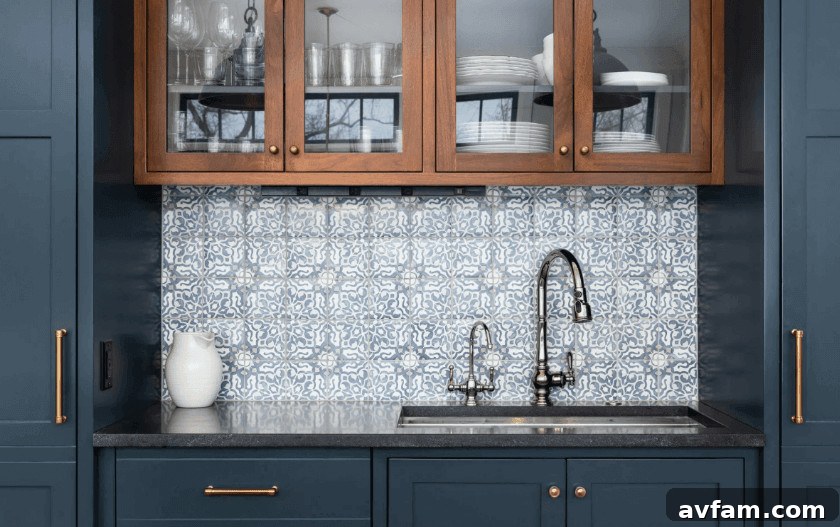
Kitchen cabinets occupy more visual space than almost anything else in the room, so when they look dated, the whole kitchen feels worn out. The good news is you rarely need a full gut renovation to achieve a fresh, modern appearance. With thoughtful choices and some planning, you can dramatically update your cabinets for a fraction of the cost and disruption of full replacement. This guide explains how to assess your situation, choose the right approach, and focus on the changes that deliver the biggest impact.
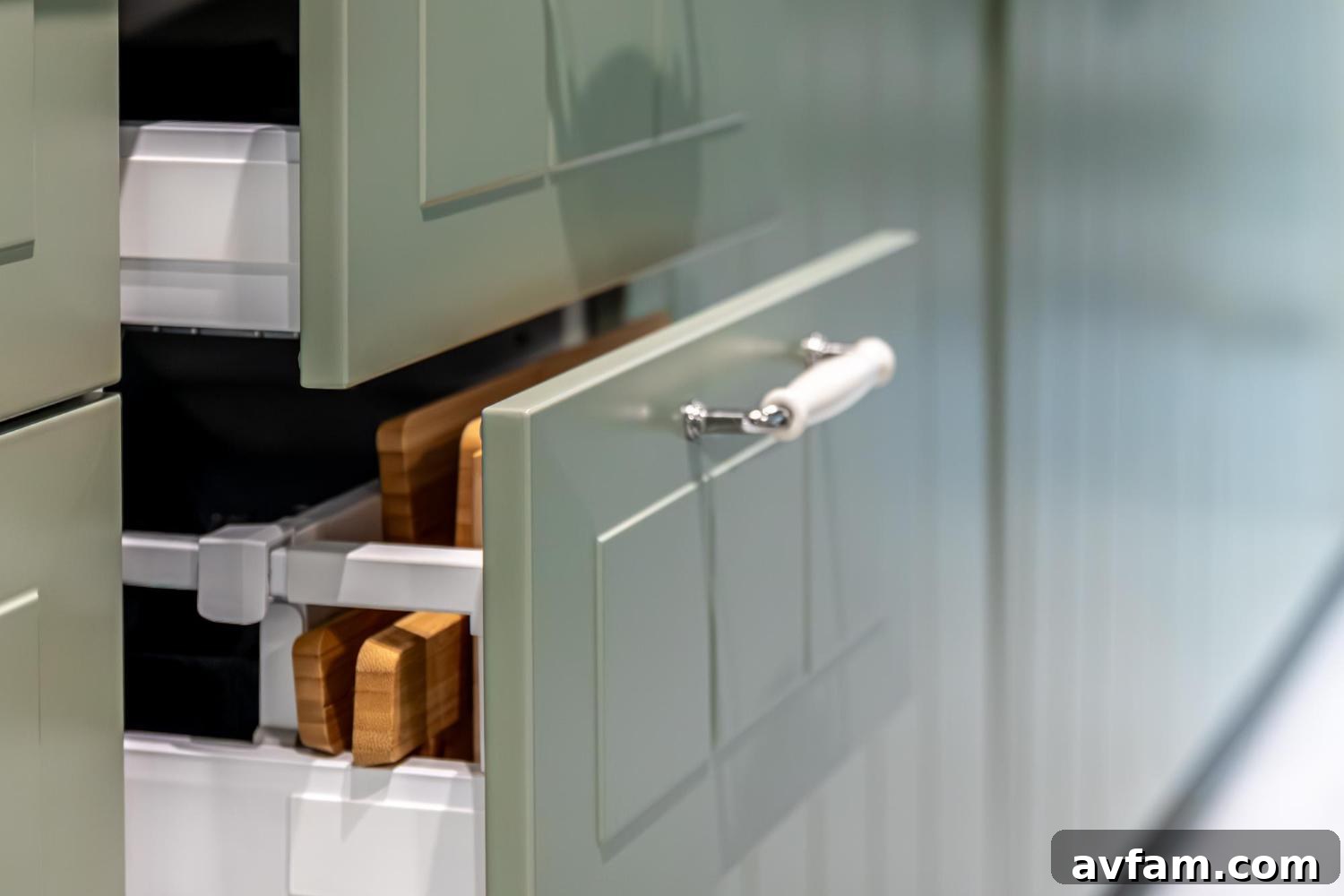
Image by pvproductions on Magnific
The Heart of the Kitchen Deserves an Update
Before starting demo or spending on new cabinetry, evaluate the condition of your existing units. If the cabinet boxes are structurally sound—level, square, and free of water damage or rot—you already have a strong foundation. In that case, most of the visible wear is often just surface-level, and there are many budget-friendly ways to modernize the look without replacing the boxes.
Full replacement only becomes necessary when the cabinet boxes themselves are compromised or the kitchen layout is fundamentally flawed. When the frames are intact, smart cosmetic updates can deliver a near-complete transformation at a much lower cost.
Refresh or Replace?
Replacement gives you total freedom to change layout, storage, and function, but it is the most expensive and disruptive option. A full remodel can be lengthy, messy, and costly, so it makes sense mainly when structural damage or an impractical layout warrants it.
Refreshing keeps the existing boxes and updates surfaces, doors, and hardware. For the majority of cosmetic issues, a refresh provides a major improvement in appearance, functionality, and value while avoiding the time, expense, and upheaval of a full replacement.
The Refacing Middle Ground
Refacing is an effective compromise between a simple repaint and a full tear-out. It typically involves applying new veneers or finishes to cabinet exteriors and swapping out doors and drawer fronts. The result is a whole-new look without altering the kitchen footprint. Refacing works best when the layout and box construction are still solid but the finishes are worn or outdated.
This approach is less invasive, keeps the kitchen usable for longer, and can be achievable for experienced DIYers who are comfortable with precise cutting and fitting. It preserves existing storage while delivering a fresh aesthetic.
Updating Your Cabinet Doors
Cabinet doors occupy the largest visible surface, so changing them yields the most noticeable transformation. You can sand and repaint or refinish existing doors for an economical refresh. Replacing doors with new stock or custom options lets you alter the kitchen’s style—from sleek slab fronts for a modern look to shaker-style panels for a timeless feel—without replacing the cabinet boxes.
Choosing high-quality doors with good hinges and proper alignment is key. New doors alone can make the space feel brand new while minimizing cost and disruption compared with a full cabinet replacement.
Don’t Forget the Drawers
Drawers are often overlooked but play a crucial role in daily function and perceived quality. Replacing worn or wobbly drawer boxes with durable, smooth-gliding dovetail drawers improves both performance and the tactile experience every time you open them.
This is also an opportunity to upgrade storage efficiency: add custom inserts, dividers, and deeper drawers to better accommodate pots, pans, and pantry items. Thoughtful drawer upgrades can dramatically improve kitchen organization.
Hardware: Small Change, Big Impact
New hardware is one of the quickest and most cost-effective updates. Swapping out old knobs and pulls for contemporary finishes—matte black, brushed brass, satin nickel, or other trending metals—instantly refreshes the look. Hardware ties together the overall design and can make even modest cosmetic changes feel cohesive and intentional.
Choosing the right scale and finish of hardware is important: proportions should suit the door style and drawer size to achieve a balanced visual effect.
Planning Your Project
Good planning prevents common headaches. Take careful measurements, set a realistic budget, and collect clear visual inspiration so you know exactly what you want to achieve. Decide what you can do yourself and where professional help will deliver better results. Preparing a parts list, timeline, and contingency budget keeps the project on track.
Research step-by-step guides and reputable how-to resources to avoid common pitfalls. A well-planned project runs more smoothly and stays closer to budget.
DIY or Call a Pro?
Many cabinet updates are accessible to a capable DIYer—painting, swapping hardware, and installing pre-made doors and drawers are common projects that save money and provide satisfaction. However, match the task to your skills. Precision work such as door alignment, large reface jobs, or any structural repairs may be better handled by professionals to ensure a clean, lasting result.
Updating your kitchen cabinets doesn’t mean you must start from scratch. By assessing condition and choosing between refresh, reface, or replace, you can achieve a beautiful, modern kitchen that fits your budget. Focus on doors, drawers, and hardware to maximize visual impact, and plan thoroughly for the best outcome.