
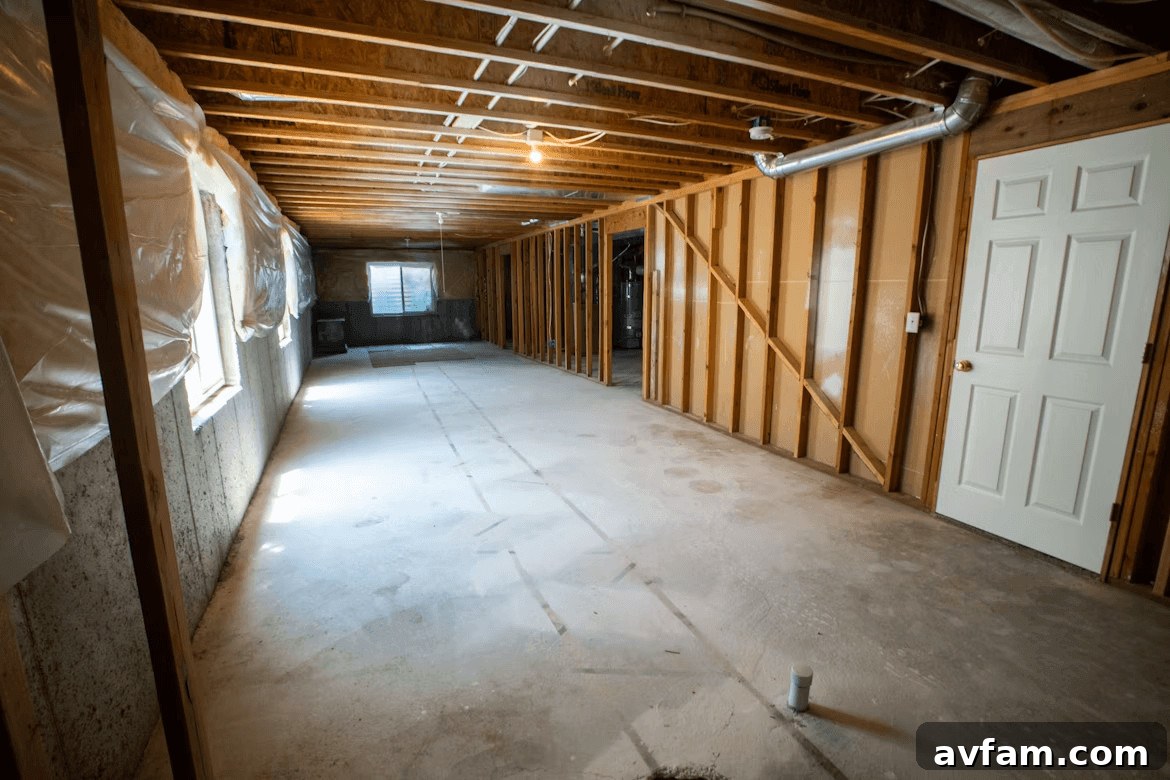
Basements are often treated as out-of-sight storage spaces or laundry rooms until a problem forces attention. Ignoring the area below ground, however, can lead to serious consequences—moisture compromises foundations, damages belongings, and creates health hazards for occupants. Investing in professional basement waterproofing early prevents hydrostatic pressure and recurring leaks from turning into structural decay, protecting both the home and its value over the long term.
When water enters a basement, the harm usually spreads beyond a single wet spot. Persistent moisture weakens load-bearing elements, ruins stored items, and creates prime conditions for fungal growth. Homeowners often underestimate how quickly dampness can lower a property’s marketability and threaten respiratory health. If a major flood or leak does occur, professional water damage restoration is needed to remove water safely and salvage the structure. Still, prevention through proper waterproofing is the most cost-effective strategy and avoids many of the costly consequences of reactive repairs.
The True Cost of Water Infiltration
Water damage is often slow and insidious. It commonly begins with a hairline crack in the foundation, a damp patch on a lower wall, or a persistent musty smell that normal ventilation cannot resolve. Left unchecked, these minor issues escalate into major structural problems requiring expensive repairs. Heavy rain, melting snow, and poor site drainage saturate surrounding soil and increase hydrostatic pressure. That pressure forces groundwater against porous concrete foundations, enlarges cracks, and eventually reduces the walls’ ability to support the home.
Repair costs can quickly become overwhelming. Correcting a bowed foundation, removing ruined drywall, remediating mold, and replacing compromised electrical systems often totals thousands or even tens of thousands of dollars. Records of repeated basement flooding also make a property harder to sell, with buyers reluctant to assume the risk unless the price reflects needed repairs. Many insurance policies exclude gradual water damage and mold cleanup, leaving homeowners responsible for the full expense. Proper waterproofing helps prevent both physical deterioration and the financial losses that follow persistent moisture intrusion.
Understanding the Mold Threat
Damp basements provide ideal conditions for mold and mildew. Mold spores are naturally present in air, but they need moisture, warmth, and organic material to grow. A dark basement with cardboard boxes, exposed wood framing, or unfinished drywall gives fungi the resources they need to spread. After water intrudes, mold can begin colonizing surfaces within 24 to 48 hours, which is why quick moisture removal is essential. Delays of even a few days can greatly increase the scope and cost of remediation.
Indoor mold poses well-documented health risks. As colonies grow, they release microscopic spores and volatile organic compounds into the air. Because warm air rises through the building, these contaminants can migrate from the basement into the main living areas. Long-term exposure can trigger respiratory problems such as asthma attacks, allergic reactions, and chronic sinus issues. Certain species produce mycotoxins that may cause more serious neurological or immune responses, and vulnerable groups—children, older adults, and those with weakened immune systems—are at highest risk. The only durable protection is to eliminate the moisture source that feeds mold.
How Waterproofing Systems Work
Effective waterproofing blends interior and exterior measures tailored to a home’s conditions. Interior systems address water that has already entered the foundation. Commonly, contractors install an interior perimeter drain or French drain to capture incoming water and direct it to a sump pump. The pump expels water away from the house, keeping floors dry even during heavy storms. Including a battery backup helps ensure operation during power outages, which often occur alongside severe weather.
Exterior waterproofing prevents water from reaching the concrete in the first place. This approach involves excavating soil around the foundation, applying a durable waterproof membrane, and installing exterior drainage to redirect groundwater away from the structure. Although more labor-intensive, exterior solutions tackle the root cause rather than merely managing symptoms. Routine maintenance—keeping gutters clean, extending downspouts several feet from the foundation, and ensuring soil slopes away from the house—complements professional waterproofing and reduces the risk of future problems.
The Role of Vapor Barriers and Dehumidification
Stopping liquid water is necessary but not sufficient. High humidity alone can cause issues even when no obvious leak exists. Concrete is porous and allows water vapor to migrate through walls and floors; over time, this leads to condensation on cool surfaces, persistently damp walls, and eventual mold growth. Installing a heavy polyethylene vapor barrier on walls and floors blocks that vapor transmission and creates a stable interior surface, which is essential if the space will be finished or regularly occupied.
Commercial-grade dehumidifiers complement vapor barriers by controlling airborne moisture. Residential units often lack the capacity to handle a damp basement’s volume and conditions. Commercial units run continuously to keep relative humidity below 50%, the benchmark that inhibits mold growth. They also reduce musty odors and make the space more usable. Many models include hygrometers and automatic controls to simplify maintenance. Addressing both liquid intrusion and vapor transmission creates a genuinely healthy basement year-round.
Recognizing the Warning Signs
Early detection keeps repair costs down. Inspect basements regularly, especially after heavy rains or during spring thaw when meltwater raises ground saturation. Efflorescence—a white, chalky residue left on concrete—is a clear sign that water is passing through the foundation and depositing minerals on the surface. Additional warning signs include peeling or blistering paint, warped wood paneling, rust on metal fixtures, staining on walls or floors, and a persistent musty smell. These indicators point to underlying moisture problems that deserve prompt attention.
Responding quickly prevents minor leaks from becoming structural emergencies. A licensed waterproofing contractor can evaluate the basement, determine the moisture source, and recommend targeted repairs. While many home projects suit weekend DIYers, managing groundwater and foundation integrity requires professional expertise and equipment. Knowing when to call a professional helps homeowners avoid mistakes that could worsen flooding or delay necessary repairs.
Maximizing Home Value Through Waterproofing
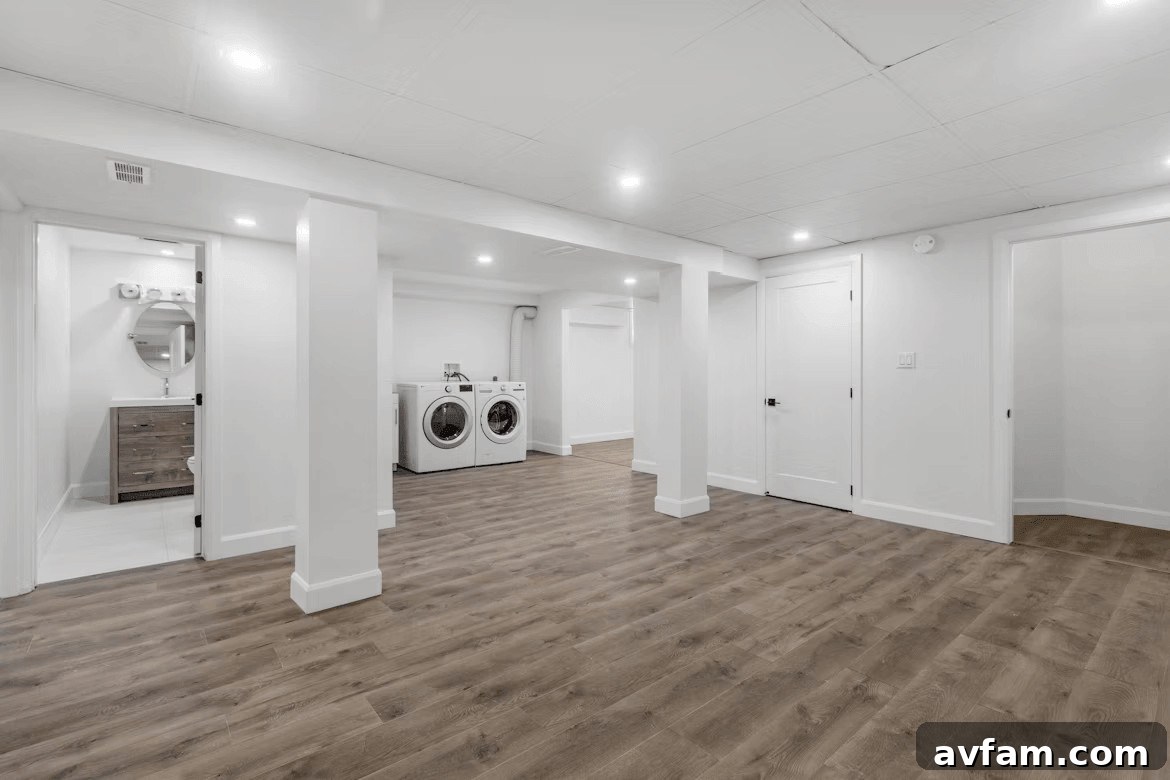
A professionally waterproofed basement opens opportunities to increase usable living space. Once dry and odor-free, the area can be finished as a family room, home office, gym, or guest suite—adding functional square footage without a major addition. Waterproofing should always precede any basement remodel; without a dry, stable foundation, new finishes and furnishings remain vulnerable to water damage, turning renovations into recurring expenses. Skipping this step to save money often results in higher costs later when remediation and reconstruction become necessary.
Finished, dry basements also enhance resale value. Buyers value protected, versatile lower levels and are often willing to pay more for homes without dampness or structural concerns. Real estate professionals consistently report that a properly finished basement provides a strong return compared with many other renovations. Ensuring the foundation is water-resistant makes subsequent improvements an asset rather than a liability.
Long-Term Maintenance and Peace of Mind
Waterproofing represents a significant upfront investment, but it prevents catastrophic damage and preserves a home’s value. Systems do require routine maintenance: test sump pumps before wet seasons, ensure battery backups are functional, and keep gutters and downspouts clear so water doesn’t pool near the foundation. Simple, regular care keeps a waterproofing system operating as intended.
The greatest benefit of a dry, protected basement is peace of mind. Homeowners no longer need to worry each time heavy rain falls or face the stressful aftermath of a flooded lower level. Controlling basement moisture preserves structural integrity, protects indoor air quality, and secures long-term property value—making professional waterproofing one of the most practical investments a homeowner can make. For anyone who has experienced a flooded basement even once, the value of preventing a repeat is obvious.