
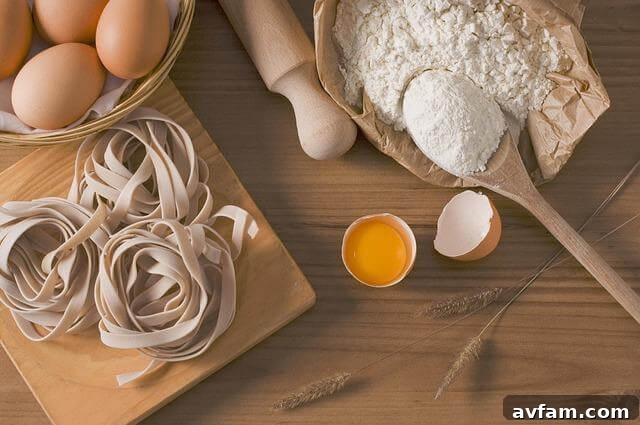
The kitchen is often called the heart of the home, and for good reason.
Given how central this room is, making the kitchen both functional and inviting can feel daunting. Fortunately, you don’t need a full remodel to get there — small, intentional changes can have a big impact.
How your kitchen is arranged affects not just how it works but how it feels to be in. A cramped, poorly organized layout turns simple tasks into a chore, while a well-planned space makes cooking and gathering easier and more enjoyable. With a bit of planning and a few smart adjustments, you can create a kitchen that supports the way you live without blowing your budget.
Optimize the Layout and Storage
Layout matters. Pay attention to how you move through the kitchen while preparing meals. Most cooking tasks follow a pattern from fridge to sink to stovetop; if that flow is interrupted or awkward, everything takes longer and feels more frustrating. You may not be able to redesign the room completely, but small changes can improve efficiency.
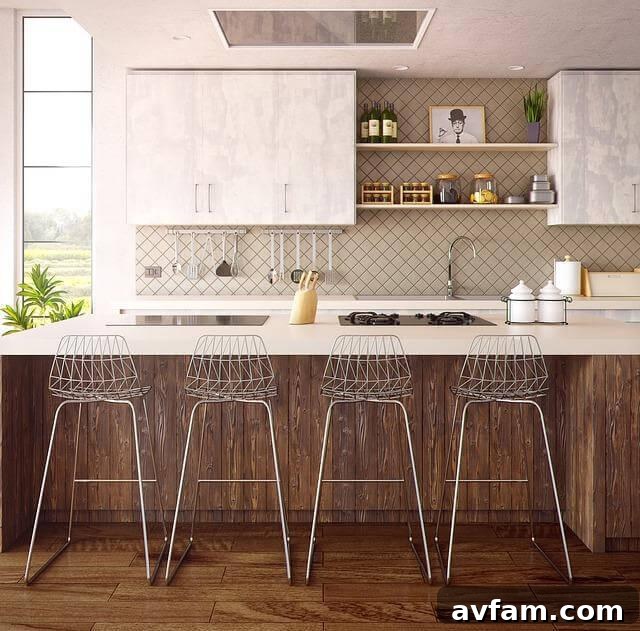
Keep frequently used items near where you use them. Stop opening cabinet after cabinet to find the spice or tool you need. Simple storage upgrades — shelf risers, drawer dividers, pull-out organizers — make items easier to see and reach. Don’t forget to use vertical space: tall shelves, hooks, and hanging racks are especially valuable in smaller kitchens.
Streamline and Declutter
Clutter quickly makes a kitchen feel chaotic. Busy households or families with children know how easy it is for countertops and cupboards to fill up. Even kitchens that aren’t truly messy can still feel cluttered if surfaces are crowded or duplicates and expired items take up space.
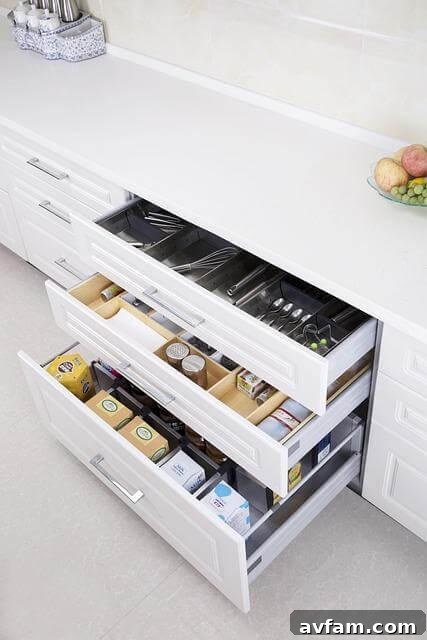
Clear out what you don’t use. Donate or recycle duplicate utensils, unused gadgets, and pantry items past their prime. Freeing up physical space also clears mental space.
Countertops deserve special attention — they should be working surfaces, not catch-alls. Limit what stays out to essential appliances or items you use daily. A few small habits will keep clutter at bay:
- Put things back in their places after use.
- Store staples like flour and pasta in clear, labeled containers.
- Do a quick tidy at the end of each day.
These simple routines prevent clutter from accumulating and make the kitchen easier to use.
Enhance Functionality
Once layout and clutter are under control, focus on features that make the kitchen work better for you. Ask whether the space supports your habits and routines, and then make targeted improvements.
Lighting transforms a kitchen. Good task lighting, especially under-cabinet fixtures, improves safety and makes food prep easier. Consider layered lighting: bright task lights where you cook and softer ambient lighting for dining or socializing.
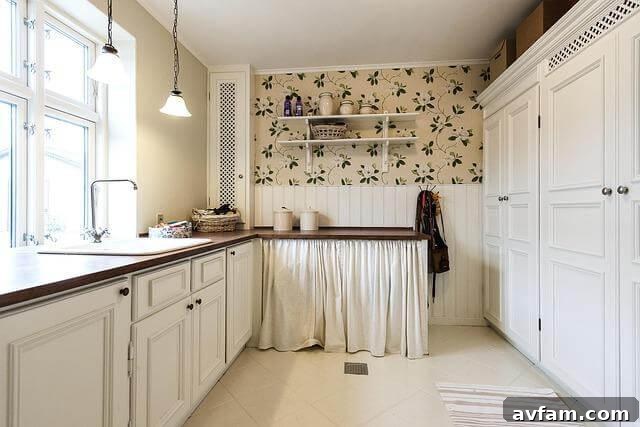
Small upgrades often yield big benefits. A better faucet, clear labeled storage containers, or a quality sharpening stone for knives can make daily tasks smoother and more enjoyable. These improvements don’t need to be costly — they just need to be useful.
Ultimately, the best kitchen is one that fits your lifestyle. Whether it’s a hub for family connection or a practical space for preparing meals, the kitchen should support your needs. With thoughtful organization, decluttering, and a few purposeful upgrades, you can create a kitchen that feels fresh, functional, and welcoming.