
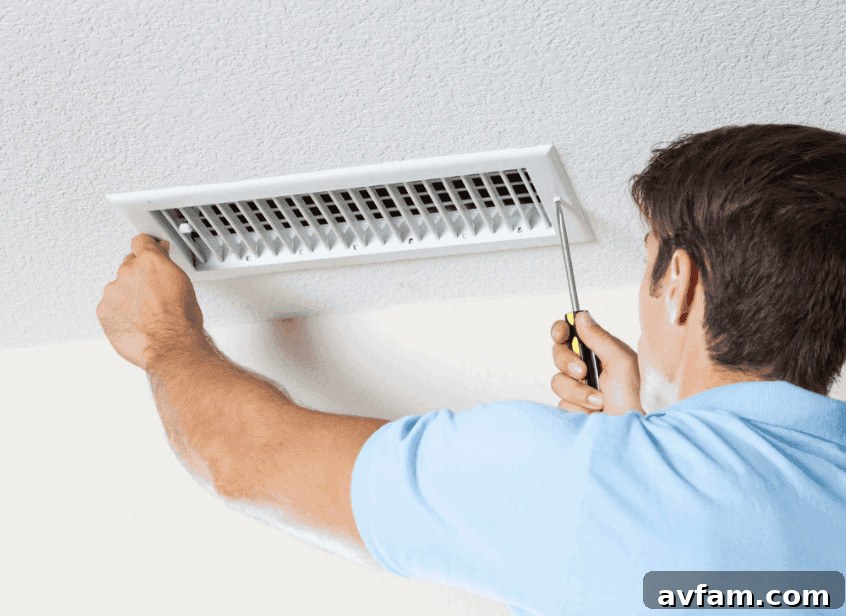
Air ducts are a vital component of your home’s heating, ventilation, and air conditioning (HVAC) system. They move conditioned air throughout living spaces, supporting comfort and indoor air quality while carrying airborne particles away from occupied areas. Over time, dust, pollen, pet dander, and other debris can build up in ductwork, prompting questions like: is duct cleaning necessary, is duct cleaning worth the cost, and how often should ducts be cleaned?
This guide explains what duct cleaning involves, the potential benefits, recommended cleaning frequency, and when professional service is likely to be a worthwhile investment in 2026 and beyond.
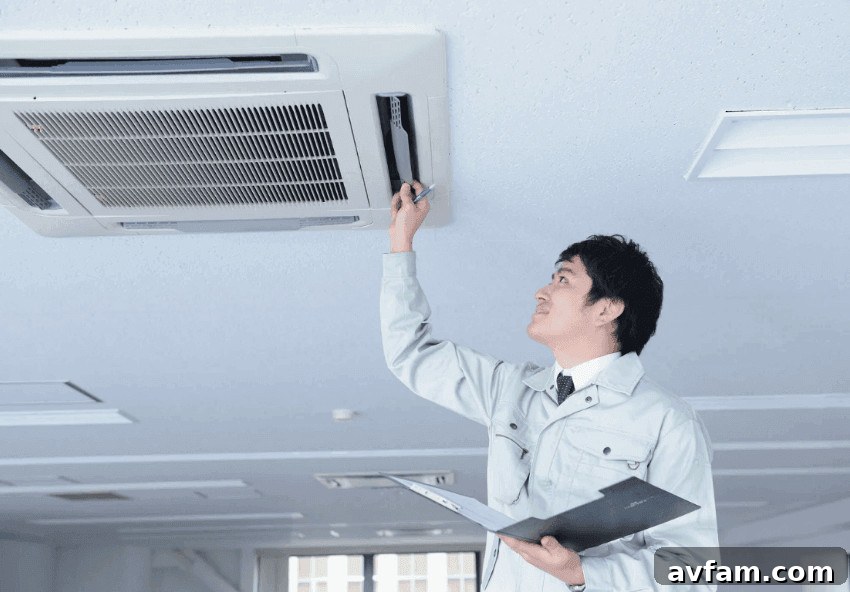
What Is Duct Cleaning?
Duct cleaning removes accumulated dust, dirt, mold spores, and other contaminants from the air pathways of an HVAC system. A professional service typically includes a visual inspection, agitation of deposits using brushes or air tools, and high-powered vacuuming to extract particles from supply and return ducts. When microbial growth is detected, technicians may also apply targeted sanitizing or antimicrobial treatments following industry guidelines.
Properly performed duct cleaning can restore airflow, reduce strain on equipment, and lower the amount of airborne particulate circulating through the home. The exact process and tools vary by provider, but the main goal is to clear blockages and remove contaminants while protecting the ductwork and system components.
Benefits of Duct Cleaning
When the ducts are significantly contaminated, professional cleaning can offer several benefits:
- Improved indoor air quality by removing trapped dust, pollen, and other allergens.
- Enhanced HVAC efficiency when airflow is restored, which can reduce energy consumption and wear on the system.
- Reduction of stale or musty odors caused by dust, pet dander, or mold within the ductwork.
- Lowered triggers for allergy or asthma sufferers when sources of airborne irritants are removed.
Keep in mind that the magnitude of these benefits depends on the level of contamination, the quality of the cleaning work, and other household factors such as ventilation and filtration practices.
How Often Should You Clean Air Ducts?
There is no one-size-fits-all schedule for duct cleaning. Frequency should be driven by home conditions and evidence of contamination rather than a fixed timetable. Common guidelines include:
- Every 3–5 years for homes with normal occupancy, minimal dust, and no pets—this interval suits many households.
- More frequent cleaning if you have multiple pets that shed, active smokers indoors, or household members with allergies or asthma.
- After home renovations or major repairs, since construction dust and debris can settle into ducts.
- Immediately after visible mold growth is detected in ducts or on system components; mold requires prompt attention.
- If pests such as rodents or insects have entered the duct system, clean-up and sanitation are necessary.
Avoid excessive or unnecessary cleaning. Over-cleaning provides little additional benefit and can sometimes risk damage if done improperly. Conversely, long gaps between cleanings can let dust and debris accumulate to levels that impact air quality and system performance.
Is Duct Cleaning Worth It?
Whether duct cleaning is worth the expense depends on the situation. It is most valuable when there is clear evidence of contamination or when occupants experience health or comfort issues linked to indoor air. Situations where cleaning is generally justified include:
- Visible or confirmed mold inside ductwork or on related components.
- Signs of pest infestation, such as droppings or nesting materials in vents.
- Excessive dust buildup that reappears rapidly after cleaning or is visible at registers and diffusers.
- Persistent odors originating from the duct system.
Conversely, if your HVAC system is well maintained, filters are changed regularly, there are no signs of mold, pests, or unusual dust, and airflow is normal, routine duct cleaning may not provide meaningful benefits. In many cases, good filtration, ventilation, and periodic inspections maintain acceptable indoor air quality without frequent duct cleaning.
Tips for Maintaining Clean Air Ducts
- Replace HVAC filters every 1–3 months depending on filter type, household conditions, and system usage.
- Keep supply and return vents unobstructed, and dust registers and grilles regularly to reduce recirculated particles.
- Control indoor humidity to discourage mold growth—aim for reasonable humidity levels with dehumidification where needed.
- Have the HVAC system inspected periodically to catch issues early, such as leaks, insulation gaps, or localized contamination.
- Choose qualified, certified duct cleaning professionals who follow industry standards to avoid damage to ducts and system components.
Conclusion
In 2026, targeted duct cleaning remains a useful service for homes with clear signs of contamination or for households seeking relief from allergy triggers and odors. For many residences, cleaning every 3–5 years is sufficient unless special conditions—pets, smokers, renovation dust, mold, or pests—require more frequent attention. Combining professional cleaning when needed with regular filter changes, humidity control, and routine inspections will help preserve indoor air quality and extend the life of your HVAC system.