

Weather exposes homes to ongoing stress. Heavy rain, strong winds, ice, snow and extreme heat can all create problems that grow costly if left unchecked. Although no property is immune to every weather event, homeowners can take straightforward, practical steps to reduce damage risk and keep repair costs manageable.
Preventive maintenance often determines whether a problem stays minor or becomes a major restoration. By focusing on vulnerable areas and addressing issues early, homeowners can strengthen their property against changing conditions and protect their investment over time.
Recognize When a Roof Needs Full Replacement
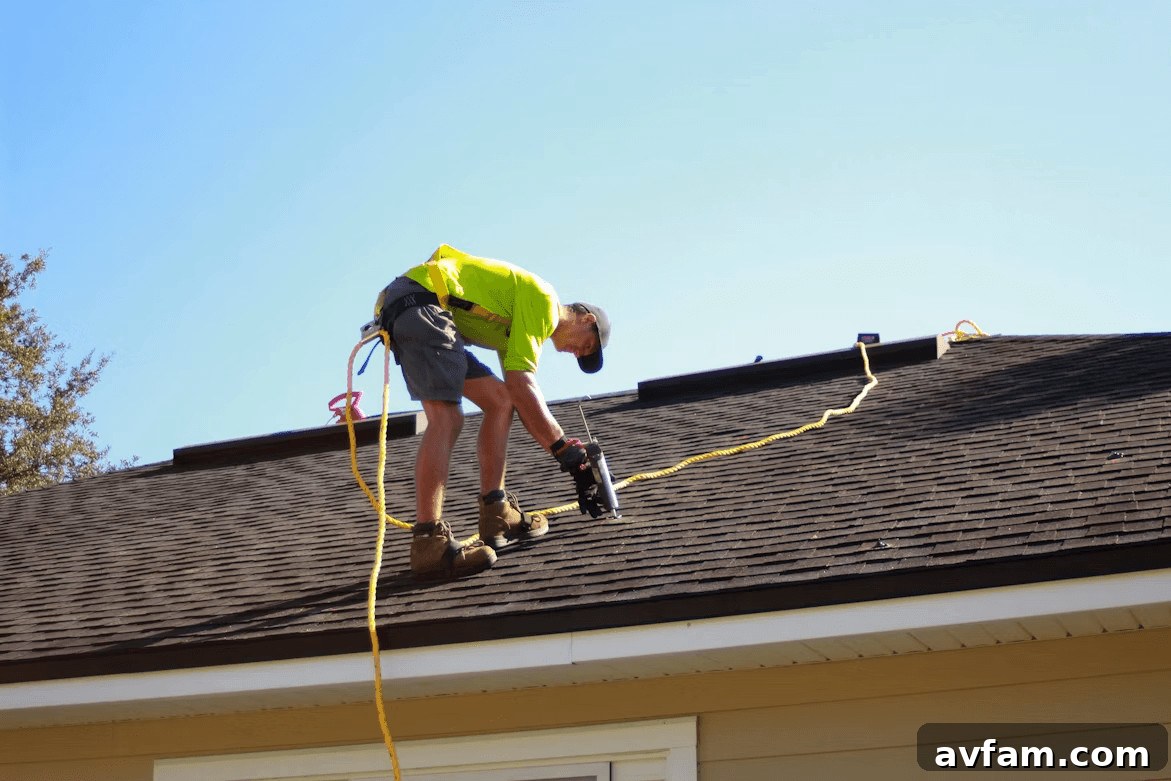
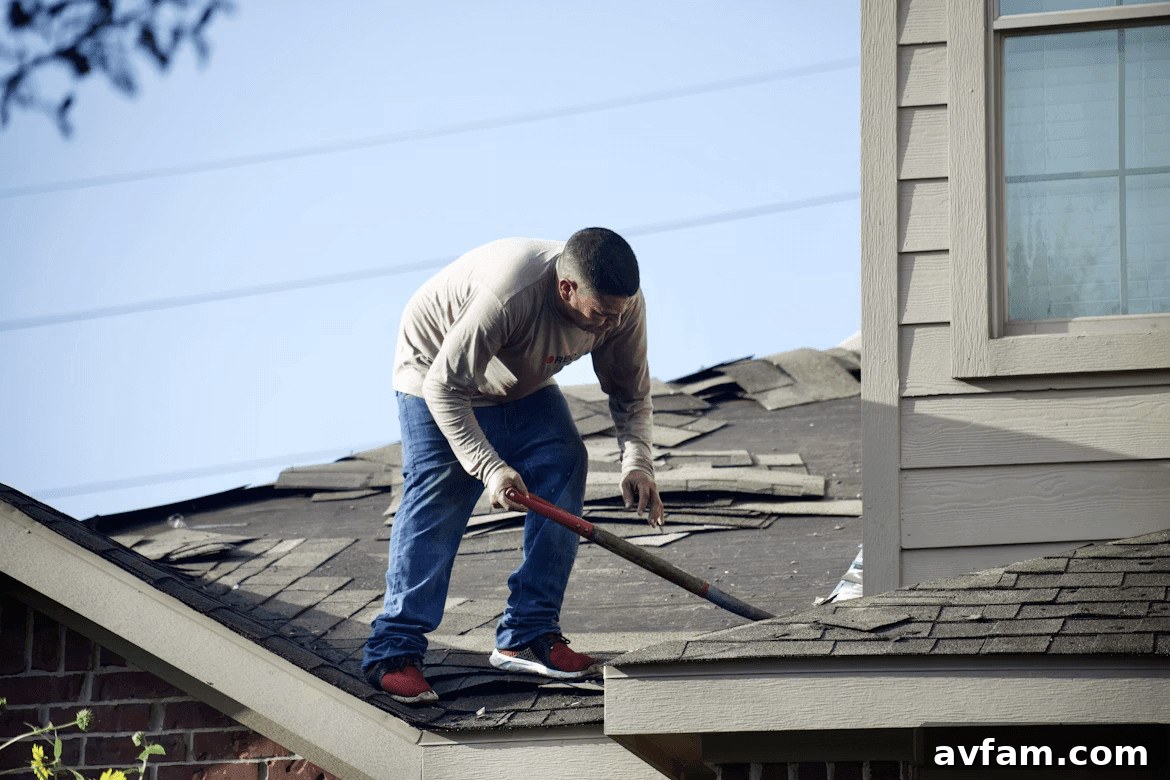
Roof damage is a primary entry point for moisture. Once water gets in, it can harm insulation, interior finishes and structural elements, which leads to progressively expensive repairs. When widespread deterioration makes patching impractical, a full roof replacement by a qualified roof replacement contractor provides a long-term solution.
A professional replacement removes worn materials, installs a new roof system and restores reliable protection against future weather exposure. Replacing a roof before severe weather strikes reduces the chance of leaks and the secondary damage that follows.
Keep Water Moving Away from the Property
Effective water management is essential for preventing weather-related damage. When rainwater doesn’t drain away, it can collect around foundations, seep into basements or crawl spaces, and cause erosion around the yard.
Clear gutters and downspouts of leaves and debris on a regular schedule to avoid blockages. Ensure downspouts direct water well away from the foundation. Address persistent pooling areas before they create moisture problems. Proper grading is equally important: soil should slope away from the home so runoff flows outward rather than against exterior walls.
Seal Openings Around Windows and Doors
Small gaps around windows and doors let in air and water. During storms, these openings can allow moisture to penetrate and damage surrounding materials over time. Inspect exterior caulking and weatherstripping at least once a year and replace cracked, brittle or missing sealants promptly.
Keeping seals intact not only prevents moisture intrusion but also improves energy efficiency. Check frames for rot, warping or other deterioration and repair or replace damaged components early to avoid larger repairs later.
Pay special attention to corners and joints where different materials meet; these spots experience the most movement and wear, especially with seasonal temperature shifts. Replacing worn materials and resealing joints maintains a consistent barrier against the elements.
Trim Trees Before Severe Weather Arrives
Trees add beauty and shade, but they can also increase weather-related risk. Strong winds, heavy ice or snow loads and storms can break branches that fall on roofs, cars or utility lines.
Regularly inspect trees for dead, diseased or weakened limbs and arrange professional trimming when necessary. Pay particular attention to branches that overhang the house. Healthy, well-maintained trees are more resilient in storms, so routine care is a key part of weather preparedness.
Also watch for signs of instability, such as leaning trunks or exposed roots. Dense growth and poor branch balance can increase the chance of failure during extreme weather; selective pruning improves canopy balance and reduces risk.
Check Exterior Surfaces for Signs of Wear
Exterior cladding, trim and finishes form the first line of defense against weather. Cracks, gaps, peeling paint or loose materials allow moisture to penetrate and reach vulnerable underlying components.
Walk the perimeter of the home periodically and inspect siding, trim and exposed surfaces. Promptly repair damaged sections and maintain protective coatings according to manufacturer guidelines. Well-maintained exterior surfaces preserve the home’s resistance to rain, wind and temperature extremes.
Prepare for Seasonal Temperature Changes
Temperature swings cause building materials to expand and contract, which over time creates cracks and separations. Inspect joints and transitional areas where different materials meet, because these locations typically face the most stress.
Maintain appropriate sealants and service heating and cooling systems regularly. Efficient HVAC equipment helps keep indoor conditions stable and reduces stress on building materials during temperature extremes.
Protect the Foundation from Moisture Exposure
The foundation supports the whole structure, so controlling moisture around it is critical. Excess water near the foundation can lead to cracking, shifting and other structural problems.
After heavy rain, inspect the perimeter for standing water, persistent dampness or soil erosion—these signs suggest drainage problems that need attention. Evaluate foundation cracks promptly; small issues can enlarge when water enters and freezes during cold weather cycles.
Secure Outdoor Features and Equipment
Loose outdoor items become hazards in high winds. Patio furniture, planters, decorations and other objects can be picked up by gusts and cause damage to structures, vehicles or people.
Before severe weather, secure or store movable items and fasten equipment covers. Keep storage areas organized and accessible. Inspect fences, gates and detached structures and repair any loose components before storms to reduce potential damage.
Create a Routine Inspection Schedule
One of the best ways to limit weather-related repair costs is to establish a regular inspection and maintenance routine. Many expensive repairs begin as small, easily overlooked issues.
Seasonal inspections let homeowners find developing problems before severe weather reveals them. Use a checklist to ensure key areas receive attention throughout the year. Consistent care, timely repairs and proactive planning work together to reduce risk and improve a property’s resilience against weather-related damage.