

Moving across the country is one of the most complex household projects you can undertake. Beyond packing boxes and driving to a new address, a long-distance relocation involves route planning, budgeting, vehicle maintenance, coordinating movers, and ensuring your new home is ready when you arrive.
The more organized you are before moving day, the better equipped you’ll be to handle surprises. Whether your move is for work, family, lifestyle changes, or a fresh start, combining plans for your route, costs, and home setup will reduce stress and help prevent costly last-minute setbacks.
Start With a Realistic Moving Timeline
Begin with a timeline rather than a pile of boxes. Once you have a firm move date, work backward to schedule movers or a rental truck, set utility shutoff and startup dates, and choose packing milestones. If your move falls in summer or at month-end, book services early—moving companies and trucks fill up fast.

Use the first weeks to declutter. Reducing what you bring lowers labor, weight, truck space, and storage costs. Go room by room and decide what to keep, sell, donate, or discard. Large furniture, old appliances, duplicate tools, and rarely used items often cost more to move than they’re worth—selling or donating them simplifies packing and offsets expenses.
Choose the Right Moving Method
There’s no one-size-fits-all method for a cross-country move. Your choice depends on budget, household size, timing, and how much work you want to handle personally.
Full-service moving companies handle loading, transport, and unloading, which is convenient but usually the priciest option. Renting a truck can be cheaper but requires driving a large vehicle long distances and accounting for fuel, parking, and overnight stops. Portable moving containers let you pack on your schedule while the company hauls the container for you.
Many households combine methods—shipping most belongings in a container, driving a personal vehicle, and hiring local labor for loading and unloading, for example. When comparing options, look at total costs, including travel, insurance, and potential surcharges, not just the base price.
Map Your Route Before Moving Day
The fastest route isn’t always the best route for a moving truck. Consider road conditions, weather, vehicle size, fuel stops, traffic, and overnight accommodations—especially if you’re driving a rental truck, towing, or traveling with children or pets.
Major highways are typically easier for large vehicles than rural or mountainous shortcuts. Check for seasonal weather risks, construction, steep grades, low-clearance bridges, and tolls. Plan realistic daily driving distances; pushing too far increases fatigue and risk.
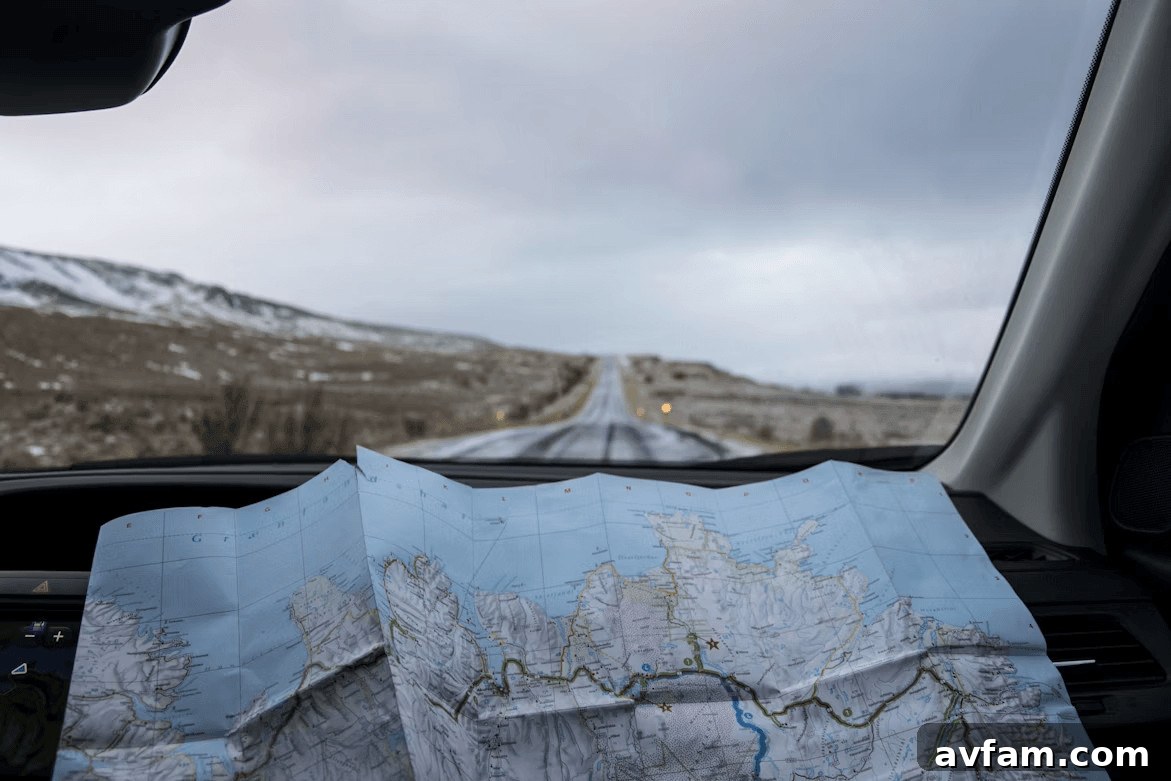
Choose and confirm overnight stops in advance, and verify parking availability for your vehicle or moving truck. Many hotels that suit typical road trips aren’t practical for large trucks, trailers, pets, or valuables packed inside the vehicle.
Budget for the Trip Itself
People often budget for movers or a rental truck but forget travel expenses. A cross-country move includes multiple days of fuel, meals, lodging, tolls, parking, pet fees, and emergency supplies—costs that add up quickly if more than one vehicle is involved.
Estimate fuel costs based on total miles, number of vehicles, and each vehicle’s fuel efficiency when loaded. Rental trucks and vehicles towing trailers usually consume more fuel than unloaded cars. Consider using a dedicated payment method for fuel to track trip expenses separately from moving and household setup costs.

Include an emergency cushion in your budget. Flat tires, unexpected hotel nights, route changes, or delayed containers can increase expenses. Having contingency funds prevents one problem from derailing the entire move.
Prepare Your Vehicle Before You Leave
If you plan to drive your car, get basic maintenance done before departing. An oil change, tire inspection, brake check, battery test, and fluid top-offs reduce the chance of breakdowns. If you’ll be towing or carrying extra weight, ask a mechanic whether your vehicle is fit for the load.
Pack a roadside kit with jumper cables, flashlight, tire pressure gauge, first-aid supplies, water, phone chargers, and basic tools. Keep important documents—registration, insurance, roadside assistance information, and your driver’s license—within reach. Travel with crucial papers, not in the moving truck.
Pack an Essentials Kit
The first night in a new home can be chaotic, especially after a long drive. You might arrive before the truck or be too tired to unpack. An essentials kit makes the first 24–48 hours far easier.
Include items such as:
- Medications, toiletries, and chargers
- Important documents and payment cards
- A few changes of clothes
- Basic tools, cleaning supplies, and trash bags
- Snacks, water, pet supplies, and children’s comfort items
- Bedding, towels, toilet paper, and paper goods
Think of this as your “first night box.” It should contain everything you’d need if the rest of your belongings were delayed or inaccessible.
Prepare the New Home Before Arrival
Make sure the new home is ready when you arrive. Schedule electricity, water, gas, internet, and trash service to start before moving day if possible. Confirm how you’ll access the property—keys, lockbox, keypad, garage opener, or property manager.
If feasible, arrange cleaning before furniture and boxes arrive. It’s far easier to clean floors, cabinets, closets, and bathrooms when the house is empty. Consider changing locks, testing smoke and carbon monoxide detectors, and confirming major appliances function properly.
Measure doorways and rooms ahead of time to ensure large furniture will fit. Items that worked in your old home may not suit the new layout.
Update Accounts and Records
As moving day approaches, update your address and important records. Set up mail forwarding and notify banks, insurance companies, your employer, subscriptions, and online shopping accounts. Depending on your new state, you may need to update your driver’s license, vehicle registration, voter registration, and healthcare providers.
Don’t leave these tasks to the last minute—missed bills, insurance notices, or registration deadlines can create unnecessary complications during an already busy transition.
Final Thoughts
Treat a cross-country move as both a road trip and a home setup project. Route planning, budgeting, vehicle readiness, movers, utilities, and first-week supplies all work together. Overlooking any one element can turn a well-intentioned move into a stressful, costly ordeal.
Start early, compare options, keep essentials close at hand, and build financial breathing room into your budget. With careful planning you’ll arrive at your new home ready to settle in rather than scrambling to solve avoidable problems.