

Moving into a busy urban neighborhood is exciting, but limited street parking and strict loading rules can turn moving day into a logistical challenge. When a truck cannot park near the entrance, unloading takes longer, labor costs can rise, and neighbors may be inconvenienced.
This guide outlines practical steps homeowners should take to plan for permits, loading zones, truck access, and street parking so the moving crew can work efficiently from the moment they arrive.
Understand the Street Layout Before Moving Day
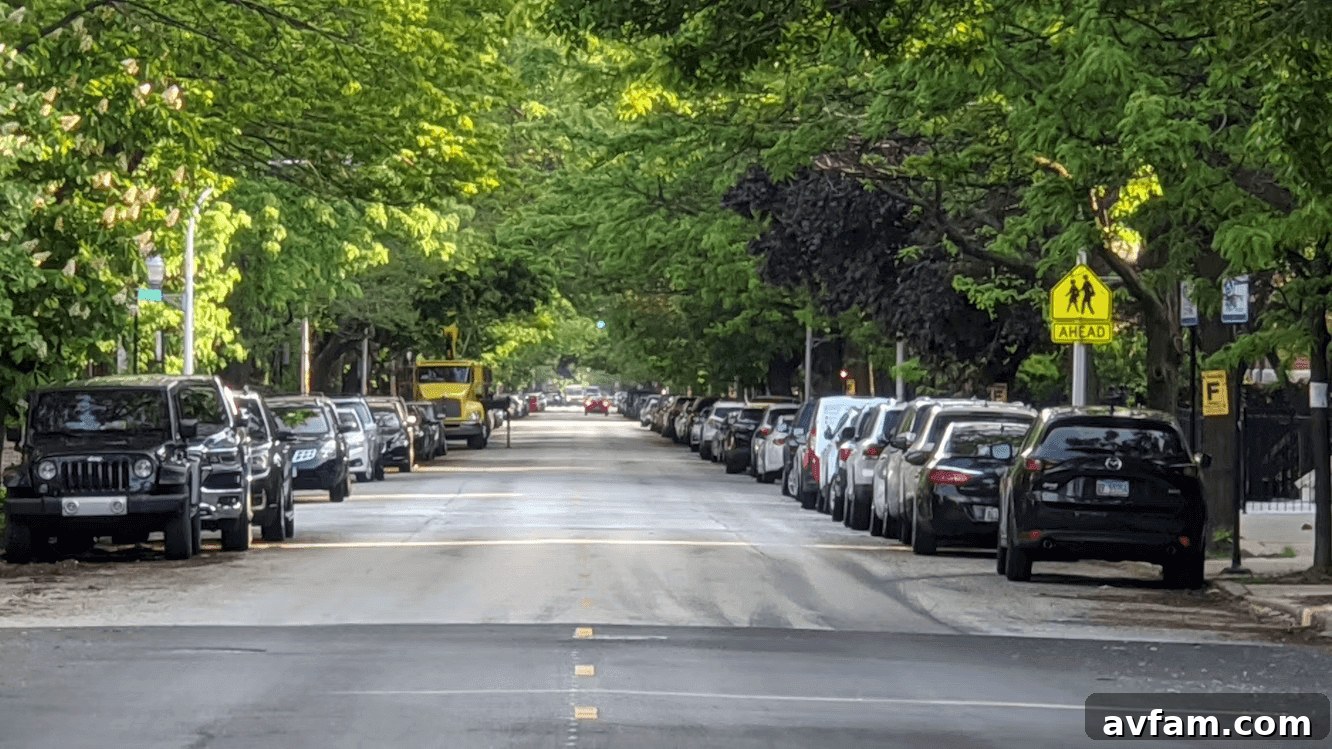
Urban residential blocks often include narrow lanes, limited curb space, bus stops, fire hydrants, alleys, and a variety of parking restrictions. Before you set your moving date, walk the block and note features that will affect truck placement and unloading.
Measure or estimate the street width, check for overhead branches and utility lines, and scout for obstructions such as parked cars, metal poles, or tight corners. The distance between the nearest legal parking spot and the entrance can change loading strategy and may require additional labor or equipment like dollies and stair carts.
Check Local Moving-Permit Requirements
Many cities require a temporary parking or moving permit when curb space must be reserved for a moving truck. Permit rules, fees, and deadlines vary by jurisdiction, so contact your local parking or transportation authority well in advance.
Typical information required for a permit application includes:
- The moving date and approximate hours
- The exact address or block where the truck will park
- The side of the street you intend to reserve
- The number of parking spaces needed
- Details about the moving vehicle, such as dimensions or license number
Some municipalities also require temporary signs to be posted a specified number of days before the move. Keep proof of the approved permit readily available on moving day to avoid disputes with enforcement officers or neighbors.
Review Loading-Zone and Parking Restrictions
A loading-zone sign does not automatically allow a moving truck to occupy the space for hours. Many loading zones come with limitations—restricted vehicle types, time windows, or priority for commercial deliveries.
Read signage carefully and watch for temporary or seasonal rules. Common restrictions to watch for include:
- Street cleaning schedules
- Permit-only parking zones
- Bus stop designations
- Fire hydrant clearances and no-parking buffers
- Tow-away zones
- Time-limited loading windows
When possible, secure residential curb space through the official permit process rather than relying on a commercial loading zone, which may carry stricter limits or enforcement.
Plan for Limited Truck Access
Narrow roads, low tree limbs, utility lines, and tight corners can all limit which trucks can access a property. Confirm the moving company’s truck dimensions and compare them against the conditions on your street.
Working with movers experienced in dense neighborhoods is especially helpful. They can recommend the right truck size, identify access points like alleys or service entrances, and suggest practical staging solutions when curbside parking is distant from the door.
Also consider where movers will park personal vehicles and whether the building offers a service entrance, loading dock, or elevator protection. Planning these details in advance reduces downtime and helps protect communal spaces.
Prepare the Reserved Parking Area
Verify that permits and reservations are approved well before moving day. Post temporary signage within the required timeframe and inspect the reserved area the evening before the move to make sure it remains clear.
Use this practical checklist to prepare the parking area:
- Confirm permit approval and reservation details
- Ensure temporary signs are visible and intact
- Clear the reserved curb space of vehicles and debris
- Keep the permit number or confirmation handy
- Avoid blocking alleys, driveways, or curb ramps
- Create a safe, direct path between the truck and building entrance
- Double-check for street-cleaning or time-based restrictions on the move date
Communicate With Your Neighbors
Good communication with nearby residents makes a big difference. Let neighbors know your moving date and approximate hours; a friendly note on doors or a brief conversation can encourage voluntary car moves and reduce friction.
If you live in a condo or apartment, coordinate closely with property management or the HOA. Buildings often have internal move-in rules—such as designated hours, reserved elevator protection, or required use of a specific entrance—that should align with city parking regulations to avoid last-minute complications.
Wrap-Up: Move With Confidence
Managing street parking and loading zones in a busy neighborhood doesn’t have to be stressful. By surveying the street layout, obtaining necessary permits in advance, planning for limited truck access, and communicating with neighbors and building management, you can keep your move on schedule and minimize disruptions.
Thoughtful preparation lets you focus on settling into your new home rather than troubleshooting logistical problems on moving day. With clear planning and cooperation from your moving team and neighbors, the process will run more smoothly and efficiently.