
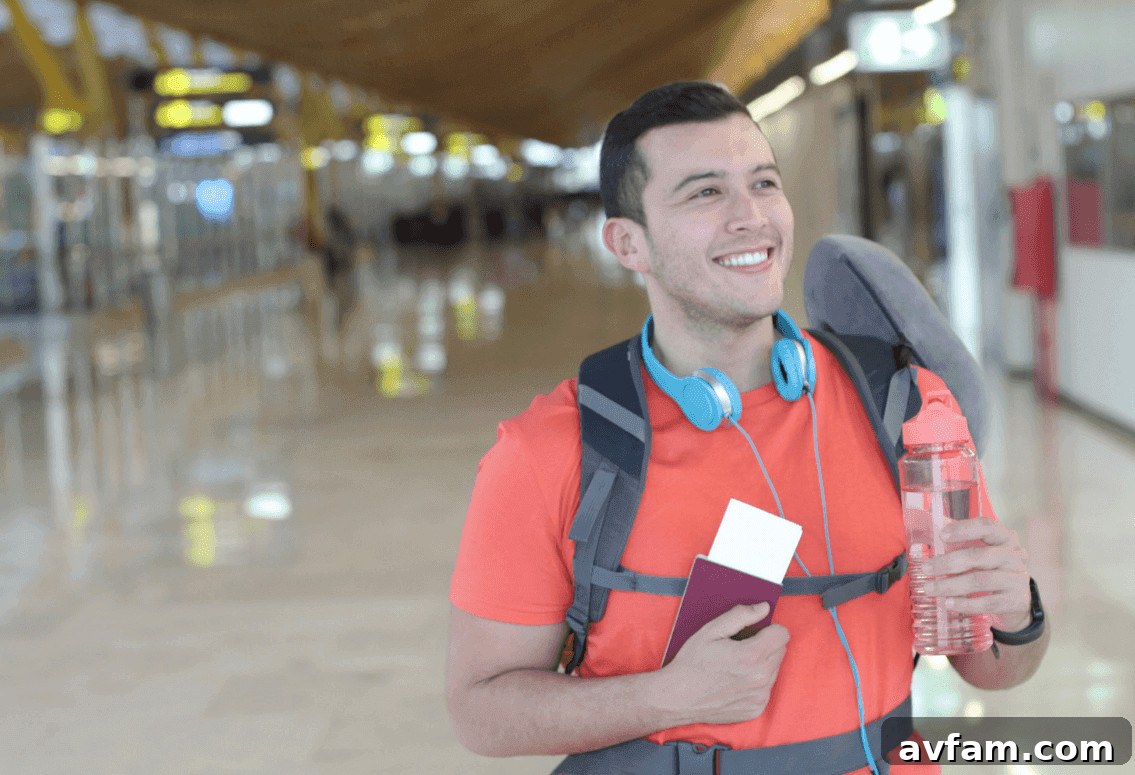
Traveling opens the door to new places and cultures, and arriving safely helps ensure an enjoyable experience for everyone. Staying healthy and secure lets the fun continue, and planning ahead reduces common travel worries. Below are practical tips for frequent travelers that emphasize injury awareness and personal safety while on the road.

Stay Updated on Travel Advisories
Think of travel advisories as an early warning system for your journey. Checking official advisories before you depart helps you avoid high-risk areas and plan alternatives. Conditions can change quickly, so monitor updates from reliable sources and follow local news while you are traveling.
Verify information with trusted local contacts when possible. Reliable, current data helps you make informed decisions about where to go, what to avoid, and how to stay safe.
Plan for Your Safety
Preparation is the foundation of a successful trip. Review an international travel checklist, confirm health and entry requirements, and learn about local laws and customs. Researching these details ahead of time prevents many common issues.
Organize important documents—passports, insurance, emergency contacts—in a secure folder and carry copies. Keep prescription medications in their original packaging with a note from your physician if needed. A thoughtful checklist will help you avoid last-minute problems and reduce stress.
Navigating Road Safety
Road conditions and traffic laws vary widely around the world, and road traffic accidents are a leading cause of injury for travelers in many countries. Exercise caution when crossing streets, using taxis, or renting vehicles. Observe local driving behavior before you enter traffic and use designated crossings whenever possible.
Always use seat belts, practice defensive driving, and avoid driving at night in unfamiliar areas. If you’re renting a car, confirm insurance coverage and be aware of any local driving rules that differ from what you know at home.
Avoid Local Scams
Tourist scams often target those who appear distracted or unfamiliar with their surroundings. Be cautious with unsolicited offers, especially for rides or tours. Agree on fares in advance for taxis or transport services and keep your belongings close at all times.
If something feels off or too good to be true, trust your instincts and walk away. Hotel staff can provide guidance or assistance if you feel pressured or unsure about a situation.
Packing a First-Aid Kit
Minor injuries can happen at any time, so it’s wise to carry a compact first-aid kit. Include items such as bandages, antiseptic wipes, pain relievers, and any prescription medications. Keep the kit in your carry-on so you can access it immediately if needed.
Check expiration dates before departure and replace outdated items. If you’re traveling to remote areas, add extra supplies and consider including a basic splint and blister care items.

Protect Your Data
Digital security matters as much as physical safety. Public Wi‑Fi networks can expose your devices to risks, so avoid using unsecured connections for sensitive tasks. Use a virtual private network (VPN), disable auto-connect for Wi‑Fi, and keep device software up to date.
When possible, use mobile data for important transactions and keep your phone or laptop with you rather than leaving devices unattended. Simple precautions reduce the risk of identity theft and data breaches while traveling.
Manage Travel Stress
Frequent travel can increase stress and lead to burnout. Recognize signs of fatigue and take steps to protect your well-being: schedule breaks between long days, stay hydrated, and stick to a consistent sleep routine when you can. Short periods of rest or quiet time during busy travel days can improve your focus and mood.
Listening to your body and allowing time to recharge will help you stay effective and enjoy your trip more.
Handle Minor Injuries Promptly
Small cuts, sprains, or persistent aches should not be ignored. Treat minor injuries early to prevent complications, and seek medical advice if symptoms persist or worsen. Keep records of any medical visits and treatments, as documentation can be essential for insurance claims and follow-up care.
When in doubt, consult a local healthcare provider or your regular doctor remotely for guidance.
Maintain Situational Awareness
Awareness of your surroundings is one of the best safety tools you have. Limit distractions from phones and devices, observe local behavior and pace, and move with confidence. Walking purposefully and keeping valuables out of sight reduces the chance of being targeted.
Many trips are most rewarding when you feel secure and prepared. Prioritizing safety through planning, common-sense precautions, and awareness lets you focus on enjoying new experiences and making lasting memories.
Active preparation and smart choices form the foundation of safer travel. Use these tips as practical steps to protect your health, belongings, and peace of mind so you can travel with confidence.