
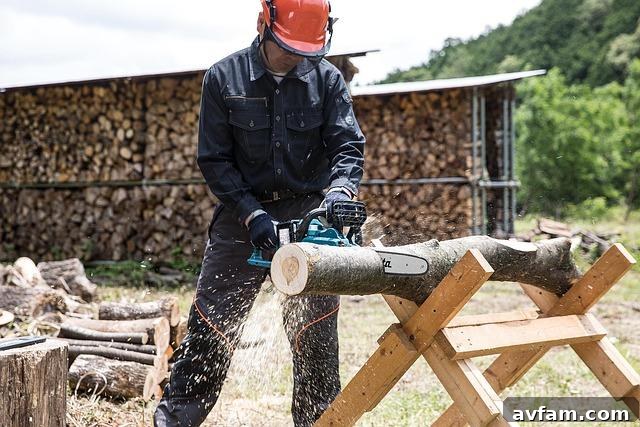
Years behind a chainsaw teach a property owner most practical skills for cutting timber, but they don’t always highlight how much protective gear has evolved in the last decade. A close call, or seeing a mate suffer a kickback, quickly makes the choice of protective trousers urgent. The terminology is dense and forum advice often conflicts, yet the risk is real: a chainsaw chain can pass through unprotected denim in under a second.
This guide outlines the four practical decisions that matter when choosing chainsaw protective trousers: protection type, class rating, fit, and managing heat in Australian conditions. It starts by explaining the difference between chaps and full protective trousers.
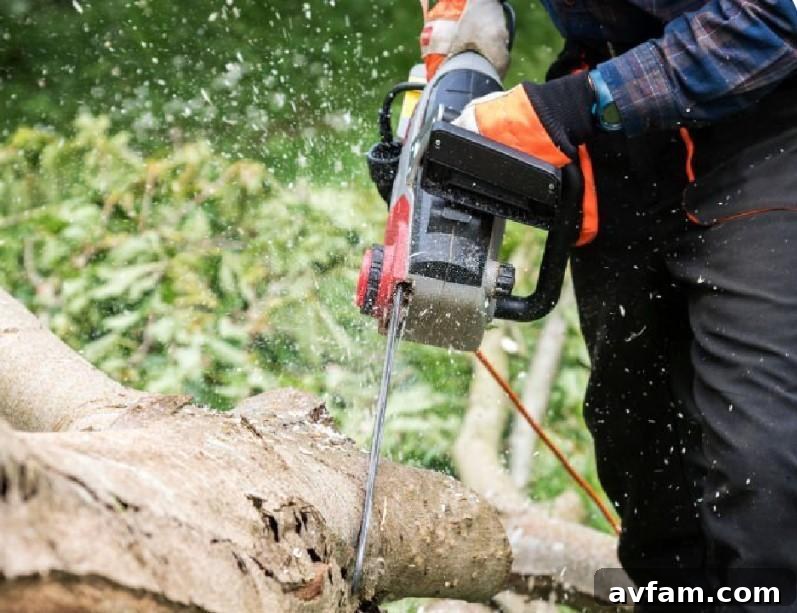
Source: RG Enterprises
Section 1: Trousers vs Chaps
Chaps and protective trousers address the same hazard in different ways. Chaps strap over regular pants and cover only the front of the legs; protective trousers are a full garment that wraps the entire leg. For occasional users who run a saw a few times a year, chaps remain a practical, low-cost option. For property owners who do varied cutting—fencelines, firewood and storm cleanup—chaps can quickly show their limitations.
The limitations appear in real work positions. Kneeling on a log, cutting at awkward angles or moving through debris often exposes the back of the calf or the side of the thigh—areas chaps were not designed to protect. The protective layer used in both formats works the same way: long, loose fibres are designed to catch in the chain and jam the sprocket within milliseconds, stopping the cut before it reaches the leg. Trousers simply provide broader coverage, better mobility and more comfort for longer sessions.
Section 2: Understanding Protection Classes
Protective trousers are grouped by protection type and class. Type A covers the front of the legs and is the common choice for ground-based cutting. Type C offers full circumference protection and is generally used by climbers and professionals where the saw may approach from any angle.
Within those types, garments are tested to resist specific chain speeds. Class 1 is rated to 20 metres per second, Class 2 to 24 metres per second and Class 3 to 28 metres per second. Most ground-based operators using saws up to around 70cc are well served by Type A, Class 1 trousers. Look for certifications such as EN ISO 11393 and AS/NZS 4453 on the label—these are recognised standards. Let the type of cutting guide your choice of type and class, not price or marketing claims.
Section 3: Heat, Weight, and Comfort in Australian Conditions
PPE left in the shed is of no use. In hot Australian summers, comfort becomes a safety issue: operators who overheat will either take shortcuts or stop wearing the gear. Older chainsaw trousers earned a reputation for being heavy, stiff and unsuitable for local conditions, which discouraged regular use.
Modern materials have addressed many of those problems. Lighter protective layers, ventilation panels and moisture-wicking outer fabrics are now combined with the same protective fibres used in heavier trousers. Summer-oriented designs often include mesh-lined leg vents, stretch panels at the knee and crotch, and lighter outer shells that improve airflow. Lightweight does not mean less protective when the garment carries the correct certification—the rating, not fabric weight, determines protection. Purpose-built options designed for warmer climates maintain required protection levels while improving comfort.
Section 4: Fit, Sizing, and Mobility for Real Bodies
Fit is a common failure point. Many chainsaw trousers are cut to European body shapes, while Australian users may be taller, broader or have a larger waist. A trouser that protects on paper but pinches at the waistband or rides up at the ankle restricts movement and creates safety hazards.
Important features include articulated knees, a gusseted crotch, an adjustable waist and availability in standard and tall leg lengths. To check fit, squat fully, kneel on one knee and lift a leg over an imagined log. The waistband should not dig in and the cuff should not ride above the boot. Consider brace compatibility if you use a tool harness. Whenever possible try the trousers on before buying and always compare the brand’s size chart to your measurements rather than guessing.
Section 5: Matching the Trouser to the Job
Choose trousers based on the actual cutting you do, not what you might imagine doing occasionally. For occasional firewood and storm cleanup, a Type A, Class 1 trouser in a lightweight construction is usually sufficient. For regular property maintenance, fenceline clearing and mixed cutting, Type A, Class 1 remains appropriate but reinforced knees and good ventilation become more important.
Heavy, sustained work with larger saws or cutting in awkward positions may justify stepping up to Class 2 or choosing a specialist trouser. Climbers and elevated work require Type C. A practical rule is to choose based on the next five years of likely work rather than the single job in front of the shed.
The Right Trouser for the Job
Picking chainsaw protective trousers comes down to four decisions: protection type, class rating, heat management and fit. When those are right, the trousers become gear an operator pulls on instinctively, trusts without worry, and forgets about until they quietly do their job.