

Lots of people feel calmer and more centered when they are near water. Many plan beach trips or cruises just to capture that sense of peace for a few days, but in 2026 an increasing number of buyers want that feeling every day by living on or near the coast. At the same time, buyers are more informed about risks such as storms, flooding, and insurance costs, and they’re prioritizing properties with infrastructure that addresses those issues directly.
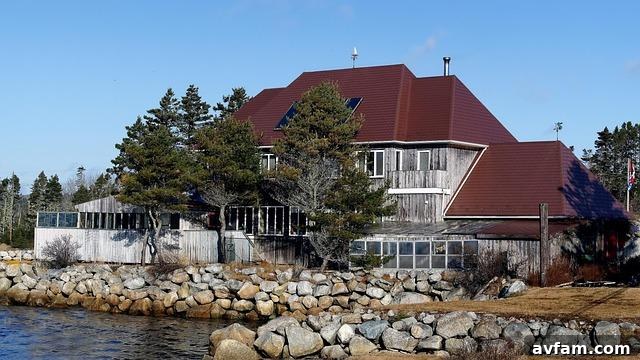
What “Blue Mind” Means
“Blue Mind” describes the calmer, clearer mental state many people experience when they’re near water. The term, coined by Wallace J. Nichols, reflects scientific observations about how oceans, rivers, and shorelines influence mood, creativity, and stress levels.
Simple experiences—listening to waves, watching the horizon, or walking along a shoreline—can reduce anxiety, improve mood, and boost creative thinking. For many, having regular access to those effects is a major reason to choose coastal living.
Why Coastal Living Is More Popular in 2026
Several forces are driving interest in coastal locations today. Remote work options allow people to live farther from city centers, and many choose areas that support wellness and balance. Being near water is linked to better sleep, reduced tension, and a stronger sense of well-being.
Retirees often favor coastal communities for the active outdoor lifestyle and the calmer pace compared with urban living. Families are drawn to the open spaces and opportunities for outdoor activities that help reduce screen time and encourage quality time together. These lifestyle benefits keep demand steady even amid changing economic conditions.
As demand grows, coastal markets attract buyers who are serious about combining daily access to water with long-term value.
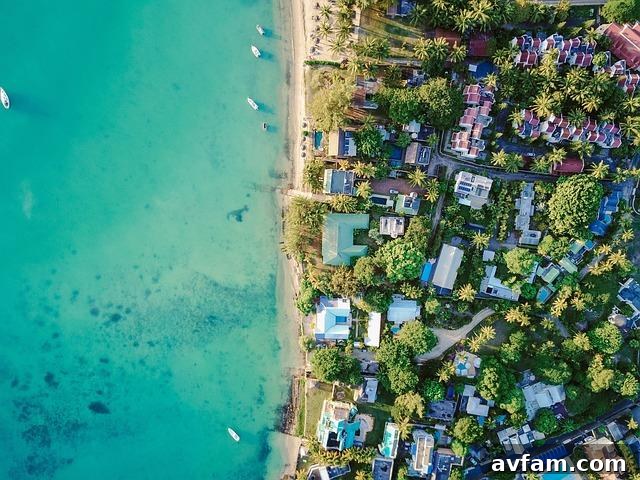
Why Coastal Infrastructure Makes These Properties a Smart Choice
For years, concerns about storms, flooding, and rising insurance costs kept many potential buyers from committing to coastal homes. Recently, though, infrastructure improvements and resilient building practices have changed the equation.
Newer coastal construction often raises homes on pilings so storm surge passes beneath living areas rather than flooding them. Modern windows, roofing materials, and structural systems are engineered to withstand much stronger winds. Beyond individual homes, communities are investing in reinforced shorelines, upgraded drainage, and other measures that reduce damage from heavy weather.
These investments matter for both safety and value: properties in well-prepared areas tend to retain value better and are easier to sell or rent. Limited coastal land combined with rising demand also supports long-term price appreciation in many markets.
That said, coastal living is not without risk. Severe weather and environmental changes remain realities. But in locations with strong infrastructure and thoughtful planning, homeowners can enjoy the daily benefits of waterfront life while minimizing constant concerns about damage and depreciation.
Coastal Infrastructure Aligns Lifestyle and Value
Robust coastal infrastructure doesn’t eliminate all risks, but it addresses the primary factors that once deterred cautious buyers. When that practical resilience is combined with the psychological benefits of living near water—better mood, reduced stress, and more opportunities for outdoor living—the result is a compelling package for many buyers in 2026.
For people who want their living environment to support both wellness and financial stability, coastal properties with strong infrastructure offer a balanced, attractive option.