
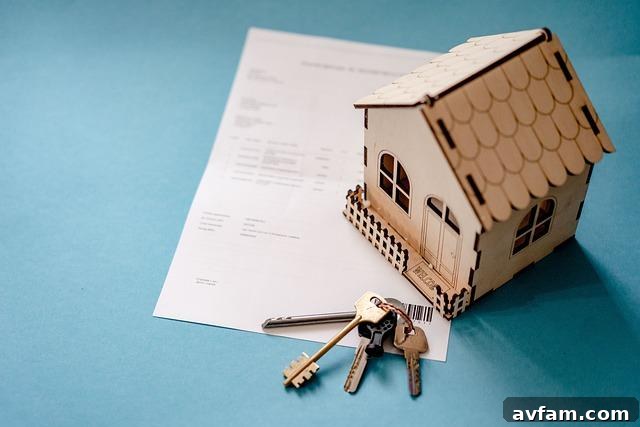
A grounded look at how owning a home can anchor long-term financial health — and what it takes to make it work.
Financial stability rarely occurs by chance. It requires deliberate choices, steady habits, and a clear understanding of which assets can help you build wealth over time. For millions, homeownership plays a central role in that strategy — not as a guaranteed windfall, but as a practical way to strengthen long-term finances.
The connection between owning a home and achieving financial stability is complex. It goes beyond securing a mortgage and making monthly payments. When approached with intention and planning, homeownership becomes a powerful tool for growing net worth, reducing vulnerability to financial shocks, and creating a foundation on which other goals can be built.

Why Homeownership Still Makes Financial Sense
With rents rising and economic uncertainty common, the argument for owning instead of renting remains strong. Rent payments cover housing for the month and offer no lasting return. Mortgage payments, by contrast, typically include principal reduction, which increases your ownership stake in a tangible asset.
That said, buying a home is not the right choice for everyone at every stage of life. Factors such as location, financial readiness, job stability, and personal priorities should guide the decision. For those ready to buy, though, the long-term benefits are significant and well-supported by data.
$300K+
Median net worth of homeowners vs ~ $8K for renters (Federal Reserve)
40×
Typical homeowner net worth vs renter net worth
66%
U.S. homeownership rate — a consistent majority
According to the Federal Reserve’s Survey of Consumer Finances, homeowners typically hold much higher net worth than renters. That gap is largely explained by equity — the ownership stake accumulated as mortgage principal is paid down and property values appreciate.
Building Equity: Your Home as a Financial Asset
Equity is the portion of your home you actually own: the difference between market value and outstanding mortgage balance. As you pay down principal and as your property appreciates, equity increases.
This is where homeownership compounds value. Unlike a car, which loses value the moment you drive it off the lot, residential real estate has historically appreciated over the long term. Appreciation varies by market and year, but the general trend in many U.S. regions has been upward.
Equity is more than a line on a balance sheet; it represents financial power built through disciplined payments and market appreciation.
How You Can Put Equity to Work
Once you’ve built meaningful equity, it becomes a resource you can access for constructive purposes. Home equity loans or lines of credit let you borrow against that value, often at rates lower than unsecured loans or credit cards. Common uses include home improvements that increase value, consolidating high-interest debt, or covering major expenses without dismantling your broader financial plan.
Used strategically, your home becomes both shelter and a financial tool. The key is discipline and a clear purpose for any funds tapped from equity.
Homeownership as a Forced Savings Mechanism
One often-overlooked benefit of owning a home is its role as a forced savings vehicle. Each mortgage payment typically includes a portion that reduces principal — money you would not likely save on your own if you were renting.
Many people find saving difficult amid everyday expenses. A mortgage creates a consistent, non-negotiable contribution toward an asset that generally grows in value. That enforced habit can be a powerful driver of long-term financial progress.
Planning Tip
Making an extra principal payment once a year can shorten a 30-year mortgage by several years and save tens of thousands in interest. Small, consistent actions compound meaningfully over time.
The Psychological Dimension
Homeownership also affects behavior. The obligations of ownership — mortgage payments, property taxes, maintenance, insurance — tend to encourage more deliberate financial habits. Those responsibilities create a budgetary structure that renting often lacks.
Behavioral research suggests that structured financial commitments can improve money management. In this way, homeownership not only builds wealth directly but can foster the habits that support broader financial health.

Tax Advantages That Reduce Your Burden
Homeownership offers several tax benefits that can lower your annual tax burden. While tax rules change and individual situations differ, many homeowners see meaningful relief from common provisions.
The mortgage interest deduction allows homeowners who itemize to deduct mortgage interest from taxable income, which can be especially valuable in the early years of a mortgage when interest comprises a larger share of payments. Property tax deductions may provide additional relief, depending on local rates and rules.
When you sell a primary residence, the capital gains exclusion can shelter a substantial portion of profit from taxes: up to $250,000 for single filers and up to $500,000 for married couples filing jointly, as long as residency and other conditions are met.
Stability Beyond the Numbers
Financial planning is about more than accumulation; it’s about reducing vulnerability to shocks and creating predictability. Homeownership contributes to that stability in important ways.
Fixed-rate mortgages, for example, provide predictable monthly payments for 15 or 30 years. Rent, by contrast, can rise with market conditions. That predictability is a form of security many renters do not enjoy.
Owning a home also offers a hedge against inflation. As prices rise, so can the value of real assets. Over time the dollars you borrowed can be worth less in real terms, which can lower your real housing cost while your asset’s value may increase.
Common Mistakes to Avoid
Homeownership is a valuable tool only when managed wisely. Common mistakes can turn an asset into a liability, so awareness matters.
Buying more home than you can comfortably afford is the most common error. Stretching your budget leaves little room for unexpected expenses like repairs or medical bills. Financial experts often recommend keeping total housing costs below about 28–30% of gross monthly income.
Neglecting maintenance is another risk. Deferred upkeep can degrade a property’s value. Regular maintenance, even when it seems costly, preserves and often enhances your investment.
Finally, treating home equity as a limitless source for discretionary spending can be damaging. Access equity with purpose — for investments that improve long-term financial health — rather than draining it for lifestyle expenses that add little lasting value.
Conclusion
Homeownership is not a cure-all. It demands preparation, discipline, and ongoing financial attention. But when approached thoughtfully, it offers a durable, appreciating foundation that can support the rest of your financial life. The journey to stability is rarely straight, but for many people, owning a home remains one of the most reliable steps along that path.