

Home should be a place where you feel relaxed and comfortable, but sometimes it can start to feel cramped. Whether you need room for a growing family, a home office, or a brighter area to unwind, expanding your living space doesn’t always require a big budget. With practical planning, creative thinking, and a few cost-saving tactics, you can make your home feel larger and more functional without overspending.
Adding space is more achievable than it seems. From do-it-yourself projects to small professional investments, there are many options to consider. Below are effective, budget-friendly strategies to expand your home while keeping costs under control.
Plan Smartly
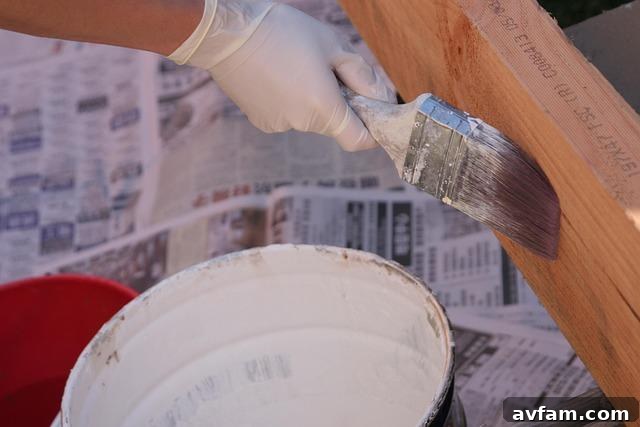
Start by defining your needs. Identify which rooms feel tight and how you plan to use any new space—extra bedroom, workshop, play area, or outdoor living zone. A clear purpose helps guide design choices and keeps scope creep in check.
Create a realistic budget that includes materials, labor, permits, and a contingency for unexpected costs. Research local permit requirements early, since compliance can affect timelines and expenses. Thoughtful planning up front will save time and money later.
Work with a Home Addition Contractor
If your project requires structural changes or building an addition, a qualified contractor can be an invaluable partner. A local professional understands building codes, permit processes, and cost-effective construction methods. They can help translate your ideas into practical plans and recommend economical materials or design tweaks to reduce cost without sacrificing quality.
Hiring a contractor also reduces the burden of managing every detail, which is useful if you’re balancing work and family. Good communication and a clear contract will help the project stay on schedule and within budget.
Do-It-Yourself Projects
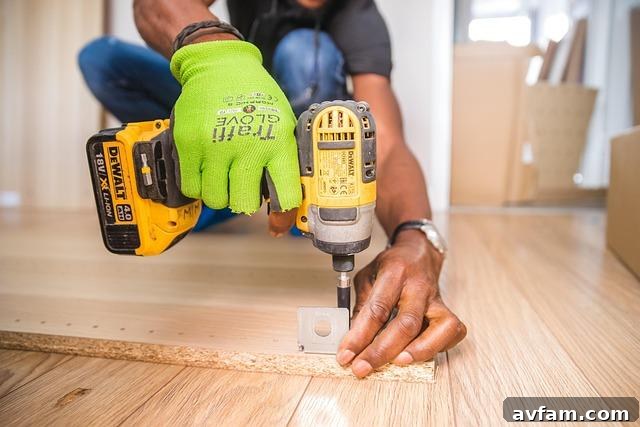
DIY projects are one of the most economical ways to expand usable space. While a major addition might be out of reach, you can often convert underused areas—like attics, basements, or garages—into functional rooms with careful planning and basic skills.
Outdoor improvements are another affordable route. A simple deck, patio, or gravel seating area can effectively extend living space outdoors. Add inexpensive touches—string lights, modular furniture, and a fire pit—to create an inviting atmosphere for gatherings without the cost of interior construction.
Choose Affordable Materials
Material choices have a big impact on cost. Consider durable, budget-friendly alternatives such as engineered wood, composite decking, or high-quality laminates that mimic pricier finishes. These materials can deliver good aesthetics and longevity at a lower price point.
Look for reclaimed or second-hand materials at salvage yards and online marketplaces. Reclaimed doors, flooring, or fixtures can add character and save money while supporting sustainable practices.
Maximize Existing Space
Often the most cost-effective expansion is a reconfiguration of what you already have. Decluttering makes rooms feel larger immediately. Pare down items you rarely use and organize the rest to free up space.
Create multifunctional rooms to get the most out of every square foot. A guest room with a fold-out desk or a dining area that doubles as a home office lets you meet multiple needs without adding square footage. Simple adjustments—rearranging furniture, choosing smaller pieces, or adding mirrors—can change how a room feels.
Embrace Vertical Space
Use vertical space to increase storage and functionality without sacrificing floor area. Tall shelves, wall-mounted cabinets, and overhead storage systems make use of otherwise wasted space. Built-in shelving can be both practical and decorative, freeing floors and surfaces from clutter.
Vertical gardens and hanging planters also add greenery without taking up living area, improving aesthetics and air quality.
Leverage Natural Light
Bright spaces feel larger and more welcoming. Maximize natural light by using light-reflective paint colors, keeping window treatments minimal, and positioning mirrors to bounce light around a room. Where feasible, consider adding windows, glass doors, skylights, or sun tunnels to increase daylight and openness.
Create Outdoor Living Areas
Outdoor spaces greatly increase usable square footage, especially in fair-weather months. Constructing a pergola, gazebo, or simple patio creates an additional “room” for dining, relaxing, or entertaining. Furnish it with weatherproof seating, rugs, and lighting to make the area comfortable and inviting.
Upgrades like a built-in grill, a small outdoor kitchen, or a fire pit can transform your backyard into a primary entertainment space at a fraction of the cost of an indoor addition.
Adopt Smart Storage Solutions
Good storage reduces clutter and helps rooms function better. Choose furniture with built-in storage—beds with drawers, ottomans that open, or coffee tables with compartments. Use under-bed boxes, closet organizers, and labeled bins to keep items accessible without crowding living areas.
Designate specific storage zones so everything has a place. This habit not only keeps your home tidy but also makes spaces feel larger and more purposeful.
Expanding your home on a budget is about prioritizing needs, using creativity, and making thoughtful investments. Whether through modest renovations, smart reconfiguration, or enhanced outdoor living, small changes can yield big improvements in comfort and functionality. With planning and resourcefulness, you can create a home that fits your life and your budget.