
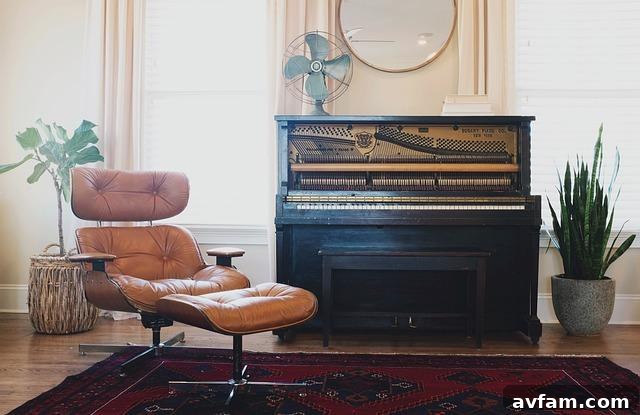
Transforming a room doesn’t have to involve messy demolitions or a complete furniture overhaul. Often, the most impactful and cost-effective way to enhance your home’s comfort and style begins right under your feet. The right area rug can do more than just cover your floors; it can anchor furniture, define distinct zones in open-plan spaces, add a layer of warmth and comfort, and introduce a powerful dose of color and personality. It’s a foundational design element that can unify a room’s decor, making it feel complete and polished without a significant investment.
Many interior designers and savvy homeowners use area rugs as the starting point for a room’s design, building a color palette and style around a single, statement piece. Others use them to add a finishing touch to a space that feels stark or unfinished. A well-chosen rug can soften hard surfaces like wood or tile, reduce echo in large rooms, and provide a cozy surface for your family to enjoy. Brands like Serena & Lily have championed the art of using rugs to create relaxed, layered interiors, proving that this versatile accessory is essential for both modern and traditional homes.
The Foundation of Style: Mastering Rug Sizing
One of the most common decorating mistakes is selecting an area rug that is too small for the space. An undersized rug can make a room feel disjointed and smaller than it actually is, appearing like an isolated island rather than a unifying anchor. The goal is to choose a size that creates a sense of balance and proportion, connecting the various furniture pieces within a zone.
Living Room Rug Sizing
In a living room, the rug should be large enough to connect the main seating elements. There are three primary rules for placement:
- All Legs On: For a luxurious and cohesive look, choose a rug large enough for all furniture legs (sofa, chairs, coffee table) to sit entirely on top of it. This works especially well in larger rooms.
- Front Legs On: The most popular and versatile option. The rug should be big enough for the front legs of your sofa and armchairs to rest on it. This visually tethers the furniture together, creating a defined conversation area.
- Coffee Table Only: This is best reserved for smaller spaces. Only the coffee table sits on the rug, which should still be proportionate to the seating area. The rug should be larger than the coffee table but not so small that it feels lost.
As a general guideline, leave about 18 to 24 inches of bare floor between the edges of the rug and the walls of the room to avoid making the space feel cramped.
Dining Room Rug Sizing
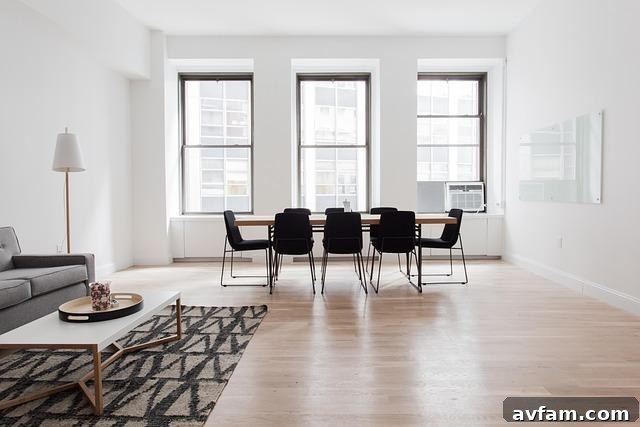
In the dining room, the rule is simple but crucial: the rug must be large enough to accommodate the table and all the chairs, even when they are pulled out for seating. Measure your dining table, then add at least 24 to 30 inches on all sides. This ensures that chair legs don’t snag on the edge of the rug when people sit down or stand up, preventing both frustration and a potential tripping hazard.
Bedroom Rug Sizing
A bedroom rug should provide a soft, warm landing for your feet when you get out of bed. The ideal rug extends at least 18 to 24 inches beyond the sides and foot of the bed. For a queen or king bed, this often means an 8’x10′ or 9’x12′ rug. Alternatively, you can place two smaller runners on either side of the bed for a similar effect.
Pro Tip: Before you buy, use painter’s tape to outline the dimensions of your potential rug on the floor. This simple visualization trick allows you to see exactly how the size will interact with your furniture and the overall room proportions, preventing a costly mistake.
Decoding Rug Materials: A Guide to Durability and Comfort
The material of your rug determines its feel, durability, and maintenance requirements. Choosing the right fiber for the right space is key to ensuring your investment lasts.
Natural Fibers
- Wool: A timeless and popular choice, wool is renowned for its durability, softness, and natural resistance to stains and soil. It’s an excellent choice for high-traffic areas like living rooms and hallways. Wool rugs are also naturally flame-retardant and provide excellent insulation.
- Cotton: Often found in flatweave and braided rugs, cotton is a more affordable and casual option. It’s generally easy to clean (many smaller cotton rugs are machine washable), making it suitable for kitchens, kids’ rooms, and casual spaces.
- Jute and Sisal: These natural plant fibers offer a beautiful, earthy texture that’s perfect for creating a relaxed, coastal, or rustic look. They are very durable and ideal for layering under softer rugs. However, they can be coarse underfoot and are susceptible to water damage.
Synthetic Fibers
- Polypropylene (Olefin): This is a highly durable and budget-friendly synthetic material. It’s incredibly stain-resistant, easy to clean, and doesn’t fade, making it the perfect choice for high-traffic indoor areas, outdoor patios, and homes with children and pets.
- Nylon: One of the most resilient synthetic fibers, nylon is exceptional at resisting wear and tear. It holds its shape well, making it a fantastic option for hallways, stair runners, and family rooms where furniture is often moved.
For spaces dedicated to relaxation, like bedrooms or a quiet reading nook, prioritize comfort. Plush, high-pile rugs in materials like wool or soft synthetics can create a luxurious, inviting atmosphere that encourages you to kick off your shoes and relax.
The Art of Zoning: Using Rugs in Open-Concept Homes
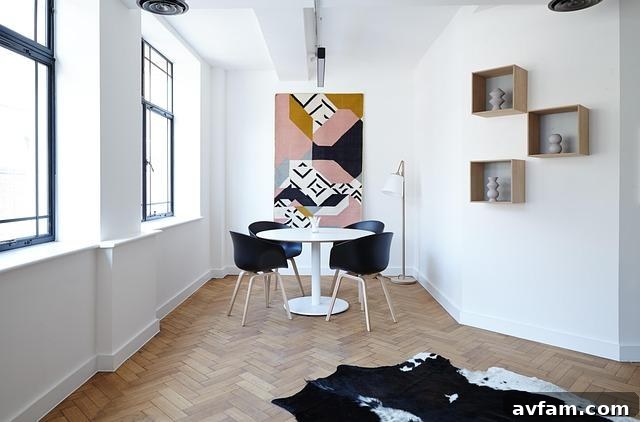
Open-concept floor plans are a hallmark of modern living, but their vastness can sometimes feel cold or undefined. Area rugs are the single best tool for creating visual “zones” without putting up walls. They effectively create rooms within a room, designating specific areas for different activities.
In a large great room, you can use one rug to define the living area, another to delineate the dining space, and perhaps a third to carve out a small home office or play area. This technique brings order and purpose to the space, making it feel more organized and intuitive to use. The key is to ensure the rugs complement each other in color or style, creating a harmonious flow rather than a visual clash.
This concept extends to your outdoor spaces as well. Durable, weather-resistant outdoor rugs have revolutionized how we use patios, decks, and porches. They can transform a simple concrete slab into a comfortable and stylish outdoor living room, perfect for entertaining or relaxing.
Beyond the Basics: Adding Personality with Color, Pattern, and Texture
A rug is a fantastic canvas for expressing your personal style. It offers a low-commitment way to experiment with bold colors and intricate patterns that you might be hesitant to use on walls or large furniture pieces.
- Color: In a room with neutral furniture and walls, a vibrant, colorful rug can serve as a stunning focal point, injecting energy and life into the space. Conversely, if your room is already full of color, a neutral rug in a shade of cream, gray, or beige can provide a calming foundation that grounds the decor.
- Pattern: From classic oriental designs to modern geometric prints, patterns can add significant visual interest. A patterned rug can hide minor stains and dirt, making it a practical choice for busy areas. Just be mindful of scale—a large, bold pattern works best in a spacious room, while a smaller, more intricate pattern is better suited for a cozier space.
- Texture & Layering: Don’t underestimate the power of texture. A high-pile shag rug adds instant coziness, while a flat-weave jute rug brings a natural, organic feel. Layering rugs is a popular design trend that adds incredible depth and sophistication. Try placing a smaller, more plush, or patterned rug over a larger, neutral base like a sisal or jute rug to create a curated, designer look.
Protect Your Investment: Essential Rug Care and Maintenance Tips
Proper care will significantly extend the life and beauty of your rug. Following a few simple maintenance steps will keep it looking its best for years to come.
- Use a Rug Pad: A quality rug pad is non-negotiable. It prevents your rug from slipping, protects your floors from scratches, adds an extra layer of cushioning, and helps absorb impact, which reduces wear on the rug’s fibers.
- Vacuum Regularly: Vacuum your rug at least once a week (more in high-traffic areas) to remove dirt and grit that can wear down the fibers over time. If your rug has a fringe, be careful not to catch it in the vacuum’s beater bar.
- Rotate Periodically: Rotate your rug 180 degrees every 6 to 12 months. This ensures even wear from foot traffic and helps prevent uneven fading from sunlight exposure.
- Address Spills Immediately: The key to stain removal is speed. Blot spills with a clean, dry cloth—never rub, as this can push the stain deeper into the fibers. For tougher stains, consult the manufacturer’s cleaning instructions.
- Consider Professional Cleaning: For a deep clean that removes embedded dirt, have your high-quality rugs professionally cleaned every 12 to 18 months.
Final Thoughts: The Transformative Power of the Perfect Rug
Meaningful home upgrades don’t always require a contractor and a cloud of dust. Sometimes, the most profound changes come from thoughtful design choices. An area rug is one of the most powerful tools in your decorating arsenal. It has the unique ability to add warmth, absorb sound, define space, and tie all the elements of a room together into a cohesive and inviting whole.
By carefully considering size, material, and style, you can select a rug that not only enhances your decor but also fundamentally improves how your space looks, feels, and functions. It’s an investment in comfort and style that pays dividends every single day.