
Proactive property care, often called preventive maintenance, is the cornerstone of smart ownership. It involves a strategic schedule of inspections, servicing, and minor repairs designed to keep every system in your property operating at peak efficiency. This approach stands in stark contrast to reactive maintenance, where problems are only addressed after they have already caused damage or failure. By adopting a preventive strategy, property owners can effectively minimize risks before they escalate into costly emergencies. This forward-thinking mindset not only leads to significant long-term financial savings but also enhances the property’s overall value, safety, and reliability. From the intricate plumbing hidden within the walls to the durable outdoor surfaces that face the elements, every component of a property thrives under consistent, thoughtful care.
The Ultimate Guide to Preventive Property Maintenance for Every Owner
Understanding the unique demands of different property types is the first step in creating an effective maintenance plan. Residential and commercial properties, while sharing some common needs, have distinct maintenance profiles driven by their usage, scale, and regulatory environment.
Residential Property Maintenance: Protecting Your Home
For homeowners, preventive maintenance is about safeguarding their family’s comfort, safety, and financial investment. Homes typically require less frequent but highly specific servicing. The focus is on preserving the structural integrity, ensuring the longevity of key systems like HVAC and plumbing, and maintaining the aesthetic appeal that contributes to resale value. A residential plan should prioritize tasks like annual furnace inspections, seasonal gutter cleaning, and regular checks of smoke and carbon monoxide detectors to ensure a safe and comfortable living environment.
Commercial Property Maintenance: Ensuring Business Continuity
Commercial properties, on the other hand, face a more complex set of challenges. These spaces endure heavier foot traffic, more intensive use of utilities, and must adhere to a stringent set of safety and accessibility standards. For a commercial property owner, maintenance is not just about preservation; it’s about business continuity, tenant satisfaction, and risk mitigation. An effective plan must account for compliance with fire codes, ADA accessibility requirements, and liability risks. This includes regular inspections of fire suppression systems, emergency lighting, and ensuring that public-facing areas are safe and well-maintained. A customized approach, tailored to the property’s specific size, industry use, and installed systems, is crucial to ensure that no critical component is overlooked.
A Deep Dive into Interior Preventive Maintenance Essentials
The interior systems of a building are the heart of its daily operations, directly impacting comfort, safety, and functionality. A systematic approach to their upkeep is non-negotiable.
HVAC System Health
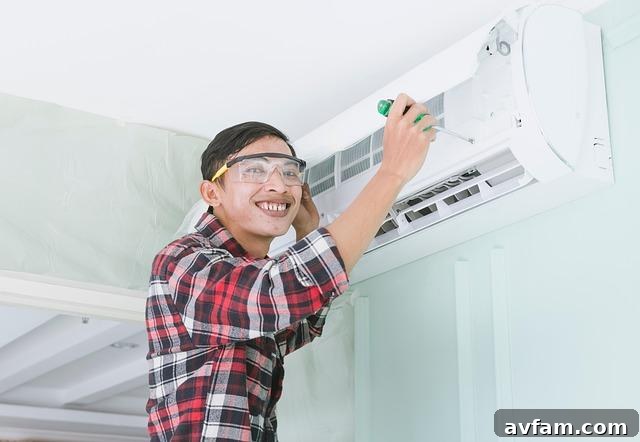
Your Heating, Ventilation, and Air Conditioning (HVAC) system is vital for maintaining comfortable temperatures and healthy indoor air quality. Regular inspections are key to its longevity and efficiency. Something as simple as changing air filters every 1-3 months can dramatically improve airflow, reduce energy consumption, and prevent dust and allergens from circulating. Scheduling professional seasonal servicing ensures that the system is calibrated for the upcoming weather, preventing unexpected breakdowns during extreme heat or cold and keeping your energy bills in check.
Plumbing System Integrity
Plumbing issues can escalate from a minor annoyance to a catastrophic failure in a short time. A preventive plumbing checklist should include regular checks for subtle leaks under sinks and around toilets, inspecting pipes for signs of corrosion, and monitoring water pressure. Flushing your water heater annually to remove sediment buildup can extend its life and improve its efficiency. Addressing small drips and running toilets promptly not only conserves water but also prevents the long-term water damage that can compromise your property’s structure.
Electrical System Safety
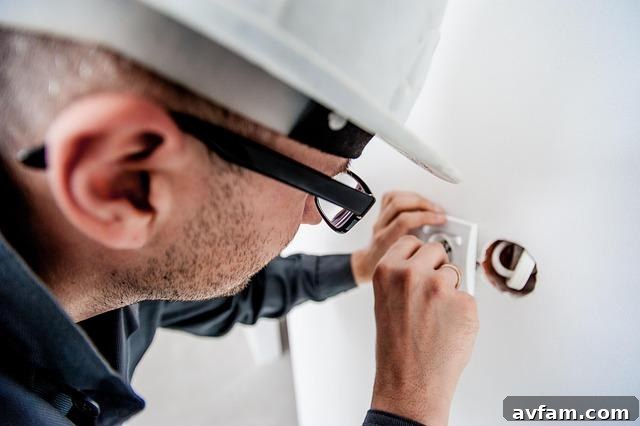
Electrical systems demand the utmost respect and attention. Routine inspections are crucial for preventing fire hazards and ensuring safety. This includes testing ground fault circuit interrupter (GFCI) outlets, checking for overloaded circuits, and ensuring that all outlets and switches are functioning correctly and are cool to the touch. It’s also wise to schedule a professional electrical audit every few years to identify any outdated wiring or potential hazards that may not be visible.
Mastering Exterior Maintenance and Structural Upkeep
A property’s exterior is its first line of defense against the elements. Diligent exterior maintenance is just as critical as interior care for preserving structural integrity and curb appeal.
Roofing and Gutter Systems
The roof is your property’s primary shield. Regular roof inspections, especially after major storms, help identify damaged or missing shingles, deteriorated flashing, and other areas of wear before a leak can develop. Equally important is the gutter system. Clogged gutters can cause water to overflow and pool around the foundation, leading to serious structural damage and basement flooding. Keeping them clean and ensuring downspouts direct water far away from the building is a simple but powerful preventive measure.
Foundation, Siding, and Walls
The structural shell of your building requires constant vigilance. Periodically inspect the foundation for cracks or signs of shifting. Check siding for rot, pest damage, or warping, and ensure that the seals around windows and doors are intact to prevent drafts and moisture intrusion. Maintaining proper drainage and grading around the property is essential to channel water away from the foundation and prevent soil erosion that could compromise its stability.
The Critical Role of Regular Septic System Maintenance
For properties not connected to a municipal sewer, the septic system is a vital piece of infrastructure that is too often ignored until it fails. These self-contained wastewater treatment systems require consistent care to function safely and effectively. Neglecting maintenance can lead to tank overloads, sewage backups into the home, foul odors, and serious environmental and health hazards.
Early warning signs of septic trouble include slow-draining sinks and toilets, gurgling sounds in the plumbing, or patches of unusually lush grass or pooling water over the drain field. A routine schedule of professional inspections and pumping is the best way to prevent these issues. Regular servicing removes the accumulated solids, ensures all mechanical components are working, and can dramatically extend the system’s lifespan. For property owners in the Winnipeg area, ensuring your system is managed by experts is key. To maintain efficiency and safety, contact a trusted provider for professional Septic Tank Cleaning Winnipeg and keep your system in optimal condition.
Preserving Safety and Value with Asphalt Paving Repair
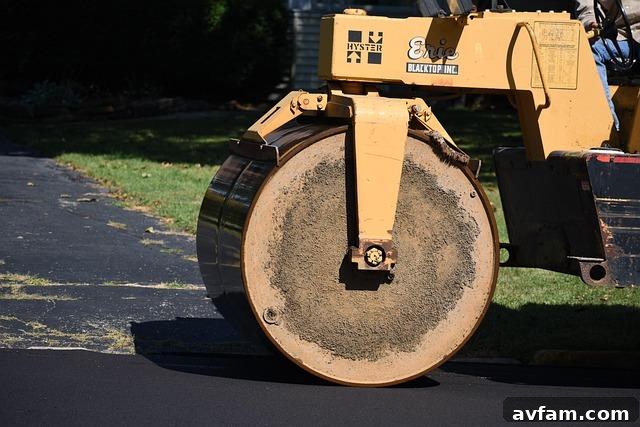
Outdoor surfaces like driveways, walkways, and parking lots are under constant assault from traffic, weather, and temperature fluctuations. Over time, asphalt surfaces can develop cracks, potholes, and general deterioration. Addressing these issues proactively is essential for safety, appearance, and preventing more extensive damage.
Regular visual inspections can help you catch small cracks before they widen and allow water to penetrate the sub-base, which leads to larger, more expensive problems like potholes. Applying a protective sealcoat every few years provides a barrier against UV rays, water, and oil spills, effectively extending the life of the asphalt. Timely repairs not only maintain a safe, smooth surface but also prevent potential liability issues from trips and falls. Neglecting surface damage will inevitably lead to higher reconstruction costs down the road.
To ensure high-quality, lasting results, it is crucial to work with experienced professionals. For those needing Calgary asphalt paving services, seeking out experts who can accurately assess the damage and recommend the most effective and cost-efficient repair solutions is the best path forward.
Your Year-Round Seasonal Maintenance Checklist
Property maintenance needs shift with the seasons. A proactive, seasonal approach ensures you are always prepared for what Mother Nature has in store.
- Spring: As the weather warms, focus on recovery and preparation. Inspect the roof for winter damage, clean out gutters and downspouts, service your air conditioning system before the first heatwave, and check for any signs of pests.
- Summer: This is the time for major exterior projects. Inspect decks and patios for needed repairs, check for cracks in driveways, and manage landscaping to ensure trees and shrubs are not encroaching on the structure.
- Fall: Prepare your property for the cold months ahead. Clear debris from the yard, schedule a furnace inspection, check and seal any gaps in windows and doors to prevent heat loss, and insulate exposed pipes to prevent freezing.
- Winter: Focus on safety and interior efficiency. Monitor the heating system, keep walkways and driveways clear of ice and snow, check for ice dams on the roof, and test carbon monoxide detectors regularly.
Creating and Implementing Your Preventive Maintenance Plan
A well-organized maintenance plan is the key to consistency and success. Start by creating a detailed checklist of all systems and components in your property. Categorize these tasks by frequency—monthly, quarterly, semi-annually, and annually.
Next, establish a realistic budget. A common rule of thumb is to set aside 1-3% of your property’s value each year for maintenance and repairs. This financial planning helps avoid the stress of unexpected expenses. Keep meticulous records of all inspections, repairs, and services performed. This log provides a valuable history of your property’s condition and helps in planning future work.
Finally, understand the line between DIY tasks and those requiring a professional. While tasks like changing filters or cleaning gutters are manageable for most, complex work on electrical, plumbing, or structural systems should always be left to licensed and insured experts. Investing in professional help ensures the job is done correctly, safely, and to code, protecting your property for years to come.