
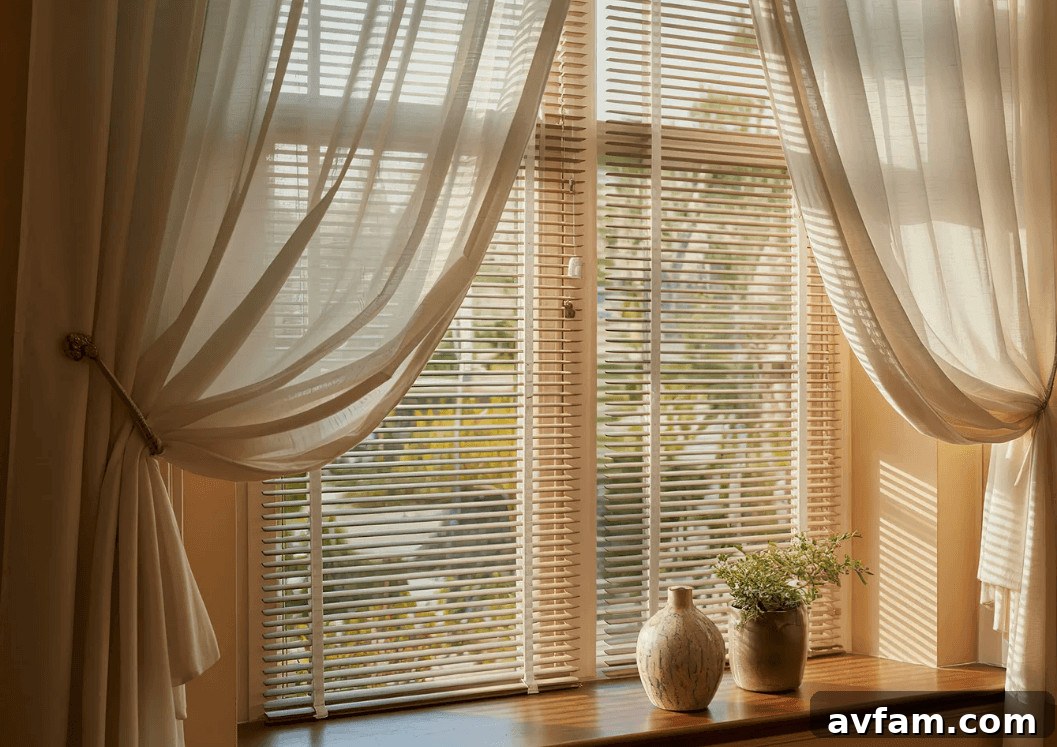
Your home is your sanctuary, a place where comfort, peace, and security should always be paramount. At the heart of creating such an environment are your windows. Far more than just openings that let in light, windows are crucial architectural elements that significantly influence your home’s energy efficiency, indoor climate, acoustic comfort, and overall aesthetic appeal. They serve as the primary barrier between your interior living spaces and the external environment, regulating everything from natural light and ventilation to temperature fluctuations and unwelcome noise.
Over time, even the highest quality windows can succumb to wear and tear. Drafts become noticeable, frames may warp, condensation might appear between panes, and perhaps most tellingly, your energy bills begin to climb without explanation. These are common indicators that your existing windows are failing to perform their essential functions. It’s at this point that many homeowners find themselves searching online for terms like “window replacement near me,” recognizing the pressing need for an upgrade. Investing in modern window replacement is not merely a repair; it’s a strategic home improvement project that profoundly enhances daily comfort, drastically reduces energy consumption, and concurrently elevates your property’s market value.
Why Modern Window Replacement is a Smart Investment for Your Home
Upgrading your home’s windows is one of the most impactful improvements you can undertake. It’s an investment that pays dividends in multiple ways, from immediate comfort gains to long-term financial and environmental benefits.
Unparalleled Energy Efficiency and Significant Cost Savings
One of the most compelling reasons to consider new windows is the dramatic improvement in energy efficiency they offer. Older, single-pane windows are notorious for their poor insulation properties, allowing significant heat transfer. This means warm air escapes in winter, and cool air leaks out in summer, forcing your heating and cooling systems to work harder and consume more energy. This inefficiency directly translates into higher utility bills and a less comfortable living environment.
Modern window systems are engineered with advanced technologies to combat this energy loss effectively. Upgrading from single-pane windows to double- or even triple-pane options is a foundational step. These contemporary units feature multiple panes of glass with hermetically sealed air or inert gases like argon or krypton between them. This gas-filled space acts as a superior insulator, drastically reducing heat transfer through the window. These innovations make a substantial difference in maintaining a stable indoor climate regardless of outside temperatures.
Furthermore, many of these state-of-the-art windows incorporate low-emissivity (Low-E) glass coatings. These microscopic, metallic layers are virtually invisible but play a critical role in blocking specific wavelengths of light. In warmer climates, Low-E coatings help reflect solar heat away from your home, keeping interiors cooler and reducing the strain on air conditioning. In colder climates, they reflect heat back into your home, helping to retain warmth and lower heating costs. The result is a more stable indoor temperature, less reliance on HVAC systems, and a noticeable reduction in your monthly utility bills. This kind of upgrade on residential design not only improves comfort but also significantly reduces the energy needed to maintain it.
Enhanced Interior Protection and Optimal Comfort
Beyond temperature regulation, Low-E glass coatings also reduce the amount of harmful ultraviolet (UV) radiation that enters your home. UV rays are a primary cause of fading and damage to flooring, furniture, artwork, and other interior furnishings. By filtering these rays, modern windows help preserve the vibrancy and integrity of your home’s interior decor, extending the life of your valuable possessions. This added protection contributes to a more comfortable living environment by preventing uncomfortable hot spots and glare caused by direct sunlight, allowing you to enjoy your living spaces more fully.
Boosting Home Value and Curb Appeal with New Windows
Home window replacement is consistently ranked among the top home improvement projects for return on investment. New, energy-efficient windows are a highly attractive feature for prospective homebuyers, signaling a well-maintained and modern property. They enhance your home’s curb appeal, making it more inviting and visually appealing from the street. The aesthetic flexibility of modern frames, combined with their superior performance, contributes significantly to both the perceived and actual value of your home, making it a wise investment for future resale.
The Aesthetic Flexibility of Modern Window Designs
Today’s windows are not just about superior performance; they are also powerful design elements that allow homeowners to express their personal style and enhance their home’s architectural character. The right windows can transform the entire look and feel of a property.
Diverse Frame Materials and Stylish Finishes
The market now offers an extensive range of frame materials, each with unique advantages in terms of aesthetics, durability, and maintenance. Popular options for new windows include:
- Vinyl Windows: Renowned for their exceptional energy efficiency, durability, and low maintenance. Vinyl frames come in a wide array of colors that are integrated directly into the material, ensuring long-lasting appeal without the need for painting. They are an economical yet high-performing choice for any home.
- Fiberglass Windows: Offer superior strength and stability, making them incredibly durable and resistant to warping, rotting, or expanding. Fiberglass frames can beautifully mimic the look of wood and can be painted, providing significant design flexibility. They are an excellent choice for longevity, high energy performance, and structural integrity.
- Wood Windows: Prized for their timeless elegance and natural beauty, wood windows offer excellent insulation properties. They can be stained or painted to match any interior or exterior design scheme, providing a classic, warm aesthetic. While requiring more maintenance than vinyl or fiberglass, their unmatched traditional appeal is often worth the effort.
- Aluminum Windows: Known for their sleek, contemporary appearance and exceptional strength, aluminum frames are ideal for large glass areas and modern architectural styles. While less energy-efficient than other materials unless thermally broken, they offer superior durability and minimal maintenance, making them suitable for specific design requirements.
Beyond materials, there’s a wide range of finishes available, including realistic wood-grain textures and a spectrum of modern color options. Whether your home leans toward a clean, minimalist style, a traditional aesthetic, or something in between, it is easier than ever to find window styles that perfectly complement your design vision.
Optimizing Light and Space with Slimmer Frames
A significant advantage of modern window engineering is the development of slimmer, more robust frames. This innovation allows for larger glass areas within the same window opening, inviting more natural light into your home. Increased natural light not only brightens rooms but also makes spaces feel more expansive, open, and inviting. Depending on your design goals, the sleek profile of modern frames can either blend seamlessly into the background, allowing the view to take center stage, or stand out as a distinctive architectural feature, adding character and depth to your home’s exterior and interior.

Choosing the Right Window Styles for Every Home
The variety of window styles available today ensures there’s a perfect fit for every functional need and aesthetic preference, allowing for customized solutions for every room:
- Double-Hung Windows: Classic and versatile, both sashes slide vertically, offering excellent ventilation control and easy cleaning.
- Casement Windows: Hinged on the side, they crank open outward, providing maximum ventilation and an unobstructed view. Their tight seal makes them highly energy-efficient when closed.
- Awning Windows: Hinged at the top, they open outward, offering ventilation even during light rain, often placed higher on walls for privacy or above other window types.
- Slider Windows: Operate by sliding horizontally, ideal for openings where width is greater than height, common in contemporary homes and areas needing wide, unobstructed views.
- Picture Windows: Stationary windows designed to maximize views and natural light, offering superior energy efficiency due to their fixed nature, perfect for showcasing scenic views.
- Bay and Bow Windows: Project outward from the house, creating extra space and enhancing architectural interest. Bay windows typically have three openings, while bow windows feature four or more, creating a more gentle curve. They often feature a combination of fixed and operational windows.
Acoustic Insulation for a Quieter Home Environment
In today’s increasingly noisy world, maintaining peace and quiet within your home has become a luxury. External noise pollution, whether from busy roads, urban environments, or nearby amenities, can significantly impact your quality of life, leading to stress and discomfort. Noise control is another primary reason many homeowners choose to upgrade their windows, especially in bustling neighborhoods or areas with heavy traffic.
Modern window units are expertly designed to mitigate sound transmission, transforming noisy spaces into peaceful sanctuaries. They achieve this through several innovative features:
- Multiple Panes of Glass: Similar to thermal insulation, the use of double-pane windows or triple panes of glass creates air or gas pockets that act as effective sound barriers, dampening external noises.
- Insulating Gas Fills: The inert gases (argon, krypton) between panes, while primarily for thermal insulation, also contribute to sound dampening by being denser than air, further impeding sound waves.
- Varying Glass Thickness: Using panes of different thicknesses can disrupt sound waves, preventing them from resonating and passing through the window, thus enhancing noise reduction.
- Laminated Glass: This involves a layer of clear polyvinyl butyral (PVB) or similar material sandwiched between two panes of glass. Laminated glass is exceptionally effective at blocking a wide range of sound frequencies and also adds a valuable layer of security.
These combined technologies significantly reduce the amount of sound that permeates the home, measured by a Sound Transmission Class (STC) rating. A higher STC rating indicates better noise reduction. The result is a dramatically quieter interior space, making it easier to sleep soundly, concentrate on work, or simply relax without the constant intrusion of background noise, thereby significantly improving your quality of life.
Minimal Maintenance Requirements and Exceptional Longevity
One of the most significant advancements in modern window technology is the dramatic reduction in maintenance requirements. Unlike traditional wood frames that demand regular painting, staining, or sealing to protect them from the elements and prevent rot, newer materials offer hassle-free upkeep, saving homeowners time and money.
Many contemporary frames, particularly those made from vinyl and fiberglass, feature color that is built directly into the material during manufacturing. This inherent coloring ensures that the frames maintain their vibrant appearance over time without peeling, chipping, or fading, even under harsh weather conditions. For most homeowners, basic cleaning with a mild soap and water solution is sufficient to keep their windows looking pristine year after year, with minimal effort.
Adding to the convenience, many modern window designs incorporate features like tilt-in sashes. This clever mechanism allows you to tilt the window panes inward, enabling easy and safe cleaning of the exterior glass from the comfort and security of your home’s interior. This innovation eliminates the need for ladders or specialized equipment for exterior cleaning, a practical advantage that older window styles often lack, enhancing both convenience and safety.
The durability of modern materials also contributes to their exceptional longevity. Designed to withstand decades of exposure to various climates, these windows resist common issues such as rot, corrosion, and insect infestation. This robust construction means fewer replacements over the lifespan of your home, translating to further savings and greater peace of mind knowing your investment will last.
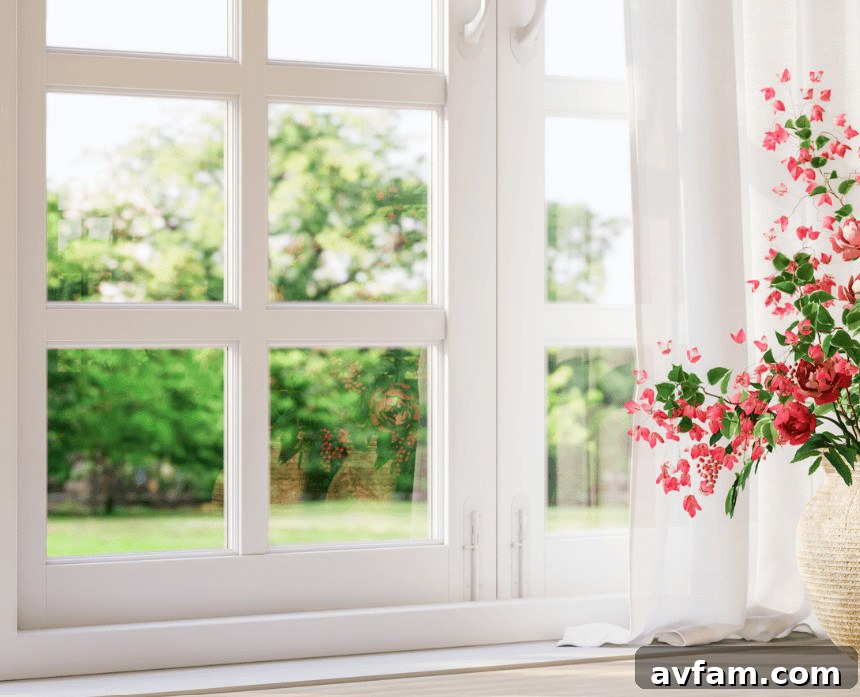
Improved Security and Enhanced Safety Features of Modern Windows
Windows are an integral part of your home’s security envelope. Modern window designs significantly bolster this aspect, making your home a safer place for you and your family.
Contemporary windows often include advanced multi-point locking systems, which engage at several points along the frame when the window is closed and locked. This creates a much more secure seal and makes forced entry considerably more difficult compared to older windows with single-latch locks. Reinforced frames, often made with internal chambers or stronger materials like fiberglass, further enhance resistance to tampering and breakage, providing robust protection.
At the same time, these sophisticated security features do not compromise usability. Modern windows are engineered for smooth, effortless operation. This ease of use is crucial not only for everyday ventilation and convenience but also for safety during emergency situations. Windows that open quickly and reliably can serve as vital escape routes in case of fire or other household emergencies, providing peace of mind knowing that quick egress is possible when needed. The balance between robust security and intuitive usability is a key cornerstone of modern window design.
Furthermore, options like tempered or laminated glass can be integrated for additional security and safety. Tempered glass is designed to shatter into small, blunt pieces if broken, reducing the risk of injury. Laminated glass, with its inner plastic layer, holds together even when fractured, deterring intruders and preventing shards from scattering, providing an extra layer of protection against both accidents and forced entry.
Sustainable Living and Reduced Environmental Impact with Energy-Efficient Windows
In an era where environmental consciousness is paramount, choosing energy-efficient home improvements is a priority for many homeowners. Windows play a substantial role in a home’s overall energy footprint and environmental impact.
The superior insulation provided by modern, energy-efficient windows directly translates to a reduced need for artificial heating and cooling. By minimizing thermal transfer, these windows help maintain a stable indoor temperature, lessening the burden on your HVAC systems. This decreased energy consumption not only lowers your utility bills but also significantly reduces your home’s carbon footprint, contributing to a healthier planet by reducing greenhouse gas emissions.
Many modern window products are manufactured using long-lasting, often recyclable, materials and more efficient production processes. The inherent durability and extended lifespan of these high-quality windows mean less frequent replacements, which in turn reduces waste going to landfills. Look for windows with ENERGY STAR certification, an internationally recognized standard for energy efficiency. Products bearing this label meet strict guidelines for energy savings, further affirming their positive environmental contribution and helping you make an informed, eco-conscious choice.
Choosing high-quality, energy-efficient windows is more than just a practical upgrade; it’s a responsible investment in sustainable living. It improves comfort, dramatically supports energy efficiency, and helps create a home that performs optimally and contributes positively to the environment for many years to come.
The Professional Window Installation Process: Ensuring Optimal Performance
Even the highest quality windows will fail to deliver their full benefits if not installed correctly. Professional window installation is a critical phase that ensures optimal performance, energy efficiency, and longevity, protecting your investment.
A reputable window contractor will follow a meticulous process, typically involving:
- Precise Measurement: Accurate measurements are crucial for a perfect fit, preventing air leaks and ensuring proper operation. Even a small error can compromise efficiency.
- Careful Removal: Existing windows are removed with minimal disruption to your home’s structure and surroundings, protecting your property from unnecessary damage.
- Opening Preparation: The window opening is inspected, cleaned, and prepared, ensuring it is level, plumb, and properly sealed to prevent moisture intrusion and maximize the new window’s effectiveness.
- Expert Installation: New windows are carefully set, leveled, and secured according to manufacturer specifications and local building codes, guaranteeing structural integrity and proper function.
- Thorough Sealing and Insulation: Gaps around the frame are meticulously sealed and insulated with appropriate materials to eliminate drafts and maximize energy efficiency, a critical step for performance.
- Finishing Touches: Interior and exterior trim are installed to provide a polished, aesthetic finish that seamlessly integrates with your home’s design.
- Clean-up and Inspection: The work area is thoroughly cleaned, and a final inspection ensures everything operates correctly, meets quality standards, and leaves your home spotless.
Choosing an experienced and certified installer guarantees that your new windows will perform as intended, maximizing your investment and providing lasting comfort and efficiency for decades.
Choosing the Right Window Replacement Contractor for Your Project
Selecting the right contractor for your window replacement project is as important as choosing the right windows themselves. A reliable contractor will provide expert advice, quality products, and professional installation, ensuring a successful outcome.
When making your decision, consider the following key factors:
- Reputation and Experience: Look for contractors with a proven track record, positive customer reviews, and significant experience in window installation. Online reviews and testimonials can provide valuable insights.
- Certifications and Licensing: Ensure the contractor is licensed, insured, and certified by relevant industry organizations. This protects you from liability and ensures adherence to professional standards.
- Product Range: A good contractor will offer a variety of window brands and materials (e.g., vinyl windows, fiberglass windows), allowing you to choose options that best fit your budget, aesthetic preferences, and specific performance needs.
- Warranty: Inquire about both product warranties (from the manufacturer) and installation warranties (from the contractor). A strong, comprehensive warranty provides peace of mind and protection for your investment.
- Transparent Pricing: Request detailed, written estimates that clearly outline all costs, including materials, labor, and any potential additional services. Avoid contractors who provide vague quotes or pressure you into quick decisions.
By conducting thorough research and choosing a reputable professional, you can ensure a smooth, efficient, and successful window replacement experience that enhances your home for years to come, providing comfort, value, and lasting satisfaction.