

Protecting your home is a commitment that begins with vigilant, proactive maintenance. While interior upgrades like a sleek new kitchen island or a luxurious walk-in shower certainly enhance your living space, the foundational integrity of your home relies heavily on critical external systems. Among these, the roof stands paramount, serving as the ultimate shield for everything beneath it. Despite its crucial role, your roof is often one of the most overlooked components of a home, typically receiving attention only when a problem becomes glaringly obvious.
The unfortunate truth is that many significant roofing issues originate from subtle, easily missed warning signs. Damage to your roof system can silently develop beneath the shingles, within the flashing, or deep inside your attic for months, even years, before overt leaks or structural failures become visible. When these early signals are ignored or go unnoticed, what could have been a minor, inexpensive fix can quickly escalate into extensive and costly repairs, impacting everything from insulation and interior finishes to the very structural supports of your home.
Ignoring these preliminary indicators not only leads to a heavier financial burden but also compromises your home’s safety, energy efficiency, and overall comfort. A damaged roof can pave the way for a cascade of problems, including mold growth, pest infestations, diminished indoor air quality, and even a decreased property value. Understanding the early warning signs is not just about saving money; it’s about safeguarding your most valuable asset and ensuring a healthy living environment for your family.
In this comprehensive guide, we will delve into five critical warning signs of hidden roof damage that every homeowner should be aware of. Recognizing these issues early empowers you to take decisive action, addressing problems long before they transform into expensive, emergency situations. Many of these crucial warning signs can be identified during a simple, routine visual inspection of your home’s interior ceilings, attic, or the exterior roofline and gutters. Let’s explore how to become a more informed and proactive homeowner.
1. Water Stains on Ceilings or Walls
You don’t always need to climb onto your roof to detect one of the most common and undeniable indicators of roof damage: water stains. If you begin to notice unsightly yellow, brown, or even greenish discoloration on your ceilings or walls, especially in the upper levels of your home, this is all the evidence you need. These stains are a clear sign that moisture has already breached your roofing system and penetrated the interior structure of your house. This means water has found a pathway through the protective layers of your roof, the underlayment, and possibly even the decking, making its way into your living space.
Beyond the characteristic yellow or brown hues, water stains often appear in circular or irregular patterns, sometimes with a darker ring around the edges, indicating repeated wetting and drying. You might also observe other related symptoms, such as bubbling or peeling paint, softening or sagging drywall, and in severe cases, actual drips or puddles. These manifestations are not just aesthetic nuisances; they are direct evidence of ongoing water intrusion that needs immediate attention.
The most challenging aspect of discovering water stains is accurately pinpointing the exact source of the leak. Water has a remarkable ability to travel along joists, beams, and inside wall cavities before finally appearing in a visible location. Therefore, the actual point of roof damage—a cracked shingle, faulty flashing, or a deteriorated seal—could be several feet away, or even on a different section of the roof, from where the stain is visible. This phenomenon often leads homeowners astray, making DIY fixes difficult and often ineffective without professional expertise.
Ignoring these vital signs, or making the grave mistake of assuming the problem resolved itself simply because a stain dries up, can lead to much larger and more insidious issues down the road. Persistent moisture creates an ideal breeding ground for hazardous mold and mildew, which can compromise indoor air quality, trigger allergies, and pose significant health risks. Furthermore, prolonged water exposure can saturate and damage your attic insulation, drastically reducing your home’s energy efficiency and leading to higher utility bills. More critically, procrastination in addressing these leaks can lead to the deterioration of wooden structural components like rafters, joists, and drywall, compromising the structural integrity of your ceilings and walls, potentially necessitating expensive and extensive remediation.
It is imperative that you investigate any unexplained water stain as soon as it appears, particularly after heavy rainfall, prolonged snowy periods, or severe storms. Do not delay or hope the issue will magically disappear. Instead, contact a professional roofing contractor for a thorough inspection. They possess the tools and expertise to accurately identify the precise source of the leak, assess the extent of the damage, and recommend the most effective repairs to prevent the problem from worsening and protect your home from further harm.
2. Missing or Damaged Shingles
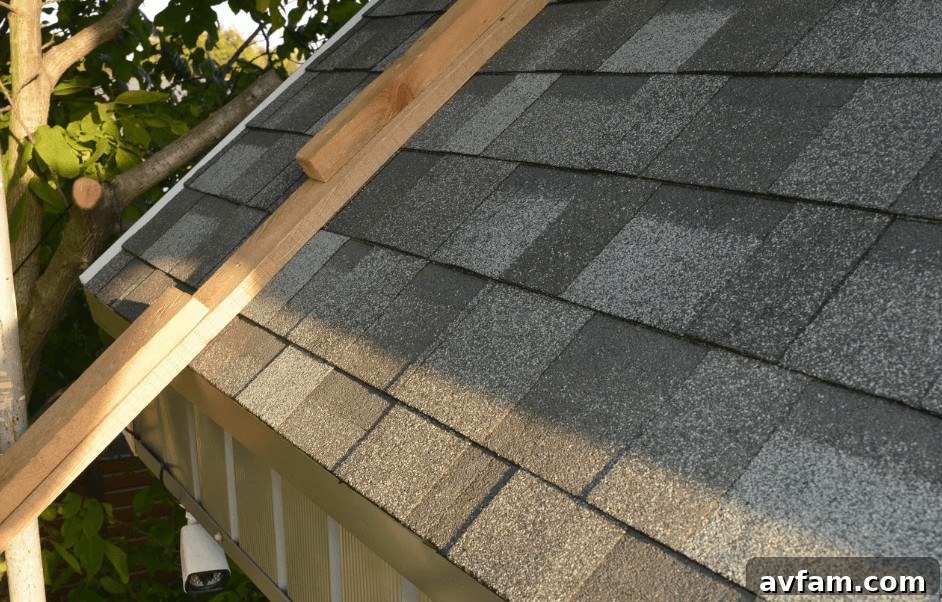
Your roof shingles are more than just an aesthetic feature; they are your home’s primary line of defense against the relentless onslaught of rain, wind, hail, and the sun’s harsh ultraviolet (UV) rays. When these shingles are compromised in any way—be it missing, curling, cracked, blistering, or warped—the integrity of this critical protective barrier is weakened. This allows moisture to penetrate the underlying layers of your roofing system, including the underlayment and roof decking, and eventually infiltrate your home’s interior. A single damaged shingle can create a vulnerable point, while widespread damage signals a systemic problem.
It’s crucial to regularly inspect your roof for various types of shingle damage. Curling shingles will appear lifted at their edges or in the middle, often a sign of aging or improper installation. Cracked shingles will have visible fractures across their surface, which can allow water to seep through. Warped or buckled shingles indicate that the materials have absorbed moisture or are reacting to temperature fluctuations. Blistering shingles, characterized by small bubbles or craters, are often a result of poor ventilation or moisture trapped within the shingle. Severe weather events, such as strong winds, hail storms, or torrential downpours, can even completely dislodge shingles, leaving entire sections of your roof decking exposed and highly vulnerable to water penetration.
Shingle damage is primarily caused by several factors: the natural aging process of roofing materials, prolonged and intense sun exposure which breaks down asphalt, and, as mentioned, severe weather. Even seemingly small areas of missing or damaged shingles can create an open invitation for water. Once moisture penetrates the shingle layer and reaches the underlayment (the waterproof barrier beneath the shingles) or the roof decking (the structural wood planks), it’s only a matter of time before more significant problems arise. This moisture can slowly spread laterally, causing hidden damage to the wooden structure, insulation, and even creating a breeding ground for mold, all of which may not become visibly apparent until much later, after substantial harm has occurred.
Fortunately, you don’t necessarily need to climb a ladder to inspect your shingles. Many types of roof damage can be identified safely from the ground. Use a good pair of binoculars to scrutinize the entire roof surface, paying close attention to ridges, valleys, and areas around chimneys or vents. Alternatively, simply observing your roofline from various points around your property can reveal irregularities. Look for any areas that appear darker, uneven, or have a patchy appearance. It is especially important to make a habit of checking your roof for lifted, torn, or uneven shingles after every major storm, as wind damage can be immediate and severe.
Addressing damaged shingles promptly is essential. Even a single compromised shingle can quickly lead to widespread water damage and structural issues. Regular inspections and timely repairs by a qualified roofing professional can extend the lifespan of your roof, maintain its protective capabilities, and prevent more costly interventions in the future. Remember, early detection is key to preserving your roof’s integrity and your home’s safety.
3. Light Shining Through the Attic
The attic is often one of the least visited and most neglected areas of your home, yet a simple visual inspection during daylight hours can offer critical insights into the health of your roof. If you are standing in your attic and can see beams, specks, or streaks of sunlight penetrating through the roof boards or around the eaves, it is an undeniable indicator of openings, gaps, or structural breaches in your roofing system. Your attic should be a uniformly dark space during the day, with no external light sources visible from within.
You might observe small, distinct beams of light where shingles have been lost or displaced, around vent pipes or chimneys where flashing has failed, or where the roof decking itself has developed cracks, holes, or separations. It’s crucial to understand that no hole or crack, regardless of its size, is insignificant. Any penetration that allows light to enter your attic can also permit water, air, dust, insects, and even rodents to infiltrate your home. These breaches compromise your home’s thermal envelope, create pathways for pests, and, most importantly, invite water damage.
Gaps and holes like these are frequently discovered after severe storms, high winds, or heavy snowfall that can dislodge roofing materials, twist flashing, or stress the underlying structure. However, even an aging roof, through natural wear and tear, can develop small separations as materials expand and contract with temperature fluctuations, weaken over time, or succumb to gradual deterioration. If sunlight can easily penetrate your roof structure, then rainwater, melting snow, and humid air can just as easily seep through those very same openings. Even a small amount of moisture entering the attic can saturate and damage insulation, create mold growth, and eventually lead to visible water damage on ceilings and walls below.
While inspecting the attic for light leaks, expand your search to include other critical warning signs. Look for damp or matted insulation, which indicates moisture intrusion. Pay attention to any musty odors, which are often a tell-tale sign of mold or mildew growth. Also, inspect wooden roof beams, rafters, and the underside of the roof decking for dark water stains, signs of rot, or discoloration. Attic inspections are particularly valuable after extreme weather events, such as hurricanes, blizzards, or particularly strong windstorms, as these events often cause immediate but unseen damage. Catching these small openings or vulnerabilities early allows homeowners to undertake targeted repairs to damaged roofing materials, flashing, or seals before more significant leaks develop and cause widespread damage.
If you discover any signs of light penetration or other attic abnormalities, it’s highly recommended to consult a professional roofer, such as Vista Roofing Company Dils Roofing. These experts have the experience and equipment to safely access and thoroughly inspect your roof, identify the exact source of the problem—even if it’s subtle—and recommend the most appropriate and durable repairs to restore the integrity of your roofing system and protect your home.
4. Granules in the Gutters
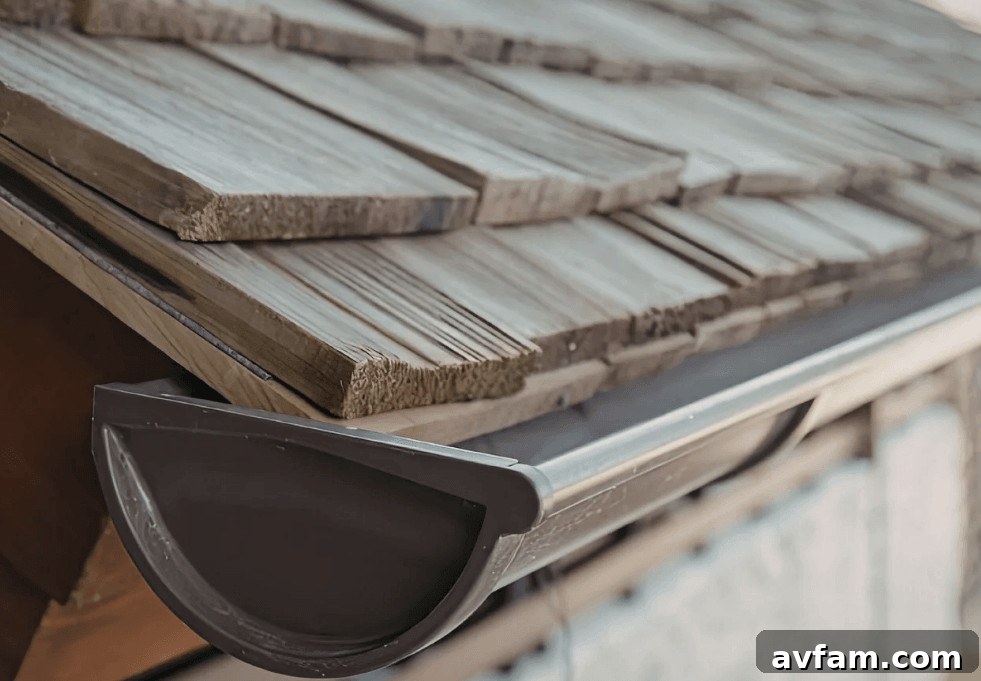
During your routine spring cleaning, especially when you’re clearing out accumulated debris from your gutters, you might notice small, sand-like particles collecting near downspouts or lining the bottom of the gutter channels. These tiny, textured particles are known as roofing granules, and their presence in your gutters can be a significant indicator of your roof’s condition. While a minimal amount of granule loss is a normal part of a roof’s life cycle, a substantial accumulation can signal advanced wear and tear on your asphalt shingles.
Roofing granules are a critical component of asphalt shingles, serving multiple vital functions. Primarily, they form a protective top layer that shields the asphaltic base of the shingle from the sun’s damaging ultraviolet (UV) rays. Without this protection, UV radiation would rapidly degrade the asphalt, making the shingles brittle, prone to cracking, and drastically shortening their lifespan. Granules also contribute to fire resistance, add weight to help shingles resist wind uplift, and, in some cases, can even help reflect sunlight to regulate roof temperature, contributing to your home’s energy efficiency. As shingles age and are exposed to harsh weather conditions, these granules naturally begin to loosen and wash away.
Some minor granule loss is expected, especially from newly installed shingles (which shed loose granules from manufacturing) or as shingles approach the end of their service life. However, if you observe a significant and consistent buildup of granules in your gutters or downspouts each time you clean them, it’s a strong indication that your roof is deteriorating at an accelerated rate. Another visual clue to look for is “bald spots” or dark, smooth patches on the shingles themselves. These areas appear darker or smoother than the surrounding surface because the protective granules have been worn away, exposing the underlying asphalt. These exposed areas are highly vulnerable to UV damage, heat, and moisture, accelerating the shingle’s breakdown and increasing the risk of leaks.
It’s an excellent habit to inspect your gutters and downspouts every spring, and ideally again in the fall, or after any major storm. If you notice a substantial accumulation of granules, or if you can clearly see patches on your shingles where granules are visibly missing, it’s a clear signal that it’s time to schedule a professional roof inspection. A qualified roofing contractor can assess the extent of granule loss, evaluate the overall condition of your shingles, and determine if spot repairs are sufficient or if a full roof replacement is becoming necessary. Addressing significant granule loss promptly helps to preserve the remaining life of your shingles, maintain their protective qualities, and prevent more severe and costly issues associated with a compromised roofing system.
5. Higher Energy Bills
While often attributed to changing seasons or fluctuating utility rates, a sudden and unexplained increase in your home’s energy bills can sometimes be a subtle yet significant indicator of hidden roof damage or deficiencies. Your roof, in conjunction with your attic’s insulation and proper ventilation, forms a critical barrier that plays a pivotal role in regulating the internal temperature and overall energy efficiency of your home. When components of this system are compromised, your home’s ability to maintain a comfortable indoor climate is diminished, forcing your heating and cooling systems to work harder and consume more energy.
When roofing materials deteriorate, or small gaps and breaches develop in the roof deck or around flashing, your home’s thermal envelope is compromised. This allows conditioned air—the warm air you pay to heat in winter or the cool air you pay to chill in summer—to escape through the attic and roof, while unconditioned outside air infiltrates your living spaces. This constant exchange of air forces your heating, ventilation, and air conditioning (HVAC) systems to operate for longer periods and at higher capacities to compensate for the lost temperature control, directly translating into higher energy consumption and inflated utility bills.
Consider the dynamics: During the hot summer months, cooled air from your air conditioning system can leak out through vulnerabilities in the roof or attic space. Simultaneously, superheated air from the attic can radiate downwards, making your living areas warmer. In winter, the scenario reverses: expensive warm air readily escapes through these same compromised areas, while frigid outside air is drawn in. Over time, this consistent and unchecked loss of conditioned air can significantly increase your energy usage, adding hundreds of dollars to your annual utility costs.
Beyond the raw cost, you may also begin to notice inconsistencies in indoor temperatures. Certain rooms might become noticeably harder to heat or cool than others, feeling drafty in winter or excessively warm in summer, even when the thermostat is set appropriately. If these uneven temperatures appear alongside unexplained spikes in your energy bills, it is definitely worth investigating the attic. Look for signs of moisture, compromised or insufficient insulation (which might be wet, matted, or displaced), or visible air leaks around vents, chimneys, or seams that could be directly connected to underlying roofing issues. A professional energy audit can also help pinpoint specific areas of heat loss or gain, often revealing roof and attic vulnerabilities.
While high energy bills can have multiple causes, from inefficient appliances to old windows, a compromised roof is a frequently overlooked culprit. Addressing roof damage, improving attic insulation, and ensuring proper ventilation are key steps not only to protect your home structurally but also to significantly enhance its energy efficiency, leading to substantial long-term savings on your utility expenses and a more comfortable living environment.
Stay Ahead of Roof Problems
Your roof is an indispensable component of your home, playing an utterly critical role in protecting your most valuable asset from the relentless forces of weather, moisture infiltration, and potential structural damage. While many roofing problems unfortunately begin discreetly, often out of sight and hidden from casual observation, they invariably leave behind a trail of subtle yet decipherable warning signs that astute homeowners can learn to spot early on. Developing an awareness of these indicators is your first and best defense against catastrophic and costly roof failures.
By proactively paying close attention to issues such as unexplained water stains appearing on your ceilings or walls, the visual evidence of missing or damaged shingles, the unwelcome sight of light shining through your attic, the tell-tale accumulation of granules in your gutters, or an unexpected surge in your energy bills, you empower yourself to intercept potential roof damage long before it escalates into a major, budget-breaking repair. Each of these signs is a distress signal from your roof, urging you to investigate further.
The benefits of regular visual inspections and timely, proactive maintenance cannot be overstated. These simple yet effective practices are fundamental to maximizing the lifespan of your roof, ensuring its continued integrity, and, most importantly, preventing minor, manageable issues from metastasizing into extensive, complex, and potentially dangerous structural problems that could compromise the safety and value of your entire home. A well-maintained roof not only protects your interior but also contributes significantly to your home’s curb appeal and resale value.
Ultimately, by cultivating an attentive eye for these common warning signs and committing to a routine of vigilance, homeowners can take swift and decisive action. This proactive approach ensures that your home remains safe, energy-efficient, structurally sound, and exceptionally well-protected against the elements for many years to come. Don’t wait for a leak to become a flood; empower yourself with knowledge and act early to safeguard your sanctuary.