
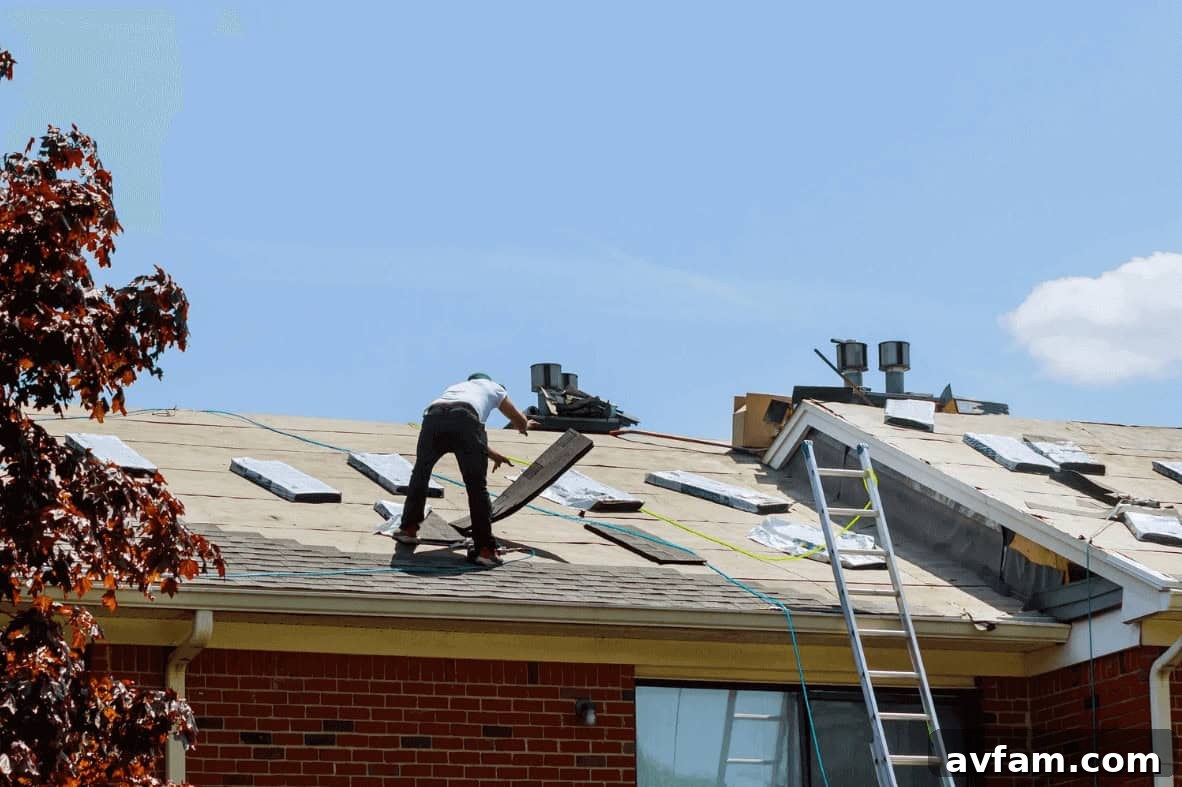
Undertaking any home improvement project, from a simple weekend DIY task to a major renovation, is often more complex than it initially appears. It extends far beyond the basic tools like a hammer and a paintbrush. Whether you’re embarking on projects such as increasing the height of your backyard wall for added privacy, constructing a brand-new deck to enhance outdoor living, installing intricate new electrical fixtures, or tackling a comprehensive home renovation, the work consistently involves powerful tools, ladders, heavy and often awkward materials, and potentially hazardous equipment. For both seasoned professional contractors and dedicated do-it-yourself (DIY) enthusiasts, understanding and implementing robust safety practices is not just a recommendation but an absolute imperative, equally as important as possessing the technical skills to complete the project itself successfully.
This fundamental truth underscores the critical importance of effective safety training in both the construction industry and the realm of home improvement. Proper, comprehensive training is the cornerstone of a safe working environment. It empowers individuals to accurately recognize potential hazards, diligently follow established safety procedures, and handle all tools, machinery, and materials with the utmost responsibility and care. Even the most experienced and skilled builders can significantly benefit from a deeper, continually updated understanding of jobsite risks and the very best practices specifically designed to prevent accidents and mitigate injuries.
This is precisely where specialized programs, such as OSHA training, prove to be exceptionally valuable. These well-structured programs are meticulously designed to help workers and project managers grasp the genuine, inherent risks present on various construction sites and in diverse renovation projects. Crucially, they also provide practical, actionable guidance and methodologies for managing these risks effectively and safely, fostering an environment where safety is paramount.

The Indispensable Role of Safety in Construction and Home Improvement
Construction sites and home improvement projects are inherently dynamic environments, often characterized by a multitude of potential hazards. Workers and DIYers frequently encounter risks associated with the operation of power tools, working at heights on ladders and scaffolding, dealing with complex electrical systems, and handling various hazardous materials such as paints, solvents, adhesives, and cleaning chemicals. Statistics from the U.S. Occupational Safety and Health Administration (OSHA) consistently highlight construction as one of the nation’s most dangerous industries, tragically accounting for a significant percentage of workplace fatalities and severe injuries each year. These numbers serve as a stark reminder of the ever-present dangers.
For homeowners and passionate DIY enthusiasts who eagerly take on their own projects, the underlying risks are no less significant or negligible. While a seemingly minor home renovation or a quick repair task might appear benign, improper handling of equipment, inadequate understanding of material properties, or incorrect use of chemicals can rapidly escalate into serious accidents, leading to debilitating injuries or even long-term health consequences. Furthermore, many local building codes and regulations stipulate that certain types of work, especially those involving structural changes, electrical systems, or plumbing, must be executed by certified and licensed professionals. Failure to meet these stringent standards can result in hefty fines, complex insurance disputes, voided warranties, or, most critically, can leave behind unsafe living conditions that compromise the well-being of occupants.
Comprehensive Offerings of OSHA Training Programs
OSHA training programs are meticulously crafted with a singular, overarching objective: to equip workers with the essential knowledge and practical skills required to understand the key risks prevalent in their specific working environments and to learn how to manage and mitigate these risks effectively and proactively. The curriculum of these comprehensive training courses spans a wide spectrum of vital safety procedures and protocols. Key areas of focus include hazard communication (ensuring clear understanding of chemical dangers), the proper and safe handling of chemicals, the correct selection and use of personal protective equipment (PPE), and detailed guidelines for working safely with various types of heavy machinery and specialized equipment.
Within the demanding contexts of construction and general home improvement, a thorough understanding and diligent application of OSHA regulations can truly be the decisive factor between completing a job without incident and facing the devastating repercussions of costly injuries, severe penalties, or protracted legal battles. OSHA training is renowned for its comprehensive nature, ensuring that every individual involved in a project, whether they are a seasoned professional contractor overseeing a large crew or an enthusiastic DIYer tackling a personal project, possesses a clear understanding of what actions to take in the event of a safety concern, accident, or emergency. This widespread understanding contributes significantly to a safer, more compliant, and ultimately more efficient project execution.
How OSHA Training Elevates Jobsite Safety Standards
Proactive Hazard Identification and Mitigation Strategies
One of the most profoundly critical components of effective OSHA training is its emphasis on empowering workers to skillfully recognize potential hazards long before they have the chance to develop into dangerous situations. On a bustling construction site, potential hazards are ubiquitous, ranging from unguarded machinery and poorly maintained scaffolding to unstable trenches, inadequate fall protection, and improper storage of flammable materials. OSHA training systematically equips workers with the indispensable tools, methodologies, and critical thinking skills they need to effectively identify these myriad dangers, accurately evaluate the associated risks, and subsequently implement decisive preventive actions. This proactive approach is foundational to accident prevention.
Properly trained workers are adept at assessing their immediate surroundings with a critical eye, identifying specific chemical hazards through detailed safety data sheets (SDS), and understanding precisely how to implement various safety measures to protect not only themselves but also their colleagues and any bystanders. This diligent, forward-thinking approach significantly reduces the overall likelihood of accidents and injuries, allowing workers to maintain heightened focus on their assigned tasks without the lingering fear of unseen or unaddressed dangers. Furthermore, training often introduces the “hierarchy of controls” – a systematic approach to risk management that prioritizes elimination, substitution, engineering controls, administrative controls, and finally, personal protective equipment, ensuring the most effective hazard reduction.
Ensuring Utmost Safety Around Heavy Machinery and Tools
In the vast majority of home improvement projects, the routine use of both power tools and, in some cases, heavy machinery is commonplace. Tools such as circular saws, drills, angle grinders, and reciprocating saws, alongside essential equipment like ladders and scaffolding, are standard fare. For larger projects, more substantial machinery like excavators, forklifts, or compact track loaders might be employed. Each of these items, from the smallest hand tool to the largest piece of heavy equipment, presents its own distinct set of operational risks. Without the benefit of proper and comprehensive safety training, the potential for serious accidents and catastrophic injuries escalates dramatically.
OSHA training meticulously educates workers on the correct, safe operational procedures and essential maintenance protocols for a wide array of tools and machinery. It goes further by providing crucial guidance on the selection, proper use, and consistent maintenance of appropriate personal protective equipment (PPE), which includes items like robust hard hats, cut-resistant gloves, impact-resistant eye protection, hearing protection, and steel-toed boots, all designed to significantly reduce the risk of injury. Whether the objective is preventing a dangerous kickback from a table saw, ensuring that scaffolding is erected and inspected correctly, or guaranteeing that heavy machinery is exclusively operated by a fully trained and certified individual, OSHA training acts as a vital safeguard, ensuring that rigorous safety protocols are not just known but are meticulously followed at every stage of a project.
Fostering a Culture of Collaborative Safety and Preparedness
Beyond individual skill sets, OSHA training plays a pivotal role in cultivating a pervasive culture of safety on any jobsite, large or small. When all team members, from project managers to entry-level laborers and even contributing DIY family members, share a common understanding of safety protocols and responsibilities, it fosters an environment of mutual accountability. This shared knowledge encourages peer-to-peer safety monitoring, active participation in safety discussions, and the proactive reporting of potential hazards. A strong safety culture leads to better communication regarding risks, clearer emergency response plans, and a collective commitment to accident prevention.
Moreover, OSHA training often includes crucial modules on emergency preparedness. This encompasses understanding first aid procedures, knowing how to safely respond to chemical spills, familiarizing oneself with fire safety protocols and extinguisher use, and developing clear evacuation plans. Such preparedness ensures that if an unforeseen incident does occur, all individuals are better equipped to react quickly, minimize harm, and provide immediate assistance, thereby further enhancing overall jobsite safety and mitigating potential disaster scenarios.
Tangible Benefits of OSHA Training for DIY Enthusiasts and Small Contractors
For homeowners who embrace ambitious home improvement projects and for small-scale contractors managing independent operations, investing in OSHA training offers a multitude of tangible and invaluable benefits. First and foremost, and arguably most critically, it instills workers with the essential knowledge and practical confidence required to complete tasks safely, thereby effectively averting common injuries that can result in significant pain, lost time, and medical expenses. Beyond the immediate enhancement of physical safety, this specialized training can significantly boost an individual’s confidence in tackling more intricate and potentially dangerous projects, such as working with complex electrical wiring, managing plumbing systems, or safely handling materials that may contain asbestos or lead-based paint.
Furthermore, acquiring OSHA training can substantially reduce legal and financial liability. Many home improvement projects, especially those undertaken by contractors, necessitate strict adherence to local, state, and federal safety regulations. By possessing official OSHA certification, contractors can unequivocally demonstrate to prospective clients that they are committed to upholding the highest safety standards, diligently taking all necessary steps to protect themselves, their employees, and the client’s property. This commitment is particularly vital for those embarking on their own small businesses or undertaking projects characterized by higher inherent risks, providing a significant competitive advantage and peace of mind.
Additionally, proper safety training empowers homeowners to ensure their projects remain well within established legal requirements. If a homeowner engages a contractor who holds OSHA training, it provides a strong assurance that the work performed will meet or exceed all mandated safety and compliance standards. This not only makes the entire project inherently safer for everyone involved but also significantly reduces the likelihood of future complications, disputes, or regulatory issues, protecting the homeowner’s investment and long-term well-being.
Navigating the Selection of the Optimal OSHA Training Course
When the time comes to select an appropriate OSHA training program, it is absolutely essential to choose a course that is directly relevant and specifically tailored to the particular scope and nature of the work you intend to perform. Reputable training providers, such as FMTC, typically offer a diverse range of courses, each thoughtfully designed to cater to varying industry needs and specific job roles. These programs can span from broad, general workplace safety principles to highly specialized areas, including but not limited to hazardous materials handling, advanced heavy equipment operation, trenching and excavation safety, or comprehensive fall protection protocols.
FMTC, for instance, provides a comprehensive suite of online OSHA courses that are structured to be taken at a flexible, self-paced schedule. This particular feature is immensely beneficial and practical for small business owners, busy independent contractors, or dedicated DIY enthusiasts who often operate with demanding schedules and require the convenience of learning on their own terms. Their courses are meticulously aligned with stringent OSHA standards, thereby ensuring that the training received is not only fully compliant with regulatory requirements but also eminently practical and directly applicable for real-world jobsite scenarios. This flexibility combined with compliance makes online training an increasingly popular and effective option.
Before making a final selection, it is paramount to thoroughly evaluate the course content to confirm that it precisely matches the type of work you are currently undertaking or anticipate performing in the future. Whether your specific learning objective is to gain a deeper understanding of hazard communication, master the safe operation and maintenance of specialized equipment, or implement robust fall protection measures for elevated work, meticulously choosing a course that comprehensively prepares you for the specific challenges and risks you may encounter is the critical first step towards enhanced safety and compliance.
Conclusion: Investing in a Safer Tomorrow Through OSHA Training
The successful execution of home improvement and construction projects hinges on far more than just meticulously crafted plans and the availability of the right tools. It fundamentally demands a clear, pervasive, and actionable understanding of jobsite safety. Whether you are a professional contractor diligently managing a crew of workers, a small business owner overseeing a specialized project, or an ambitious homeowner confidently tackling complex DIY endeavors, possessing the profound knowledge of how to effectively identify potential hazards and consistently adhere to proper safety procedures is not merely beneficial—it is absolutely essential for the well-being of everyone involved and the integrity of the project itself.
OSHA training serves as an invaluable educational resource, empowering builders, contractors, and serious DIYers to develop the critical knowledge and practical skills needed to work safely and confidently with a wide array of tools, various types of machinery, and potentially hazardous materials. Furthermore, this training is instrumental in ensuring that projects remain fully compliant with all pertinent safety regulations, while simultaneously and significantly reducing the inherent risk of accidents that can lead to costly delays, severe injuries, legal ramifications, and even tragic fatalities.
Ultimately, investing in robust OSHA training is not merely an expense; it is a strategic and invaluable investment in the promise of better, safer, and more successful projects. Companies like FMTC are at the forefront, offering highly flexible, comprehensive online OSHA training programs that are expertly designed to help both seasoned professionals and dedicated DIYers acquire the indispensable skills and knowledge required to maintain impeccably safe worksites and successfully complete all construction and home improvement projects with unwavering confidence and peace of mind.