

Escape the City: Your Definitive Guide to a Fulfilling Life Beyond Urban Bustle
For many, the relentless pace and palpable limitations of city living eventually begin to take their toll. Crowded neighborhoods, ever-increasing housing costs, and the constant din of urban noise can make it incredibly challenging to find the comfort, space, and tranquility that a home is meant to provide. While metropolitan areas undeniably offer unparalleled convenience and abundant career opportunities, they often come with significant trade-offs that directly impact one’s daily quality of life and overall well-being.
Consequently, an increasing number of individuals and families are exploring the compelling idea of leaving urban environments. This shift is driven by a profound desire for more personal space, greater flexibility, and a deeper, more meaningful connection to the natural world. Moving away from the city isn’t merely about changing your address; it’s a transformative journey that often involves a complete re-evaluation of how and where you truly want to live, from the type of property you choose to the very lifestyle your new home will support.
With careful consideration and strategic planning, relocating to escape the city can unlock incredible opportunities. Imagine larger homes, expansive outdoor spaces, and a deliberate pace of life that perfectly aligns with your deepest priorities and aspirations. This comprehensive guide will walk you through every essential step, empowering you to make a smooth and successful transition to your ideal life beyond the city limits.

Understanding Your Core Motivations for Leaving Urban Life
Before embarking on such a significant lifestyle change, it is paramount to thoroughly understand the fundamental reasons motivating your decision to escape the city. People choose to leave urban environments for a myriad of personal and practical reasons. Clearly identifying your unique motivations will serve as your compass, guiding every aspect of your planning process and ensuring your new life genuinely reflects your desires.
Some of the most prevalent and compelling reasons people seek to leave the city include:
- Rising Housing and Living Costs: Urban centers are notorious for their exorbitant housing markets and high cost of living, which can make financial stability a constant struggle. Moving to a rural area often provides significantly more affordable property options and lower daily expenses.
- Desire for More Space and Privacy: City living typically means smaller living spaces, shared walls, and limited personal outdoor areas. Many crave sprawling yards, detached homes, and the quiet solitude that only a less densely populated environment can offer.
- Reduced Stress and Improved Mental Health: The constant sensory overload, fast pace, and competitive nature of city life can contribute to chronic stress and anxiety. A calmer, more natural setting can foster greater peace of mind and significantly enhance overall mental well-being.
- Greater Access to Nature and Outdoor Activities: For nature lovers, city parks often feel insufficient. Relocating opens up opportunities for direct access to forests, lakes, mountains, and vast open spaces, perfect for hiking, gardening, fishing, or simply enjoying fresh air.
- A Slower and More Intentional Pace of Life: Urban life is often characterized by a frantic rush. Many yearn for a lifestyle where daily activities can be savored, where there’s more time for personal reflection, hobbies, and meaningful interactions, free from the constant pressure to “keep up.”
- Improved Safety and Community Feel: While not universal, many smaller towns and rural areas offer lower crime rates and a stronger, more tight-knit community feel, where neighbors know and support one another.
Being unequivocally clear about your core motivations will not only help you identify the environment that best supports the lifestyle you envision but also sustain your resolve during the planning and transition phases.
Choosing the Ideal Location for Your New Beginning
Selecting the perfect new home base is arguably one of the most critical factors when making the transition away from city living. Not every rural area or small town offers the same opportunities, infrastructure, or lifestyle. A thorough and thoughtful evaluation is essential to ensure your chosen location truly meets your needs and expectations.
Key Factors When Selecting Your New Home Base
When meticulously evaluating potential locations for your escape from the city, consider these practical and lifestyle-oriented elements that will profoundly impact your daily life:
- Access to Healthcare and Essential Services: Research the availability of hospitals, clinics, specialists, and pharmacies. Ensure there are sufficient options to meet your family’s health needs. Also, consider access to grocery stores, banks, and other daily necessities.
- Reliable Internet Connectivity: For remote workers or anyone reliant on digital communication, robust and reliable internet service is non-negotiable. Investigate providers and actual speeds available in specific areas, as rural connectivity can vary greatly.
- Climate and Seasonal Weather Patterns: Consider how the local climate aligns with your preferences. Are you prepared for harsh winters, hot summers, or significant seasonal changes? This affects everything from outdoor activities to home maintenance.
- Distance to Nearby Towns or Cities: While you’re leaving the city, you might still need occasional access to larger amenities, specialized services, or entertainment. Assess the reasonable driving distance to the nearest urban hub.
- Local Community Culture and Lifestyle: Spend time researching and, if possible, visiting potential areas. Observe the local culture, social dynamics, and prevailing lifestyle. Does it feel welcoming? Does it align with your values and interests?
- Employment Opportunities (if not remote): If remote work isn’t your primary plan, research local job markets relevant to your skills. Small towns might have niche industries or require different types of employment.
- Educational Opportunities: If you have children, investigate the quality of local schools, childcare options, and proximity to higher education institutions if that’s a long-term consideration.
Visiting potential areas multiple times, perhaps during different seasons, and speaking with local residents can provide invaluable insight into what everyday life will truly look and feel like, preventing potential surprises down the road.
Crafting Your Desired Lifestyle Beyond the City
The decision to escape the city should never be simply about changing your geographical coordinates. Instead, it represents a powerful opportunity to intentionally design a lifestyle that profoundly supports your long-term well-being, personal growth, and happiness. This is your chance to build a life on your own terms.
Take dedicated time to visualize your ideal daily routine. What does it look like? For some, this may involve working remotely from a tranquil home office, punctuated by moments of quiet contemplation or walks in nature. Others might dream of spending significant time outdoors, cultivating a large garden, pursuing long-neglected hobbies, or focusing on creative projects that were previously overshadowed by urban demands.
Elements That Shape a Fulfilling Life Outside Urban Centers
Many individuals who successfully leave cities prioritize building routines and environments that emphasize balance, personal fulfillment, and a deeper connection to their surroundings. These often include:
- More Time Spent Outdoors: Whether it’s gardening, hiking, bird watching, or simply enjoying coffee on a porch, increased exposure to nature is a cornerstone of rural well-being.
- Reduced Commuting and Travel Stress: Eliminating long, stressful commutes frees up hours each week, allowing for more personal time, rest, and productive pursuits.
- Opportunities for Hobbies or Creative Work: With more space and less distraction, individuals can finally dedicate time to passions like woodworking, painting, writing, music, or homesteading.
- A Stronger Sense of Community: Smaller towns often foster genuine connections, where people know their neighbors and actively participate in local events, creating a robust support network.
- Greater Independence and Flexibility: Rural living can encourage self-reliance, from managing your own property systems to having the freedom to structure your day according to your own rhythm.
- Prioritizing Health and Wellness: Access to fresh, local produce, cleaner air, and ample opportunities for physical activity often lead to significant improvements in overall health.
The ultimate goal is to consciously construct a lifestyle that comprehensively supports your mental, physical, and financial well-being, allowing you to thrive rather than merely survive.
Navigating the Financial Landscape of a City Escape
A move away from the city can indeed offer substantial financial advantages, particularly concerning housing costs and overall living expenses. It’s often a primary motivator for those seeking to escape the city. However, careful and diligent financial planning remains absolutely essential to ensure long-term stability and to avoid unexpected financial pitfalls during and after your transition.
Essential Financial Considerations for Your Relocation
Before committing to the transition, it is highly beneficial to thoroughly evaluate several critical financial factors and create a robust budget:
- Property or Housing Costs in Your Desired Area: Research typical purchase prices or rental rates. Factor in property taxes, which can vary significantly even within rural regions. Understand if you’re getting more for your money compared to urban areas.
- Moving and Relocation Expenses: Beyond the purchase price, account for professional movers, packing supplies, utility connection fees, temporary accommodation, and travel costs. These can quickly add up.
- Utility Access and Infrastructure Improvements: Rural properties might require investments in well systems, septic tanks, or alternative energy sources. Research the cost of setting up or upgrading these essential services, including internet infrastructure.
- Emergency Savings and Financial Security: Ensure you have a substantial emergency fund to cover unexpected expenses or potential income gaps during the transition. A buffer of 6-12 months of living expenses is highly recommended.
- Long-Term Maintenance or Development Costs: Larger properties, especially older homes or those with significant acreage, often come with higher maintenance demands. Budget for repairs, landscaping, agricultural needs, or future development plans.
- Income Generation Strategy: If you’re not already working remotely, how will you earn income? Explore local job markets, freelancing opportunities, or the potential for starting a home-based business in your new location.
- Local Taxes and Fees: Research local income taxes, sales taxes, and any specific rural fees that might apply, as these can differ from urban rates.
Some individuals actively researching relocation opportunities also explore regional land sales to gain a comprehensive understanding of property availability, pricing trends, and zoning restrictions before making a definitive decision. This proactive approach can significantly inform your budget and long-term financial strategy.
Embracing a Different Pace: Life Outside the City Rush
One of the most significant and often profound adjustments for those who escape the city is adapting to a distinctly slower pace of life. The immediate gratification and constant availability of services common in urban environments are rarely replicated in rural or small-town settings. Errands might take longer, and certain conveniences may require more foresight and planning.
However, an overwhelming majority of people discover that this slower, more deliberate rhythm is not a drawback but rather a profound benefit. It actively encourages them to focus more intently on meaningful activities, personal priorities, and the simple joys of everyday living, leading to a richer, less stressed existence.
What to Expect When Adapting to Rural or Small-Town Living
A different pace of life inherently brings with it several transformative lifestyle changes:
- Less Traffic and Fewer Daily Distractions: Say goodbye to soul-crushing commutes and constant urban clamor. The quiet allows for greater focus and reduced daily frustration.
- Stronger, More Personal Relationships within Local Communities: In smaller settings, interactions tend to be more genuine and frequent, fostering deep bonds and a sense of belonging.
- Greater Connection to Nature and Outdoor Spaces: Opportunities for spontaneous outdoor activities, enjoying scenic views, and observing wildlife become part of daily life.
- More Time for Hobbies, Family, and Personal Development: The hours reclaimed from commuting and the general urban rush can be reinvested into personal passions, quality family time, and self-improvement.
- Increased Self-Reliance and Practical Skills: You might learn to manage a well, maintain a septic system, or grow your own food, fostering a satisfying sense of independence.
- Fewer Commercial Amenities, More Local Charm: While big-box stores might be further away, you’ll discover unique local businesses, farmers’ markets, and community events that offer a distinct charm.
For countless individuals, these invaluable benefits far outweigh the perceived inconveniences of urban life, leading to a sense of contentment and well-being that was elusive in the city.
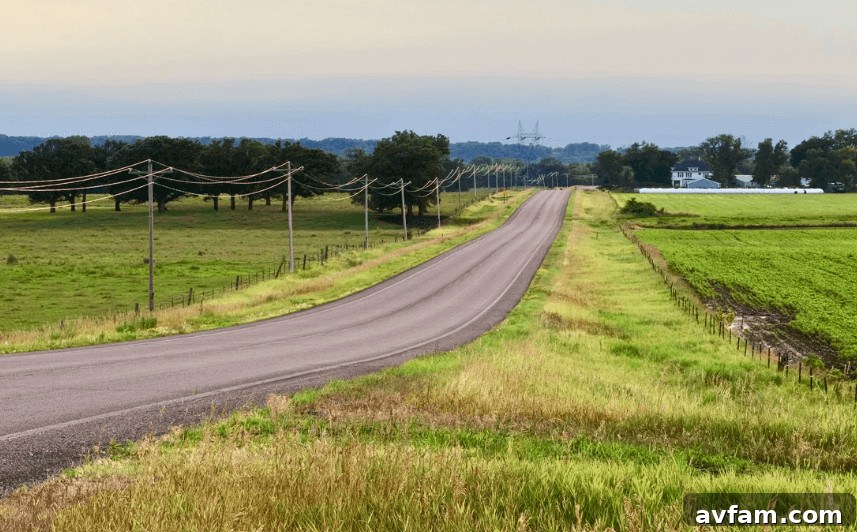
Building Strong Community Bonds in Your New Environment
Community plays an absolutely vital role in creating a truly fulfilling and sustainable lifestyle outside of major cities. While urban environments can sometimes feel isolating despite their density, smaller towns and rural areas often foster stronger social connections and offer more readily available opportunities for active involvement and integration.
Proactively getting involved locally can make a significant and positive difference in how quickly you feel settled, connected, and truly at home in your new environment. It’s an investment in your happiness and social well-being.
Effective ways to build meaningful connections and integrate into your new community include:
- Attending Local Events and Markets: Farmers’ markets, town festivals, local sports events, and community fairs are excellent opportunities to meet neighbors and support local producers.
- Joining Community Groups or Clubs: Whether it’s a book club, a hiking group, a volunteer organization, a gardening club, or a local church group, finding shared interests is a fantastic way to build friendships.
- Supporting Local Businesses: Frequently patronizing local shops, cafes, and restaurants not only helps the local economy but also provides opportunities for regular, friendly interactions with business owners and other community members.
- Volunteering Within the Community: Donating your time to local charities, schools, or community projects is a powerful way to give back, meet like-minded people, and make a tangible difference.
- Engaging with Neighbors: Simple acts like introducing yourself, offering help, or participating in neighborhood gatherings can quickly establish a friendly rapport.
Cultivating strong social connections and actively participating in your new community can transform a mere change of address into a place that genuinely feels like home, fostering a deep sense of belonging and support.
Understanding Property Infrastructure When Leaving the City
Homes located outside major cities frequently rely on different and often more independent infrastructure systems compared to their urban counterparts. Instead of being connected to extensive municipal utilities and services, rural homes may depend on self-contained systems that necessitate a greater degree of homeowner awareness, understanding, and proactive maintenance.
Before making any property purchase, it is absolutely crucial to understand precisely how these independent systems operate, what responsibilities come with their upkeep, and any potential associated costs. This due diligence can prevent unexpected expenses and headaches down the line when you escape the city.
Key Infrastructure Considerations for Rural Properties
Several distinct property systems are commonly found in rural and small-town homes:
Water Supply
Many rural homes rely on private wells for their water rather than municipal water systems. This means homeowners are directly responsible for ensuring water quality through regular testing, maintaining the well pump and pressure tank, and overseeing the overall upkeep of the entire system. Understanding water table levels and potential future drilling costs is also wise.
Septic Systems
Properties situated outside city sewer networks typically utilize septic systems to manage household wastewater. These systems require periodic professional inspections, regular pumping (typically every 3-5 years, depending on usage), and careful monitoring of what goes down the drains to function correctly and avoid costly failures.
Internet and Utility Access
While often overlooked in urban settings, reliable internet connectivity is paramount for remote work, education, and entertainment. Availability and speed can vary drastically in rural areas, so it is critical to confirm service options, potential installation costs, and available providers before committing to a location. Similarly, understand power reliability and alternative heating/cooling options.
Road Access and Maintenance
Some rural properties are accessed via private roads, gravel roads, or long driveways that fall under the homeowner’s responsibility for maintenance. This can include grading, snow removal (especially in areas with heavy snowfall), and repair of potholes or washouts, which can be significant expenses.
Zoning and Land Use Regulations
Local zoning rules and land use regulations can profoundly impact what you are permitted to build, modify, or operate on a property. Some areas have specific restrictions on additional structures (like detached garages or guest houses), short-term rentals, keeping livestock, or running home-based businesses. Thoroughly reviewing local zoning regulations before purchasing land can help ensure the property fully supports your long-term plans and lifestyle ambitions.
Emergency Services and Accessibility
In rural areas, response times for emergency services (fire, police, medical) as well as deliveries and contractors may be longer due to greater distances. Checking road conditions, winter access (if applicable), and the proximity to essential fire and medical services can help you understand how your location may affect day-to-day living, safety, and long-term property management needs.
Having a clear understanding of these distinct infrastructure elements and their associated responsibilities ahead of time helps prevent unexpected costs, ensures functionality, and ultimately guarantees that your new home outside the city seamlessly supports your daily needs and desired lifestyle.
Frequently Asked Questions About Leaving City Life
-
Is leaving the city a good financial decision?
-
Can you maintain a professional career outside the city?
-
How long does it take to adjust to a new lifestyle?
-
What is the biggest benefit of leaving the city?
For many individuals and families, it can indeed be a remarkably sound financial decision. Housing costs, property taxes, and a wide array of everyday expenses are often significantly lower outside major metropolitan areas. This can lead to greater disposable income, reduced debt, and improved financial stability. However, the ultimate financial outcome is highly dependent on individual factors such as employment (especially remote work capability), the specific chosen location, and personal lifestyle choices. Careful budgeting and planning are key to maximizing these financial benefits.
Absolutely. The landscape of work has evolved dramatically, making it easier than ever to maintain a thriving professional career while living outside traditional urban centers. The widespread adoption of remote work, the rise of freelancing platforms, and the increasing feasibility of online businesses have provided immense flexibility. Many rural areas also have growing local economies that offer specific job opportunities, or access to larger towns for reasonable commutes if necessary. With a reliable internet connection and a clear strategy, your career can flourish from a serene countryside setting.
Adjustment times are highly personal and can vary significantly from one individual to another. While the initial change in pace, availability of services, and social dynamics may feel unfamiliar or even challenging at first, most people find themselves adapting comfortably within a few months as they establish new routines, build local connections, and immerse themselves in the rhythm of their new environment. Patience, an open mind, and a willingness to engage are crucial during this transitional period.
While individual benefits are diverse, many people consistently report a profound improvement in their overall quality of life as the single biggest advantage of leaving the city. The combination of increased personal space, significantly reduced stress levels, greater access to and immersion in nature, and a more deliberate pace of life often contributes to substantially better physical and mental well-being, fostering a deeper sense of contentment and fulfillment.
Conclusion: Your Path to a Fulfilling Life Beyond the City
The decision to escape the city is far more than a mere change of scenery; it is a profound opportunity to intentionally rethink how your home and your environment can genuinely support the way you aspire to live. Whether your vision includes expansive outdoor space for hobbies, a quieter and more peaceful daily existence, or ample room to pursue long-held creative projects, relocating beyond urban areas can unlock a wealth of possibilities that city living often cannot provide.
However, successful transition hinges on careful, comprehensive planning. Diligently evaluating property options, thoroughly understanding infrastructure needs, meticulous financial strategizing, and proactive engagement with potential community resources will collectively help ensure that your move is not just a change, but a resounding success. With the right preparation, moving beyond the city limits can lead you to discover a home and a lifestyle that deliver both profound comfort and enduring long-term satisfaction.