
Transforming Your Bathroom: The Shift Towards Functional, Comfortable, and Future-Proof Design
The bathroom, often considered merely a utilitarian space, plays a remarkably demanding role in our daily lives. From the frantic rush of weekday mornings to the calming rituals of evening wind-downs, it serves every household member, multiple times a day. When its layout is inefficient, lighting is inadequate, or storage falls short, the impact is immediately felt, causing unnecessary stress and inconvenience.
This profound realization is driving a significant trend: homeowners are increasingly investing in superior bathroom design and bathroom remodeling projects. The motivation extends far beyond merely boosting resale value. It’s about fundamentally enhancing the space’s daily functionality, comfort, and longevity. Thoughtful upgrades, ranging from optimized lighting and intelligent storage solutions to safer, more accessible layouts, can profoundly transform even a small bathroom into one of the most efficient, tranquil, and indispensable areas within the home. Instead of quick fixes for outdated finishes, many are now stepping back to envision a complete redesign that addresses everyday frustrations and supports long-term well-being.
Functionality First: Redefining the Bathroom’s Purpose
Historically, the bathroom was a purely practical space, defined simply by a sink, toilet, and perhaps a tub. Its primary role was basic hygiene, and design considerations were minimal. However, modern living has dramatically reshaped these expectations. With more people working from home and spending increased time indoors, the demands on every room, including the bathroom, have intensified. Daily routines are more visible, and the subtle inefficiencies of a poorly designed space become glaring frustrations.
When a room is used intensively by everyone in the household, its design transitions from being merely aesthetic to critically influential. Aspects like storage capacity, spatial layout, quality of lighting, and overall accessibility can significantly impact daily stress levels and overall mood. Seemingly minor issues, such as a poorly placed electrical outlet that makes using hair tools difficult, a cramped shower entry, or insufficient counter space, accumulate over months and years, subtly eroding comfort and adding friction to routines.
This is precisely why a holistic approach to bathroom renovation is gaining traction. Rather than merely patching old tiles or replacing a single leaky faucet, homeowners are adopting a comprehensive perspective. They’re evaluating the entire layout and undertaking full-scale remodels, asking not what the space needed two decades ago, but what it requires to support contemporary lifestyles. This shift is less about chasing fleeting design trends and more about implementing lasting solutions that correct long-tolerated daily inefficiencies and create a truly functional environment.
Aging Homes and Evolving Lifestyles: Designing for the Future
A substantial portion of residential properties across the globe were constructed many decades ago. The bathrooms in these older homes inherently reflect the design standards and societal norms of their era, often featuring shorter vanities, narrow shower stalls, and extremely limited storage. While these designs were perfectly normal and functional at the time of their construction, they often fall short of modern expectations and needs.
Today’s households are vastly different. Individuals own a much wider array of personal care products, grooming tools, and wellness items, all requiring dedicated storage. Moreover, there’s a growing expectation for superior lighting that supports various tasks, from detailed makeup application to comfortable nighttime use. Crucially, many homeowners now plan to remain in their homes for the long term. The concept of “aging in place” has evolved from a niche idea into a fundamental practical decision for countless families, influencing every aspect of home design, especially high-use areas like bathrooms.
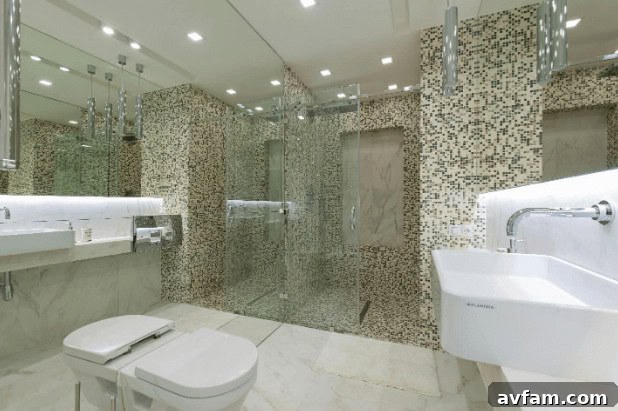
Designing a bathroom that gracefully accommodates changing mobility needs without adopting a sterile, clinical aesthetic demands careful foresight and planning. Features such as spacious, walk-in showers with curbless or low-threshold entries, wider doorways, and highly effective slip-resistant flooring are becoming standard considerations. These upgrades are not visually obtrusive; instead, they integrate seamlessly into the design, subtly but significantly enhancing safety and usability for all ages and abilities. Homeowners are increasingly recognizing the wisdom of proactive planning, understanding that waiting until an injury or a sudden change in mobility forces a reactive, urgent renovation is far from ideal. Investing in an accessible design now offers peace of mind and long-term comfort, making the home truly future-proof.
The Shift Toward Comfort and Calm: Creating a Personal Sanctuary
The modern bathroom is transcending its traditional role as a mere task-oriented space. It is evolving into a personal haven, a place for pause and rejuvenation. While not every homeowner seeks a dramatic, luxurious spa-like experience, there’s a widespread desire for subtle enhancements that foster a sense of calm and well-being.
Elements like carefully selected soft lighting, soothing neutral color palettes, and clean, uncluttered lines contribute to a more tranquil start and end to the day. Even seemingly minor upgrades, such as installing a more efficient and quieter exhaust fan or improving overall ventilation, can significantly enhance the room’s comfort level and air quality. In an era dominated by constant digital noise, packed schedules, and external pressures, people are naturally drawn to spaces that offer stability and quiet respite. The bathroom, despite its often-small footprint, presents a unique opportunity for this. It is one of the few rooms where one can truly close the door, detach, and reset. Achieving this doesn’t necessitate expensive marble slabs or oversized freestanding tubs; rather, it demands intentional design choices that prioritize serenity and personal comfort.
Storage Is No Longer Optional: Battling the Clutter Crisis
Consumer habits have undergone a dramatic transformation over the past few decades. Where bathroom counters once held little more than a toothbrush and a comb, they now often overflow with an extensive array of skincare products, specialized hair styling tools, electric shavers, various medications, and an increasing number of charging cords for personal devices. This explosion of personal care items underscores the critical need for effective storage solutions.
Without intelligent and adequate storage, clutter quickly becomes rampant. This visible disorder isn’t just an aesthetic nuisance; it actively contributes to visual stress, which can subtly but significantly impact mood and mental well-being, even if one doesn’t consciously acknowledge it. Consequently, integrated storage solutions have become a standard and highly sought-after feature in contemporary bathroom design. Built-in shelving units, deeper drawers with clever organizers, and recessed niches strategically placed within showers for soaps and bottles are no longer considered luxuries but essential components of a functional bathroom. These modifications are inherently practical, not just flashy design trends. They are designed to align seamlessly with how people genuinely live and utilize their bathrooms today, ensuring that every item has its designated place. When everything is neatly tucked away, the room not only appears larger and more inviting but also feels more organized and peaceful.
Energy Efficiency and Low-Maintenance Living: Smart Investments
Beyond immediate comfort and aesthetics, another significant factor driving investment in bathroom renovations is the pursuit of long-term efficiency and reduced maintenance. Modern water-saving fixtures, such as low-flow toilets and showerheads, dramatically reduce water consumption, leading to noticeable savings on utility bills without compromising performance. Similarly, the widespread adoption of LED lighting technology offers substantial benefits, providing superior illumination while consuming significantly less power and boasting a much longer lifespan compared to traditional bulbs.
Simultaneously, there’s an increasing demand for low-maintenance materials that simplify daily upkeep. Homeowners are weary of the constant battle against dirty grout lines, the frustration of peeling laminate surfaces, or the arduous task of scrubbing stubborn stains. Consequently, materials like large-format tiles, solid surface countertops, engineered quartz, and seamless shower surrounds are gaining immense popularity. These choices are not only durable but also incredibly easy to clean, resisting mold, mildew, and stains. In our fast-paced world, time has become a precious commodity. If a bathroom can be cleaned quickly and efficiently, and consistently withstand the rigors of daily use without showing wear, that alone presents a compelling justification for the initial investment. These smart material and fixture choices contribute to a more sustainable home and a less burdensome lifestyle.
Resale Value Still Matters: Strategic Design for Future Appeals
While the immediate benefits of daily comfort, enhanced functionality, and personal well-being are powerful motivators for bathroom renovations, the enduring factor of resale value undeniably remains a crucial part of the equation. Bathrooms, alongside kitchens, are consistently among the very first areas potential buyers scrutinize during a home viewing. An outdated, neglected, or poorly functioning bathroom can disproportionately detract from the perceived value of an otherwise well-maintained property, creating a negative first impression that is hard to overcome.
Even homeowners who have no immediate plans to sell recognize the importance of market perception. Designing with future appeal in mind ensures that their investment is sound. This often translates to selecting neutral design palettes, installing updated and classic fixtures, and establishing highly functional layouts that resonate with a broad spectrum of potential buyers. The objective is not to over-personalize the space with overly specific or trendy choices that might quickly become dated. Instead, the goal is to create a bathroom that feels undeniably current, stylish, and well-maintained, yet possesses a timeless quality that will appeal to a wide audience for years to come. A strategic bathroom remodel can offer a significant return on investment, making it a wise financial decision as well as a lifestyle upgrade.
Technology Is Subtle but Present: Enhancing the Daily Routine
The integration of technology into the bathroom is becoming increasingly commonplace, though often in subtle, intuitive ways that enhance, rather than complicate, daily routines. Innovations such as smart mirrors equipped with integrated LED lighting and defogging features, touchless faucets for improved hygiene, and advanced, quiet ventilation systems are quietly making their way into more and more homes. These technological enhancements are not always immediately obvious, but their collective impact on usability, comfort, and cleanliness is profound.
Effective bathroom technology excels when it serves to streamline and support existing routines, rather than introducing unnecessary complexities. Controls should be intuitive, and adjustments should feel natural and effortless. Homeowners are less interested in mere novelty or flashy gadgets and are far more focused on reliability, practicality, and genuine utility. A feature that genuinely reduces effort, improves hygiene, or adds a layer of comfort without demanding a learning curve earns its place in the modern bathroom, proving that smart design can be both innovative and user-friendly.
The Emotional Side of Practical Design: Investing in Well-being
Beyond all the practical considerations, there’s a significant emotional dimension to the contemporary shift in bathroom design. Investing time, effort, and resources into updating a bathroom can evoke a powerful feeling of reclaiming and nurturing a part of the home that may have been overlooked or neglected. It sends a clear signal of care, not just for the physical structure, but for the well-being of those who inhabit it.
During periods where major lifestyle changes or extensive travel might have been postponed, many individuals found themselves channeling their investment funds and desire for improvement closer to home. Instead of purchasing new cars or booking elaborate trips, they chose to significantly upgrade the spaces they interact with daily. This internal shift, though not overtly dramatic from an external perspective, profoundly changes the micro-moments within the home. A beautiful, functional bathroom can transform how mornings begin – with a sense of calm and efficiency – and how evenings conclude – with a feeling of relaxation and cleanliness. It contributes to an overall sense of peace and pride in one’s living environment.
Bathroom Upgrade Checklist: Start With These Essential Improvements
Before diving into aesthetic choices like tile patterns or paint colors, prioritize upgrades that fundamentally improve the bathroom’s functionality and long-term performance. A truly successful bathroom remodel starts by solving existing problems before adding decorative flair.
1. Optimize Layout and Enhance Clearance
- Ensure ample space and comfortable clearance between all fixtures (toilet, vanity, shower/tub) to improve flow and reduce congestion.
- Consider replacing bulky, seldom-used bathtubs with modern, spacious walk-in showers, especially in homes where a tub is not essential for young children.
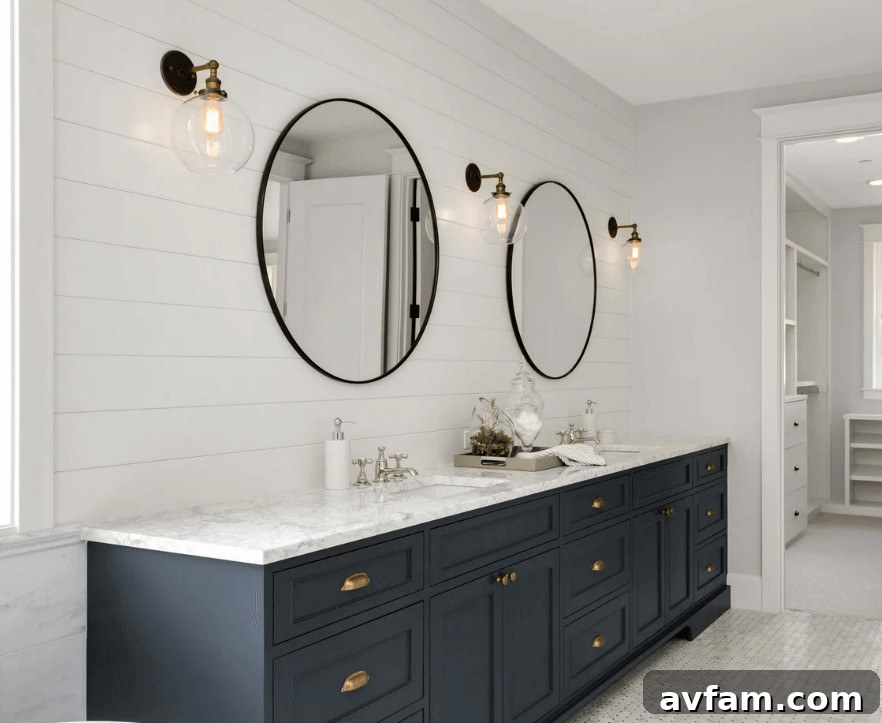
- Upgrade to a double vanity if two or more people regularly use the bathroom simultaneously, providing individual space and reducing morning rush conflicts.
- Evaluate door swing and consider pocket doors or sliding barn doors for smaller bathrooms to maximize usable floor space.
Even minor adjustments to the layout can dramatically improve the room’s efficiency, comfort, and overall usability.
2. Revolutionize Lighting Design
- Implement a layered lighting scheme that combines ambient (general overhead), task (vanity, shower), and accent lighting for versatility and functionality.
- Choose high-quality LED bulbs with a color temperature in the 2700K to 3000K range for a warm, natural, and flattering glow that mimics incandescent light.
- Install dimmer switches on all lighting circuits to allow for adjustable brightness, enabling varied moods from bright task lighting to soft, relaxing illumination.
- Consider adding subtle nightlights or toe-kick lighting for safe navigation during late-night visits.
Properly designed lighting is paramount for both practical usability and creating a desirable atmosphere in the bathroom.
3. Integrate Smart and Practical Storage Solutions
- Opt for deeper drawers and pull-out organizers in vanities instead of shallow cabinets, allowing for more efficient organization of taller bottles and personal items.
- Incorporate recessed shower niches or corner shelves for neatly storing soaps, shampoos, and bath accessories, keeping them off the shower floor.
- Utilize built-in shelving, linen closets, or wall-mounted cabinets instead of relying on freestanding organizers, which can clutter the floor space.
- Consider a medicine cabinet with interior outlets for charging electric toothbrushes or shavers, keeping counters clear.
Effective storage should be meticulously planned to accommodate current and future needs, reflecting how occupants truly use the space today.
4. Enhance Ventilation and Air Quality
- Replace outdated, noisy exhaust fans with modern, high-efficiency models that operate quietly and extract moisture effectively.
- Ensure the exhaust fan is properly vented directly outside the home, rather than into an attic space, to prevent humidity buildup and inhibit mold and mildew growth.
- Consider a fan with a built-in humidity sensor that automatically activates when moisture levels rise, ensuring optimal air quality and protection for finishes.
Superior ventilation is critical for protecting bathroom finishes from moisture damage, preventing mold, and maintaining healthy indoor air quality.
5. Prioritize Safety and Long-Term Accessibility
- Install slip-resistant flooring materials, such as textured tiles or vinyl plank, particularly in the shower area and main bathroom floor, to minimize fall risks.
- Choose curbless or very low-threshold shower entries to eliminate tripping hazards and facilitate easy access for all, including those with mobility challenges.
- Reinforce walls around the toilet, shower, and tub during renovation to allow for the future installation of grab bars, even if not needed immediately.
- Consider comfort-height toilets for easier use and improved ergonomics for individuals of all ages.
These proactive upgrades significantly improve the long-term livability and safety of the bathroom without compromising on contemporary design aesthetics.
6. Opt for Durable, Low-Maintenance Materials
- Select large-format tiles for floors and shower walls to minimize grout lines, making cleaning easier and reducing opportunities for mold and mildew.
- Consider solid surface, engineered quartz, or natural stone with appropriate sealing for countertops, as these materials are highly durable and easy to clean.
- Install water-efficient fixtures, including low-flow toilets and showerheads, to reduce water consumption and lower long-term utility costs.
- Choose moisture-resistant paint and finishes for walls and cabinetry that can withstand humidity and frequent cleaning.
The most successful bathroom remodels strike an ideal balance between sophisticated appearance, lasting durability, and ease of maintenance, ensuring lasting satisfaction.
Conclusion: The Enduring Value of Thoughtful Bathroom Design
The contemporary approach to investing in superior bathroom design and remodeling projects has evolved significantly. It is no longer primarily driven by a desire to simply follow the latest trends or create a showpiece. Instead, the focus has shifted towards a more profound objective: solving everyday problems, enhancing daily comfort, and improving overall quality of life through intelligent, thoughtful design.
A well-executed bathroom renovation that prioritizes an improved layout, smarter and more abundant storage, highly efficient lighting, and the use of durable, low-maintenance materials creates a space that works harder, functions more effectively, and withstands the test of time. These strategic upgrades not only deliver immediate and tangible benefits in terms of comfort, convenience, and personal well-being but also serve as a wise investment, safeguarding and often enhancing the home’s resale value for the future.
Ultimately, a truly well-designed bathroom doesn’t need to be exceptionally oversized, lavish, or dramatically styled. Its core strength lies in its ability to function flawlessly, provide a comfortable and calming environment, and gracefully endure the demands of daily use over many years. When homeowners make the conscious decision to concentrate on practical improvements and functional excellence first, the results are undeniable. The bathroom transcends its humble origins to become one of the most reliable, efficient, and surprisingly enjoyable rooms in the entire home, truly reflecting modern living needs.