
Navigating the Aftermath: A Comprehensive Guide to Water Damage Recovery and Preparedness
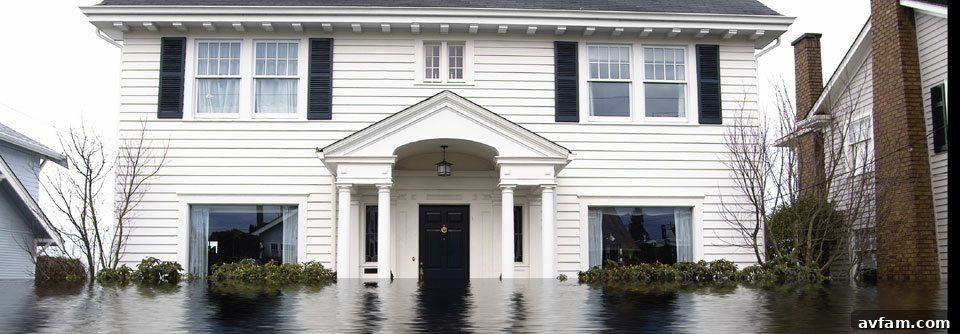
Natural disasters can strike with devastating force, leaving behind a trail of destruction that impacts communities for years. One of the most common and damaging consequences is widespread flooding. Remember Hurricane Sandy? This historic storm, which made landfall across the Eastern Seaboard, brought with it not only powerful winds and torrential rains but also unprecedented storm surges that inundated coastal areas. The combined impact of a raging hurricane, an unexpected winter snowstorm, and the powerful gravitational pull of a full moon high tide created a perfect storm scenario, exacerbating flood levels and spreading chaos far and wide.
In the wake of such a disaster, millions were left without power, transportation systems – including airports, subways, and buses – ground to a halt, and schools closed indefinitely. The sheer scale of the damage was staggering, leading to billions of dollars in losses and countless lives disrupted. Our thoughts were, and continue to be, with the many friends, families, and communities who found themselves directly in Sandy’s path, facing the arduous task of rebuilding their lives amidst the wreckage.
While Hurricane Sandy serves as a potent reminder of nature’s formidable power, the lessons learned from its aftermath are universal. Water damage, whether from a catastrophic flood, a burst pipe, or a faulty appliance, is a persistent threat that homeowners and businesses must be prepared to address. This comprehensive guide aims to equip you with the knowledge and steps necessary to safely assess, mitigate, and recover from water damage, ensuring you can navigate the challenges with confidence and efficiency.
The Unseen Dangers Lurking in Floodwaters
When floodwaters recede, the visible damage is often just the tip of the iceberg. Beneath the surface, numerous unseen dangers pose significant threats to health and safety. It’s crucial to approach flooded areas with extreme caution and never underestimate the potential hazards. Understanding these risks is the first step toward a safe recovery process.
Electrocution Hazards
One of the most immediate and life-threatening dangers in flooded homes or businesses is the risk of electrocution. Submerged electrical outlets, wiring, and appliances can electrify standing water, turning an entire area into a deadly conductor. Never enter a flooded building or area if the power has not been confirmed to be shut off at the main source. Always contact your utility company or a certified electrician to ensure safety before attempting any entry or cleanup.
Sharp Objects and Debris
Floodwaters can conceal a myriad of dangerous objects. Broken glass, jagged metal, splintered wood, and displaced furniture can all become invisible hazards beneath murky water. Stepping into such an environment without proper protective footwear, like sturdy rubber boots, can lead to severe cuts, punctures, and infections. Always assume that sharp objects are present and proceed with utmost care.
Chemical and Biological Contaminants
Floodwaters are rarely clean. They can mix with sewage, agricultural runoff, industrial chemicals, and various household cleaning products, creating a toxic cocktail. Exposure to these contaminants can lead to skin irritations, respiratory problems, gastrointestinal illnesses, and long-term health issues. Furthermore, within 24 to 48 hours, standing water significantly increases the risk of mold growth, which can trigger allergies, asthma attacks, and other respiratory ailments. Bacteria and viruses thrive in moist, contaminated environments, making hygiene and proper personal protective equipment (PPE) paramount during cleanup.
Structural Instability
The weight and force of floodwaters can compromise the structural integrity of buildings. Foundations can be weakened, walls can collapse, and floors can buckle. Before entering any flood-damaged structure, it is imperative to have a professional assessment to ensure it is safe to enter. Cracks, shifting foundations, or unusual odors could indicate severe structural issues.
A Step-by-Step Approach to Water Damage Recovery
Dealing with water damage can feel overwhelming, but a systematic approach can help streamline the process, prioritize safety, and minimize further loss. We’ve compiled a series of essential steps, drawing from expert advice, to guide you through the recovery journey. Keep this list handy, as water damage can occur at any time, whether from a major natural disaster or something as simple as a busted pipe or hose.
Step 1: Prioritize Safety and Check for Danger
Your safety and the safety of those around you must always be the absolute top priority. Before you even think about assessing damage or beginning cleanup, take critical precautions:
- Ensure Power is Off: Before entering any flooded area, confirm that the electricity has been turned off at the main breaker. If you cannot do this safely, contact your utility company immediately. Do not touch electrical appliances or wires if they are wet.
- Turn Off Gas: If you smell gas or suspect a leak, turn off the main gas supply and evacuate the area. Contact your gas provider immediately.
- Wear Protective Gear: Always wear sturdy rubber boots, waterproof gloves, and a mask (especially if mold is present or suspected). Long-sleeved shirts and pants can also offer protection against contaminated water and sharp objects.
- Assess Structural Integrity: Look for signs of structural damage before entering. Cracks in walls or ceilings, buckling floors, or a strong musty odor could indicate a compromised structure. If in doubt, wait for a professional assessment.
- Avoid Contaminated Water: Do not consume food or water that has come into contact with floodwaters. Assume all floodwater is contaminated.
Step 2: Identify the Source (and Stop It)
While the source of a natural flood is obvious, for localized water damage, identifying and stopping the water source is crucial to prevent further harm. Even after a major flood, secondary sources like burst pipes due to freezing or damaged plumbing need to be addressed promptly.
- For Leaks/Burst Pipes: Locate the main water shut-off valve for your home and turn it off immediately. This is usually in the basement, crawl space, or near your water meter.
- For Appliance Malfunctions: Unplug the appliance and turn off its water supply if applicable (e.g., washing machine, dishwasher).
- Document the Source: Take photos or videos of the source of the water damage. This documentation will be invaluable for insurance claims.
Step 3: Rapid Water Extraction and Drying
Speed is of the essence when it comes to water damage. The longer materials remain wet, the higher the risk of mold growth and permanent structural damage. Swift action can significantly reduce the extent of the damage and the cost of repairs.
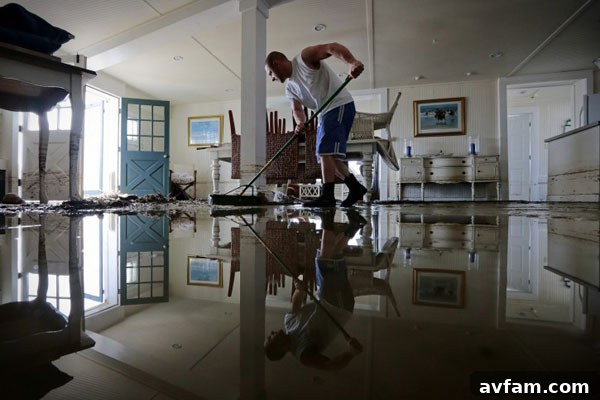
- Remove Standing Water: Use pumps, wet/dry vacuums, buckets, and mops to remove as much standing water as possible.
- Increase Air Circulation: Open windows and doors to allow fresh air to circulate. Use fans, air movers, and dehumidifiers to speed up the drying process. The goal is to reduce humidity levels quickly.
- Remove Wet Materials: Items like wet carpets, rugs, padding, drywall, and insulation are highly absorbent and can trap moisture, becoming breeding grounds for mold. Remove and discard these materials promptly, especially if contaminated by sewage or other hazardous substances.
- Clean and Disinfect: Once surfaces are dry, clean all affected areas with an antimicrobial cleaner to prevent mold and bacterial growth.
- Consider Professional Help: For large-scale flooding or extensive water damage, professional water damage restoration services have specialized equipment and expertise to ensure thorough drying and sanitization.
Step 4: What Can You Salvage?
Deciding what to keep and what to discard is a critical step that impacts both your recovery and your insurance claim. The type of water involved significantly influences salvageability.
- Clean Water (Category 1): This originates from a sanitary source (e.g., burst pipe, overflowing sink). Items affected by clean water may be salvageable if dried and cleaned quickly.
- Gray Water (Category 2): This contains contaminants (e.g., washing machine overflow, toilet bowl with urine). Items saturated with gray water may be salvageable after professional cleaning and disinfection, but porous materials should often be discarded.
- Black Water (Category 3): This is highly contaminated and poses a severe health risk (e.g., sewage backup, river floodwaters, hurricane storm surge). Items saturated with black water, especially porous materials like carpets, upholstery, and drywall, should almost always be discarded to prevent illness and mold. Non-porous items (metal, hard plastic, glass) can often be cleaned and disinfected.
- Document Everything: Before discarding anything, take detailed photos and make an inventory list of all damaged items. This documentation is vital for your insurance claim.
- Clean and Sanitize: For salvageable items, thoroughly clean and sanitize them. Books and important documents may require specialized restoration techniques.
The Critical Role of Flood Insurance
Understanding your insurance coverage is paramount before, during, and after a water damage event. Many homeowners mistakenly believe their standard policy covers flood damage, only to discover too late that it does not. Here’s a quick introduction to flood insurance and why it’s so important.
- Standard Homeowners’ Policies Exclusions: Most standard homeowners’ insurance policies explicitly exclude damage caused by flooding, meaning water that comes from outside your home (e.g., storm surge, overflowing rivers, heavy rain pooling).
- National Flood Insurance Program (NFIP): In the United States, flood insurance is primarily provided through the National Flood Insurance Program (NFIP), managed by FEMA. This separate policy must be purchased in addition to your standard homeowners’ insurance.
- Coverage Details: Flood insurance typically covers damage to your dwelling (structural components, appliances, HVAC systems) and your personal belongings. However, there are limits to coverage, and specific exclusions may apply (e.g., certain types of basements, landscaping).
- Filing a Claim: After a flood, contact your insurance agent immediately to file a claim. You will need your detailed inventory, photos, and any receipts for emergency repairs. Be prepared for an adjuster to inspect the damage.
- Act Fast: There are often time limits for filing claims. The sooner you report the damage, the smoother the process will likely be.
Beyond the Immediate: Rebuilding and Resilience
Recovering from water damage, especially after a major event like Hurricane Sandy, is not just about cleaning up; it’s about rebuilding, both physically and emotionally. The journey can be long and challenging, but remember that community support, professional guidance, and personal resilience play crucial roles.
- Professional Restoration: For significant damage, engaging certified restoration professionals ensures that your property is dried, cleaned, and repaired to industry standards, minimizing future problems like mold recurrence.
- Reconstruction and Repair: Work with reputable contractors to rebuild damaged structures. Ensure all repairs meet local building codes and standards.
- Emotional Support: The stress and trauma of a natural disaster or significant property loss can be immense. Don’t hesitate to seek emotional support from family, friends, or mental health professionals.
- Future Preparedness: Use the experience as a learning opportunity. Review your emergency plan, update your insurance coverage, and consider flood-resistant modifications to your home or property to enhance future resilience.
Conclusion: Stay Safe, Stay Informed, Stay Prepared
The events surrounding Hurricane Sandy were a stark reminder of the unpredictable and devastating power of water. Whether you’re navigating the aftermath of a widespread disaster or tackling a smaller, localized incident like a busted pipe, knowledge and preparedness are your greatest assets. By understanding the inherent dangers, following a systematic recovery process, and ensuring adequate insurance coverage, you can protect your loved ones, your property, and your peace of mind.
Keep this comprehensive guide readily accessible. It serves not only as a recovery roadmap but also as a preventative measure, empowering you to respond effectively and safely whenever water damage strikes.