
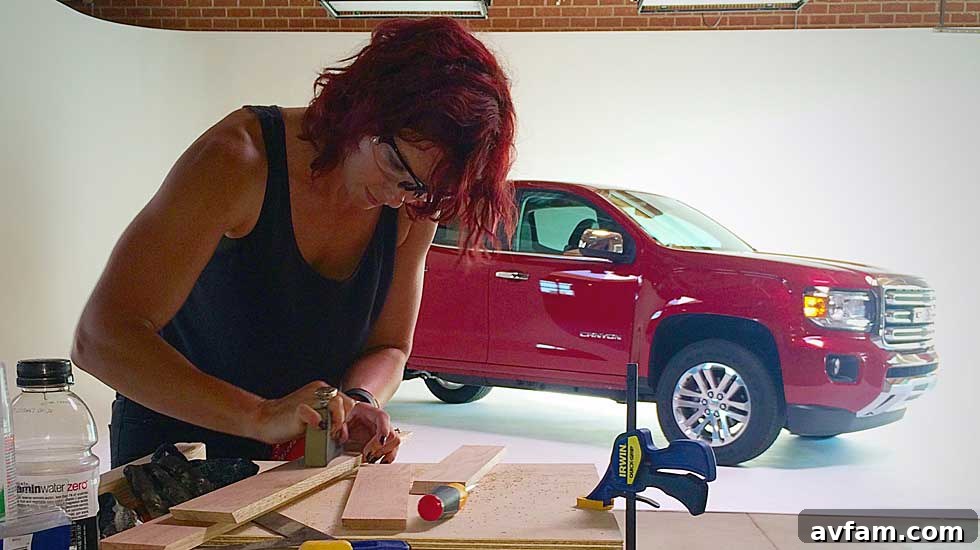
Transforming Treasures: Our Creative Journey in the GMC DIY Challenge for Habitat for Humanity
We were thrilled to accept the invitation from GMC to participate in their inaugural DIY Challenge, an event that perfectly blended our passion for hands-on creation with a profound commitment to community service. This unique competition tasked participants with transforming discarded items into valuable household pieces, all while supporting the incredible mission of Habitat for Humanity.
The spirit of camaraderie and competition was high, as we found ourselves pitted against some truly talented individuals and teams. Our formidable opponents included Brad Pennington of DoItYourself.com, accompanied by his skilled crew from Moca Handcrafted, renowned for their craftsmanship. We also competed against Dinah Wulf of DIY Inspired, who teamed up with the wonderfully creative Jennifer Sevick-Hostetler and her father, Robert, a master cabinet maker whose expertise was evident from the start.
The core of the challenge was both inspiring and demanding: procure materials with a budget of $500 from a Habitat for Humanity ReStore, then design and construct two distinct items—a furniture piece and a household item. These creations were destined to be donated to a Habitat for Humanity home right here in Los Angeles, directly benefiting a family in need. With less than two intense days to complete our projects, we then faced a panel of distinguished judges from GMC, Habitat for Humanity, and our engaging host, Kathryn O’Shea-Evans of This Old House.
For this thrilling adventure, I was incredibly fortunate to have my amazing wife, Laura Dahl, by my side. Laura’s innate creativity, keen eye for design, and unwavering determination always elevate our projects. With her innovative spirit and practical skills, I knew that whatever we envisioned, we would execute it flawlessly, making a significant impact on our challenge.
The Unsung Hero: Powering Our Project with the GMC Sierra 2500HD Denali
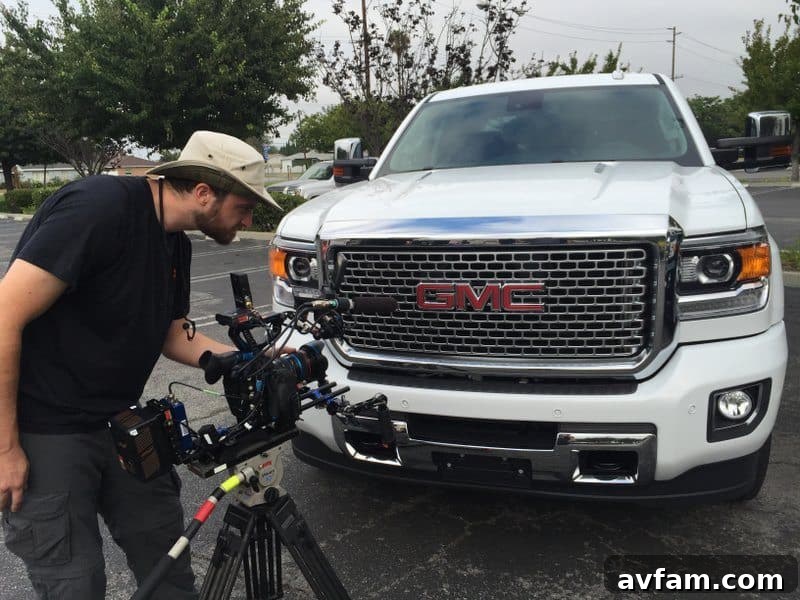
One of the unexpected, yet highly appreciated, benefits of participating in the GMC DIY Challenge was the opportunity to spend a week with an absolute beast of a vehicle: a 2015 GMC 2500 HD Denali 4×4. This truck wasn’t just transportation; it was an integral part of our challenge, providing both the muscle and comfort we needed for the intense two-day build.
Capable of pulling monumental loads, the Denali surprised us with a level of luxury and technological sophistication usually reserved for high-end sedans. It was equipped with 4G WiFi, ensuring we stayed connected on the go, full leather seats that were both heated and air-conditioned for ultimate comfort, an intuitive onboard GPS navigation system, and advanced proximity warnings for safer maneuvering. Every imaginable bell and whistle was packed into this vehicle, making our journeys incredibly smooth.
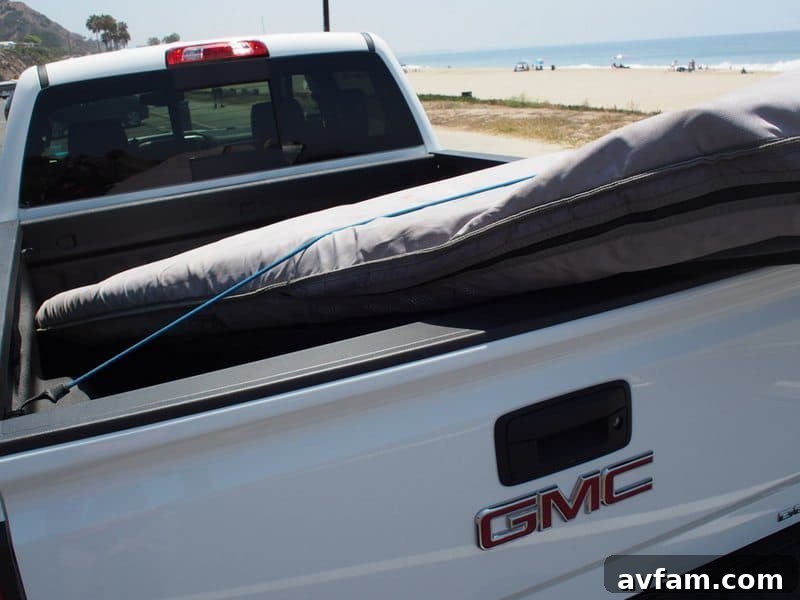
Before the real work began, we even took the Denali on a scenic surf trip up the coast, relishing the effortless cruising along the Pacific Coast Highway. Its smooth ride and premium amenities made for a truly enjoyable leisure vehicle. However, when it was time to transition from relaxation to serious DIY, loading up our tools and materials, the Denali transformed instantly into a robust and reliable workhorse, ready for any task the challenge threw our way. Its versatility perfectly mirrored the adaptability required for the DIY challenge itself.
The ReStore Hunt: Crafting a Vision from Reclaimed Finds
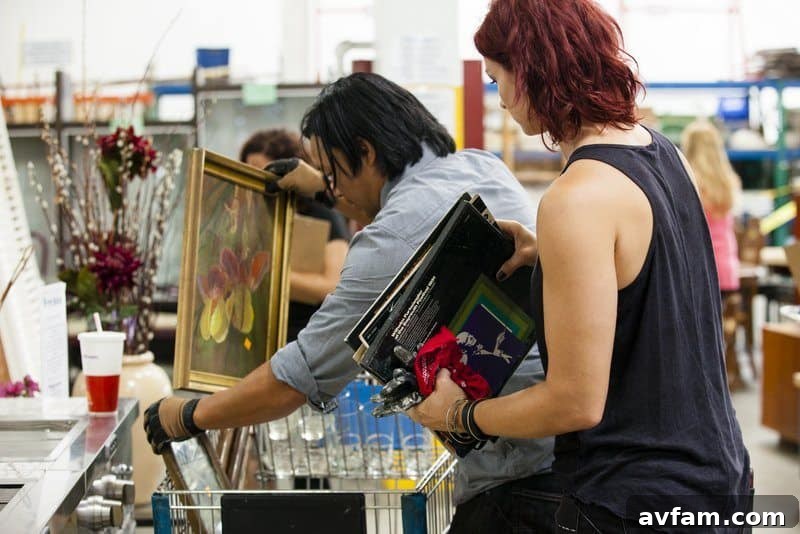
The challenge officially kicked off with an exhilarating Saturday morning. After shooting the intro in the ReStore parking lot, we were given a mere sixty minutes to scour the vast aisles, identify potential treasures, and make our selections within the $500 budget. This wasn’t just shopping; it was a high-stakes treasure hunt, requiring quick thinking and a strong design vision.
Almost immediately, a distinctive gold travel trunk caught our eye. Its unique character and robust structure presented an immediate opportunity, sparking countless ideas for transformation. Laura’s brilliance truly shone here; she envisioned converting this vintage trunk into an elegant sidebar. Her concept was to create a piece that would not only blend seamlessly into a modern home’s dining room but also exude the sophisticated charm suitable for a high-end space, perhaps even a Philippe Starck designed SLS hotel lobby. This blend of classic material with contemporary aesthetic became our guiding principle.
To complement the sidebar, we needed a household item, and a serving tray felt like the perfect accompaniment. Fortuitously, we discovered some exquisite art-deco glass panes that instantly suggested themselves as the ideal base for this secondary piece. Their intricate patterns and quality promised to elevate the tray from a simple utility item to a decorative accent, perfectly echoing the sophistication of the sidebar.
From Concept to Creation: Overcoming Design Hurdles
Elevating the heavy trunk was our next critical design challenge. Initially, we considered crafting crossed wooden posts as legs, but quickly dismissed the idea due to concerns about stability and bulkiness. With limited time—just a few precious hours allotted for this stage of the challenge—fabricating complex legs from scratch wasn’t feasible. The ideal solution, we concluded, would be to repurpose legs from another item, ensuring both efficiency and structural integrity.
Our perseverance paid off when we stumbled upon an outdoor patio table featuring slender, elegant legs. These legs were perfect; their delicate appearance would provide a beautiful contrast to the robust nature of the trunk, creating the illusion that our substantial bar piece was gracefully floating. This conceptualization, however, came with a caveat. While the vision was clear, a slight apprehension lingered: would these repurposed legs truly hold the weight and maintain stability once attached? The true test, we knew, would come only when the piece was fully assembled and turned upright.
The actual construction was a race against the clock, but with careful measurement and precise execution, our vision began to materialize. The moment of truth arrived when we carefully flipped the trunk over, revealing a surprisingly sturdy and aesthetically pleasing sidebar. It held perfectly, exceeding our expectations for stability. A huge shout-out and heartfelt thanks go to “Bob the builder” from Dinah’s team, who, in a wonderful display of collaborative spirit, generously lent us his chop saw, brad nailer, and miter clamps—tools that proved absolutely indispensable in bringing our project to fruition just under the deadline.
The Reveal and Results: Celebrating Creativity and Community
The satisfaction of completing our elegant sidebar and matching serving tray, barely beating the clock, was immense. We poured our creativity and effort into every detail, confident that our modern, reclaimed piece would make a compelling statement. For a closer look at the entire challenge and our creative process, be sure to watch the video below:
When the judging commenced, the atmosphere was electric. Our host, Kathryn O’Shea-Evans, expertly guided the GMC and Habitat for Humanity representatives through each team’s ingenious creations. In the end, the judges made their decision, awarding the win to Brad Pennington and his team for their ingenious outdoor fire pit. It was a fantastic piece, and honestly, who could resist a beautifully crafted fire pit?
While we knew Brad and his team of seasoned pros were the heavy favorites from the outset, we were incredibly proud of our sidebar and tray. We truly believed our unique, sophisticated design would make the judges think twice before simply handing over the victory. Kudos also go to Dinah and her team for embarking on a very ambitious project, and we particularly loved their heartwarming incorporation of a family element into their design with the charming kids’ desk.
As the deserving winners of this inaugural challenge, Brad and his team earned an incredible prize: a trip back East for an exclusive behind-the-scenes tour of This Old House. Speaking from personal experience, I can confidently say they are in for an unforgettable time. The entire team behind the show, from the on-screen personalities to the dedicated production crew, are genuinely solid people, and I have no doubt Brad’s team will have a fantastic and insightful experience.
Beyond the Challenge: Essential Tips for Upcycling and Reclaimed Projects
The GMC DIY Challenge highlighted the immense potential of reclaimed materials and the joy of upcycling. Working with existing pieces isn’t just about saving money; it’s about sustainability, giving objects a second life, and infusing your home with unique character and history. For anyone inspired to embark on their own upcycling adventures, here are some essential tips we’ve gathered from our experience:
- Visionary Shopping at ReStore & Flea Markets: When you walk into a ReStore, thrift store, or flea market, try to see beyond an item’s current state. That dated cabinet might have great bones for a modern console, or an old window frame could become a unique mirror. Look for quality construction, interesting textures, or unique shapes. Don’t be afraid to think outside the box – our gold trunk was just that!
- Prioritize Safety and Preparation: Reclaimed pieces often come with a past. Thoroughly clean items, sand down rough edges, and check for structural integrity. Be mindful of old paint (especially lead-based paint on older items) and use appropriate personal protective equipment (PPE) like gloves, masks, and eye protection.
- Embrace Imperfection: The beauty of upcycling often lies in its imperfections. Small dents, scratches, or faded finishes can tell a story and add charm. Decide whether to restore a piece to pristine condition or to highlight its aged character. Sometimes, a light sanding and a fresh coat of clear sealant are all that’s needed to celebrate its history.
- Tool Essentials for Upcycling: While complex projects might require specialized tools, a basic DIY kit goes a long way. Essential items include a drill, various sandpaper grits, a multi-tool, a tape measure, a level, and a selection of screws and fasteners. For larger cuts, a circular saw or a miter saw can be invaluable. Don’t hesitate to borrow from friends or rent tools for specific tasks, as we did with Bob’s chop saw!
- Plan, But Be Flexible: Have a general idea of what you want to create, but be prepared to adapt your design based on the materials you find. The unique dimensions or characteristics of a reclaimed item might inspire a new direction, leading to an even more original piece. Creativity often thrives within constraints.
To further aid your journey into working with reclaimed pieces, here’s a quick tips video, offering more visual guidance and inspiration from the DIY Challenge:
A Heartfelt Thank You to Our Partners and Community
We extend our deepest gratitude to GMC, Habitat for Humanity, This Old House, and the incredible team at Weber Shandwick for meticulously organizing and bringing this fantastic event to life. The GMC DIY Challenge was more than just a competition; it was an inspiring platform that allowed us to do what we love—designing and building—while contributing to a truly worthy cause.
The opportunity to share our creative process and document our unique creations was an added bonus, and we hope it inspires others to explore the world of DIY and upcycling. It was a truly memorable experience filled with creativity, collaboration, and community spirit.
Photo Gallery: Moments from the GMC DIY Challenge