
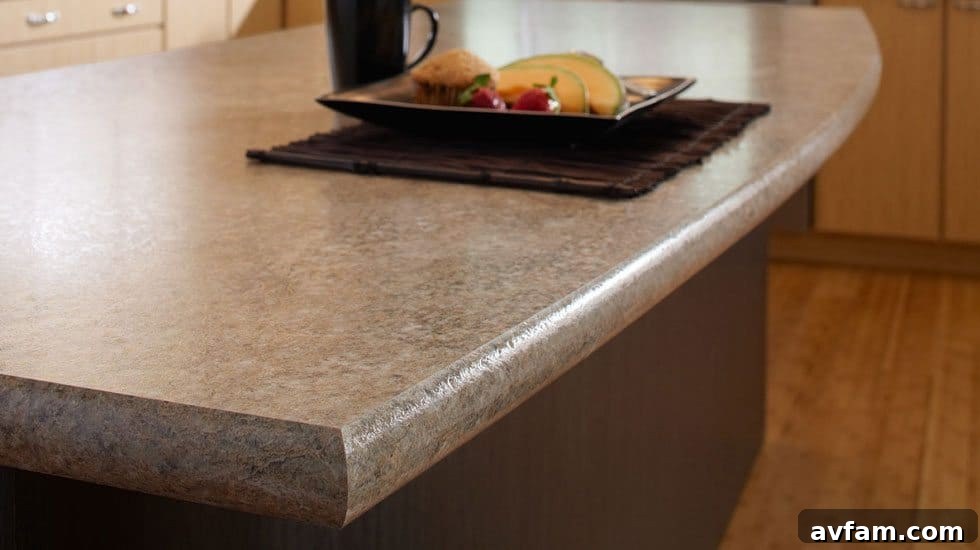
The Ultimate Guide to Choosing Your Perfect Kitchen Countertops
The kitchen is undeniably the heart of any home—a dynamic space where culinary creations come to life, families gather, and memories are made. As a central element of this vibrant hub, your kitchen countertops are far more than just work surfaces; they are a critical design feature that significantly impacts both the functionality and aesthetic appeal of your entire home. With an ever-expanding universe of colors, patterns, and innovative material options, navigating the selection process for the perfect countertop can feel overwhelming. Whether your dream kitchen boasts a sleek modern design, a cozy country-cottage charm, or a timeless traditional elegance, there’s an ideal countertop material ready to elevate your space.
To demystify this important decision and empower homeowners with expert insights, we’ve partnered with Mike Olivieri of Olivieri Contracting in North Canton, OH. Mike, a highly experienced professional in residential contracting and kitchen renovations, has generously shared his invaluable knowledge in this comprehensive guide. His practical expertise will help you explore the myriad of options available, ensuring you make an informed choice that perfectly balances style, budget, and long-term practicality for your unique home. For even more helpful tips and how-to advice, be sure to visit Mike’s insightful blog.
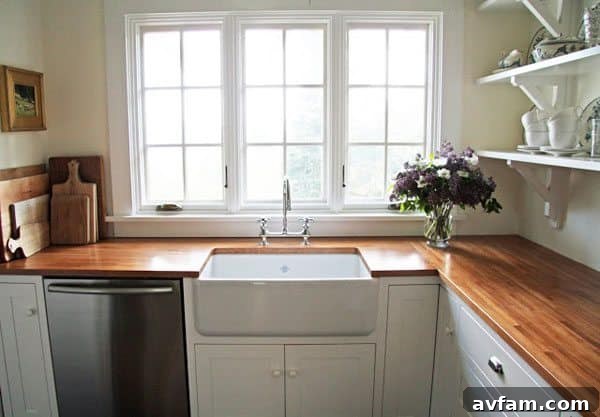
Essential Factors to Consider When Selecting Your Kitchen Countertops
Before you delve into the specific characteristics of various materials, it’s crucial to establish a framework for your decision-making. By thoughtfully considering the following key factors, you can significantly streamline your search and ensure your chosen countertops are a perfect fit for your lifestyle, budget, and aesthetic vision.
1. Budgeting Wisely: Understanding the True Cost of Your Countertops
Setting a realistic budget from the outset is the cornerstone of a successful countertop project. The market offers a vast spectrum of options, from highly economical laminates to luxurious natural stones and sophisticated engineered surfaces. It’s incredibly easy to fall in love with a high-end material that might ultimately stretch beyond your financial comfort zone. By defining your price point early and committing to it, you can effectively narrow your focus to options that are both beautiful and affordable.
When comparing prices, always clarify exactly what the quoted cost includes. A per-square-foot material price might seem attractive, but it’s vital to confirm if this covers essential elements like professional installation, custom cut-outs for sinks and cooktops, specialized edge profiles, and any necessary templating or delivery fees. These additional charges can significantly inflate the total cost. Always request a detailed, all-inclusive quote to avoid unexpected expenses. Don’t forget to factor in local sales taxes, which will be added at the final checkout.
Furthermore, consider your home’s current and potential property value when making your selection. While an updated kitchen is a major selling point that can significantly enhance resale value, over-improving with ultra-luxurious countertops in a more modest home might not yield a proportional return on investment. Conversely, choosing an overly inexpensive or low-grade material for a high-value home could detract from its overall appeal and perceived worth. Aim for a material that aligns with your home’s existing value and the general expectations for homes in your neighborhood, ensuring your investment is well-placed, even if you’re not planning to sell immediately.
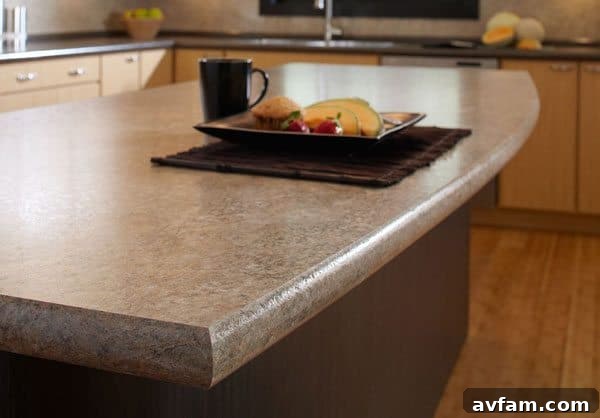
2. Ease of Maintenance: Matching Countertops to Your Lifestyle
Your daily routine and willingness to engage in maintenance tasks should heavily influence your countertop choice. Some materials require diligent care, including regular sealing, specific cleaning agents, or careful handling, while others are exceptionally forgiving and demand minimal attention. Consider your lifestyle: do you enjoy hands-on home improvement projects, or do you prefer spending your weekends pursuing hobbies and adventures?
If you don’t mind a bit of routine upkeep, natural stone options like granite, marble, and soapstone, as well as concrete, will require periodic sealing. This process, typically needed every six months to a year, protects their porous surfaces from stains and moisture penetration. While not overly demanding, it is a commitment that ensures these beautiful materials retain their luster and integrity. For those who appreciate the unique character and natural beauty of these stones, the maintenance is a worthwhile trade-off.
However, if your schedule is packed, or you simply prefer a “wipe and go” approach, then low-maintenance options are your best bet. Materials such as stainless steel, quartz (engineered stone), and laminate are generally non-porous. This inherent quality means they resist stains, bacteria, and moisture without the need for sealing. They are typically easy to clean with just mild soap and water, requiring little more than a quick wipe-down. Opting for low-maintenance countertops can significantly free up your time, allowing you to dedicate more energy to other activities you enjoy without the worry of constant upkeep.
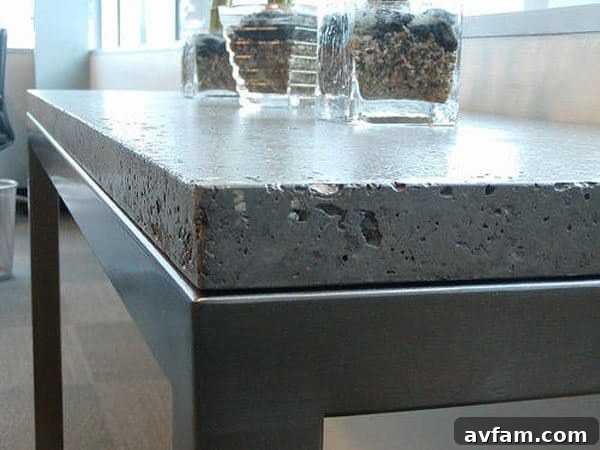
3. Durability: Withstanding the Rigors of Daily Kitchen Use
The kitchen is a high-traffic, high-activity area, and your countertops will inevitably endure daily challenges. They must contend with hot pots, sharp knives, abrasive cleaners, accidental spills of acidic foods, and general wear and tear from constant use. Therefore, the durability of your chosen material is a paramount consideration. You need a surface that can reliably resist common kitchen damages such as staining, cracking, scratching, and etching (a dulling or pitting of the surface caused by chemical reactions with acids).
Materials like solid surfacing, composed of 100% acrylics, polyesters, or a blend, are specifically engineered for resilience. They boast high resistance to stains and impacts, and a significant advantage is their repairability—minor scratches or burns can often be easily buffed or sanded out, making them virtually renewable. Granite, a natural stone, also offers impressive durability, presenting a near diamond-hard surface that stands up remarkably well to heat and scratches, which is why it remains a top choice for busy, active kitchens.
Conversely, some beautiful materials, while elegant, demand more delicate handling. Marble, for example, is highly prized for its luxurious appearance and cool touch, making it ideal for baking. However, it is a softer stone that is more susceptible to scratching and etching from acidic substances (like lemon juice, vinegar, or wine). For this reason, many homeowners opt for marble on a specific island or baking station, complementing it with a more durable material for the main preparation areas. The key is to realistically assess how you use your kitchen and choose a countertop that aligns with your household’s activity level, ensuring it remains beautiful and functional for years to come.
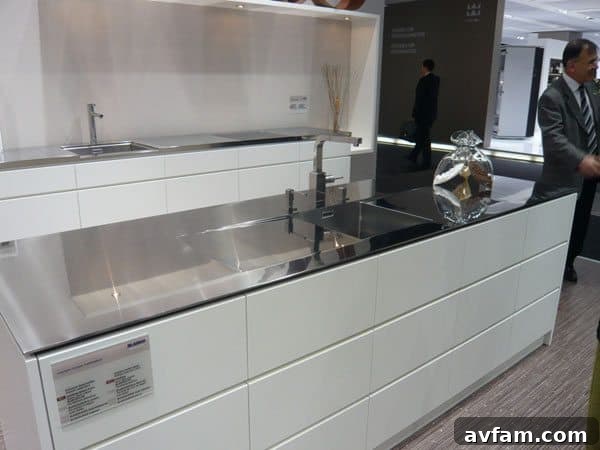
4. Kitchen Design and Aesthetics: Harmonizing with Your Home’s Style
Beyond their practical utility, your kitchen countertops are a powerful design element that profoundly influences the overall aesthetic and atmosphere of your kitchen and home. The material, color, pattern, and finish of your countertops should seamlessly integrate with your existing cabinetry, flooring, wall colors, and appliances to create a cohesive, inviting, and visually pleasing space. Consider the architectural style of your home and the specific ambiance you wish to achieve.
For contemporary, minimalist, or industrial-style kitchens, sleek materials like stainless steel, concrete, and quartz are often ideal. Their clean lines, sometimes monochromatic palettes, and understated elegance perfectly complement modern design principles. Stainless steel provides a professional, highly utilitarian, and hygienic look. Concrete offers an edgy, custom-crafted feel, allowing for unique textures and tints. Quartz, with its consistent patterns and extensive range of colors, can mimic natural stone or provide a uniform, contemporary finish that enhances a sophisticated aesthetic.
If your home leans towards traditional, rustic, farmhouse, or classic styles, materials such as granite, soapstone, and tile are timeless and excellent choices. Granite’s natural variations and rich hues introduce organic beauty and undeniable sophistication, effortlessly blending with classic wood cabinetry. Soapstone, with its soft, matte finish and tendency to develop a beautiful patina over time, lends an old-world charm and warmth that ages gracefully. Ceramic or porcelain tiles offer incredible versatility in pattern, color, and texture, allowing for intricate designs and a classic, durable surface. These materials not only add character and depth but also evoke a sense of history and warmth, enhancing the appeal of both mid-range homes and luxurious estates alike.
A Comprehensive Look at Popular Kitchen Countertop Materials
With a clear understanding of the key factors that guide your decision, let’s now explore some of the most sought-after kitchen countertop materials in detail. This section provides an overview of each material’s unique characteristics, advantages, potential disadvantages, and typical cost ranges, serving as a practical quick reference to help you compare your options effectively.
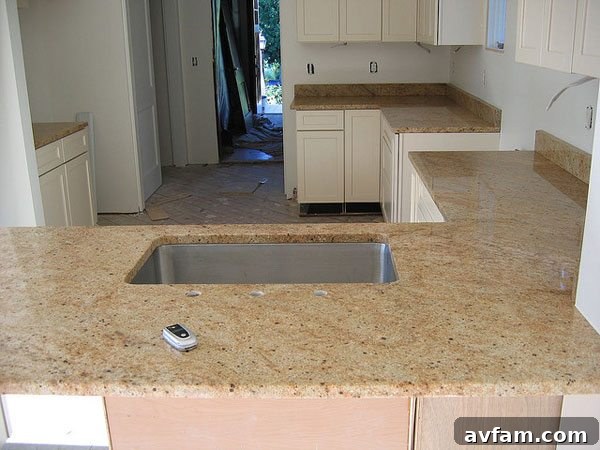
Granite Countertops
Granite, a majestic natural igneous rock, remains a perennial favorite for its enduring beauty and robust performance. Each slab is a unique masterpiece, boasting distinctive patterns, natural variations, and a luxurious depth that adds unparalleled character to any kitchen.
- Pros: Offers exceptional resistance to heat, scratches, and chips, making it incredibly resilient to the rigors of daily cooking. Its natural beauty and unique patterns provide a high-end, sophisticated aesthetic that significantly enhances kitchen value.
- Cons: Being a porous natural stone, granite requires periodic sealing, typically every 6-12 months, to prevent liquids and oils from penetrating and causing stains. It is also an exceptionally heavy material, demanding sturdy cabinet bases and professional installation to ensure adequate structural support.
- Cost: Generally ranges from $35 to $100 per square foot, installed, with prices fluctuating based on the rarity, thickness, and origin of the stone, as well as installation complexity.
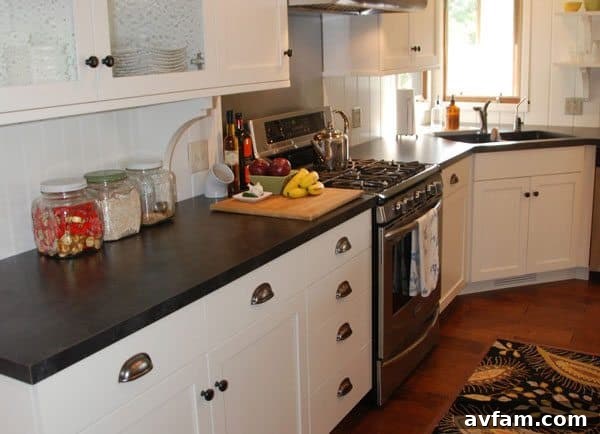
Solid Surfacing Countertops
Solid surfacing, primarily composed of acrylics, polyesters, or a blend, is an engineered material known for its versatility and seamless appearance. It’s manufactured to be non-porous and homogeneous, providing a consistent look and practical benefits.
- Pros: Virtually maintenance-free due to its non-porous nature, eliminating the need for sealing and resisting bacteria build-up. Seamless installation creates a smooth surface without cracks or crevices, promoting hygiene. Minor scratches and burns can often be easily sanded out, making it remarkably renewable and repairable. Available in an extensive array of colors and patterns, including options that convincingly mimic natural stone or wood.
- Cons: While durable, solid surfacing can be susceptible to damage from excessively hot pans placed directly on the surface (which can cause scorch marks) and deep cuts from sharp knives. Some homeowners may perceive its appearance as less natural or authentic compared to genuine stone.
- Cost: Typically ranges from $35 to $100 per square foot, installed, varying with brand, specific design, and complexity.
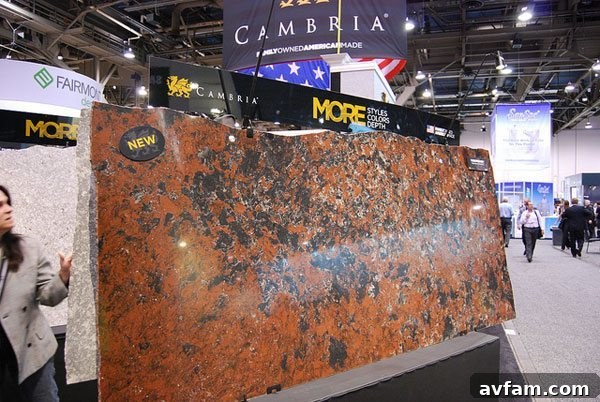
Quartz Countertops (Engineered Stone)
Quartz countertops are sophisticated engineered stone products, primarily consisting of about 90-95% crushed natural quartz crystals blended with resins, polymers, and pigments. This meticulous manufacturing process yields a highly durable, non-porous, and uniformly beautiful surface.
- Pros: Extremely low maintenance because it’s non-porous, making it highly resistant to stains, bacteria, and moisture without requiring any sealing. Quartz offers exceptional hardness and scratch resistance, standing up well to daily kitchen demands. It is available in a vast array of consistent colors and patterns, including designs that convincingly replicate the look of natural marble and granite, offering superior design flexibility.
- Cons: While heat resistant, extreme thermal shock from very hot pots placed directly on the surface can potentially damage the resin binders. Some consumers may find that its engineered nature lacks the unique, subtle variations and organic feel found in natural stones like granite or marble, although modern designs are continually evolving to mimic natural aesthetics more closely.
- Cost: Typically priced between $40 to $90 per square foot, installed, with variations depending on the brand, specific style, and any customization requirements.
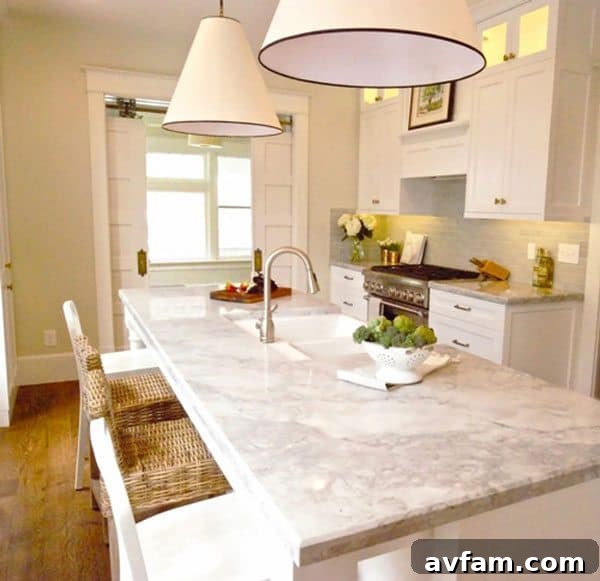
Marble Countertops
Renowned for its timeless elegance and distinctive, often dramatic veining, marble is a metamorphic rock that brings an unparalleled touch of classical luxury and sophistication to any kitchen. Its naturally cool surface has made it a favorite among professional and home bakers alike.
- Pros: Provides an unmatched level of classical sophistication and natural beauty, with each slab presenting unique, flowing patterns. Its inherently cool temperature is ideal for preparing pastries and baking, preventing dough from sticking and making it a baker’s dream surface.
- Cons: Marble is a softer, more porous stone compared to granite, rendering it highly susceptible to stains (even with periodic sealing) and etching from acidic foods and liquids like lemon juice, wine, and vinegar. It also scratches and chips more easily than harder materials, demanding diligent care. Due to its delicate nature, it is often not recommended for heavy-use areas throughout the entire kitchen but excels as an accent, island top, or baking station.
- Cost: Generally ranges from $40 to $100 per square foot, installed, depending significantly on the type and origin of the marble.
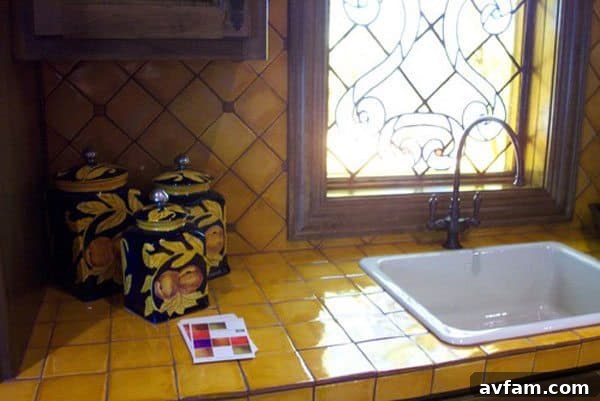
Tile Countertops
Kitchen countertops made from ceramic, porcelain, or natural stone tiles offer an incredible degree of customization and design versatility. Tile allows homeowners to create highly personalized surfaces with a vast selection of colors, patterns, textures, and layouts.
- Pros: Tiles themselves are highly resistant to stains, heat, and sharp blades, making them a robust surface for most kitchen tasks. If an individual tile becomes damaged or breaks, it can often be replaced relatively easily, contributing to the countertop’s longevity. Offers immense design flexibility, allowing for unique patterns, colors, and textures to match any kitchen style.
- Cons: The most notable drawback is the uneven surface created by the grout lines, which can make it challenging to balance cutting boards smoothly or roll out dough. Unsealed or poorly maintained grout is highly porous, making it prone to staining, trapping moisture, and fostering bacterial growth, thus requiring diligent cleaning and periodic sealing.
- Cost: Generally more budget-friendly, ranging from $10 to $80 per square foot, installed, with prices varying significantly based on the type of tile chosen and the complexity of the installation.
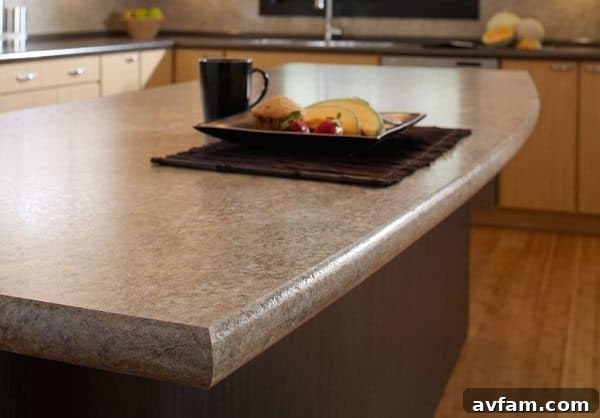
Laminate Countertops
Laminate countertops are a popular and economical choice, constructed by bonding layers of plastic (laminate) to a particleboard or MDF core. They are highly valued for their affordability and extensive range of designs that can convincingly mimic more expensive materials.
- Pros: Extremely low maintenance and exceptionally easy to clean, typically requiring only a damp cloth and mild soap. It is a lightweight material, which simplifies installation and reduces structural demands on cabinetry. Available in an incredible variety of colors, patterns, and finishes, including very convincing reproductions of natural stone or wood, all at a fraction of the cost.
- Cons: Prone to scratching, burning from hot pots if not protected, and staining from harsh chemicals or strong dyes. Prolonged exposure to excessive moisture, particularly around sinks or seams, can cause the layers to delaminate, peel, or swell. Damage is often difficult to repair seamlessly, typically necessitating full section replacement. Cannot generally be used with under-mount sinks due to the particleboard core’s susceptibility to water damage.
- Cost: One of the most economical options, typically ranging from $10 to $30 per square foot, installed.
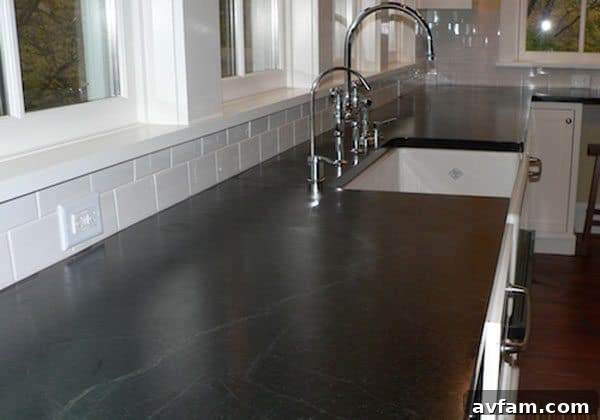
Soapstone Countertops
Soapstone is a natural metamorphic rock recognized for its distinctive soft, milky appearance and a unique, silky-smooth tactile feel. It naturally starts lighter in color and gracefully darkens over time, developing a rich, unique patina that adds profound character and an antique charm to any kitchen.
- Pros: Features a natural softness and depth in its appearance, providing a unique, classic, and warm aesthetic. It is inherently non-porous, making it highly resistant to stains and bacteria without the need for periodic sealing. Offers excellent heat resistance, allowing hot pots to be placed directly on its surface without damage.
- Cons: Due to its relative softness, soapstone is more prone to scratches and nicks from sharp objects compared to harder stones like granite. While these can often be easily sanded out or camouflaged with mineral oil, it does require occasional maintenance. To maintain its deep, rich luster and help hide minor imperfections, it should be periodically polished with mineral oil. Its natural texture can sometimes scuff delicate glassware or china if not handled carefully.
- Cost: Typically ranges from $70 to $100 per square foot, installed, reflecting its unique qualities, natural sourcing, and specialized fabrication.
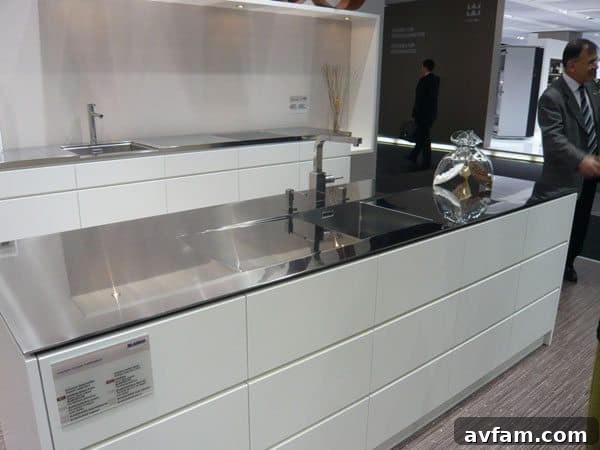
Stainless Steel Countertops
Stainless steel countertops impart a distinctly professional, sleek, and industrial aesthetic to the kitchen. Widely used in commercial settings for their hygienic properties and extreme durability, they are custom-fabricated to precisely fit specific kitchen layouts.
- Pros: Nearly indestructible, offering exceptional resistance to heat, stains, and bacteria, making it one of the most hygienic and durable options available. Its modern, reflective surface beautifully complements contemporary and industrial-style kitchen designs.
- Cons: Prone to showing fingerprints, smudges, and minor scratches, often requiring frequent wiping and specialized cleaners to maintain a pristine appearance. Certain harsh chemicals can affect its finish or cause unwanted etching. Custom fabrication for precise fit and finish can make it one of the more expensive countertop options, especially for complex designs. It can also be noisy, producing a metallic clang when pots and pans are placed upon it.
- Cost: Often ranges from $65 to $125 per square foot, installed, largely due to the custom fabrication and installation expertise required.
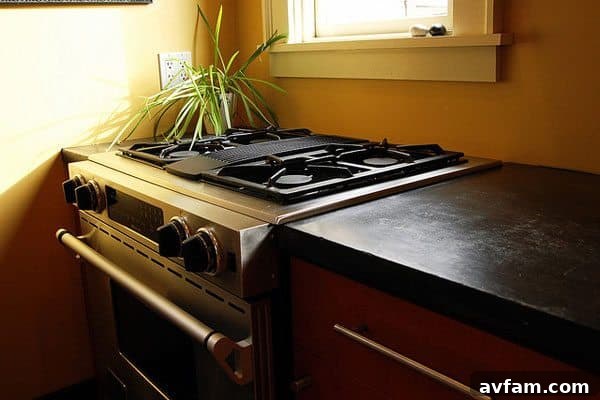
Concrete Countertops
Concrete countertops offer a highly customizable and artistic option for homeowners seeking truly unique surfaces. They can be tinted to match any décor, textured, and even embedded with decorative elements like recycled glass, stones, or shells, allowing for unparalleled personalization.
- Pros: Extremely versatile, offering limitless customization in terms of shape, size, color, texture, and inlays, allowing it to perfectly match any bespoke design vision. It is incredibly durable and stands up exceptionally well to heavy use and heat. Provides a distinct, modern, or industrial aesthetic that is truly one-of-a-kind.
- Cons: As a naturally porous material, concrete requires frequent sealing (typically every 3-6 months) to effectively prevent staining from food and liquids. Over time and with building settlement, small hairline cracks can develop, though many find these add to its unique industrial charm. Concrete is exceptionally heavy, necessitating a very strong, well-reinforced cabinet base for proper support.
- Cost: Varies widely due to the extensive customization options, typically ranging from $75 to $125 per square foot, installed.
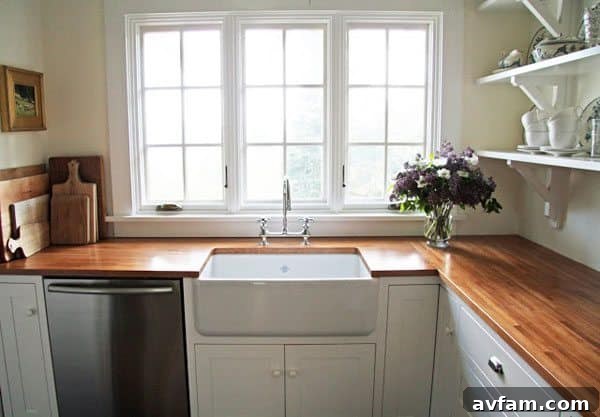
Butcher Block Countertops
Butcher block countertops are crafted from strips of hardwood (such as maple, oak, or walnut) glued together to form a solid, robust surface. They bring a natural warmth, organic texture, and classic charm that beautifully complements traditional, rustic, farmhouse, or even transitional kitchen designs.
- Pros: Offers a warm, inviting, and natural appearance that instantly adds character and coziness to a kitchen. Minor scratches and nicks can often be easily sanded down and re-oiled, making the surface highly renewable. It is relatively easy to install for DIY enthusiasts and can be used as a direct cutting surface (though this requires more frequent oiling and diligent sanitation).
- Cons: Wood is highly susceptible to moisture, causing it to swell and contract, which can lead to warping, cracking, or splitting if not properly maintained. As a porous organic material, it can harbor bacteria if not regularly cleaned and disinfected. Consistent oiling with food-grade mineral oil is a must, not only to protect the surface from moisture but also to fill in minor scratches and maintain its aesthetic appeal.
- Cost: Generally ranges from $35 to $70 per square foot, installed, with prices varying based on the wood species, construction style (end grain vs. edge grain), and thickness.
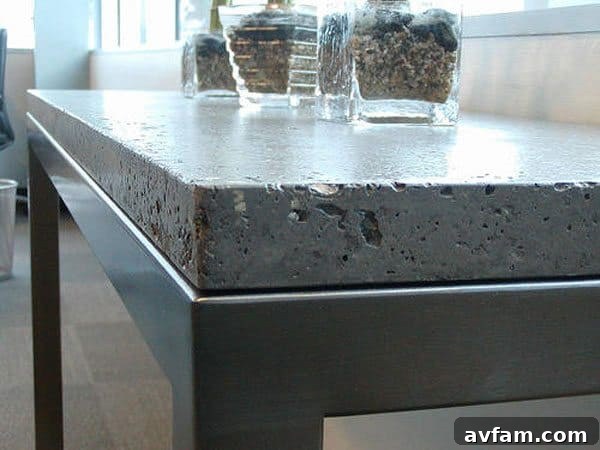
Paper Composite Countertops
Paper composite countertops present an eco-friendly and innovative option, ingeniously crafted from recycled paper and natural pigments, bound with a durable resin and compressed under high pressure. They offer a unique aesthetic that can resemble solid surfacing or laminate but with a distinctive warmer, softer tactile feel.
- Pros: Surprisingly hardy, demonstrating good resistance to heat and water once properly sealed and maintained. It is significantly lighter in weight than natural stone or concrete, simplifying installation and reducing structural load. Offers a distinct, contemporary look with a warm, tactile finish. Made from recycled materials, making it an appealing choice for eco-conscious homeowners.
- Cons: Can be susceptible to scratches and chemical damage if not properly cared for or if harsh cleaning agents are used. While durable, it requires occasional oil treatment and light sanding to refresh its appearance, enhance its protective layer, and maintain its original luster. Requires careful attention to avoid prolonged exposure to standing water, especially around seams or cut-outs.
- Cost: Typically ranges from $85 to $100 per square foot, installed, reflecting its specialized manufacturing process and eco-conscious attributes.
Making Your Final Kitchen Countertop Decision
Choosing the perfect kitchen countertop is a significant investment that profoundly impacts both the functionality and aesthetics of your home. By thoughtfully considering essential factors such as your budget constraints, daily lifestyle, desired level of maintenance, and the overall design aesthetic of your kitchen, you can confidently navigate the vast selection of materials available. Whether your priority is the unmatched durability of granite, the low-maintenance appeal of quartz, the timeless elegance of marble, or the unique character of butcher block, an informed decision will lead to a kitchen space that you will cherish and enjoy for many years to come.
We extend our sincere gratitude to Mike Olivieri of Olivieri Contracting for his invaluable expert contributions and insights, which have been instrumental in crafting this guide to help homeowners make confident and beautiful choices for their kitchen renovation projects.
Sources:
- Laurie L. Dove, What Type of Countertop Needs the Least Amount of Maintenance?, http://home.howstuffworks.com
- Marisa Villarreal, Bob Vila’s Guide to Kitchen Countertops, www.bobvila.com
- Erin Eberlin, Before Choosing a Countertop, http://landlords.about.com
- Lisa Frederick, Kitchen Countertops 101: Choosing a Surface Material, www.houzz.com