
Lowe’s Strategic Restructuring: Navigating Store Closures and Future Growth in Home Improvement Retail
Recent announcements from Lowe’s, one of America’s leading home improvement retailers, have stirred conversations across the nation. The company has revealed plans to close 20 underperforming U.S. store locations, a move anticipated to impact approximately 2,000 jobs. This strategic decision is part of a broader effort to enhance profitability and optimize its operational footprint in a rapidly evolving retail landscape. While the news might seem concerning at first glance, a deeper dive reveals a nuanced approach by Lowe’s to adapt to changing consumer behaviors and market demands, ensuring long-term sustainability and growth in the highly competitive home improvement sector.
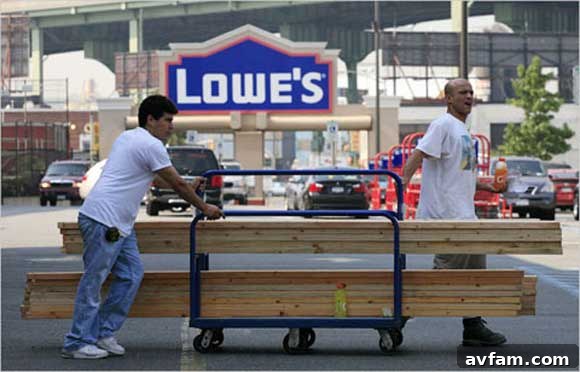
The Scope of the Closures: A Calculated Business Decision for Retail Optimization
With approximately 1,700 Lowe’s stores currently operating across the United States, the closure of 20 locations represents a targeted, rather than widespread, adjustment to its retail footprint. The company has already completed the closure of 10 stores, with another 10 slated to cease operations within the coming month. Such decisions are never made lightly and typically follow extensive analysis of store performance metrics. These metrics include sales per square foot, local market competition, operational costs, lease agreements, and future growth potential in specific geographic areas. By identifying and addressing these underperforming assets, Lowe’s aims to strengthen its overall market position.
This initiative is not an isolated event but rather a common practice in the dynamic world of retail. Companies frequently review their portfolios to identify units that may be draining resources or failing to meet profitability targets. By divesting from these locations, Lowe’s aims to reallocate capital and focus management efforts on its more successful and strategically important stores, as well as on new growth avenues such as enhanced e-commerce capabilities and specialized services for professional contractors. This retail optimization strategy is crucial for long-term health and competitiveness.
Why the Closures? Decoding Lowe’s Strategic Imperatives in a Shifting Market
Several significant factors likely contribute to Lowe’s decision to streamline its store count. Understanding these elements provides crucial insight into the broader challenges and opportunities within the home improvement sector, reflecting widespread retail market trends:
1. Enhancing Profitability and Operational Efficiency
At its core, the primary driver for these Lowe’s store closings is to bolster profitability. Stores with consistently low sales volumes, high operating costs, or intense local competition can become financial liabilities. By shutting down these underperforming units, Lowe’s can significantly reduce overheads, improve its overall financial health, and present a stronger fiscal outlook to investors. This optimization strategy allows the company to invest more effectively in its high-performing existing stores, develop its robust e-commerce platforms, and modernize its supply chain infrastructure for greater efficiency.
2. Adapting to the Evolving Retail Landscape and E-commerce Growth
The retail industry has undergone a seismic shift, largely propelled by the rapid growth of e-commerce. Consumers increasingly expect the convenience of online shopping, home delivery, and services like “buy online, pickup in-store” (BOPIS). While home improvement often requires physical interaction with products and expert advice, a significant portion of purchases can now be made digitally, from tools to appliances to smaller DIY project components. Lowe’s, like its competitors, must strategically adapt its physical footprint to complement, rather than compete with, its burgeoning online presence.
This adaptation might mean that some stores, due to their outdated location, size, or layout, are simply not optimized for modern omnichannel retail strategies. Closing them frees up resources to invest in a seamless digital experience, more efficient distribution networks, and potentially smaller, more specialized store formats in high-demand areas.
3. Shifting Consumer Preferences and Economic Headwinds
Consumer behavior in the home improvement sector can be sensitive to economic fluctuations. While the pandemic spurred a boom in DIY projects and home renovations, subsequent factors like persistent inflation, rising interest rates, and concerns about a potential economic slowdown can temper consumer spending on large-scale home projects. A more cautious economic outlook might lead retailers to consolidate operations in areas where demand is projected to soften. Furthermore, the housing market’s dynamics, including new home construction rates and existing home sales, directly impact the demand for home improvement products.
Additionally, preferences between DIY enthusiasts and professional contractors (Pro customers) are also evolving. Lowe’s has been increasingly focusing on attracting and serving its Pro segment, which often requires different store layouts, inventory management, specialized services, and a robust loyalty program. Some older or less strategically located stores might not align with this refined focus on serving both segments effectively.
4. Competitive Pressures in the Home Improvement Market
The home improvement market is fiercely competitive, dominated by giants like Lowe’s and Home Depot, alongside a host of smaller regional players, specialized hardware stores, and burgeoning online retailers like Amazon. To maintain a competitive edge and ensure long-term viability, companies must continuously optimize their operations, including store locations, pricing strategies, product offerings, and customer service. Closures can be a response to an oversaturated market in certain areas or a move to avoid direct, unprofitable competition, thereby allowing Lowe’s to consolidate its market share where it is strongest.
The Impact: What These Job Cuts and Store Liquidations Mean for Employees, Customers, and Communities
Store closures inevitably have far-reaching consequences across various stakeholders:
- For Employees: The most immediate and significant impact is on the approximately 2,000 employees facing job cuts. While Lowe’s typically offers severance packages, outplacement services, and opportunities to apply for positions at other nearby operational stores, job displacement remains a challenging experience for individuals and families, potentially affecting local economies.
- For Customers: Shoppers in affected areas will lose a convenient local option for their home improvement needs. While clearance sales during store liquidation periods can offer attractive deals on various items, the long-term effect is reduced accessibility to Lowe’s products and services in specific neighborhoods. Customers will need to seek alternatives, whether that means traveling to another Lowe’s location, switching to a competitor, or relying more heavily on online shopping and home delivery services.
- For Local Communities: An empty big-box store can leave a visible gap in a community, potentially impacting local tax revenues, reducing local employment, and creating a vacant property that needs to be filled. However, it also opens up opportunities for new businesses to move into the space, contributing to local economic revitalization and potentially bringing new services or retailers to the area.
Lowe’s Forward-Looking Strategy: Balancing Consolidation with Strategic Growth
It’s crucial to understand that these closures are not indicative of a company in decline, but rather one in transition and actively adapting. Lowe’s is actively balancing its rationalization efforts with strategic growth initiatives, painting a picture of calculated expansion:
1. Targeted New Store Openings
Despite the current closures, Lowe’s has confirmed plans to open 10-15 new stores by next year. This selective expansion demonstrates a commitment to growth in strategically important, high-potential markets. For example, the new Honolulu location, which opened recently and garnered positive attention for its modern design, comprehensive offerings, and focus on customer experience, exemplifies Lowe’s approach to opening stores where demand is strong and their operational model can be optimized for profitability. These new stores often feature updated layouts, enhanced technology integration, and a stronger focus on the “Pro” customer segment, which is a key area for Lowe’s future plans.
2. Robust Investment in E-commerce and Omnichannel Capabilities
Lowe’s continues to pour significant resources into its digital platforms. This includes improving its website and mobile app experience, expanding its online product assortment to include a wider range of items, optimizing its fulfillment and delivery networks for speed and efficiency, and enhancing its “buy online, pickup in-store” (BOPIS) services. The overarching goal is to provide a seamless omnichannel shopping experience, allowing customers to easily transition between online browsing and in-store interactions, catering to modern consumer demands for convenience and flexibility.
3. Enhancing the Pro Customer Experience
Professional contractors represent a lucrative and loyal customer segment for home improvement retailers. Lowe’s has been refining its strategies to better serve Pros, including dedicated Pro desks with specialized staff, convenient parking solutions, expanded bulk ordering options, tailored loyalty programs offering exclusive benefits, and a curated product selection relevant to their trade. Investing in existing stores to better cater to Pros is a key part of their long-term growth plan, aiming to solidify relationships with this vital customer base.
4. Supply Chain Modernization and Efficiency
Efficient supply chains are critical for retail success, directly impacting product availability, delivery times, and operational costs. Lowe’s is investing heavily in modernizing its distribution centers and logistics networks to ensure faster product delivery to both stores and customers’ homes, improve inventory management across its vast network, and reduce overall operational costs. This modernization effort directly supports both its physical stores and its expanding e-commerce operations, contributing to a more streamlined and responsive business model.
Navigating the Changes: Advice for Consumers
If you’re a Lowe’s customer, particularly in an area with a closing store, here are a few things to consider to make the most of the situation:
- Look for Liquidation Sales: Closing stores often host significant clearance events, offering deep discounts on a wide array of inventory. This can be an excellent opportunity to snag deals on tools, appliances, building materials, home decor items, and garden supplies. Keep an eye on local advertisements and store signage for these valuable sales.
- Explore Online Options: Familiarize yourself with Lowe’s robust online store. Many items can be delivered directly to your home, or you might find the option to pick them up at a nearby operational Lowe’s location, offering continued access to their product range.
- Check Competitors: This might be an opportune time to explore what other home improvement retailers in your vicinity, such as Home Depot, regional hardware chains, or local independent hardware stores, have to offer. Diversifying your shopping options can be beneficial.
- Review Loyalty Programs: Understand how your Lowe’s Advantage Card or other loyalty benefits might be affected by a local store closure. Confirm if your rewards can still be utilized at other locations or through online purchases to ensure you don’t miss out on accumulated benefits.
The Broader Home Improvement Market Outlook: Resilience Amidst Change
Despite these specific store closures, the overall home improvement market remains remarkably robust. Homeowners continue to invest in their properties, driven by a desire for personalization, energy efficiency, increased functionality, and a focus on outdoor living spaces. While economic shifts can cause temporary dips in consumer spending on large projects, the long-term outlook for home improvement retail is generally positive, fueled by an aging housing stock and a strong homeowner desire to enhance their living environments. Retailers like Lowe’s are simply adapting their strategies to capture this enduring demand more efficiently and profitably in a world where digital and physical retail are increasingly intertwined and customer expectations are higher than ever.