
Understanding urban dynamics is crucial in today’s rapidly evolving world. In previous discussions, we’ve explored the fundamental concept of gentrification and analyzed the underlying socio-economic factors that contribute to its emergence in urban landscapes. Now, we turn our attention to the heart of the debate: the multifaceted impacts of gentrification, specifically focusing on its positive aspects. While often viewed through a complex lens, gentrification presents several compelling benefits for urban areas and their inhabitants. This article will delve into these advantages, shedding light on how strategic urban revitalization can foster community growth, enhance quality of life, and breathe new life into previously struggling neighborhoods.
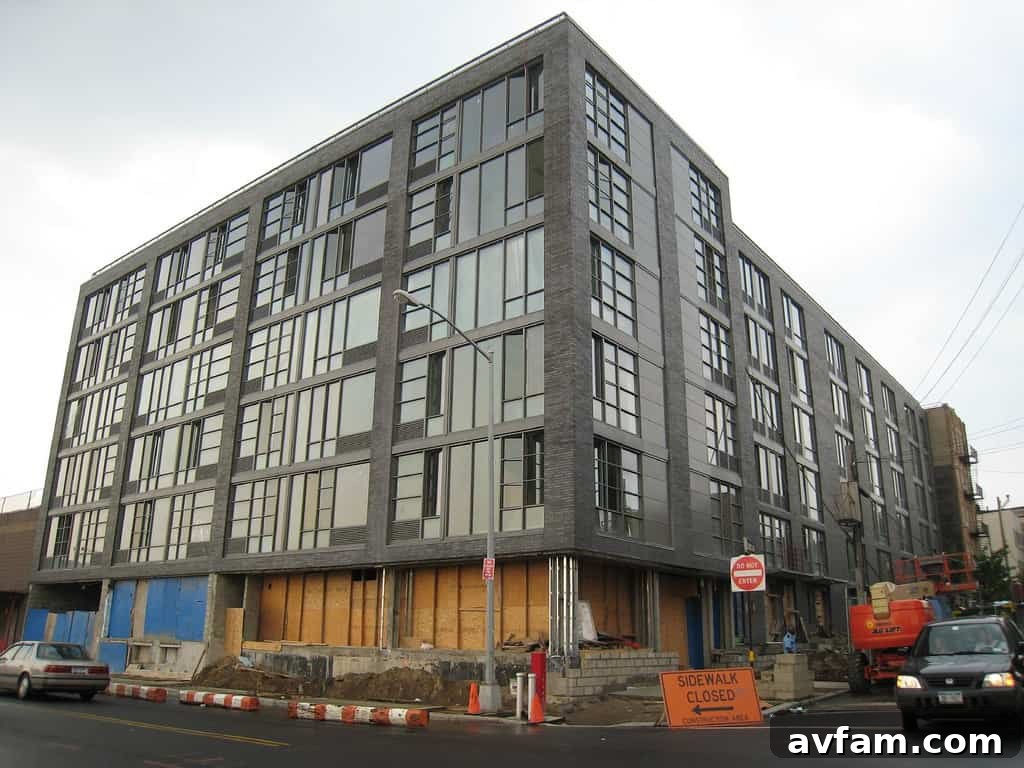
At its core, gentrification represents a transformative process where once-neglected or economically depressed urban communities undergo significant repair, reoccupation, and revitalization. This profound shift is far from spontaneous; it is the culmination of sustained effort by dedicated individuals, investors, and local governments. Such urban regeneration initiatives require substantial planning, resources, and commitment, often spanning several years before the positive effects of gentrification become visibly apparent and even longer for the revitalized neighborhood or district to be widely recognized as a thriving success story. This intricate journey of renewal brings forth a spectrum of advantages, paving the way for improved living standards and enhanced urban environments.
Let’s explore the key areas where gentrification demonstrably contributes to positive change and urban development:
Enhanced Safety and Reduced Crime Rates
One of the most immediate and impactful benefits attributed to gentrification is the significant improvement in neighborhood safety and a subsequent reduction in crime rates. Urban sociological theories, such as those pioneered by the renowned Chicago School, often delineate industrial cities into concentric zones. Typically, Zone 1 represents the bustling economic and financial core of a city, serving as its primary functional engine. Immediately encircling this central hub is Zone 2, historically characterized by housing for industrial workers. Over time, these areas often experience decline, becoming underutilized, vacant, and regrettably, hotspots for concentrated crime and poverty.
It is precisely these transitional Zone 2 areas where gentrification frequently takes root. When new residents and investors commit to revitalizing these long-neglected neighborhoods, they fundamentally alter the social fabric. This influx of new residents, often accompanied by increased police presence, community watch programs, and better-maintained public spaces, creates an environment less conducive to criminal activity. The “broken windows” theory, suggesting that visible signs of crime and disorder lead to further crime, is effectively reversed; by repairing and maintaining properties, residents signal a collective commitment to order and safety.
The transformation of these blighted urban segments not only makes individual neighborhoods safer for their inhabitants but also contributes to the overall security and well-being of the wider metropolitan area. A safer city becomes inherently more attractive, drawing in not only new residents seeking quality housing but also tourists and visitors eager to experience the cultural events, dining, and amenities that downtown areas and revitalized districts have to offer. This increased foot traffic and positive perception, in turn, fuels the local economy, fosters community pride, and plays a crucial role in stabilizing the city as a cohesive and prosperous entity.
Preservation of Architectural Heritage and Cultural Identity
Beyond modernizing urban spaces, gentrification often plays a pivotal role in the preservation and celebration of local history and architectural heritage. A common strategy in urban revitalization is to designate an area as a historical neighborhood or district by the local municipality. This official recognition isn’t merely symbolic; it provides a framework for implementing stringent regulations and protective measures designed to prevent future urban decay and safeguard the unique character of the area.
Such regulations typically encompass a wide range of aspects, from enforcing strict litter control and noise ordinances to maintaining general aesthetic standards for building facades and public spaces. They can even extend to specific architectural guidelines for renovations and new constructions, ensuring that development respects the historical context and original design principles of the area. These proactive measures empower residents to actively maintain the beauty and integrity of their reclaimed neighborhoods, fostering a sense of collective ownership and pride.
The focus on historical preservation leads to the meticulous restoration of beautiful, often century-old homes and commercial buildings. These structures, once dilapidated or at risk of demolition, are brought back to their original grandeur, frequently enhanced with modern amenities and sustainable modifications that blend seamlessly with their historical charm. This process not only saves tangible pieces of a city’s past but also helps to retain the distinct cultural identity and long-ago allure that makes smaller urban communities unique. By investing in and preserving these historical assets, gentrification ensures that a city’s narrative is not lost to time but rather celebrated and integrated into its contemporary vibrancy, creating a richer, more authentic environment for both residents and visitors.
Robust Commercial Re-Investment and Economic Growth
A cornerstone of successful urban revitalization through gentrification is the significant surge in commercial re-investment. Areas undergoing this transformation become magnetic for new businesses, encompassing both burgeoning local enterprises and established national brands that previously would have overlooked such districts. This commercial renaissance dramatically alters the economic landscape, replacing vacant storefronts and struggling businesses with a vibrant array of options.
The proliferation of new establishments is diverse and far-reaching, ranging from trendy eateries, artisanal cafes, and unique boutiques to contemporary art galleries, performance venues, and much-needed community centers. This influx provides both residents and visitors with an unprecedented variety of choices for dining, shopping, entertainment, and social engagement. Each new business opening directly contributes to the local economy by generating revenue, increasing the tax base, and critically, creating a wealth of new employment opportunities where jobs were scarce or non-existent before. From entry-level positions to specialized roles, these jobs provide economic stability and upward mobility for many within the community.
Furthermore, this renewed commercial vigor often fosters a powerful “localvore” mindset. Residents and patrons are increasingly inclined to consciously seek out and support locally sourced, produced, or curated items. This deliberate preference for neighborhood businesses and products, as opposed to the more anonymous offerings of large chain retailers, cultivates a deep sense of community pride and identity. It strengthens local supply chains, supports regional artisans and producers, and ensures that economic benefits circulate within the community itself. This symbiotic relationship between new businesses and a supportive local consumer base is instrumental in creating a resilient, self-sustaining economic ecosystem, making the revitalized area a dynamic hub for commerce and community interaction.
Nurturing Creativity and Cultural Enrichment
Another profound benefit of gentrification is its remarkable ability to attract and consolidate a vibrant creative class, injecting unparalleled cultural dynamism into urban spaces. These areas often become magnets for young professionals, artists, musicians, writers, educators, designers, and other creative thinkers who intrinsically value diversity, innovation, and community engagement. When such a diverse collective of imaginative individuals converges within a single neighborhood, the potential for extraordinary cultural output and collaborative synergy is immense.
This concentration of creative talent fosters an environment where new ideas flourish, artistic expressions abound, and cultural initiatives thrive. From pop-up galleries and independent theaters to street art installations and live music venues, these revitalized districts become fertile ground for artistic experimentation and public engagement. Providing safe, accessible, and affordable spaces for these cultural “goldmines” to operate is more critical than ever, especially in a contemporary landscape where art and music programs are frequently underfunded or cut from traditional educational institutions. The flourishing of these creative hubs is not just an aesthetic enhancement; it is essential for the holistic growth, intellectual stimulation, and cultural resilience of society at large.
Moreover, the presence of the creative class ensures that residential areas within gentrified zones remain anything but monotonous. Buildings are often adorned with unique murals, public spaces are transformed by innovative urban design, and individual homes reflect a myriad of personal styles and artistic sensibilities. This commitment to individuality and aesthetic originality means that these neighborhoods possess a distinctive quality that resists mass-production or homogenization. Instead, they evolve into living canvases, constantly reflecting the vibrant personalities and diverse cultural contributions of their inhabitants, making them inspiring places to live, work, and visit.
Appreciation in Property Values and Enhanced Public Services
An undeniable, and often debated, consequence of gentrification is the significant increase in property values and, subsequently, property taxes within the revitalized areas. This phenomenon is a direct result of the commercial re-investment, aesthetic improvements, increased safety, and enhanced desirability of the neighborhood. The beautification of residential properties, the influx of high-quality businesses, and the overall improvement in urban infrastructure naturally elevate the demand for living and operating within these transforming districts.
While the rising cost of living and increased property taxes can be a point of contention for some, the positive impact on public finances is substantial and far-reaching. When more taxes are collected from a gentrified area, it translates directly into a greater funding pool for essential social programs and public services across the broader metropolitan region. This additional revenue can be strategically allocated to improve local schools, upgrade public libraries, enhance parks and recreational facilities, expand healthcare access, and bolster other critical social services that benefit the entire community, not just the gentrified district.
Therefore, residents and businesses operating in these redeveloped areas, while paying a premium for their location, are inadvertently contributing to the collective well-being of the wider community. Their increased tax contributions effectively subsidize and strengthen the foundational services that underpin urban life. This means that an investment in a gentrified neighborhood often extends beyond personal benefit, becoming a catalyst for civic improvement and sustainable public funding that supports a higher quality of life for all citizens within the urban ecosystem. It represents a tangible way for economic growth in one area to fuel social progress throughout the city.
Promoting Sustainable Urban Living and Environmental Responsibility
Gentrification, particularly in its contemporary forms, often aligns with and actively promotes sustainable urban living practices and heightened environmental responsibility. A significant demographic drawn to or participating in the gentrification process, including new residents and developers, frequently embodies post-modern values that prioritize ecological consciousness in nearly every facet of daily life.
This manifests in a strong preference for “upcycling” and adaptive reuse of existing infrastructure rather than embarking on new construction. Instead of demolishing older buildings, the trend is to meticulously retrofit and renovate them, integrating cutting-edge green technologies. This can involve installing energy-efficient windows, advanced insulation, smart home systems, and renewable energy sources like solar panels on residential lofts or commercial spaces. By repurposing and upgrading existing properties, gentrified areas significantly reduce the environmental impact associated with new building materials, construction waste, and land development, thus preserving greenfield sites and minimizing urban sprawl.
Beyond building practices, these revitalized neighborhoods typically foster a culture of reduced carbon footprint through a strong emphasis on alternative modes of transportation. Excellent public transit networks, dedicated bicycle lanes, and highly walkable streets encourage residents to forgo private vehicles in favor of commuting by bus, train, bicycle, or on foot. This collective shift dramatically reduces air pollution, traffic congestion, and reliance on fossil fuels, contributing to cleaner air and a healthier urban environment.
Furthermore, the prevalence of local eateries, farmer’s markets, and community-supported agriculture initiatives within gentrified areas also plays a crucial role in promoting sustainability. By supporting local food systems, residents can significantly reduce the “food miles” associated with their diet, minimizing the carbon footprint incurred by long-distance transportation of goods. This holistic approach to environmental stewardship — from green buildings to eco-friendly commuting and local consumption — positions gentrification as a powerful catalyst for creating more sustainable, resilient, and environmentally conscious urban communities.
The points discussed above represent a compelling, though not exhaustive, array of arguments in favor of urban gentrification. From transforming blighted areas into safer, more vibrant communities to fostering economic prosperity, preserving historical charm, and championing sustainable living, the positive impacts are undeniable. Gentrification, when managed thoughtfully and inclusively, can act as a powerful engine for urban regeneration, leading to improved quality of life, enhanced public services, and a thriving cultural landscape for many.
However, it is crucial to acknowledge that this process is complex and often sparks debate. While this article has focused on the significant benefits, the phenomenon of gentrification also presents various challenges and criticisms, particularly concerning issues of displacement and affordability. In our forthcoming discussion, we will delve into these critical arguments against gentrification, providing a balanced perspective on this intricate urban trend. We encourage you to reflect on these benefits, consider your own experiences with urban transformation, and stay tuned for the next part of our series. Your insights and comments are always welcome as we navigate the complexities of urban development together.
Photo Credit: http://www.flickr.com/photos/conbon/660377675/