Beyond the Boardroom: Unpacking the Revolutionary Set Design of Mad Men
As the final curtain fell on its groundbreaking seventh season, Mad Men left an indelible mark not just on television history but also on the world of design. The show, a masterclass in period authenticity and character development, was undeniably propelled by its meticulously crafted environments. From the smoke-filled offices of Madison Avenue to the suburban havens of Ossining, every prop, every piece of furniture, and every color choice served to deepen the narrative, immersing viewers completely in the rapidly evolving 1960s. This commitment to visual storytelling transformed Mad Men into an unexpected yet powerful arbiter of mid-century modern style, influencing a generation of interior design enthusiasts and professionals alike.
Interior Design magazine, a leading voice in the industry, was granted unprecedented access behind the scenes, offering an exclusive glimpse into the creative genius that brought these iconic sets to life. Cindy Allen, the only magazine editor to receive such comprehensive access, toured key locations including Don Draper’s sophisticated Park Avenue apartment and the bustling Time & Life Building offices of Sterling Cooper. Her interviews with creator Matthew Weiner revealed the profound inspiration and painstaking detail behind the show’s award-winning aesthetic. These insights offered a rare opportunity to understand how Weiner and his brilliant production design team used spatial design to reflect the inner lives of their complex characters and the dynamic shifts of an era.
Matthew Weiner’s Vision: Design as Narrative
Matthew Weiner, the visionary creator of Mad Men, famously approached the show’s set design not merely as a backdrop but as an integral character itself. His directive to Production Designer Dan Bishop and Set Decorator Amy Wells was clear: every object, every room, had to contribute to the narrative, silently telling the story of the characters and the times. This philosophy ensured that the environments were not just historically accurate but emotionally resonant. Weiner understood that the way people lived and worked during the 1960s—the furniture they bought, the colors they chose, the art they displayed—was a powerful reflection of their aspirations, societal roles, and personal struggles. This meticulous attention to detail allowed the sets to evolve organically with the characters, mirroring their professional successes, personal failures, and the shifting cultural landscape of the decade.
The transition from the traditional, somewhat stuffy offices of Sterling Cooper to the sleek, modern environs of the Time & Life Building was a prime example of this narrative design. It wasn’t just a change of address; it symbolized the agency’s ambition, its embrace of a new corporate identity, and the broader societal shift towards modernism. Similarly, the successive apartments and homes inhabited by Don Draper, Betty Francis, and other key figures offered silent commentary on their changing circumstances and internal states. From the pristine, almost aspirational suburban home of the early seasons to Don’s later, more minimalist and sometimes lonely Manhattan pads, each space was a canvas for character development.
The Golden Age of Mid-Century Modern: Crafting the Mad Men Aesthetic
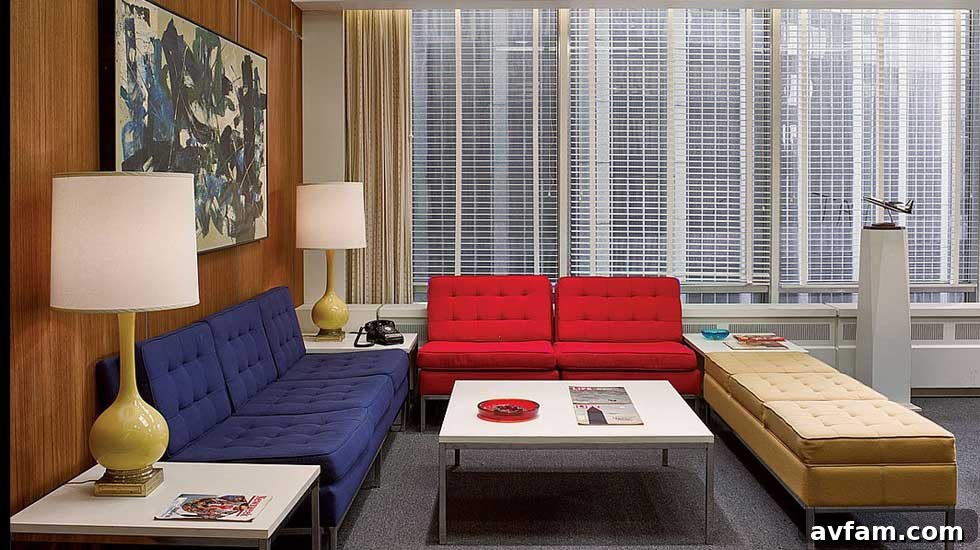
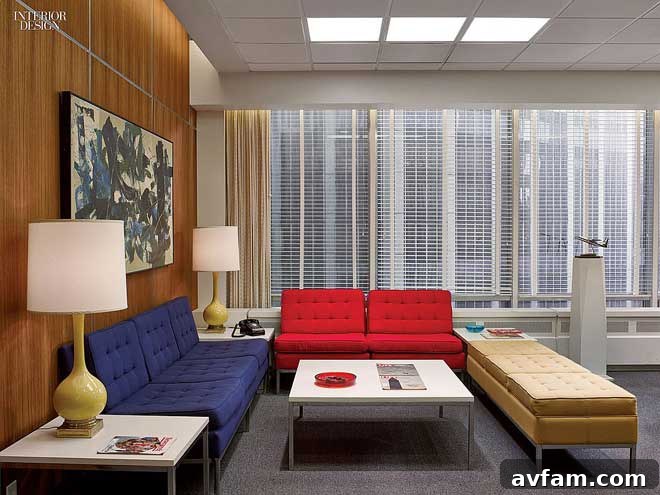
Mad Men became synonymous with mid-century modern design, showcasing the clean lines, organic shapes, and functional elegance that defined the post-war era. The show’s designers went to extraordinary lengths to source authentic furniture, lighting, and decor from the 1950s and 60s, turning each set into a veritable museum of the era’s best design. Iconic pieces by designers like Florence Knoll, Eames, Saarinen, and Herman Miller were not just present; they were strategically placed to inform the viewer about the characters’ tastes, status, and even their psychological profiles. For instance, the use of a custom Florence Knoll–style sofa in the account-executive lounge underscored the agency’s progressive image and aspiration for contemporary sophistication.
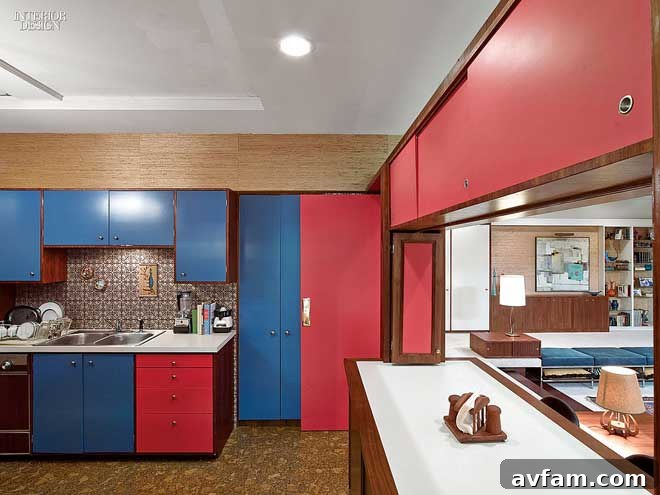
The color palettes were equally deliberate, evolving as the decade progressed. Early seasons featured more muted, conservative tones, reflecting the lingering sensibilities of the 1950s. As the 60s wore on, the colors became bolder, the patterns more daring, hinting at the psychedelic influences and cultural revolutions to come. From the vibrant oranges and avocado greens of a modern kitchen to the subdued, corporate blues and grays of an executive office, every hue was chosen to evoke a specific mood and time. This visual language was crucial in transporting audiences back in time, making the show’s world feel tangible and lived-in, not just a theatrical recreation.
Iconic Interiors: A Deep Dive into Mad Men’s Key Sets
Don Draper’s Residences: A Reflection of a Troubled Soul
Don Draper’s various homes were perhaps the most telling of all the sets. His first suburban home in Ossining, shared with Betty and their children, was a classic example of aspirational 1950s domesticity – clean, orderly, but with a palpable undercurrent of unspoken tension. It featured traditional, yet stylish, furniture that spoke to a desire for stability and conformity. Later, his sleek Park Avenue apartment, which Interior Design’s Cindy Allen had exclusive access to tour, represented a different facet of Don’s life: his professional success, his bachelorhood, and his attempts to embrace a more modern, unburdened existence. This apartment often showcased minimalist aesthetics, luxurious materials, and carefully chosen art, reflecting his sophisticated taste but also his emotional distance. The evolution of Don’s living spaces beautifully illustrated his journey, often appearing impeccable on the surface while hinting at the chaos within.
The Sterling Cooper Offices: Power, Prestige, and Progress
The offices of Sterling Cooper, and its subsequent iterations, were arguably the show’s most iconic and frequently seen sets. They were designed to convey the rigid hierarchies, the gender dynamics, and the competitive spirit of the Madison Avenue advertising world. The initial offices were a blend of old-school elegance and burgeoning modernism, featuring heavy wood desks, leather chairs, and a distinct separation of power. Don’s office, often characterized by its expansive windows overlooking the Manhattan skyline, was a sanctuary and a stage for his creative and often manipulative genius. The move to the Time & Life Building marked a significant aesthetic shift. The new offices were brighter, more open, and undeniably modern, with modular furniture, vibrant art, and a more streamlined layout. This change wasn’t just cosmetic; it visually represented the agency’s ambition to be at the forefront of the new advertising landscape, embracing the progressive designs of the era. The communal spaces, like the account-executive lounge with its custom Florence Knoll-style sofa, fostered a sense of collaborative modernity, even as individual offices maintained a sense of executive power.
Other Notable Spaces: Beyond the Main Characters
Beyond Don’s world and the agency, other sets like Roger Sterling’s opulent apartment or Peggy Olson’s evolving living spaces further enriched the narrative. Roger’s home, with its more traditional yet flamboyant decor, spoke to old money and a life of leisure, often contrasted with Don’s striving modernity. Peggy’s apartments, evolving from a shared room to her own stylish pad, mirrored her professional and personal growth, slowly shedding the trappings of her humble beginnings for a more independent and modern existence. Even the brief glimpses into restaurants, bars, and client offices were meticulously designed, each adding layers of authenticity and context to the Mad Men universe. The production designers and set decorators were truly masters of creating comprehensive, immersive environments.
The Craft Behind the Scenes: Sourcing and Recreating a Decade
The creation of Mad Men’s sets was an enormous undertaking, requiring immense research and a keen eye for detail. Production Designer Dan Bishop and Set Decorator Amy Wells, alongside their teams, scoured vintage shops, auctions, and specialized prop houses to find period-appropriate furniture, decor, and everyday objects. When authentic pieces were unavailable or impractical, they were meticulously recreated, ensuring that every detail, down to the ashtrays and office supplies, was historically accurate. This dedication went beyond mere aesthetics; it was about recreating the material culture of the 1960s, allowing the actors to inhabit a truly authentic environment and providing viewers with a profound sense of immersion.
The challenge was not just finding the right items but also understanding the nuances of how people lived and interacted with their spaces during that time. How were offices organized? What kind of artwork adorned suburban walls? What were the popular kitchen appliances? The answers to these questions were critical in crafting sets that felt genuinely lived-in and reflective of the characters’ socio-economic status and personal tastes. This level of dedication to environmental storytelling is what elevated Mad Men from a mere television show to a cultural phenomenon, prompting a resurgence of interest in mid-century design and influencing contemporary trends.
Mad Men’s Lasting Impact on Interior Design and Popular Culture
The influence of Mad Men extended far beyond the realm of television. The show sparked a massive revival of interest in mid-century modern design, leading to increased demand for vintage furniture and contemporary pieces inspired by the era. Retailers, designers, and homeowners alike began to embrace the clean lines, rich textures, and timeless elegance that Mad Men so perfectly showcased. The series taught audiences to appreciate the subtle power of design in shaping mood, character, and narrative, proving that interiors can be as compelling as the plot itself.
Moreover, Mad Men’s meticulous approach set a new standard for historical accuracy in television production. It demonstrated that thoughtful, character-driven set design could elevate a show from good to truly iconic. The conversations it ignited about workplace culture, gender roles, and societal change were mirrored by discussions about the evolving aesthetics of the 1960s, making the show a touchstone for cultural and design commentary. Its legacy endures, not only in the ongoing popularity of mid-century modern style but also in the continued appreciation for television that uses every element of its craft—including set design—to tell a deeper, more resonant story.
For the full, exclusive interview with Matthew Weiner and a deeper dive into the inspirations behind these unforgettable spaces, visit Interior Design. In the meantime, immerse yourself in this curated photo gallery, a visual testament to the unparalleled design of Mad Men.
- A custom Florence Knoll–style sofa and matching chair anchor the account-executive lounge at the agency. Photography by Eric Laignel.