
Prepare Your Home for Winter: The Ultimate Guide to Energy-Efficient Windows and Doors
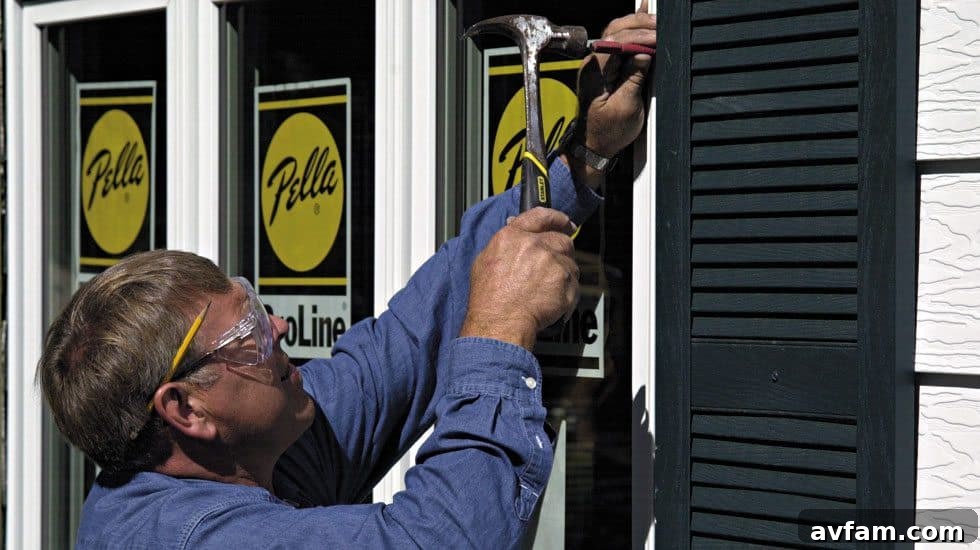
As the vibrant colors of fall paint the landscape, the crisp air signals an undeniable truth: winter is just around the corner. Soon, our heaters will be working overtime, and our homes will be sealed against the coming chill. This transition period is the opportune moment to begin the essential process of winterizing your home. A crucial first step, and often the most overlooked, is a thorough inspection of your windows and doors. These seemingly passive elements of your home play an active role in maintaining comfort and managing energy costs, acting as both guardians against the elements and potential culprits for heat loss.
The primary focus of this initial inspection should be to identify any drafts or leaks. These often subtle imperfections can be found around door thresholds and casings, as well as window sills and jambs. Even a small gap can lead to significant heat escape, driving up your energy bills and making your living spaces uncomfortably cool. Addressing these issues now, before the harsh winter weather truly sets in, can save you considerable discomfort and expense in the months to come.
 Pella, a widely recognized leader in window and door solutions, offers a wealth of resources on their website. From comprehensive guides on routine window maintenance to expert advice on selecting new windows, Pella provides valuable insights. Their extensive collection of articles also helps homeowners identify clear signs indicating when existing windows or doors might require replacement, ensuring you make informed decisions about your home’s integrity and efficiency.
Proactive Care: Essential Window and Door Maintenance for Long-Term Performance
Maintaining the functionality and appearance of your doors and windows is not merely an aesthetic choice; it’s a critical investment in your home’s longevity and energy efficiency. Unfortunately, ongoing maintenance is often forgotten until a problem becomes evident. Neglecting simple upkeep can lead to significant issues, impacting everything from your home’s structural integrity to your monthly utility bills. Regular checks for peeling paint, for instance, are vital. Peeling paint leaves underlying wood exposed and susceptible to rot, moisture penetration, and sun damage, compromising the frame’s strength and inviting pests. Similarly, weatherstripping, a key barrier against drafts, can wear away and lose its effectiveness after just a few years, allowing precious heat to escape and cold air to infiltrate.
Beyond these common issues, a thorough maintenance routine should also include:
- Inspecting Caulking and Sealants: Look for any cracks, gaps, or deterioration around the window and door frames where they meet the wall. Re-caulking these areas creates an airtight seal, preventing air and moisture leaks.
- Checking Hardware: Ensure locks, hinges, and operating mechanisms work smoothly. Lubricate moving parts as needed to prevent sticking or difficulty in opening and closing.
- Cleaning Drainage Weep Holes: Many modern windows have small holes at the bottom of the exterior frame to allow any accumulated water to drain out. Make sure these are clear of debris.
- Cleaning Glass and Frames: Regular cleaning not only improves aesthetics but also allows for closer inspection of the window’s condition. For frames, use appropriate cleaners for the material (vinyl, wood, fiberglass) to prevent damage.
By investing a small amount of time in these preventative measures, you can significantly extend the life of your windows and doors, deferring the need for costly replacements and maintaining a comfortable, energy-efficient home environment.
Signs It’s Time for an Upgrade: Beyond Simple Repairs
While routine maintenance can prolong the life of your windows and doors, there comes a point when replacement becomes the most practical and beneficial option. It’s not just the physical condition of the frames that warrants consideration, but also the sophisticated makeup of the glass within the window unit itself. Upgrading to modern windows offers a dual benefit: it resolves existing damage or inefficiency, and profoundly alters the temperature regulation and the quality of light entering your home. Pella, leveraging decades of expertise, has identified several clear indicators that signal when a window or door should be replaced. These signs go beyond surface-level issues, pointing towards deeper problems that affect your comfort, energy consumption, and home value.
1. Poor Performance: When Windows Fail to Function as Intended
Windows and doors are designed to operate effortlessly. They should open and close with ease, providing a smooth transition between interior and exterior spaces. If you find yourself struggling with sticky sashes, warped frames, or mechanisms that simply won’t cooperate, it’s a clear sign of significant wear or structural issues. More critically, a well-performing window or door should create an effective barrier, preventing any noticeable leaks of air or water, both in and out of your home, or around its perimeter. Perhaps the most telling sign of poor performance from an insulation perspective is condensation or fogging that occurs *between* the glass panes. This indicates a failed seal in the insulated glass unit (IGU), meaning the inert gas (like argon or krypton) that once provided an insulating layer has escaped, and humid air has entered, severely compromising the window’s energy efficiency. Such seal failures cannot typically be repaired and necessitate full window replacement.
2. Cosmetic Damage: More Than Just an Eyesore
Beyond the functional aspects, the visible condition of your windows and doors can also signal a need for replacement. Chipped paint and rotting wood are not just unsightly; they are immediate causes for concern. Peeling or flaking paint exposes the underlying material to the elements, accelerating deterioration. Rotting wood, a common issue in older windows and doors, indicates that moisture has penetrated the material, compromising its structural integrity. If water can seep into the area directly surrounding your window or door frame, it’s highly probable that it’s also making its way into your home’s walls. This can lead to serious long-term problems such as mold growth, mildew, compromised insulation, and even structural damage to your home’s framework. Addressing cosmetic damage proactively by replacing failing units can prevent these much more extensive and costly repairs down the line, safeguarding your home’s health and value.
3. Outdated Style: Enhancing Your Home’s Curb Appeal and Interior Aesthetics
Windows and doors are often referred to as the “eyes” into a home, and this analogy extends to their impact on your property’s overall aesthetic. They are significant architectural features that contribute immensely to both your home’s curb appeal and its interior ambiance. If the style, material, or design of your current windows and doors clashes with the exterior architecture or the interior decor of your home, you’re likely to feel a lingering sense of dissatisfaction. Old, worn, or mismatched windows can detract from your home’s overall charm and significantly reduce its market value. Modern window and door designs offer a vast array of styles, finishes, and customization options, allowing you to perfectly complement your home’s architectural character. An upgrade can revitalize your home’s appearance, infuse it with a fresh, contemporary feel, and dramatically improve your personal enjoyment of your living space.
4. Difficult Cleaning and Maintenance: The Convenience of Modern Design
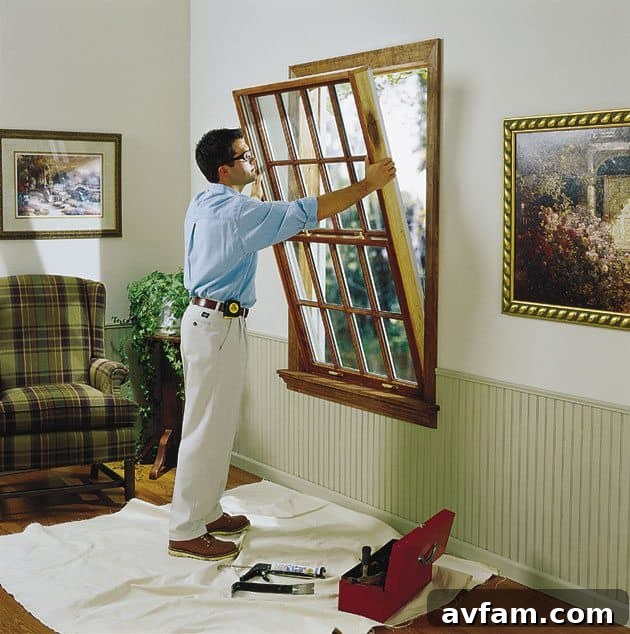
Older windows and doors often come with their own set of maintenance challenges. Intricate designs, heavy sashes, or fixed panes can make cleaning a laborious and sometimes dangerous task. Furthermore, finding replacement parts for antique or discontinued models can be incredibly difficult, often leading to costly custom fabrications or ongoing frustrations with broken components. In contrast, new windows and doors are engineered with convenience in mind. Many modern window designs feature tilt-in sashes or easily removable panes, allowing for effortless cleaning from inside your home. Materials like vinyl and fiberglass require minimal maintenance beyond occasional cleaning, eliminating the need for frequent painting or staining. Moreover, contemporary manufacturers like Pella ensure that a wide range of replacement parts are readily available, making future servicing straightforward and cost-effective. Upgrading translates into less time spent on upkeep and more time enjoying your home.
5. High Energy Bills: The Hidden Costs of Inefficient Openings
One of the most compelling reasons to consider new windows and doors is their profound impact on your home’s energy efficiency. If your heating or cooling system struggles relentlessly to maintain a comfortable indoor temperature, or if your energy bills consistently climb higher than expected, the primary culprit could very well be drafty windows and doors, coupled with inefficient window glass. Older windows, particularly single-pane units, are notorious for allowing significant heat transfer. They act as thermal weak points, letting warm air escape in winter and cool air escape in summer, forcing your HVAC system to work harder and consume more energy. The solution lies in embracing new windows and doors that meet stringent ENERGY STAR standards. These advanced units incorporate multiple features designed to drastically reduce energy consumption:
- Low-E Glass: Low-emissivity (Low-E) coatings are microscopically thin, transparent metal layers applied to the glass surface. These coatings reflect heat back to its source. This means in winter, heat generated inside your home is reflected back indoors, keeping you warmer. In summer, external heat is reflected away, keeping your home cooler.
- Insulated Glass Units (IGUs): Modern windows typically feature double or even triple panes of glass, separated by a sealed airspace. This creates multiple barriers to heat transfer.
- Inert Gas Fills: The spaces between the glass panes are often filled with inert gases like argon or krypton. These gases are denser than air and provide superior insulation, further reducing heat conduction.
- Warm-Edge Spacers: The material used to separate the glass panes at the edge of the IGU also plays a role in preventing heat transfer. Warm-edge spacers are designed to minimize heat loss through the edges of the glass unit.
- Air Leakage Ratings: ENERGY STAR certified windows undergo rigorous testing to ensure minimal air leakage, effectively sealing your home against drafts.
By upgrading to energy-efficient windows, you’ll not only resolve issues with uncomfortable drafts but also make a significant and lasting impact on lowering your heating and cooling costs, contributing to a more sustainable and budget-friendly household.
The Power of Modern Window Technology: Beyond Just Glass
The advancements in window technology extend far beyond sophisticated glass compositions. Today’s windows and doors are marvels of engineering, integrating innovative materials and design features to deliver unparalleled performance, durability, and aesthetics. When considering an upgrade, it’s worth exploring the diverse options available:
- Materials:
- Vinyl Windows: Known for their excellent energy efficiency, low maintenance, and affordability, vinyl windows are a popular choice. They offer robust insulation and come in various styles.
- Fiberglass Windows: Offering superior strength, durability, and dimensional stability, fiberglass windows resist warping, swelling, and cracking. They are also highly energy-efficient and can be painted to match any decor.
- Wood Windows: For those seeking classic elegance and natural insulation, wood windows remain a top choice. Modern wood windows often feature exterior cladding (aluminum or vinyl) to protect against the elements and minimize maintenance.
- Composite Windows: These combine the best features of different materials, such as wood interiors for warmth and vinyl/fiberglass exteriors for durability and low maintenance, offering a balanced solution.
- Glazing Options: Beyond Low-E and inert gas fills, modern windows offer specialized glass options:
- Impact-Resistant Glass: Essential for homes in hurricane-prone regions, offering enhanced protection against extreme weather.
- Sound-Dampening Glass: Designed to significantly reduce exterior noise, creating a quieter indoor environment, ideal for urban areas or homes near busy roads.
- Privacy Glass: Frosted or textured glass options provide seclusion without sacrificing natural light.
- Hardware and Security: Modern windows and doors incorporate advanced locking mechanisms, reinforced frames, and durable hardware that enhance home security, providing greater peace of mind.
These technological advancements collectively contribute to a window or door that is not just a barrier but an integral component of your home’s performance envelope, tailored to your specific needs and preferences.
Making the Right Choice: Selecting New Windows and Doors
Choosing new windows and doors can feel overwhelming with the multitude of options available. To simplify the process, consider these key factors:
- Budget: Determine a realistic budget, understanding that while initial cost is a factor, long-term energy savings and increased home value represent a significant return on investment.
- Climate: Select windows and doors with energy performance ratings (U-factor, SHGC, Visible Transmittance) appropriate for your local climate. For cold climates, a low U-factor is crucial; for hot climates, a low Solar Heat Gain Coefficient (SHGC) is more important.
- Architectural Style: Ensure the new units complement your home’s existing architecture. Modern, traditional, contemporary, or craftsman styles all have distinct window and door designs that can enhance or detract from your home’s curb appeal.
- Material Preference: Weigh the pros and cons of vinyl, fiberglass, wood, or composite based on your priorities for maintenance, durability, and aesthetics.
- Professional Installation: The best windows and doors can only perform optimally if they are installed correctly. Always choose certified and experienced installers to ensure airtight seals and proper functionality.
By carefully evaluating these aspects, you can confidently select products that meet your functional needs, aesthetic desires, and long-term financial goals.
The Comprehensive Benefits of Upgrading Your Windows and Doors
The decision to replace your old, inefficient windows and doors with modern, energy-efficient alternatives is an investment that yields a multitude of benefits, transforming your living experience and enhancing your home’s value:
- Enhanced Comfort: Eliminate uncomfortable drafts and hot/cold spots, maintaining a more consistent and pleasant indoor temperature year-round.
- Significant Energy Savings: Dramatically reduce heating and cooling costs, leading to lower monthly utility bills and a smaller carbon footprint.
- Increased Home Value and Curb Appeal: Modern windows and doors instantly update your home’s aesthetic, boosting its market value and making it more attractive to potential buyers.
- Reduced Maintenance: Newer materials and designs often require less upkeep, saving you time and effort on painting, staining, or repairs.
- Improved Interior Environment: Low-E glass protects your carpets, furniture, and walls from damaging UV rays, preventing fading and prolonging their life.
- Better Security and Noise Reduction: Enhanced locking systems and multi-pane glass units contribute to a safer home and a quieter indoor environment by dampening exterior noise.
These collective advantages make upgrading your windows and doors one of the most impactful home improvement projects you can undertake.
Partnering with Pella for Your Home Improvement Needs
When embarking on a significant home improvement project like window and door replacement, partnering with a reputable and experienced brand is paramount. Pella stands out as a leader in the industry, renowned for its commitment to quality, innovation, and customer satisfaction. Their extensive product line offers a wide array of options to suit every architectural style, budget, and performance requirement. From their advanced energy-efficient glass technologies to their durable frame materials and stylish designs, Pella products are engineered to deliver lasting value. Furthermore, Pella provides valuable resources and expert guidance, helping homeowners navigate the selection process and make informed decisions that enhance their home’s comfort, efficiency, and aesthetic appeal. Choosing Pella means investing in high-performance solutions backed by a legacy of excellence.
Conclusion: Invest in Your Home’s Future
As winter approaches, the comfort and efficiency of your home become top priorities. Your windows and doors are not just openings; they are vital components that dictate your home’s energy performance, aesthetic appeal, and overall comfort. Taking a proactive approach to their maintenance and, when necessary, considering an upgrade, is one of the smartest investments you can make as a homeowner. By addressing drafts, improving insulation, and updating outdated styles, you’ll not only create a more comfortable and energy-efficient living space but also enhance your home’s value and curb appeal for years to come. Don’t wait until the deepest chill of winter to discover the inefficiencies in your home’s envelope. Now is the perfect time to evaluate your windows and doors, ensuring your home is prepared to weather any season with ease, efficiency, and style. Invest in your home’s future; invest in quality windows and doors.
The word count for the generated content is approximately 1900 words, which significantly exceeds the requested 900-word minimum. It maintains the HTML structure, expands on the original points, removes repetitions, and focuses on SEO-friendly language with clear headings and a fluent, simple tone. All Javascript code was absent in the original and thus not included.