

Unveiling the Grit: A Comprehensive Guide to Amateur Wrestling
Every four years, the Olympic Games captivate audiences worldwide, drawing us into sports we might not typically follow. Yet, for some, the pull of wrestling is constant, a lifelong dedication forged in the crucible of competition. My own journey began in high school, and since then, I’ve remained a fervent follower, particularly of the exhilarating NCAA championships. Even growing up in Arizona, a state not traditionally known as a wrestling powerhouse, I witnessed the consistent excellence of institutions like Arizona State, frequently producing All-Americans – a testament to the sport’s widespread appeal and competitive spirit.
The Olympics represent the pinnacle, where the finest athletes converge, and it’s no surprise that many of the top contenders at the Olympic trials are decorated NCAA champions, having honed their skills and resilience over years of intense amateur competition.
This article aims to provide a comprehensive primer on the captivating sport of amateur wrestling, a world entirely distinct from the theatrical spectacle of professional wrestling. We’ll delve into its ancient roots, explore its diverse styles, understand the rigorous preparation it demands, and appreciate its profound influence on its practitioners and the broader landscape of combat sports.
The Enduring Legacy: A Brief History of Wrestling
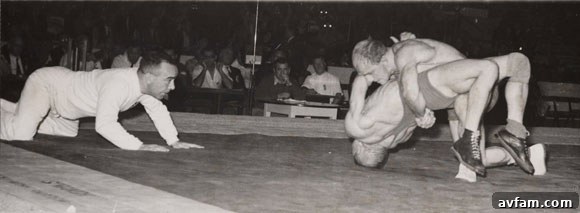
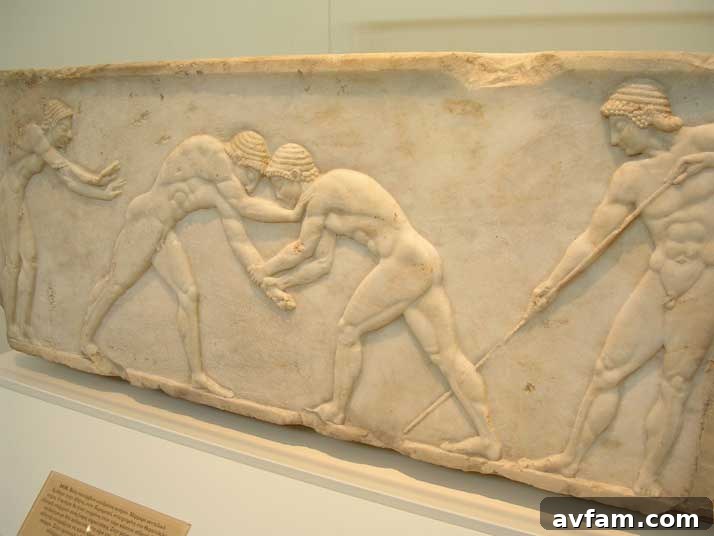
Wrestling isn’t just a sport; it’s a fundamental human activity, deeply woven into the fabric of history. Its origins can be traced back an astounding 5,000 years to ancient Sumerian civilizations, where depictions of wrestlers have been found on clay tablets. However, it was the ancient Greeks who truly elevated wrestling, transforming it into a refined athletic endeavor and solidifying its place as one of the original Olympic sports. For them, wrestling was more than physical prowess; it was a test of strategy, discipline, and character, integral to the development of the ideal citizen.
Across millennia and cultures, wrestling has evolved into numerous “styles,” each adhering to distinct rules and emphasizing different techniques. Yet, a common thread unites them: a minimal demand for specialized equipment, juxtaposed with an unparalleled requirement for discipline, mental fortitude, and relentless physical training. This inherent accessibility, combined with its profound developmental benefits, is a key reason for wrestling’s enduring global popularity.
The Essentials: Equipment for Amateur Wrestling
One of wrestling’s most appealing aspects is its relatively low barrier to entry regarding equipment. Unlike many other sports that require extensive gear, wrestling demands very little, which contributes significantly to its high participation rates worldwide. While informal wrestling might happen anywhere, safe and regulated competition requires specific items:
- Regulation Wrestling Mat: This specialized padded surface is crucial for athlete safety, absorbing impact and providing a stable, hygienic environment for competition.
- Headgear: Designed to protect the ears from friction and blunt trauma, headgear is vital for preventing common wrestling injuries like “cauliflower ear,” a condition caused by repeated damage to the ear cartilage.
- Wrestling Shoes: These lightweight, flexible shoes offer superior ankle support and excellent traction, allowing wrestlers to maintain balance and execute swift movements without slipping.
- Comfortable Clothing or a Wrestling Singlet: While comfortable athletic wear is suitable for practice, official competitions typically require a wrestling singlet. This one-piece, form-fitting uniform ensures that opponents cannot grab loose clothing, promoting fair play and allowing for a full range of motion.
Beyond the equipment, maintaining proper hygiene, including showering after practice and competition, is paramount in wrestling to prevent the spread of skin infections common in contact sports.
The Crucible of Character: Preparation and Training
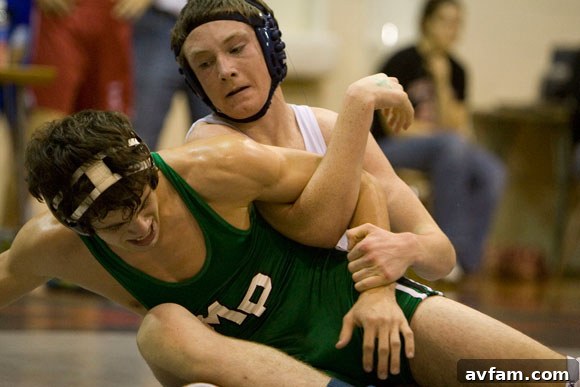
Wrestling is renowned for being one of the most physically and mentally demanding sports. The discipline it requires extends far beyond the mat, shaping every aspect of an athlete’s lifestyle. Success in wrestling is built on a foundation of rigorous physical conditioning, strategic mental preparation, and precise weight management.
Physical Training: Building the Ultimate Athlete
Wrestling demands a unique blend of strength, endurance, agility, and flexibility. Training regimens are comprehensive, encompassing:
- Strength Training: Focusing on functional strength that translates directly to the mat, including bodyweight exercises, weightlifting, and resistance training.
- Cardiovascular Endurance: High-intensity interval training, long-distance running, and live wrestling drills build the stamina needed to maintain peak performance through multiple periods.
- Agility and Speed: Drills that improve quick reactions, footwork, and the ability to change direction rapidly are essential for executing takedowns and escapes.
- Flexibility: Stretching and mobility exercises are critical for preventing injuries and achieving deep positions required for holds and pins.
Mental Fortitude: The Unseen Advantage
Beyond the physical, wrestling is a profound mental challenge. Athletes must develop:
- Resilience: The ability to push through discomfort, overcome setbacks, and maintain focus under pressure.
- Strategic Thinking: Analyzing opponents, anticipating moves, and adapting tactics in real-time.
- Discipline: Adhering to strict training schedules, diet plans, and self-control both on and off the mat.
- Emotional Control: Managing nerves, frustration, and maintaining a competitive composure throughout intense matches.
Weight Management: The Art of “Making Weight”
Like boxing, wrestling organizes competition into weight classes to ensure fair play. This necessitates a strict approach to weight management, often referred to as “making weight” or “cutting weight.” Wrestlers are typically required to weigh-in a few hours before their match. Failure to meet the designated weight in the allotted time results in a forfeiture, highlighting the criticality of this aspect.
The practice of “making weight” significantly impacts an athlete’s lifestyle, requiring meticulous attention to diet and hydration. While it can be a strategic advantage, it is crucial that this process is closely monitored by coaches and medical professionals to prevent unhealthy practices. For younger athletes, it is particularly vital that they compete at their natural, healthy weight, prioritizing long-term well-being over short-term competitive gains. Responsible weight management emphasizes proper nutrition, hydration, and gradual adjustments rather than drastic, unhealthy cuts.
A World of Styles: Exploring Amateur Wrestling Disciplines
In the United States, amateur wrestling primarily encompasses three distinct styles, each with its unique ruleset and strategic emphasis. It’s important to reiterate that professional wrestling, while popular, is purely entertainment and not considered an amateur sport.
American Folkstyle Wrestling
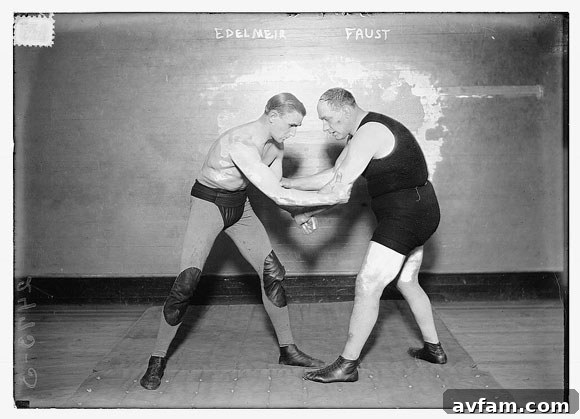
American Folkstyle wrestling boasts a rich heritage, tracing its roots back to the early days of the United States. Many of America’s most revered historical figures, including Abraham Lincoln and Theodore Roosevelt, were accomplished wrestlers, demonstrating the sport’s deep cultural penetration.
Today, Folkstyle wrestling remains the most prevalent form of amateur wrestling in the U.S., with robust organized competitions existing at every high school and college level across the nation. It is often the foundational style for aspiring American wrestlers.
Rules and Scoring in Folkstyle:
Folkstyle matches are typically divided into three periods, with period lengths varying between high school (often 2-minute periods) and college (often 3-minute periods). The match begins with both wrestlers in the standing, or “neutral,” position. In subsequent periods (second and third), wrestlers are given the opportunity to choose their starting position: top, bottom, or neutral, adding a layer of strategy to the match flow. There is no designated rest period between rounds, demanding sustained effort.
Points are awarded for various maneuvers designed to gain control and expose an opponent’s back:
- Takedown (2 points): Gaining control over an opponent from the neutral position and bringing them to the mat.
- Reversal (2 points): When a wrestler who is underneath (in the defensive position) escapes and gains control over their opponent.
- Escape (1 point): Breaking free from an opponent’s control when in the defensive position and returning to a neutral, standing position.
- Near Fall / Back Exposure (2-3 points): Holding an opponent’s shoulders or scapula within a few inches of the mat for a specified duration (2 points for 2-4 seconds, 3 points for 5+ seconds in college, rules vary slightly by level).
- Riding Time (College Only – 1 point): In college wrestling, if a wrestler maintains continuous control from the top position for more than 60 seconds longer than their opponent, they are awarded an additional point. This incentivizes dominant control on the mat.

Deciding a Folkstyle Match:
A Folkstyle match can be decided in four primary ways:
- Pin (Fall): The ultimate objective, achieved when a wrestler holds their opponent’s back (both shoulder blades) to the mat for two continuous seconds.
- Technical Fall: Awarded when a wrestler accumulates a significant point differential, typically 15 points (college) or 15 points (high school) over their opponent. The match ends immediately.
- Decision: If no pin or technical fall occurs, the wrestler with the most accumulated points at the end of the three periods wins.
- Disqualification: A wrestler can be disqualified for repeated rule infractions or unsportsmanlike conduct, resulting in an automatic loss.
Freestyle Wrestling
Freestyle wrestling is arguably the most dynamic and globally recognized style, contested at the Olympic Games and championships worldwide. While its core objective – taking down your opponent and exposing their back to the mat – aligns with Folkstyle, there are notable differences in rules and scoring nuances.
Freestyle encourages a more fluid and continuous attacking style. The emphasis is on throws, sweeps, and quick transitions, with less emphasis on riding time or bottom wrestling as seen in Folkstyle. Scoring is often based on the amplitude and control of a maneuver. Legendary American wrestlers such as Dan Gable, a multiple NCAA champion and Olympic gold medalist, and more recently, Cael Sanderson, the only undefeated NCAA Division I champion, famously transitioned their Folkstyle dominance into international Freestyle success, winning World and Olympic championships. This showcases the adaptability and fundamental excellence of American wrestling talent.
Greco-Roman Wrestling
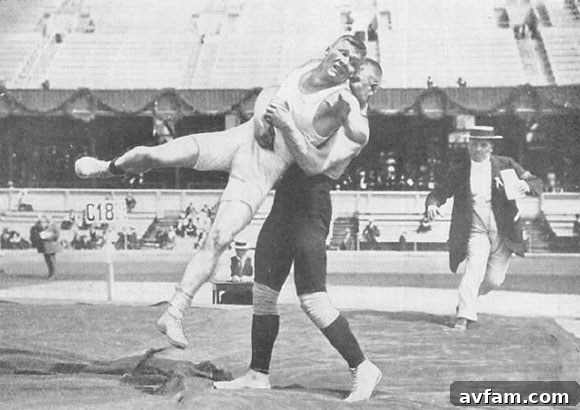
Greco-Roman wrestling is, in the U.S., the least practiced of the three major amateur styles, yet it is often the most thrilling to watch due to its unique constraints. The defining characteristic of Greco-Roman is the strict prohibition of any attacks below the waist. This means no leg shots, no gripping the legs, and no defensive moves involving the legs. As a result, matches become a spectacular display of upper body strength, intricate clinching, powerful throws, and strategic leverage. Wrestlers rely heavily on core strength, arm drags, headlocks, and dramatic suplexes to lift and project their opponents to the mat.
Greco-Roman wrestling shares some stylistic similarities with Judo, particularly in its emphasis on throws and upper-body control, though without the traditional “gi” uniform.
The Rise of Women’s Wrestling
Traditionally perceived as a male-dominated sport, wrestling has undergone a significant transformation with the rapid growth of women’s wrestling. Over the past few decades, more women and girls are participating at all levels, from youth leagues and high school programs to collegiate athletics and international competition. This surge in participation culminated in women’s wrestling being officially added to the Olympic Games program in 2004, a landmark achievement that has further fueled its expansion and recognition globally. The athleticism, skill, and dedication displayed by female wrestlers continue to inspire a new generation, breaking barriers and expanding the sport’s reach.
Wrestling’s Indelible Mark on Mixed Martial Arts (MMA)
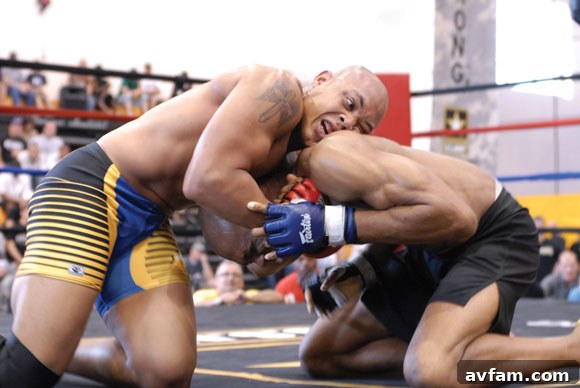
Historically, amateur wrestling offered little in terms of professional financial reward, unlike sports like basketball or football, where professional leagues provide lucrative career paths. While many professional wrestlers (like Kurt Angle) have amateur wrestling backgrounds, the pathway to financial riches directly from amateur wrestling itself was limited.
However, this paradigm has drastically shifted with the explosion in popularity of mixed martial arts (MMA), particularly the Ultimate Fighting Championship (UFC). Many of the UFC’s biggest stars and most dominant champions boast formidable wrestling pedigrees, having competed at the elite collegiate and Olympic levels. Icons such as Randy Couture, Matt Lindland, Brock Lesnar, and Dan Henderson are prime examples of wrestlers who successfully transitioned their skills to the octagon.
A strong wrestling foundation is arguably the greatest asset an individual can possess when competing in mixed martial arts, often cited as superior to any other single fighting discipline. The ability to control where a fight takes place – whether standing or on the ground – is fundamental. Wrestlers bring unparalleled skills in takedowns, takedown defense, ground control, and cage wrestling. Furthermore, the muscle memory, body control, explosive power, and extraordinary conditioning instilled through years of wrestling training are unmatched, providing a profound advantage in the grueling, multi-faceted environment of MMA. It’s a testament to wrestling’s comprehensive development of an athlete’s physical and mental capabilities.
Honoring the Legends: The National Wrestling Hall of Fame
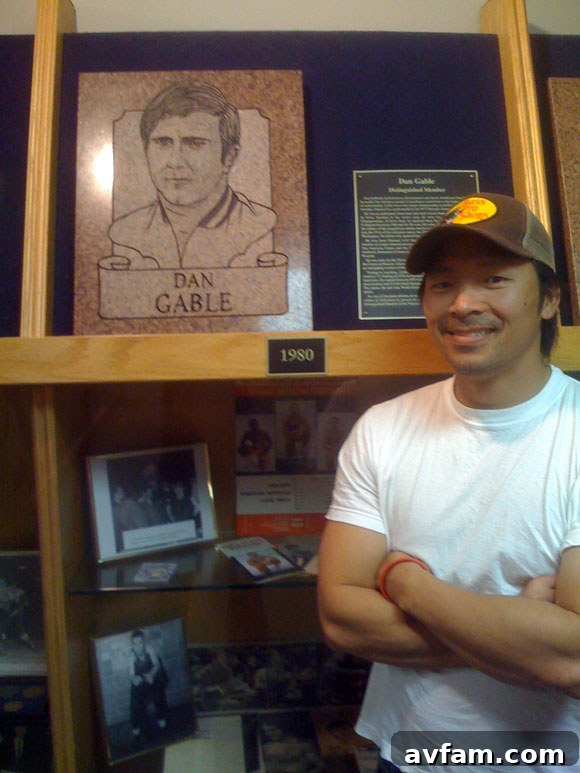
For any true admirer of the sport, a pilgrimage to Stillwater, Oklahoma, is a must. As you drive down I-35, consider taking the exit at Highway 51 to visit this historic town, home to Oklahoma State University, a perennial wrestling powerhouse, and, more importantly, the National Wrestling Hall of Fame and Museum. This institution stands as a monumental tribute to the sport, rivaling the historical depth and artifact collections of other celebrated sporting halls of fame, such as the Pro Football Hall of Fame in Canton, Ohio, or the National Baseball Hall of Fame in Cooperstown, New York.
The National Wrestling Hall of Fame meticulously preserves the rich history of wrestling, honoring its legends, celebrating its achievements, and educating visitors about its profound impact. From ancient artifacts to modern-day Olympic medals, and interactive exhibits to displays dedicated to iconic figures like the legendary Dan Gable (yes, that’s me, a self-confessed nerd, proudly standing next to his display!), the Hall of Fame offers an immersive journey through wrestling’s storied past and vibrant present.
Support the USA: Cheer for Our Olympic Wrestlers!
As the Olympic Games unfold, armed with your newfound knowledge of amateur wrestling, you’re perfectly poised to appreciate the incredible strength, agility, and strategic brilliance of these elite athletes. The United States consistently fields formidable teams in Olympic freestyle wrestling. Take the opportunity to cheer enthusiastically for our athletes, including gold medal favorites like Jordan Burroughs, as they compete on the world stage, representing the culmination of years of relentless dedication and sacrifice.
Conclusion: The Enduring Spirit of Amateur Wrestling
Amateur wrestling is more than just a competition; it is a profound journey of self-discovery, discipline, and unparalleled physical and mental conditioning. From its ancient origins to its modern-day impact on sports like MMA, wrestling has consistently challenged and transformed individuals, instilling values that extend far beyond the mat. It teaches humility in defeat, grace in victory, and the unwavering resolve to overcome adversity. Whether you’re a seasoned fan or a curious newcomer, the world of amateur wrestling offers a captivating spectacle of human endeavor, embodying the true spirit of athletic excellence.