

Mastering the Business of Design: A Guide to Client Relations and Profitability
The world of interior design has witnessed an incredible boom in recent years, largely fueled by the pervasive influence of lifestyle television and digital platforms. Shows like HGTV’s “Design Star” have captivated audiences, showcasing the transformative power of design and inspiring countless aspiring professionals. Yet, while the creative aspects of interior design are celebrated, the journey from passionate designer to a financially successful and recognized brand, like Nate Berkus, remains a significant challenge for many. Many talented designers struggle to bridge the crucial gap between pursuing their creative passion and ensuring they are compensated fairly for their invaluable skills and hard work.
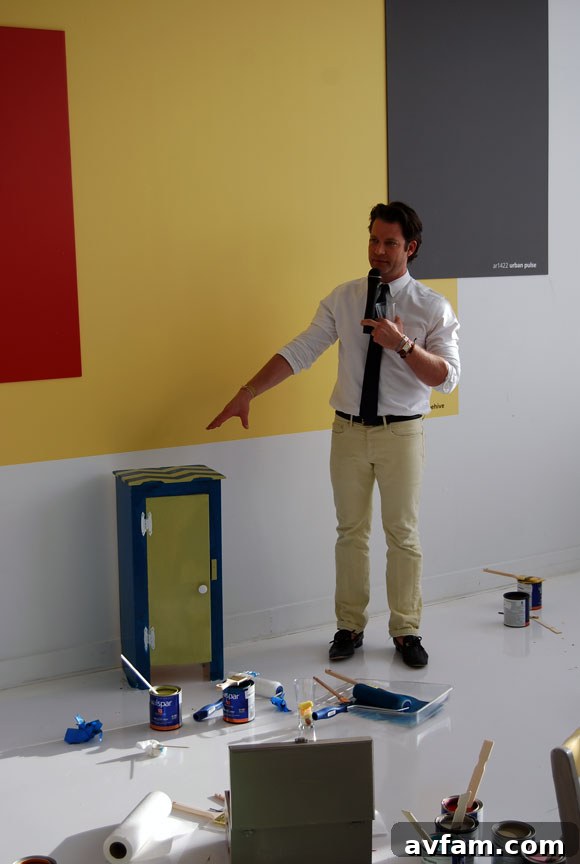
Understanding the subtle yet critical nuances of running a thriving design business is paramount. It’s about more than just aesthetics; it’s about strategic client engagement, clear communication, and robust business practices. Last year, during a panel discussion at the esteemed Rose Tarlow House, I had the privilege of connecting with numerous influential figures in the design industry. Among them was Zak Graff, who recently shared an indispensable resource: Keith Granet’s insightful book, The Business of Design: Balancing Creativity and Profitability. This publication offers a beacon for designers seeking to navigate the often-complex intersection of artistic vision and financial viability.
Keith Granet is not merely an author; he is a seasoned veteran, having served as a trusted advisor and broker to some of the most prominent stars in the design world for decades. His profound understanding of the industry’s intricate dynamics, particularly concerning the delicate art of working with creative professionals, makes his guidance invaluable. Granet’s expertise extends to every facet of design business management, from fostering strong client relationships to structuring lucrative contracts.
Indeed, Mr. Granet’s insights, alongside those of other industry leaders, have been prominently featured in a comprehensive guide from ELLE DECOR. This essential resource is designed to empower designers with the knowledge of how and when to effectively discuss rates with clients, navigate contractual agreements, and address other vital business considerations. It serves as a compass for establishing a professional framework that supports both creative freedom and financial stability.
Beyond its utility for designers, this guide also offers significant value for clients. By understanding the best practices of professional engagement, clients can ensure they receive exceptional value, unparalleled service, and a transparent, collaborative experience for their investment. It promotes an environment of mutual respect and clarity, leading to more successful and satisfying design projects for all parties involved.
Navigating Client Relations: Key Strategies for Interior Designers
Effective client communication and strategic financial discussions are the cornerstones of a successful interior design practice. The following principles, drawn from the wisdom of industry leaders, provide a roadmap for designers to cultivate profitable relationships while maintaining their creative integrity.
1. Never Talk Money at the First Meeting
The initial consultation is a critical opportunity to build rapport and lay the foundation for a trusting relationship. When a designer enters a client’s private sanctuary—their home—the client naturally feels a degree of vulnerability. Introducing financial discussions at this nascent stage can disrupt this delicate dynamic. Keith Granet wisely advises, “You need to meet the clients and get to know them. The first meeting is to inspire them, connect with them on a personal level, and see if your aesthetics match.” This crucial first interaction should focus on understanding the client’s dreams, lifestyle, and aspirations for their space. It’s about vision casting and demonstrating your ability to translate their desires into a tangible, beautiful reality. Prematurely discussing fees can make the client feel like just another transaction, undermining the potential for a genuine, collaborative partnership and potentially alienating them before the creative process even begins.
2. Focus on the Right Fit
Beyond financial considerations, the synergy between a designer and client is paramount. San Francisco-based interior designer Suzanne Tucker emphasizes the importance of evaluating compatibility. She asserts, “If you have to convince a client you are worth it, then you should reassess if this is the right client for you.” A successful design project hinges on mutual respect, shared vision, and a clear understanding of the value you bring. Clients should not be merely “shopping around for the best contract” but rather “shopping for the best designer” whose aesthetic, process, and personality align with their needs. Investing time in a client who doesn’t inherently value your expertise or whose expectations are fundamentally misaligned can lead to a frustrating and unprofitable experience for both parties. Identifying the right fit ensures a smoother process, greater creative freedom, and ultimately, a more satisfying outcome.
3. Speak Broadly, If You Must
While the first meeting is not for detailed financial discussions, clients may sometimes inquire about costs. Lisa Adams, a D.C.-based interior designer and former president of the Washington metro area’s American Society of Interior Designers, dedicates the initial meeting to understanding the project’s scope: what the client envisions, their preferred style, and functional requirements. If a client presses for cost information, Adams suggests providing an overarching idea rather than specific figures. This might involve discussing typical project ranges or the investment required for certain types of spaces, always steering the conversation back to the project’s unique vision and potential. She notes, “If you’re able to help her rethink the space in a way that she hadn’t considered before, then chances are the client will hire you.” By focusing on value creation and innovative solutions, you demonstrate your expertise and inspire confidence, making the ultimate fee a reflection of the transformative experience you offer.
4. Don’t Ask for a Client’s Budget Directly
Clients often approach the design process with varying degrees of understanding, and their comfort levels with financial transparency can differ greatly. Many clients harbor a specific number in mind but are hesitant to disclose it for fear of being exploited. Adams explains, “Clients often have a number in mind, but they don’t want to tell you because they’re afraid you’re going to take advantage of them.” Directly asking for a budget can put a client on the defensive and create an atmosphere of mistrust. Instead, designers can subtly gauge project scale by discussing desired outcomes, preferred materials, and the overall level of finish. This approach allows the designer to understand the client’s expectations without creating an uncomfortable financial interrogation, fostering an environment where trust can grow.
5. Break the Ice: Discuss Rates Early in the Second Meeting
Once a client expresses interest in a second meeting, it’s a clear signal that they are serious about proceeding. At this juncture, it is imperative to be prepared to discuss rates and contractual terms. Granet recommends addressing these specifics promptly. He recalls a designer who effectively breaks the ice by saying: “Let’s get the contract and billing stuff out from in front of us, and then we can have fun.” This direct, yet reassuring, approach allows both parties to swiftly address the practicalities of the business relationship. By clearly outlining the financial framework and contractual obligations, designers can then shift the focus back to the exciting, enjoyable aspects of the design process, emphasizing the collaborative relationship and the creative journey ahead. This ensures transparency and prevents potential misunderstandings from lingering.
6. Do It Face-to-Face: The Power of In-Person Fee Discussions
In our increasingly digital world, the temptation to convey fees via email or a written proposal might be strong. However, Granet firmly believes that the initial conversation about financial terms is best held in person. He emphasizes, “You can judge the reaction someone is having to a number when you put it out there face to face.” In-person discussions allow designers to observe a client’s body language, listen to their tone, and respond immediately to any concerns or questions. This direct interaction fosters a deeper level of trust and allows for a more nuanced explanation of value. It’s an opportunity to reiterate your expertise and clarify any potential misinterpretations in real-time, building a stronger foundation for the working relationship.
7. Don’t Apologize for Your Fee, Explain Your Value
It’s not uncommon for clients to express surprise or even shock at an interior designer’s fee. This reaction often stems from a lack of understanding regarding the depth, complexity, and sheer amount of work involved in professional interior design. Granet advises designers to embrace the responsibility of educating their clients about the value they provide. He suggests a powerful analogy: “A house is a product, a home is a process. If I were to fill your house with furniture, then you’d be getting a product. If you want a home influenced by your personality, then it’s a process. I need to get to know you.” This distinction elegantly articulates that designers offer far more than just aesthetics; they provide a deeply personal, tailored experience that transforms a space into a true reflection of the client’s identity and lifestyle. The fee covers not just hours, but expertise, curated vision, project management, problem-solving, and access to exclusive resources, all contributing to a bespoke living environment that improves quality of life and often increases property value.
8. Demystify the Design Process: What Exactly Do You Do?
To further reinforce the value of their services, designers must clearly articulate the intricacies of their work. Lisa Adams exemplifies this by being exceptionally specific with clients about her methodology. She details her invaluable access to a network of exclusive vendors and suppliers, explaining how this provides clients with unique, high-quality selections that are often unavailable to the general public. Adams also elaborates on her meticulous process for selecting paint colors, ensuring harmonious palettes that enhance mood and function. Furthermore, she highlights her extensive knowledge of renovations, including the complexities of structural changes, electrical plans, lighting design, and plumbing considerations. Crucially, she explains her understanding of how people intuitively move through a space, demonstrating how thoughtful design can optimize flow, comfort, and usability. This comprehensive explanation helps clients grasp the multi-faceted expertise that goes into creating a truly functional and beautiful environment, far beyond simple decoration.
9. Give Examples and Foster Transparency
Transparency is a cornerstone of trust. Granet strongly advocates for educating clients about the financial aspects of a project. This includes showing them anonymized billing invoices to illustrate the breakdown of costs, explaining markups on furniture and other items, and proactively inviting them to ask questions about anything that seems confusing. As Granet sagely observes, “No one wants to pay for something when he doesn’t know what he’s getting.” By demystifying the financial structure, designers eliminate surprises, which are often the root of client dissatisfaction. A clear understanding of where their money is going, and the value it procures, empowers clients and reinforces their confidence in the designer’s integrity and professionalism. This proactive approach builds a strong, long-lasting relationship based on honesty and mutual respect.
10. Set Your Fees – And Stick to Them
After a thorough explanation of your rates and the value you provide, it is absolutely crucial to stand firm on your established fees. Entering into negotiations is dangerous territory for any design business. If word gets around that you charged one client less, it can severely damage your professional credibility and might even make you appear desperate for work. Moreover, as Granet points out, a client who successfully negotiates a lower rate upfront is more likely to perceive your services as flexible and may be encouraged to continuously negotiate or question smaller items throughout the entire project. This can lead to scope creep, undervalued work, and a constantly challenging client relationship. By consistently upholding your fee structure, you project confidence in your abilities, respect for your own time and expertise, and maintain a strong professional standing in the industry.
11. Do Not Discount Your Services
In challenging economic climates, such as the lingering effects of a recession, designers might face the tempting prospect of lowering their rates simply to secure a job. However, Granet emphatically advises designers to remain confident and resolute in their pricing. Suzanne Tucker echoes this sentiment, questioning why a designer would ever consider dropping their fees. She observes, “The interesting thing about the design industry is that for some reason the client feels it is all right to question and negotiate our fees—something they would never dream of doing with a doctor, or a dentist, or even a lawyer.” This critical insight highlights a prevalent issue within the design sector: a perception that design services are somehow less essential or more negotiable than other professional services. Tucker asserts that the industry, as a whole, needs to value itself more, and this essential shift in perception must begin with the designers themselves. Discounting not only undervalues your expertise and hard work but also contributes to a broader industry trend that devalues professional design. Maintaining your rates reinforces the professional integrity of your work and helps to elevate the entire interior design profession.
Conclusion: Building a Sustainable and Respected Design Practice
The journey to becoming a highly sought-after and financially secure interior designer requires more than just creative flair; it demands astute business acumen and unwavering professionalism. By implementing these expert-backed strategies—from fostering genuine client connections and demystifying the design process to transparently discussing fees and steadfastly upholding your value—designers can cultivate thriving practices. These principles empower designers to confidently navigate client interactions, ensure fair compensation for their invaluable contributions, and ultimately elevate the perception and respect for the entire interior design industry. Embracing these best practices ensures that your passion for design translates into a sustainable, profitable, and profoundly rewarding career.