
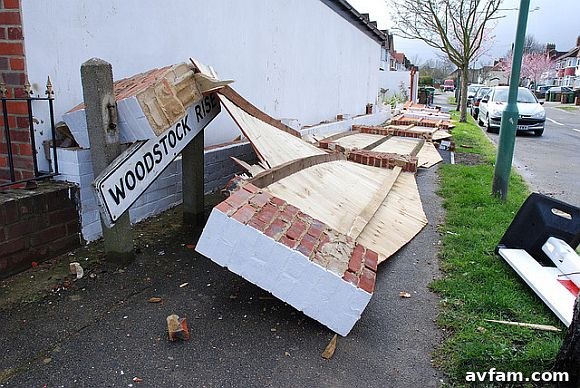
Severe weather events, from relentless hail and destructive high winds to devastating tornadoes and torrential downpours, often leave a trail of property damage. While the immediate aftermath can be overwhelming, homeowners face yet another insidious danger: storm repair scams. Following recent intense weather in areas like Kansas City, local authorities, such as Johnson County District Attorney Steve Howe, have issued urgent warnings, urging residents to exercise extreme caution against potential repair fraud. This guide aims to equip you with the knowledge to protect your home and finances from predatory individuals posing as legitimate contractors.
Understanding the Threat: Why Storms Bring Scams
The chaos and emotional distress that follow a major storm create a fertile ground for scammers. Homeowners, anxious to restore their properties and lives, can become vulnerable targets. These fraudulent operators, often referred to as “storm chasers,” converge on disaster-stricken areas, exploiting the urgency and lack of local resources. They leverage the immediate need for repairs, the often-complex insurance claims process, and a homeowner’s natural desire for a quick resolution. Recognizing this vulnerability is the first step in building a robust defense against their deceptive tactics.
These scammers typically follow weather patterns, moving from one affected region to another. They operate with little to no local ties, making them difficult to track once they’ve collected payment and vanished. Their business model is built on speed and anonymity, preying on those who are least prepared and most desperate. Understanding their modus operandi is crucial for discerning genuine assistance from fraudulent schemes.
Key Warning Signs: Spotting a Storm Repair Scammer
Identifying a scammer often boils down to recognizing specific red flags that deviate from standard, ethical business practices. Being aware of these common indicators can save you significant financial loss and further property damage.
- Unsolicited Door-to-Door Sales: One of the most prominent warning signs is an individual or company that approaches you directly, uninvited, offering services. Reputable contractors typically rely on referrals, advertising, or local presence, not cold calls at your doorstep after a disaster.
- Out-of-State Vehicle Plates: If the person knocking on your door drives a vehicle with out-of-state license plates, it’s a strong indicator they are part of a transient “storm chaser” operation. These individuals follow severe weather from state to state, often performing shoddy work or, worse, collecting money for services that will never be completed.
- High-Pressure Sales Tactics: Scammers often create a sense of urgency, insisting you sign a contract immediately or risk missing out on a “limited-time offer.” They might claim to have extra materials or a crew “in the area” that needs work now. Legitimate contractors understand the need for careful consideration and offer reasonable timelines.
- Demands for Cash-Only Payments: Any contractor who insists on cash payments exclusively should raise an immediate red flag. Cash transactions leave no paper trail, making it nearly impossible to recover funds if the work is not completed or is unsatisfactory.
- Requesting Full Upfront Payment: While some deposit may be reasonable for materials, a legitimate contractor will rarely demand full payment before any work has begun or significantly progressed. A typical payment schedule involves installments tied to project milestones.
- Vague or Incomplete Contracts: Be wary of contracts that lack specific details regarding the scope of work, materials to be used (brand, quality, color), start and completion dates, or a clear payment schedule. A professional contract should leave no room for ambiguity.
- Offering to “Cover Your Deductible”: This is a common tactic where a contractor offers to absorb your insurance deductible. This practice is often illegal, as it constitutes insurance fraud by falsely inflating the repair cost to cover the deductible, which can have serious repercussions for the homeowner.
- Lack of Local References or Business Presence: A reputable contractor will have a physical office or established presence in the community and readily provide local references. Scammers often operate out of temporary accommodations and avoid revealing their true business identity or location.
Your First Line of Defense: Contacting Your Insurance Company
The moment you suspect storm damage, your very first action should be to contact your insurance provider. They are your primary resource in navigating the repair process and protecting yourself from potential fraud. Your insurance company can help you assess the damage, understand your policy coverage, and provide guidance on next steps.
It is crucial to document all damage with photos and videos before any repairs begin. Your insurance company will likely send an adjuster to evaluate the damage, and having your own detailed records will support your claim. Many insurance providers also have lists of pre-vetted, qualified, and certified repair professionals or contractors with whom they have established relationships, giving you a trustworthy starting point for finding assistance.
Choosing Wisely: Due Diligence When Hiring a Contractor
Selecting the right contractor is paramount to ensuring quality repairs and avoiding scams. Take your time, do your research, and verify every piece of information before committing to any agreement. Rushing this process can lead to costly mistakes.
Verifying Credentials and Reputation:
- Check the Better Business Bureau (BBB): Visit BBB.org to see if the contractor is listed, what their rating is, and if they have any complaints filed against them. A strong BBB rating and a history of resolved complaints indicate a commitment to customer satisfaction.
- Verify State Licensing and Registration: Most states require contractors to be licensed. Check with your state’s licensing board or consumer protection agency to ensure the contractor holds a valid and active license for the type of work needed.
- Confirm Local Permits and Registrations: In addition to state licenses, many local jurisdictions require contractors to be registered or obtain specific permits. Verify this with your city or county building department.
- Request Proof of Insurance: A legitimate contractor should carry both liability insurance (to cover any damage to your property during repairs) and worker’s compensation insurance (to cover injuries to their employees). Ask for copies of their insurance certificates and verify them with the insurance provider.
- Ask for References: Request a list of recent clients and contact them to inquire about their experience with the contractor, including the quality of work, adherence to deadlines, and communication.
The Power of Multiple Bids:
Always obtain at least three written estimates from different contractors. This allows you to compare prices, scope of work, and timelines, helping you identify any drastically high or low bids that might signal a problem. Be suspicious of estimates that are significantly lower than others, as they may indicate cutting corners or hidden costs later on.
The Contract is King: What to Demand Before Work Begins
Before any work starts, and certainly before you make any payment, a comprehensive, written contract must be in place. This document is your legal protection and should clearly outline every aspect of the repair project.
- Detailed Scope of Work: The contract must explicitly describe all repairs to be done, including removal of old materials, installation processes, and specific areas of the property involved.
- Material Specifics: It should detail the quality, type, brand, and color of all materials to be used. For example, specify shingle type, gauge of metal, or brand of siding.
- Payment Schedule: Clearly state the total price, the payment breakdown (e.g., a percentage for deposit, subsequent payments upon completion of specific milestones, and final payment after satisfactory completion). Never pay the full amount upfront.
- Start and Completion Dates: Include realistic start and projected completion dates for the project.
- Warranty Information: Outline any warranties on materials and labor, including their duration and what they cover.
- Lien Waivers: Ensure the contract specifies that you will receive lien waivers from the contractor and any subcontractors and suppliers. This protects you from being held responsible if the contractor fails to pay their workers or suppliers.
- Permit Responsibility: Clarify who is responsible for obtaining all necessary building permits (it should typically be the contractor).
- Cancellation Clause: Include a clause detailing conditions under which either party can cancel the contract.
Protecting Yourself Further: Additional Safeguards
Beyond the contract, several other practices can provide an extra layer of security against fraudulent activities. Maintain thorough records and communicate clearly.
Document Everything: Keep meticulous records of all communications with the contractor and your insurance company, including dates, times, names, and summaries of conversations. Save all emails, texts, and written correspondence. Take progress photos of the work as it proceeds.
Don’t Feel Rushed: Scammers thrive on urgency. Understand that you have the right to take your time, research, and make informed decisions, even after a disaster. A legitimate contractor will respect this process.
Never Sign Over Insurance Checks: Be extremely wary if a contractor asks you to sign over your insurance check directly to them. This can leave you without control over your funds and vulnerable to incomplete or subpar work.
Pay with Traceable Methods: When making payments, use checks, credit cards, or bank transfers. These methods provide a paper trail, which is crucial evidence if a dispute arises. Avoid paying with cash.
The Real Cost of Scams: Why Vigilance Matters
Falling victim to a storm repair scam can lead to devastating consequences far beyond financial loss. Homeowners might end up with incomplete or shoddily performed repairs, which can compromise the structural integrity of their home, invalidate future insurance claims, or even lead to further, more expensive damage. The emotional toll of being defrauded during an already stressful time can also be immense. Protecting yourself is not just about saving money; it’s about safeguarding your home, your family’s security, and your peace of mind.
Empowering Homeowners: A Final Call to Action
While severe weather is unpredictable, your response to its aftermath doesn’t have to be. By staying informed, exercising skepticism, and following these guidelines, you can significantly reduce your risk of falling prey to storm repair scams. Remember, your home is your most significant investment; treat its repair with the diligence it deserves. If you suspect you’ve encountered a scammer or have been defrauded, report it immediately to your local police, state attorney general, and the Better Business Bureau. Your vigilance not only protects you but also helps prevent others in your community from becoming victims.
Have you ever been approached by a storm repair scam artist? Do you have additional tips for homeowners navigating post-storm repairs? Share your experiences and insights to help build a stronger, more resilient community against these pervasive frauds.
Photo: Flickr.com/photos/adrianshort/2324757909/