
Mastering Your Home’s Exterior: A Comprehensive Guide to Pressure Washing
Have you ever watched a skilled professional effortlessly transform a grimy surface into pristine beauty, or perhaps seen a comical commercial where a homeowner gets a little *too* enthusiastic with their outdoor cleaning tools? All jokes aside, a pressure washer, also known as a power washer, is an incredibly powerful and versatile tool that can revolutionize your home maintenance routine. From banishing stubborn dirt to preparing surfaces for a fresh coat of paint, these machines are game-changers for anyone looking to restore the sparkle to their property.
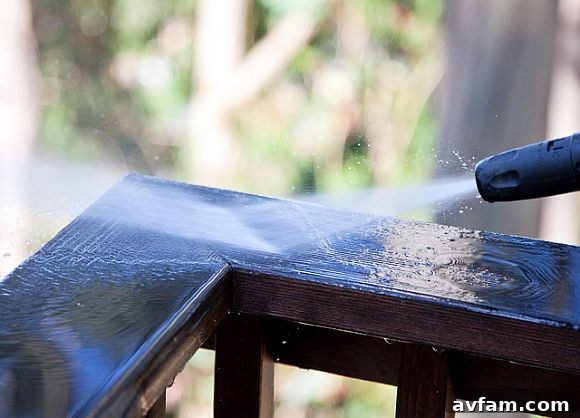
Before diving into the myriad ways a pressure washer can benefit you, it’s wise to consider whether purchasing one aligns with your needs. A quality pressure washer typically represents an investment of at least $100, and often significantly more for higher-end models. If your cleaning needs are infrequent or limited to a single, one-off task, renting or borrowing a unit might be a more cost-effective solution. However, for homeowners with recurring exterior cleaning requirements – be it seasonal deck maintenance, regular driveway upkeep, or annual house washing – the long-term savings and convenience of owning your own machine often outweigh the initial expense. Consider factors like storage space, frequency of use, and the types of projects you anticipate tackling before making your decision.
For those ready to embrace the power of pressurized water, we’ve compiled an extensive guide to help you unlock the full potential of this essential home improvement tool. Let’s explore the diverse applications of a pressure washer, transforming your cleaning tasks from daunting chores into satisfying accomplishments.
Unlock the Potential: Top Uses for Your Pressure Washer
1. Rejuvenate Your Home’s Exterior
Your home’s siding constantly battles against dirt, dust, pollen, mildew, and general grime, which can dull its appearance and potentially lead to long-term damage. A pressure washer offers an exceptional way to restore its curb appeal. This is especially true for resilient materials like vinyl siding, brick, stucco, and fiber cement boards, which can withstand the powerful spray with proper technique. Regular cleaning not only makes your home look better but also helps prevent the growth of mold and mildew that can deteriorate surfaces over time.
When cleaning painted surfaces, exercise caution. While a pressure washer can effectively remove loose, flaking paint – a desirable outcome if you’re preparing for a repaint – it can also strip healthy paint if used improperly or with too much force. Always start with a low-pressure setting and a wide-angle nozzle, testing a small, inconspicuous area first. Maintain an adequate distance from the surface and use smooth, overlapping strokes to avoid streaks or damage. For optimal results, consider using a house wash detergent specifically designed for pressure washers, applied with a low-pressure soap nozzle, before rinsing thoroughly.
2. Transform Decks, Patios, and Porches
Much like the famous (and funny) commercial where outdoor furniture gets an unexpected aerial tour, pressure washers are undeniably effective at cleaning outdoor living spaces. Decks, patios, and porches are constantly exposed to the elements, accumulating dirt, algae, moss, and stains that make them slippery and unsightly. A thorough pressure wash can dramatically revitalize these areas, making them safe and enjoyable again.
Before you begin, ensure all furniture, planters, grills, and other movable items are removed from the surface. Sweep away any loose debris. For wooden decks, use a lower PSI setting (typically 500-1200 PSI) and a fan-tip nozzle (25-degree or 40-degree) to prevent gouging or splintering the wood. Always move with the grain of the wood. Concrete patios, pavers, and stone surfaces can generally handle higher pressure, but it’s still best to start low and gradually increase as needed. For persistent stains, a specialized deck or patio cleaner can be applied through the pressure washer’s detergent tank, followed by a thorough rinse. This process not only cleans but also prepares the surface beautifully for sealing or staining, extending its life and enhancing its appearance.
3. Combat Efflorescence in Basements
Thanks to insights from experts like our friends at Bungalow Bliss!, we know that pressure washers can be surprisingly effective in tackling specific indoor issues, particularly efflorescence in basements. Efflorescence is that unsightly white, powdery, or crystalline deposit that can appear on masonry or brick walls, typically in basements or other areas exposed to moisture. It occurs when water permeates through porous building materials, evaporates on the surface, and leaves behind dissolved salt crystals.
While efflorescence is generally not dangerous itself, it indicates a moisture problem that should be addressed, and it certainly detracts from your basement’s aesthetic. Before painting or refinishing, it’s crucial to remove this mineral buildup. Begin by trying to scrape off the bulk of the salt crystals with a stiff brush or a putty knife. For stubborn or embedded efflorescence, a pressure washer can be a powerful ally. Use a relatively low-pressure setting and ensure adequate ventilation. Collect the runoff water with a wet/dry vacuum to prevent re-wetting the area or spreading the salts. After cleaning, the underlying moisture issue must be identified and resolved – perhaps through improved sealing, drainage, or dehumidification – to prevent recurrence.
4. Extend Your Roof’s Lifespan
Maintaining a clean roof is paramount for its longevity and your home’s overall health. Over time, roofs accumulate leaves, branches, dirt, moss, algae, and lichens, which can trap moisture, accelerate material degradation, and even lead to leaks. A pressure washer, when used with extreme caution and the correct technique, can effectively clear away this buildup.
Important Safety Note: Pressure washing a roof can be dangerous and potentially damaging if not done correctly. It is often recommended to use a “soft wash” approach, involving specific roof cleaning solutions applied at very low pressure (similar to garden hose pressure), rather than high-pressure blasting. High pressure can dislodge shingles, remove protective granules, and force water underneath the roofing material, leading to severe damage. If you opt for pressure washing, always use the widest fan tip (e.g., 40-degree) and maintain significant distance from the surface. Work from the top down, allowing gravity to assist with drainage. Before you start, ensure your gutters are completely clear to handle the runoff and prevent water from backing up onto the roof or overflowing. Clear any large debris by hand first. If you are uncomfortable working at heights or unsure about the correct technique, it’s always best to consult with or hire a professional.
5. Revitalize Driveways, Walkways, and Sidewalks
Your property’s entry points are often the first impression visitors get, and they’re constantly subjected to tire marks, oil stains, dirt, and grime. Pressure washing driveways, walkways, and sidewalks can dramatically enhance your home’s curb appeal and even improve safety by removing slippery algae. Whether you have concrete, asphalt, or paver surfaces, a pressure washer can make them look new again.
For large, flat surfaces, a surface cleaner attachment is highly recommended. This accessory connects to your pressure washer and uses spinning nozzles under a dome to provide even, streak-free cleaning over a wide area, making the job much faster and less strenuous. For stubborn oil stains, pretreatment with a degreaser specifically designed for pressure washing is often necessary before the main wash. Always rinse away detergents thoroughly to prevent residue buildup.
6. Clean Fences and Outdoor Structures
Fences, gazebos, pergolas, and sheds often suffer from the same environmental assaults as your home’s exterior and deck. Dirt, mildew, and faded appearances can make these structures look neglected. A pressure washer is perfect for bringing them back to life.
The cleaning approach will depend on the material. For wooden fences, use a similar technique to deck cleaning: lower pressure, wide-angle nozzle, and work with the grain to avoid damaging the wood fibers. Vinyl fences are generally more forgiving and can handle higher pressure. Metal fences might require specific detergents to remove rust or oxidation, followed by a good rinse. Regular cleaning not only improves aesthetics but also prepares these structures for painting, staining, or sealing, extending their service life.
7. Restore Outdoor Furniture and Grills
Don’t forget your outdoor furniture and barbecue grills! Over a season, patio chairs, tables, and cushions can accumulate significant dirt and grime. Grills can get greasy and grimy. A pressure washer can quickly clean these items, making them ready for use.
For furniture, use a very low-pressure setting (or even a soap nozzle) and a mild detergent to avoid damaging fabrics or finishes. Always test on an inconspicuous area first. For grills, remove grates and other detachable parts for manual cleaning. The pressure washer can then be used on the exterior of the grill to blast away baked-on grease and food particles, making it look presentable again. Be extremely careful around electrical components on gas grills.
Choosing the Right Pressure Washer for Your Needs
To get the most out of your pressure washer, understanding the different types and their specifications is key:
- Electric Pressure Washers: Ideal for lighter tasks around the home like cleaning outdoor furniture, small patios, cars, and grills. They are quieter, lighter, require less maintenance, and produce no emissions, making them suitable for some enclosed spaces with proper ventilation. Their PSI (Pounds per Square Inch) typically ranges from 1300-2000.
- Gas Pressure Washers: Designed for heavier-duty cleaning jobs such as large driveways, two-story homes, stubborn stains, and significant deck cleaning. They offer higher PSI (2000-4000+) and GPM (Gallons Per Minute), allowing them to cover more area faster and tackle tougher grime. They are portable but louder, require fuel and more maintenance, and produce exhaust fumes, so they must be used outdoors.
Understanding PSI and GPM:
- PSI (Pounds per Square Inch): Measures the force of the water stream. Higher PSI means more cleaning power.
- GPM (Gallons Per Minute): Indicates how much water flows through the nozzle. Higher GPM means faster cleaning and more effective rinsing. A good balance of both is ideal for versatile cleaning.
Nozzle Types: Different colored nozzles indicate different spray patterns, crucial for varying tasks:
- 0-Degree (Red): A pinpoint, extremely powerful stream. Use with extreme caution for very tough, localized stains on durable surfaces like concrete, but never on wood, siding, or anything delicate as it can cause significant damage.
- 15-Degree (Yellow): A narrow fan spray for intensive cleaning of hard surfaces, stripping paint, or removing stubborn dirt.
- 25-Degree (Green): A medium fan spray, suitable for general cleaning of most surfaces, including decks, patios, and house siding. A good all-around choice.
- 40-Degree (White): A wide fan spray, perfect for light cleaning, rinsing, and washing delicate surfaces like vehicles, windows, and outdoor furniture.
- Soap Nozzle (Black):): A low-pressure, wide-angle spray designed for applying detergents. It automatically dilutes the soap and allows the cleaner to soak into the surface before rinsing.
Safety First: Essential Pressure Washer Precautions
While incredibly effective, pressure washers are powerful machines that demand respect. Following these safety guidelines is paramount to prevent injuries and damage:
- Always Wear Protective Gear: This includes safety glasses or goggles, sturdy closed-toe shoes (never sandals or bare feet), and long pants. Gloves can also be beneficial.
- Read the Manual: Familiarize yourself with your specific model’s operation, features, and safety warnings before first use.
- Maintain a Safe Distance: Never point the nozzle at yourself, other people, pets, or delicate plants. The high-pressure spray can cause severe cuts, bruises, and even penetrate skin.
- Choose the Right Nozzle: Always select the appropriate nozzle for the task and surface. Start with a wider angle (e.g., 40-degree or soap nozzle) and lower pressure, then gradually increase if needed.
- Test in an Inconspicuous Area: Before cleaning an entire surface, test your chosen nozzle and pressure setting on a small, hidden spot to ensure it won’t cause damage.
- Beware of Electrical Components: Keep the spray away from electrical outlets, light fixtures, and any other electrical wiring on your home or in appliances.
- Secure Your Footing: Surfaces can become very slippery when wet or covered in cleaning solutions. Use caution on ladders or uneven terrain. Avoid extending your reach too far.
- Check Hoses and Connections: Ensure all hoses are securely connected and free from leaks or damage before turning on the water supply and pressure washer.
- Use Proper Detergents: Only use detergents specifically designed for pressure washers, and follow dilution instructions carefully.
- Never Mix Chemicals: Do not mix different cleaning solutions, as this can create dangerous fumes or reactions.
- Children and Pets: Keep children and pets away from the work area at all times.
Conclusion: Empowering Your Home Maintenance
A pressure washer is more than just a cleaning tool; it’s an investment in the longevity, appearance, and value of your home. By understanding its capabilities and operating it safely, you can effortlessly tackle a wide range of exterior maintenance tasks, from revitalizing your siding and deck to preparing surfaces for fresh paint or stain. The satisfaction of seeing years of grime vanish in minutes is truly unparalleled, transforming your property and enhancing your enjoyment of your living spaces.
Do you already own a pressure washer? If so, what unique or challenging tasks have you successfully tackled? Share your experiences and tips in the comments below – your insights could inspire fellow homeowners!
Photo Credit: Flickr.com/photos/jariceiii/4926922267/