
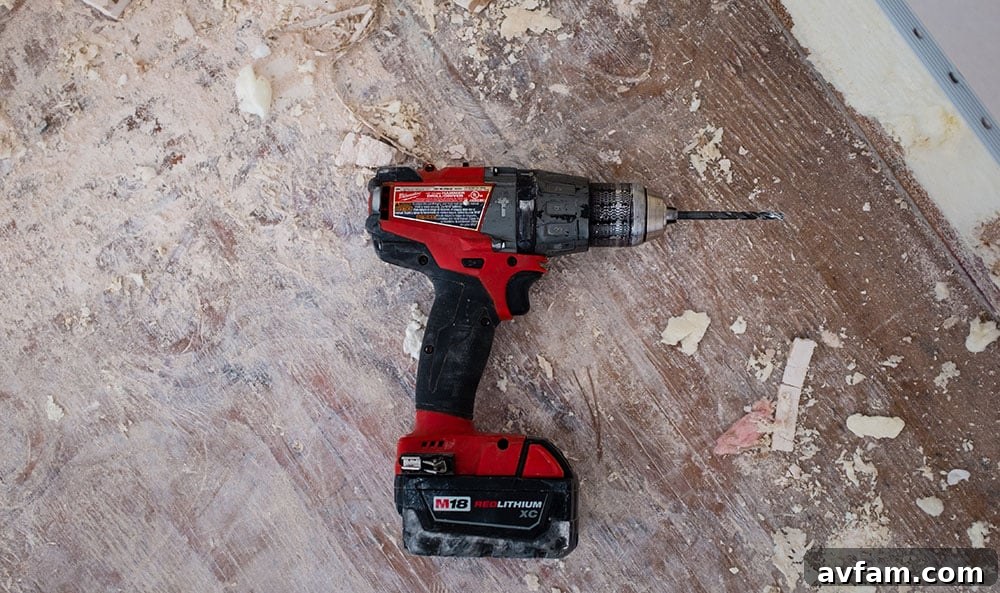
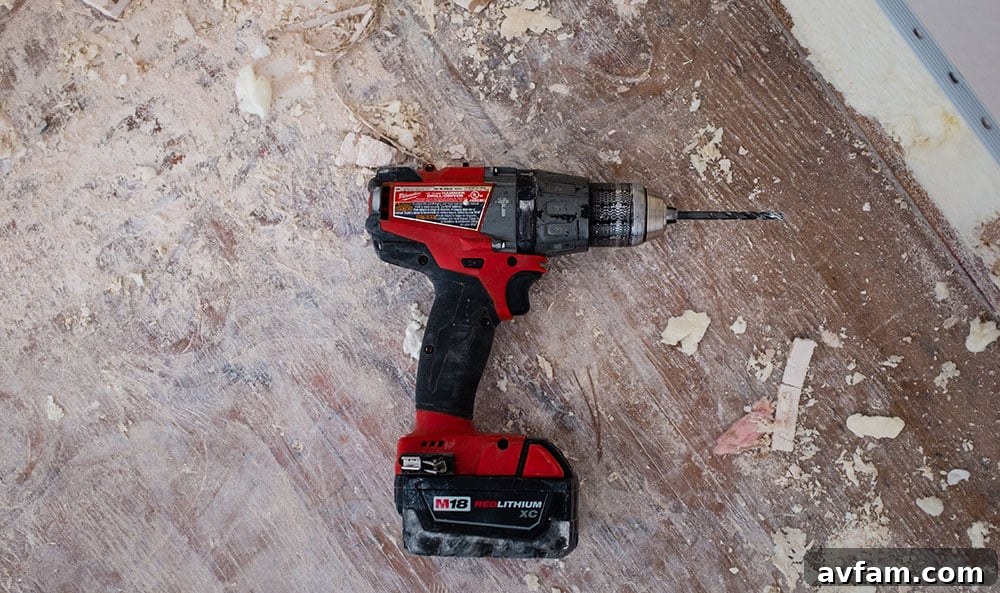
In the dynamic world of power tools, few topics spark as much debate and curiosity among DIY enthusiasts and seasoned professionals alike as the choice between brushed and brushless motors. Once a niche technology, brushless power tools have rapidly moved into the mainstream, fueled by decreasing prices and undeniable performance benefits. This guide delves deep into the mechanics, advantages, and disadvantages of both motor types, empowering you to make an informed decision for your next tool purchase.
Understanding the fundamental differences between brushed and brushless technology is crucial for optimizing your workflow, maximizing tool longevity, and getting the best value for your investment. We’ll explore how each motor converts electrical energy into mechanical power, highlight their respective strengths and weaknesses, and ultimately help you determine which type of tool is the right fit for your specific needs and budget.
Understanding Brushed Cordless Tool Motors
Brushed motors represent the traditional backbone of power tool technology, known for their straightforward design and reliable performance over decades. The operational principle is relatively simple yet effective. At its core, a brushed motor requires a constant supply of current and voltage to generate torque, which translates into rotational speed. The ability to reverse the drill’s direction is easily achieved by simply switching the battery’s polarity to the motor.
The term “brushed” directly refers to the critical components within the motor: the brushes. These are typically small carbon blocks that act as sliding contacts, designed to conduct electrical power from stationary wires to the rotating part of the motor, known as the “armature.” The armature itself is wound with multiple coils of copper wire, which become electromagnets when energized. A “commutator,” a segmented copper ring fixed to the armature shaft, works in conjunction with the brushes to continuously switch the direction of the current flow.
Here’s how the process unfolds: The copper coils are wrapped around laminated steel, which forms either a north or south pole when electricity flows through them, depending on the brushes’ position relative to the commutator. As power is supplied, these energized coils are magnetically attracted to the opposite poles of permanent magnets that encircle the armature within the motor casing. This attraction causes the armature to rotate.
Crucially, as the armature spins, the commutator segments come into contact with different brushes. This contact precisely switches the polarity of the electromagnet created by the coils, ensuring that the armature is continuously pulled towards the approaching permanent magnet of opposite polarity. This constant switching of magnetic fields maintains continuous rotation. However, this mechanical switching comes with inherent drawbacks: the sliding friction between the brushes and the commutator generates heat, causes wear, produces electrical arcing (sparks), and leads to significant efficiency losses over time. These factors contribute to reduced runtime, diminished power output, and a shorter overall lifespan for brushed motors compared to their modern counterparts.
Understanding Brushless Cordless Tool Motors
Brushless motors represent a significant leap forward in power tool technology, operating on a fundamentally different principle that eliminates many of the inefficiencies inherent in brushed designs. In a brushless motor, the primary components are inverted compared to a brushed motor: the motor windings are stationary (known as the “stator”), while the permanent magnets are embedded in the “rotor,” which is the spinning part of the motor.
The absence of brushes and a commutator is the defining characteristic of brushless technology. This means there are no mechanical contacts to conduct power to the windings, thus eliminating the friction, wear, heat generation, and electrical resistance that plague brushed motors. Instead, the sophisticated electronics integrated within the tool take on the vital role of commutating power. This electronic control unit (ECU) or printed circuit board (PCB) is responsible for precisely switching the polarity of the stator coils, effectively replicating the function of a brushed motor’s commutator, but doing so electronically and far more efficiently.
For the electronic controller to operate effectively, it must accurately know the exact position of the rotor at all times. This precise positional awareness allows the electronics to coordinate when to energize the appropriate stator coils with the correct polarity, ensuring maximum torque and smooth rotation. This critical feedback loop is typically achieved through one of two methods:
- Hall Effect Sensors: These tiny electronic sensors are strategically placed within the motor to detect the magnetic fields generated by the rotor’s permanent magnets. By sensing these fields, the sensors provide real-time information about the rotor’s angular position to the electronic controller.
- Sensor-less Technology: More advanced brushless motors employ “sensor-less” control. Instead of physical sensors, these motors utilize sophisticated algorithms stored in the tool’s electronics. These algorithms infer the rotor’s position by monitoring the back-electromotive force (back-EMF) generated in the unpowered stator coils. This method reduces complexity and cost associated with sensors, while still providing highly accurate positional data.
Regardless of the sensing method, these sophisticated algorithms precisely energize and de-energize the stator coils at the opportune moment. This enables the motor to achieve maximum torque, power, and efficiency, which can be dynamically adjusted “on the fly” across the entire RPM range of the motor. The result is a substantial increase in tool performance: greater power output, extended battery runtime, reduced heat generation, and significantly longer tool life. It is these tangible advantages that have propelled brushless motors to their current popularity, making them the preferred choice for demanding applications.
Brushed vs. Brushless: A Detailed Comparison
The fundamental differences in design between brushed and brushless motors lead to distinct advantages and disadvantages in various performance metrics. Understanding these can guide your purchasing decisions.
Efficiency and Runtime
Brushed: Due to friction from brushes and electrical resistance, a significant portion of the energy in brushed motors is lost as heat and noise. This inefficiency directly translates to shorter battery runtimes for cordless tools and less power delivered to the task at hand. Efficiency typically ranges from 75-80%.
Brushless: With no mechanical friction components to generate heat or sparks, brushless motors are inherently more efficient. Energy is converted into mechanical work with minimal loss, resulting in significantly longer battery life and more sustained power delivery. Efficiencies often exceed 90%, sometimes reaching up to 95%.
Power and Torque
Brushed: While capable of producing adequate power, brushed motors typically deliver less torque per watt of energy consumed compared to brushless alternatives. Their power output can also fluctuate depending on the wear of the brushes and the heat generated.
Brushless: The electronic control system of brushless motors allows for precise management of power delivery. This results in higher torque, especially at lower RPMs, and more consistent power throughout the motor’s operating range. They often feel more powerful and responsive, making them superior for demanding applications.
Heat Generation
Brushed: The constant friction between brushes and the commutator, combined with electrical arcing, generates substantial heat within the motor. Excessive heat can degrade motor components, reduce efficiency, and shorten the tool’s lifespan.
Brushless: The absence of physical contact points significantly reduces heat generation. The stator windings, which generate heat, are typically mounted to the motor casing, allowing for better heat dissipation. This cooler operation contributes to longer tool life and the ability to work under heavy loads for extended periods without overheating.
Durability and Maintenance
Brushed: The brushes are consumable parts that wear down over time and require periodic replacement. The commutator can also wear or become pitted, necessitating maintenance or leading to motor failure. This wear and tear are the primary causes of a brushed motor’s shorter lifespan.
Brushless: Brushless motors are often referred to as “maintenance-free” because they lack wearable components like brushes. This leads to dramatically increased durability and a much longer operational life. The main point of failure might be the electronic control board, but modern designs are very robust.
Noise and Vibration
Brushed: The physical contact and arcing between brushes and commutator contribute to more operational noise and vibration.
Brushless: Generally, brushless motors operate much more smoothly and quietly due to the absence of friction-inducing components and the precise electronic control of rotation.
Cost
Brushed: Due to their simpler mechanical design, brushed tools are typically less expensive to manufacture and purchase. They represent a more budget-friendly entry point into power tool ownership.
Brushless: The advanced electronic control system adds complexity and cost to brushless motors, making them historically more expensive. However, as technology advances and production scales, the price gap is continually narrowing, making brushless tools increasingly accessible.
When to Choose Which Type of Power Tool
While brushless tools often represent the pinnacle of current technology, the choice isn’t always clear-cut. Your specific needs, budget, and intended applications should heavily influence your decision.
Opt for Brushless Tools If:
- You’re a professional or heavy DIYer: If your tools are used daily or for demanding projects, the superior efficiency, power, and durability of brushless tools will be a significant advantage. They offer better performance under sustained heavy loads.
- Battery runtime is critical: For cordless tools, brushless motors deliver significantly longer runtimes on a single battery charge, reducing downtime and the need for frequent battery swaps. This is invaluable on job sites or when working away from power sources.
- You need maximum power and torque: Tasks like drilling into dense materials, driving large fasteners, or cutting tough lumber will benefit immensely from the higher and more consistent torque output of brushless motors.
- Longevity and low maintenance are priorities: The absence of wearable brushes means less downtime for maintenance and a longer overall lifespan for the tool, representing a better long-term investment.
- You prefer quieter and smoother operation: For environments where noise is a concern or simply for a more comfortable user experience, brushless tools are the quieter, less vibrating option.
- Your budget allows: While prices have dropped, brushless tools still carry a premium. If your budget can accommodate it, the long-term benefits often outweigh the initial extra cost.
Consider Brushed Tools If:
- You’re an occasional DIYer or hobbyist: For light-duty tasks around the house or infrequent use, a brushed tool offers perfectly adequate performance at a more affordable price point.
- Budget is your primary concern: If you’re building a tool collection on a tight budget, brushed tools provide a cost-effective way to get the job done.
- You only need basic functionality: For simple tasks like hanging pictures, assembling furniture, or occasional drilling, the advanced features of a brushless motor may be overkill.
- You prefer simpler repairs: While less durable overall, the mechanical simplicity of brushed motors can sometimes make them easier and cheaper to repair for those with basic electrical knowledge, compared to complex electronic boards in brushless tools.
- Corded tools are your preference: For corded tools where runtime isn’t an issue, the efficiency advantage of brushless motors is less pronounced, although durability and power advantages still exist.
The Future of Power Tool Technology
The trajectory of power tool development clearly points towards the continued dominance and evolution of brushless technology. As manufacturing processes become more refined and electronic components more affordable, the cost barrier for brushless tools will continue to diminish. We can anticipate even more intelligent tools with advanced sensor-less algorithms, greater integration with smart features, and improved battery optimization, pushing the boundaries of what cordless tools can achieve.
The transition from brushed to brushless motors is more than just an incremental upgrade; it represents a fundamental shift in how power is delivered and managed within our tools. It embodies a commitment to greater efficiency, enhanced performance, and increased user satisfaction, shaping the future of construction, fabrication, and home improvement.
Conclusion: Making Your Informed Choice
In conclusion, the debate between brushed and brushless power tools is ultimately a matter of matching technology to specific needs. While brushed motors have served us well for decades and still offer a viable, budget-friendly option for light or occasional use, brushless technology stands out as the superior choice for professionals and serious DIYers. Its benefits in terms of efficiency, power, runtime, durability, and reduced maintenance are substantial and directly translate to better performance and a more rewarding user experience.
With the declining price of brushless tools, the value proposition continues to strengthen. If your budget allows, investing in brushless power tools is almost always the recommended path. You will gain a tool that works harder, lasts longer, and provides a more consistent, powerful performance, ultimately saving you time, effort, and money in the long run. Evaluate your typical projects, frequency of use, and budget, and then make the confident choice that best equips you for success.