
Beyond the Demolition: Creative and Sustainable Ways to Repurpose Old Kitchen Cabinets
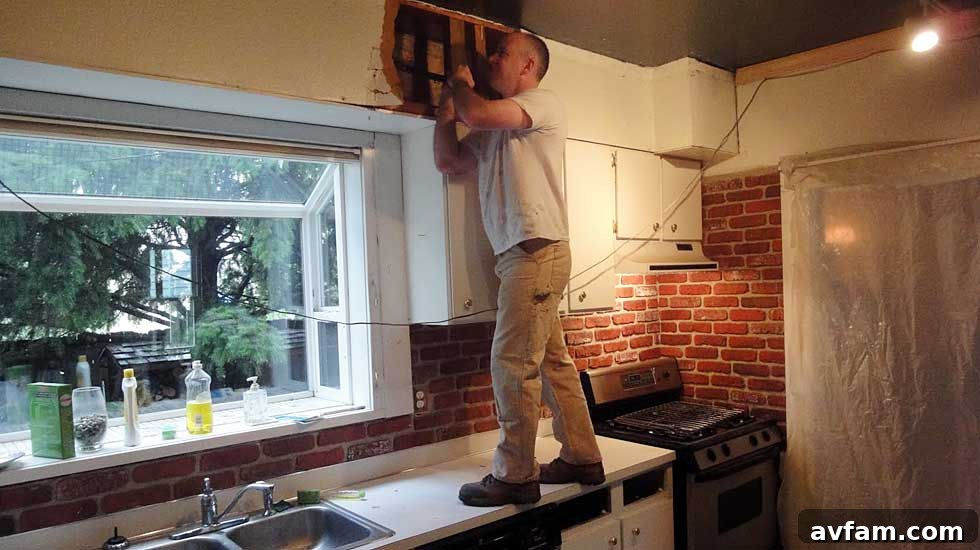
Embarking on a kitchen renovation is an exciting venture, often filled with anticipation for fresh designs, enhanced functionality, and a revitalized heart of the home. However, beneath the gleam of new countertops and appliances lies a less glamorous but equally important aspect: waste management. Renovations inherently generate a significant amount of waste, from packaging materials and sawdust to tarps and, most notably, the old fixtures and finishes being replaced. Among the largest and most common culprits in this pile of potential refuse are old kitchen cabinets. While it might seem easiest to simply toss them, the environmental impact of construction waste, particularly large items like cabinetry, is a growing concern in cities worldwide. But what if we told you those sturdy, albeit outdated, cabinets could have a vibrant second life?
Rather than consigning your old kitchen cabinets directly to the landfill, where they could take decades to decompose and contribute to overflowing waste sites, consider them “valuable garbage.” This article will explore a variety of innovative, eco-friendly, and community-minded options for repurposing and reusing your old cabinetry, turning a potential burden into an opportunity for creativity, generosity, and sustainability. By embracing these alternatives, you not only reduce your environmental footprint but also contribute positively to your community and potentially even save money on disposal costs. It’s time to think beyond the demo day and discover the untapped potential hidden within your old kitchen layout.
The Environmental Imperative: Why Repurpose Old Kitchen Cabinets?
The sheer volume of construction and demolition (C&D) waste generated annually is staggering. Kitchen renovations, while common, are significant contributors to this problem. Old kitchen cabinets, typically constructed from solid wood, plywood, particle board, or MDF, represent a substantial portion of this waste stream. When these materials are sent to landfills, they take up valuable space, and the decomposition process can release harmful greenhouse gases, especially from engineered wood products. Moreover, the resources and energy expended in manufacturing these cabinets in the first place are completely wasted if they are simply discarded after a single use.
Opting to repurpose or recycle your old kitchen cabinets aligns perfectly with the principles of a circular economy and sustainable living. It reduces the demand for new raw materials, conserves energy, minimizes pollution associated with manufacturing and transportation, and significantly lessens the burden on our landfills. Beyond the broad environmental benefits, there are also practical advantages for homeowners. Landfill fees for large, bulky items can be considerable, so finding alternative uses for your cabinets can actually save you money. Choosing to give your cabinets a second life is a conscious decision that reflects a commitment to responsible consumption and environmental stewardship, transforming a necessary renovation into an eco-conscious endeavor.
Generosity in Action: Donating Your Cabinets for Education and Community Empowerment
One of the most impactful ways to repurpose your old kitchen cabinets is to donate them to organizations that can put them to good use for educational or community benefit. This act of generosity not only diverts waste but also provides valuable resources to those who need them most.
Supporting Future DIY Enthusiasts and Tradespeople
Do you remember shop class in high school? These programs, along with vocational training centers and community colleges, are constantly seeking materials for hands-on learning experiences. Your old wooden or particle board cabinets can become invaluable teaching aids. Imagine your cabinets being transformed into practical projects by budding carpenters, designers, or home renovators. They can be used to teach joinery, finishing techniques, hardware installation, or even deconstruction and reconstruction principles. Contact the principal or shop teacher at a local high school or vocational school. Outline the type and condition of the materials you have available, and they will typically be thrilled to accept sturdy, usable cabinets. This noble cause directly contributes to fostering the next generation of skilled tradespeople and DIY enthusiasts, giving them practical experience that is often hard to come by with limited school budgets.
Empowering Community Projects and Non-Profits
Beyond educational institutions, numerous non-profit organizations, community centers, and shelters are often in need of materials for their projects or to furnish their spaces. Organizations like Habitat for Humanity ReStore outlets are prime examples. They accept donations of gently used building materials, including kitchen cabinets, which are then sold to the public at discounted prices. The proceeds often go towards funding their charitable housing initiatives. Similarly, local women’s shelters, youth centers, or community art programs might welcome cabinets for storage, workbenches, or even as raw material for creative art installations. A simple online search or a few phone calls to local charities can reveal many opportunities to make a meaningful donation, turning your old cabinets into a resource for community betterment.
Unleashing Creativity: Transforming Old Cabinets into New Treasures Around the Home
Perhaps you’re looking to keep your old cabinets within your own domain but envision them serving a new purpose. This is where your creativity can truly shine. Old kitchen cabinets are surprisingly versatile and can be repurposed into functional and decorative pieces for various areas of your home, saving you money on new purchases and adding unique character.
Practical Storage Solutions Beyond the Kitchen
The most obvious, yet incredibly effective, reuse for old cabinets is as storage units in other utility areas of your home. They are designed for organization, and with a little TLC, they can perfectly suit new environments:
- Garage & Workshop: Transform your cluttered garage or workshop into an organized haven. Upper cabinets can be mounted on walls to store tools, paint cans, and automotive supplies, keeping them off the floor. Base cabinets can be combined to create a robust workbench with integrated storage underneath for larger equipment or lumber. All they typically need are new handles, a fresh coat of paint, and secure mounting.
- Basement & Utility Room: Basements often become dumping grounds for seasonal items, holiday decorations, or bulk purchases. Old cabinets provide excellent, enclosed storage for these items, protecting them from dust and dampness. In a laundry room, upper cabinets can hold detergents, fabric softeners, and cleaning supplies, while base cabinets can create a neat folding station or house a utility sink.
- Craft Room & Home Office: For the avid crafter or home office worker, organization is key. Cabinets can be modified to store crafting supplies, fabric, yarn, or office files and stationery. Drawers can be fitted with dividers, and shelves can hold binders or boxes, creating a custom storage solution tailored to your hobbies or work needs.
- Outdoor Shed/Storage: With proper weatherproofing and treatment, some sturdy cabinets can even find a new life in an outdoor shed, providing organized storage for gardening tools, pool chemicals, or other outdoor essentials.
Repurposing into Unique Furniture and Decorative Pieces
With a dash of imagination and some DIY effort, old cabinets can be transformed into bespoke furniture that adds personality and function to your living spaces:
- Charming Nightstands or Side Tables: A single upper cabinet can be beautifully repurposed into a nightstand. By removing the door, adding a decorative backing, sanding, painting, and perhaps installing new legs or castors, you can create a unique bedside table with ample storage. Smaller base cabinets can also be modified in a similar fashion.
- Stylish Bookcases or Display Shelves: Remove the doors from upper cabinets, sand and paint them in a color that matches your decor, and you instantly have elegant small bookcases or display shelves for books, collectibles, or decorative accents.
- Entryway Bench with Storage: Combine two or more base cabinets side-by-side, secure them together, and top them with a sturdy piece of wood or upholstered cushion. This creates a functional entryway bench with hidden storage for shoes, hats, gloves, or bags, helping to keep your foyer tidy.
- Creative Pet Feeding Stations: For pet owners, an old base cabinet can be converted into an elevated feeding station for dogs or cats. Cut out openings in the top for food and water bowls, and use the interior for storing pet food, treats, and toys.
- Kids’ Play Furniture: Smaller cabinets can be transformed into delightful dollhouses, play kitchens, or storage units for toys, sparking joy and imaginative play for children.
- Mobile Kitchen Island or Cart: If you have sturdy base cabinets, consider combining them, adding a new countertop (wood, butcher block, or even a salvaged piece of granite), and attaching heavy-duty locking casters. This creates a functional, portable kitchen island or a versatile cart for serving or extra prep space.
The key to these projects lies in a little TLC: thorough cleaning, sanding, priming, and painting or staining can completely revitalize the appearance of the cabinets. New hardware—knobs, pulls, hinges—can dramatically update their style, making them look brand new or perfectly rustic, depending on your desired aesthetic. This hands-on approach results in a completely unique piece with a story, far more interesting than anything mass-produced.
The Circular Economy: Supporting Salvage Stores and Architectural Reuse
If DIY isn’t your forte or you simply can’t find a use for your old cabinets yourself, there’s still a fantastic option that benefits others and the environment: donating them to salvaged building supply stores or architectural salvage yards. These establishments are crucial components of the circular economy, extending the lifespan of materials and making sustainable choices accessible to more people.
Connecting with Salvage and Reuse Centers
Salvaged building supply stores, often found under names like “ReStore” (Habitat for Humanity’s retail outlets), “Architectural Salvage,” or local reuse centers, specialize in collecting and reselling used but still functional building materials. They are essentially marketplaces for second-hand home improvement items, offering affordable alternatives for DIYers, artists, landlords, and anyone looking for budget-friendly or unique materials. These stores are available across the country, and a quick online search for “building material reuse” or “architectural salvage near me” will likely yield several options.
The Donation Process and Its Benefits
When you contact a salvage store, they will typically inquire about the condition, quantity, and type of cabinets you have. Most prefer items that are in good, usable condition—meaning structurally sound, relatively clean, and not severely damaged. Depending on the store and your location, some might even offer a pick-up service for larger donations, making the process incredibly convenient for you. While it is primarily a donation, many of these organizations are registered charities. This means that, depending on their policy and the assessed value of your donation, you may receive a charitable tax receipt. This provides a potential financial benefit during tax season, turning your old cabinets into a win-win scenario for your wallet and the environment.
Who Benefits from Your Donation?
Once donated, your old cabinets gain a new lease on life. They might be purchased by a family on a tight budget looking to update their kitchen affordably, by a landlord renovating a rental property, or by a creative individual seeking materials for an art project or unique furniture piece. They could be installed as-is, given a fresh coat of paint and new hardware, or even deconstructed for their lumber and parts. This entire process supports local economies, provides affordable resources, and significantly reduces the amount of waste sent to landfills, promoting a more sustainable and resourceful community.
Conclusion: Embrace a Sustainable Renovation Journey
Embarking on a kitchen renovation is a significant undertaking, but it doesn’t have to contribute to environmental waste. By thinking a little bit outside of the box—or perhaps, outside of the cabinet—you can transform what might seem like old junk into valuable resources. Whether you choose to be generous by donating to schools or charities, creative by repurposing them within your own home, or inspiring by supporting the circular economy through salvage stores, your old kitchen cabinets have immense untapped potential.
Each of these approaches offers a powerful way to reduce landfill waste, conserve resources, and give sturdy materials a much-deserved second chance. It’s a true win-win-win situation: beneficial for the environment, helpful to your community, and often advantageous for your own budget or creative pursuits. So, as you plan your next kitchen upgrade, let the prospect of giving your old cabinetry a new life be another great motivation to get started on that renovation with a conscious and sustainable mindset. Your thoughtful approach to waste management can make a tangible difference, turning a simple renovation into an act of environmental responsibility and community support.