
Building Your Dream, One Flatpack at a Time: Exploring the World of Affordable DIY Homes
For many aspiring homeowners and passionate DIY enthusiasts, the ultimate dream project isn’t just a renovation or a custom piece of furniture—it’s building an entire house from the ground up. The sheer thought of such an undertaking can be daunting, a complex maze of blueprints, permits, and construction challenges. However, what if we told you there’s a revolutionary, simpler path to realizing this dream, one that sidesteps much of the traditional hassle and expense?
Imagine a home that can be assembled in a matter of days, costs less than many used cars, and offers a flexible solution for a variety of needs. This isn’t science fiction; it’s the ingenious reality offered by companies pioneering flatpack and modular housing solutions, making homeownership, or at least a significant part of it, more accessible than ever before.
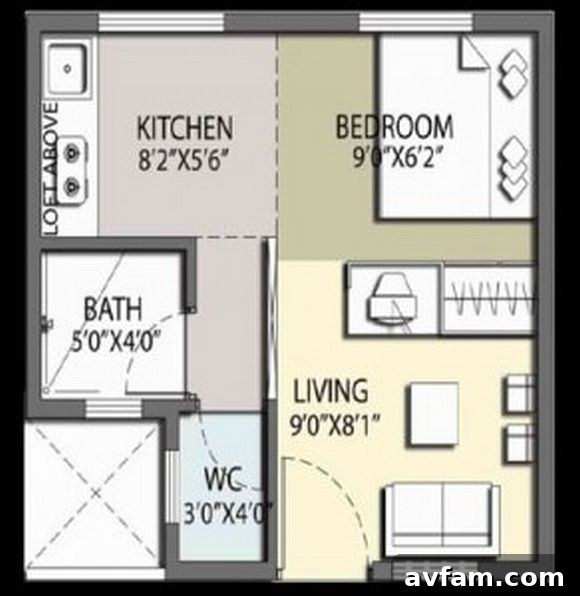
Introducing the Tata Group’s Game-Changing $720 Flatpack Home
At the forefront of this innovative movement is The Tata Group, a global conglomerate renowned for its groundbreaking products, from the Nano car to various industrial innovations. Their foray into affordable housing is equally remarkable: a flatpack home concept priced at an astonishing $720. This isn’t a typo; for less than a thousand dollars, individuals can acquire a kit to build a functional dwelling.
What makes this offering truly stand out is its speed of construction. Designed with efficiency in mind, this compact abode can be erected in an incredible seven days. Yes, in just one week, a complete structure can go from a flat-packed kit to a standing home. This rapid deployment capability is a testament to thoughtful engineering and a focused approach to essential housing.
The 215-square-foot home is ingeniously constructed using sustainable and readily available materials. As Ariel Schwartz reported for Fast Company, its walls and interiors are primarily composed of coconut fiber or jute. These natural fibers are not only economical but also contribute to the home’s relatively light environmental footprint. While it boasts a life expectancy of approximately 20 years, this design choice reflects its purpose: to provide immediate, affordable, and adaptable shelter rather than a permanent, multi-generational luxury estate.
More Than Just a Home: Versatile Applications for Modern Living
While the Tata flatpack home isn’t the opulent mansion many might envision when dreaming of their ideal residence, its value lies in its practicality, affordability, and versatility. It offers a fresh perspective on what a “home” can be and how it can serve contemporary needs. This budget-friendly prefab solution opens up a world of possibilities, extending far beyond conventional residential uses.
Transforming Your Backyard: Creative Additions and Spaces
Imagine needing extra space but lacking the budget or desire for a costly traditional extension. The Tata flatpack home, or similar home kits, presents an ideal solution. It could serve as a dedicated backyard office, providing a quiet, separate sanctuary away from household distractions – a growing necessity in our remote work era. For artists, writers, or hobbyists, it could become a tranquil studio, fostering creativity without the overhead of renting commercial space.
Furthermore, it makes an excellent guest house, offering visitors privacy and comfort without permanent structural changes to your main dwelling. For those intrigued by the “tiny house” movement, it’s a perfect entry point, allowing individuals to experience minimalist living or create a pint-sized getaway on their own property. From a personal gym to a dedicated meditation room or even a “she-shed” or “man-cave,” the possibilities for a unique, functional backyard addition are endless, all achievable with minimal fuss and cost.
Addressing the Global Housing Crisis: A Solution for Affordable Living
Perhaps the most profound potential of these affordable prefab homes lies in their capacity to tackle the pervasive global housing crisis. Millions worldwide lack access to safe, adequate, and affordable shelter. The Tata flatpack home represents a scalable, rapid-deployment solution that can make a significant difference in vulnerable communities, disaster-stricken regions, and areas struggling with homelessness.
The entire kit is designed to be comprehensive, ensuring that essential components are included for immediate functionality. This means the package comes equipped with necessary elements such as windows for natural light and ventilation, a sturdy roof to protect against the elements, and functional doors for security and privacy. Beyond these basics, such kits often include structural supports, flooring materials, and assembly instructions, streamlining the building process for even novice builders. This holistic approach significantly reduces the barriers to providing rapid, decent housing for those most in need, offering dignity and a foundation for stability.
The Future of Housing: Upscale Options and Sustainable Innovations
The concept of modular and flatpack homes is continually evolving. The initial $720 model serves as a foundational offering, but the innovation doesn’t stop there. As Schwartz highlighted, The Tata Group is already envisioning and developing more upscale versions, catering to a broader range of needs and preferences. These advanced models might incorporate modern amenities and sustainable features, demonstrating the adaptability and growth potential of this housing typology.
Anticipated upgrades include larger floor plans, providing more living space for families or individuals desiring more room. The integration of rooftop solar panels is a particularly exciting development, offering a path towards energy independence and reducing long-term utility costs, aligning with global sustainability goals. Furthermore, the addition of a veranda would enhance outdoor living spaces, providing a welcoming porch area for relaxation and social interaction. These enhancements underscore the industry’s commitment to improving comfort, sustainability, and aesthetic appeal without sacrificing the core benefits of prefabricated construction.
The rise of prefab and modular construction signals a paradigm shift in how we approach building. These methods offer numerous advantages over traditional construction: unmatched speed of assembly, significant cost reductions due to mass production and reduced on-site labor, and enhanced quality control as components are manufactured in controlled factory environments. Moreover, the modular approach inherently leads to less material waste, making it a more environmentally friendly choice. This efficiency and adaptability are setting new benchmarks for the construction industry, promising a future where quality housing is more accessible and sustainable for everyone.
Navigating the Practicalities: Considerations and Long-Term Value
While the benefits of homes like the Tata flatpack are substantial, it’s important to approach them with a clear understanding of their specific characteristics and intended purpose. The reported 20-year life expectancy, for example, is a direct trade-off for their extreme affordability and rapid deployment. This makes them ideal for temporary housing, emergency relief, or as a transitional dwelling, rather than a permanent, multi-generational family home.
Consideration also needs to be given to factors such as durability in diverse climates, building codes, and regulations which can vary significantly by location. While their lightweight construction is an advantage for transport, it might require additional measures for insulation or structural reinforcement in extreme weather conditions. Local zoning laws and permits for even temporary structures should always be investigated. However, these considerations do not detract from the immense value proposition of such innovative housing solutions. They simply underscore the importance of aligning the specific needs of the occupant with the capabilities of the home kit.
Embracing the DIY Spirit: Empowerment Through Accessible Home Building
The idea of building your own home, regardless of its size or permanence, taps into a fundamental human desire for shelter and self-reliance. For the passionate DIYer, embarking on a project like assembling a flatpack home represents the pinnacle of personal achievement and practical skill. It’s an empowering experience, proving that with the right tools and a clear vision, one can create a functional, comfortable living space with their own hands.
This accessibility aligns perfectly with the burgeoning popularity of tiny homes and minimalist living movements. These trends advocate for living with less, reducing one’s ecological footprint, and prioritizing experiences over possessions. Flatpack homes provide an affordable entry point into this lifestyle, allowing individuals to customize their small footprint to reflect their values and needs.
Ultimately, these innovative housing solutions are about more than just four walls and a roof. They represent empowerment—the power to overcome housing insecurity, the power to create bespoke spaces, and the power to participate directly in the creation of one’s own living environment. They challenge conventional notions of homeownership and construction, paving the way for a future where quality, sustainable, and affordable housing is within reach for a broader segment of the population.
Your Thoughts on Home Kits: Join the Conversation!
We’re eager to hear from our community! What are your impressions of these revolutionary home kits, particularly offerings like the Tata flatpack home? Have you personally considered building one, or perhaps even embarked on such a project? If you were to acquire one of these versatile structures, how would you envision using it? Would it become your personal sanctuary, a creative studio, an extra space for guests, or perhaps a stepping stone to a more minimalist lifestyle?
Share your ideas, experiences, and aspirations in the comments below. Your insights help shape the conversation around accessible and innovative housing solutions for the future!
Photo: Fast Company via Flickr.com/kafka4prez