
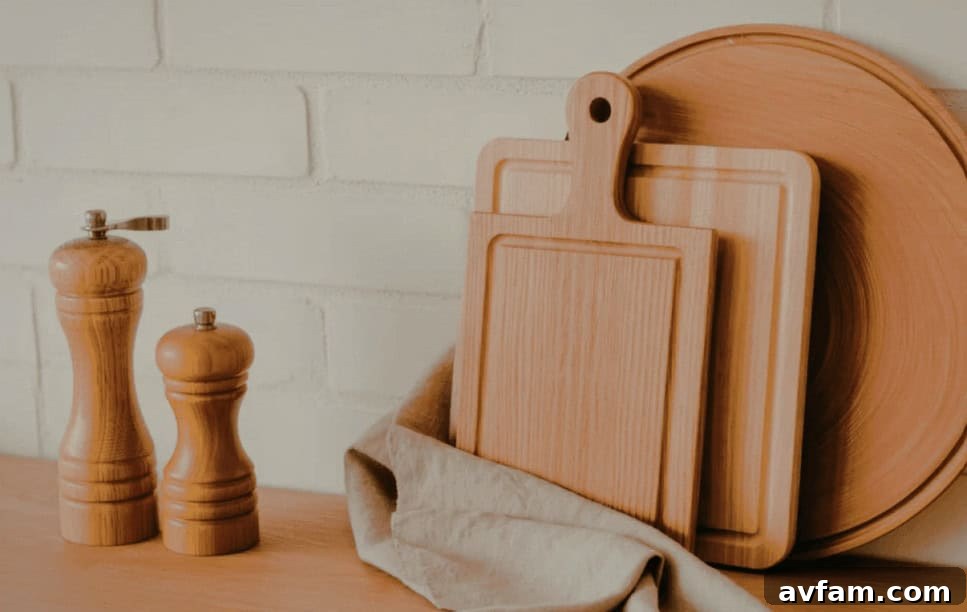
In an era increasingly defined by sleek plastics, gleaming stainless steel, and complex high-tech gadgets, the enduring charm and utility of wooden kitchen tools stand out as a testament to timeless craftsmanship and natural simplicity. Far from being relegated to history, these essential items continue to hold a cherished place in modern kitchens, blending traditional wisdom with contemporary culinary needs.
From the gracefully curved stirring spoon to the robust, handcrafted cutting board, wooden kitchen tools embody a unique combination of functionality, environmental responsibility, and understated aesthetic appeal. Their consistent popularity across generations and diverse cooking cultures underscores a fundamental truth: sometimes, the most basic and natural materials offer the most reliable, effective, and meaningful solutions in the heart of the home.
More than just practical implements, wooden kitchen tools are a reflection of intentional design, a commitment to sustainable living, and a deep respect for culinary heritage. Whether wielded by seasoned professional chefs or passionate home cooks, these natural tools infuse the kitchen with a sense of warmth, exceptional durability, and authentic character, enriching the cooking experience in countless ways.
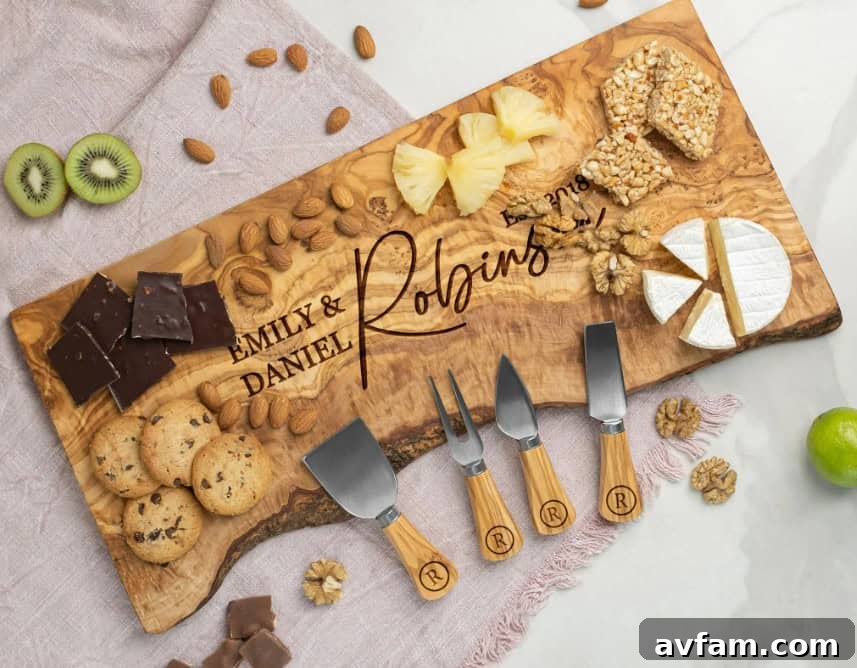
The Enduring Legacy of Wooden Kitchen Tools: A Culinary History
The story of wooden kitchen tools is as old as cooking itself, deeply embedded in the culinary histories of civilizations across the globe. Long before the advent of modern synthetic materials like plastic and silicone, cooks relied extensively on wood for a wide array of implements, from essential spoons and sturdy bowls to versatile rolling pins and resilient cutting boards. Wood was an abundant, readily accessible, and easily shapeable resource, naturally suited for the demands of food preparation.
For centuries, different cultures developed unique wooden tools tailored to their specific cooking traditions. In many traditional kitchens worldwide, wooden utensils remain the preferred choice, revered for their durability and efficacy. These tools are often passed down through generations, becoming cherished heirlooms that carry the stories of countless family meals. A well-crafted wooden spoon, for instance, can endure for decades, developing a beautiful patina that reflects years of loving use, solidifying its place as a treasured item in any household.
This extensive and unbroken history of use is irrefutable proof of wood’s inherent reliability and practical superiority as a kitchen material. While fleeting trends in kitchenware may come and go, wooden utensils maintain a steadfast and comforting presence, embodying a constant in the ever-evolving world of gastronomy.
Gentle Care for Your Cookware: The Advantage of Wood
One of the most compelling and frequently cited advantages of choosing wooden kitchen tools is their remarkable gentleness on all types of cookware. Modern pots and pans, particularly those with delicate nonstick coatings, ceramic surfaces, or seasoned cast iron, are highly susceptible to scratches, chips, and damage from harsh metal utensils. In stark contrast, wooden spoons, spatulas, and other tools feature smooth, non-abrasive surfaces that glide across cookware without causing any harm to these sensitive finishes.
This protective quality makes wooden utensils indispensable for tasks such as stirring simmering sauces, sautéing delicate vegetables, or mixing ingredients in your most prized nonstick or ceramic pots. Because wood is naturally softer than metal, it acts as a buffer, safeguarding your expensive cookware while still providing the necessary strength and leverage for various cooking tasks. This thoughtful design helps extend the lifespan of your pots and pans, ensuring they remain in pristine condition for years to come.
Furthermore, an often-overlooked benefit is that wooden tools do not conduct heat in the same way metal utensils do. This means they remain relatively cool to the touch, even when stirring hot dishes for extended periods, making them significantly more comfortable and safer to handle during the cooking process. This thermal insulation prevents accidental burns and enhances the overall ergonomic experience.
Unrivaled Natural Durability and Strength
Wood is a material synonymous with natural strength and exceptional durability. High-quality hardwoods, such as robust maple, elegant walnut, rich cherry, and resilient teak, are predominantly chosen for crafting kitchen utensils due to their inherent resistance to cracking, warping, and splintering. These woods boast dense, tightly packed grain structures that make them less porous and, consequently, less prone to absorbing excessive moisture, which can otherwise lead to degradation over time.
When afforded proper care and maintenance, wooden kitchen tools are designed to last for many years, often becoming lifelong companions in the kitchen. Unlike their plastic counterparts, which can melt, warp, stain, or degrade after repeated exposure to heat and use, wooden tools steadfastly maintain their structural integrity and optimal usability, even under rigorous daily cooking conditions.
Hardwood cutting boards, in particular, are highly valued for their superior durability and resilience. They provide an incredibly stable and forgiving surface for all forms of food preparation. Crucially, the natural fibers of wood are kinder to knife blades than harder surfaces like glass or stone, offering a slight “give” that helps to preserve the sharpness of your knives for much longer, reducing the frequency of sharpening and extending the life of your cutlery.
This remarkable combination of innate strength and impressive longevity firmly establishes wooden kitchen items as a wise and reliable long-term investment for any discerning home cook, offering enduring value far beyond their initial cost.
A Sustainable Choice for Environmentally Conscious Kitchens
In an increasingly environmentally aware world, where sustainability plays a critical role in consumer decisions, wooden kitchen tools are experiencing a significant resurgence, celebrated for their profound ecological benefits. Wood stands out as a quintessential renewable resource, meaning it can be continuously replenished through responsible and ethical forestry practices. Many manufacturers today are committed to sourcing wood from certified sustainable forests, often bearing labels like FSC (Forest Stewardship Council), ensuring that their products contribute to environmental preservation rather than depletion.
In stark contrast to plastic utensils, which are derived from petroleum — a finite resource — and contribute significantly to global environmental pollution, wooden tools offer an eco-friendly alternative. They are inherently biodegradable and compostable, meaning that when they eventually reach the end of their exceptionally long lifespan, they can break down naturally and safely, returning to the earth without leaving behind harmful microplastics or toxic residues. This complete lifecycle makes them a truly guilt-free choice.
Beyond new wood, many innovative producers are also utilizing reclaimed or upcycled wood from old furniture, construction materials, or fallen trees. This resourceful approach breathes new life into existing resources, dramatically reducing waste and minimizing the demand for virgin timber. By choosing wooden kitchen tools, consumers actively support a more sustainable, circular economy and contribute to a significantly more environmentally responsible approach to cooking, living, and consuming.
Natural Antibacterial Properties for a Healthier Kitchen
An often-underestimated, yet incredibly significant, advantage of wooden kitchen tools is their inherent natural antibacterial properties. Extensive scientific studies have demonstrated that certain types of wood possess the remarkable ability to inhibit bacterial growth. This phenomenon is largely attributed to wood’s unique porous structure, which draws moisture — and thus bacteria — deep into its fibers. Once trapped within the wood, bacteria are deprived of the surface moisture they need to thrive and often succumb to the wood’s natural compounds, effectively dying off.
This natural process stands in stark contrast to plastic surfaces, particularly those that have become scratched or worn. Such imperfections can create microscopic crevices where bacteria can lodge and multiply, remaining active for extended periods despite cleaning efforts. This makes wooden cutting boards and utensils a surprisingly hygienic choice, provided they are properly cleaned and maintained.
Simple washing with warm water and a mild dish soap immediately after use is typically sufficient to keep them safe and sanitary. Crucially, proper and thorough drying is paramount, as it actively prevents moisture buildup, which could otherwise encourage mildew or compromise the wood’s integrity. Ensuring your wooden tools are air-dried completely before storage maximizes their natural antibacterial benefits and significantly extends their lifespan.
Warmth and Unparalleled Aesthetic Appeal
Beyond their numerous practical benefits, wooden kitchen tools bring an unmistakable sense of warmth, organic beauty, and inviting charm to any kitchen environment. The unique, intricate grain patterns, rich natural colors, and tactile textures of wood offer a visual and sensory richness that synthetic materials simply cannot replicate. Each piece of wood tells its own story, with no two wooden utensils ever sharing the exact same grain, ensuring a distinct individuality for every item.
This inherent uniqueness adds significant character to kitchen spaces, transforming mundane utensils into decorative elements that elevate the overall culinary experience. Wooden tools effortlessly complement a diverse spectrum of kitchen design styles. In rustic, farmhouse, or traditional settings, they seamlessly reinforce a natural and earthy atmosphere. Conversely, in ultra-modern or minimalist kitchens, they introduce a crucial element of warmth, texture, and natural contrast against sleek surfaces like stainless steel, polished concrete, or cool marble, softening the aesthetic and making the space feel more inviting.
From elegantly carved serving boards to beautifully handcrafted salad bowls, many wooden kitchen items gracefully double as decorative accents, enhancing the visual appeal of the kitchen even when not actively in use. The tactile pleasure of holding a smooth, warm wooden utensil also adds a subtle, yet profound, layer of comfort and connection to the cooking process.
Versatility: The Workhorses of Everyday Cooking
Wooden kitchen tools are celebrated for their incredible versatility, proving themselves indispensable across a vast array of everyday cooking tasks. Their lightweight yet exceptionally sturdy construction makes them comfortable to hold and manipulate, even during extended cooking sessions. Whether you’re gently stirring a delicate soup, vigorously mixing a thick batter, expertly sautéing aromatic vegetables, lightly tossing a fresh salad, or elegantly serving a finished dish, wooden utensils excel.
Some of the most common and universally appreciated wooden kitchen tools include:
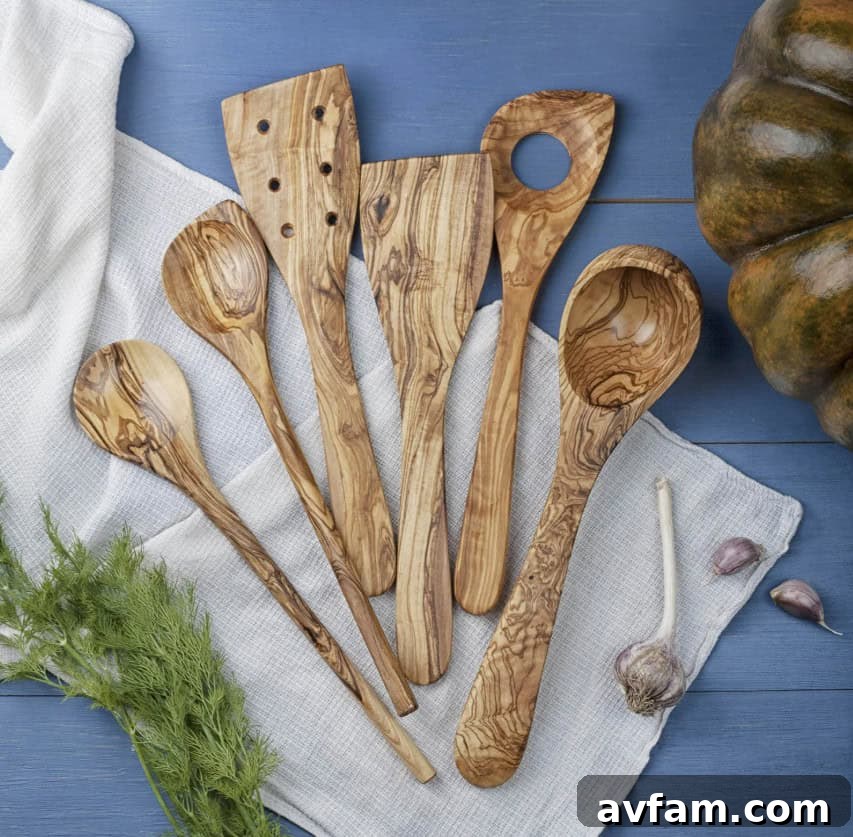
- Wooden Spoons: Essential for stirring, mixing, scraping pan bottoms, and tasting, without scratching. Their gentle nature makes them ideal for all types of cookware.
- Spatulas (Turners): Perfect for sautéing, flipping ingredients like pancakes or eggs, and folding batters, offering excellent control and flexibility.
- Cutting Boards: Providing a stable and hygienic surface for all food preparation, protecting countertops and knife blades alike.
- Rolling Pins: Indispensable for baking, effortlessly rolling out dough for pies, pastries, and bread with uniform thickness.
- Salad Bowls and Serving Utensils: Adding a touch of elegance to any meal presentation while being gentle on delicate greens.
- Mortar and Pestle: For grinding spices and herbs, unleashing their full flavor.
- Honey Dippers: A charming and practical tool for serving honey.
This comprehensive range of tools covers virtually every essential kitchen task, making them indispensable for cooks of all skill levels, from beginners embarking on their culinary journey to seasoned professionals. Because of their inherent simplicity, reliability, and comfortable feel, wooden utensils frequently become the go-to essentials that cooks instinctively reach for time and time again, forming the backbone of a functional kitchen.
Easy Maintenance and Long-Term Care for Lasting Beauty
Maintaining the beauty and functionality of wooden kitchen gifts is surprisingly straightforward, requiring only a few simple practices to ensure they retain their charm and utility for many years, even decades. With proper care, these natural treasures will age gracefully, developing an even richer character over time.
The primary cleaning method involves washing them immediately after use with warm water and a mild dish soap. It is crucial to thoroughly rinse off all soap residue. A critical step is to avoid soaking wooden utensils in water for extended periods, as prolonged exposure to moisture can cause the wood to swell, warp, or crack, compromising its structural integrity. Furthermore, never place wooden tools in a dishwasher; the intense heat and harsh detergents of a dishwasher will strip the wood of its natural oils, leading to rapid drying, cracking, and irreversible damage.
To keep the wood hydrated, vibrant, and protected, it is highly recommended to occasionally apply a food-grade mineral oil, beeswax, or a natural wood conditioner. This conditioning process should be done every few weeks or months, depending on frequency of use and dryness of your environment. Simply rub a small amount of oil onto the clean, dry wood with a soft cloth, allow it to soak in for several hours (or overnight), and then wipe off any excess. This replenishes the wood’s natural oils, prevents it from drying out, enhances its natural color and grain patterns, and creates a protective barrier against moisture. With these basic, yet essential, care practices, your wooden kitchen tools will remain strong, safe, hygienically sound, and visually appealing, becoming cherished items in your culinary arsenal.
The Emotional Connection to the Art of Cooking
Beyond their tangible benefits, one of the most profound and meaningful aspects of wooden kitchen tools lies in the deep emotional connection they foster with the act of cooking itself. Cooking is often far more than just preparing food; it is a deeply personal, often ritualistic activity interwoven with cherished family traditions, celebratory shared meals, and rich cultural heritage. Wooden utensils frequently become integral components of these traditions, serving as tangible links to the past and catalysts for future memories.
A simple wooden spoon, worn smooth by years of stirring beloved family recipes, or a robust cutting board, bearing the marks of countless holiday feast preparations, can acquire immense sentimental value over time. These tools bear witness to life’s most precious moments in the kitchen, absorbing the warmth of human touch and the aroma of countless culinary creations. As wood ages gracefully, these tools develop a unique and beautiful patina – a soft sheen that reflects years of careful use. This gradual transformation gives each piece an unparalleled character, visually narrating the story of the meals prepared, the laughter shared, and the memories forged in the heart of the home. This emotional resonance transforms ordinary tools into extraordinary artifacts, deepening our connection to the culinary process and the history of our kitchens.
Conclusion: The Timeless Appeal of Wooden Kitchen Tools
Wooden kitchen tools unequivocally stand the test of time, enduring through shifting trends and technological advancements because they masterfully combine practicality, undeniable sustainability, and inherent natural beauty. Their exceptional durability, their gentle interaction with all types of cookware, and their significant eco-friendly attributes make them an outstanding and responsible choice for modern kitchens seeking both peak functionality and a conscious approach to living.
Simultaneously, their warm aesthetic, the tactile pleasure they offer, and the traditional craftsmanship they represent infuse everyday cooking with a comforting sense of authenticity and deep connection. In an age often characterized by disposable gadgets and pervasive synthetic materials, wooden kitchen tools serve as a powerful and elegant reminder that the most timeless, reliable, and deeply satisfying solutions are often the most natural ones.
By thoughtfully incorporating wooden utensils into their cooking spaces, home cooks can cultivate a kitchen environment that is not only highly efficient and supremely functional but also profoundly sustainable, wonderfully inviting, and intimately connected to the rich, enduring tapestry of culinary tradition. Choosing wood is an investment in quality, heritage, and a more harmonious relationship with our food and our planet.