
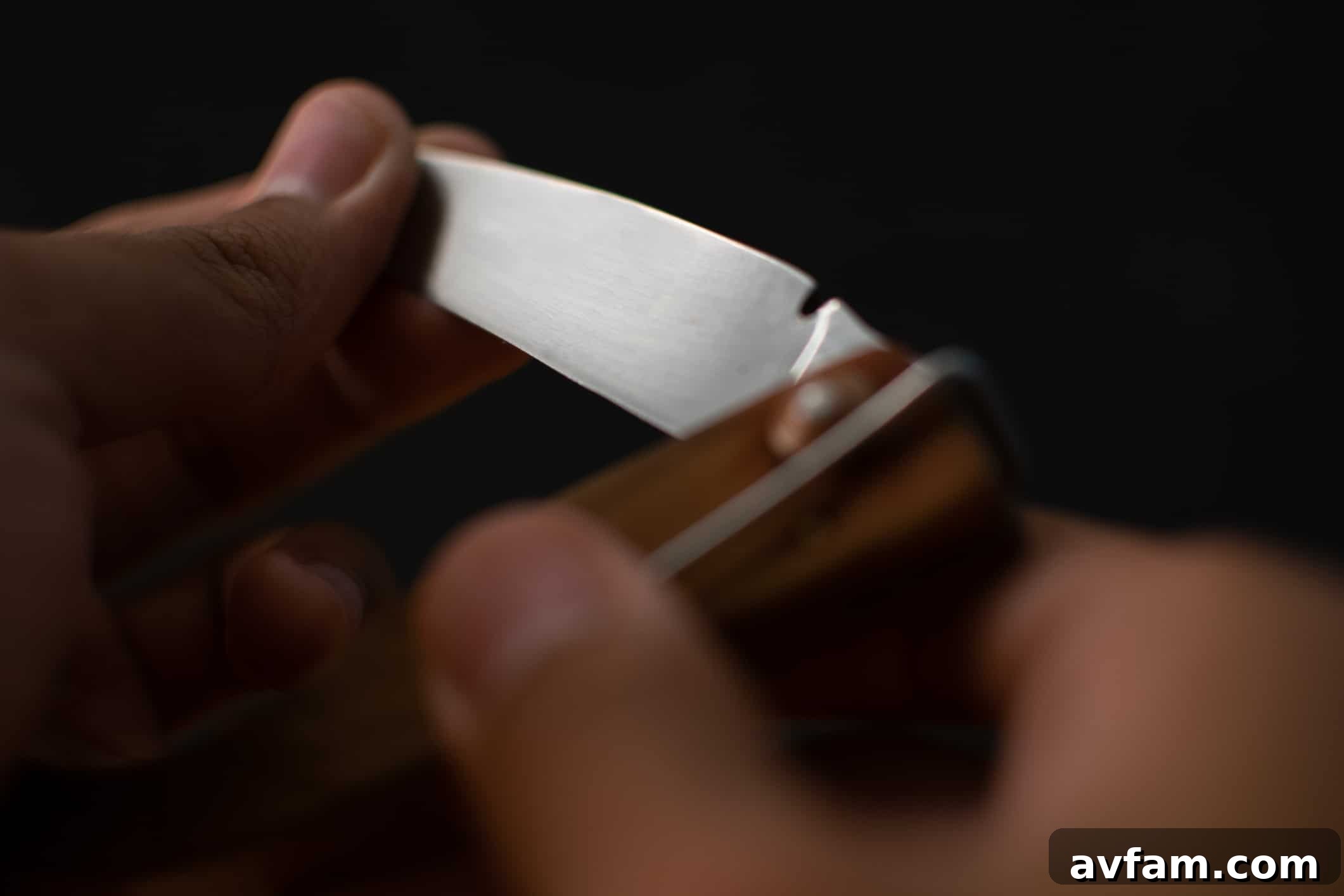
A high-quality pocket knife is more than just a tool; it’s a versatile companion capable of tackling an astonishing array of tasks with remarkable ease and efficiency. From handling on-the-go emergencies and performing quick equipment repairs to simply opening stubborn packaging, a dependable folding knife can significantly simplify daily life and provide invaluable peace of mind. This comprehensive guide delves into the crucial aspects of selecting the optimal steel for your pocket knife blade, outlining essential considerations before making a purchase, exploring various types of blade steel and their unique benefits, and providing practical advice on maintaining your pocket knife for years of reliable service.
The Indispensable Role of a Pocket Knife in Daily Life
Possessing a reliable pocket knife is a testament to preparedness and self-reliance, making it an indispensable tool for a multitude of activities and situations. Its utility extends far beyond simple cutting tasks, transforming it into a cornerstone of everyday carry for many individuals.
Versatility for Everyday Tasks
Imagine the convenience of having a sharp blade readily available for countless common chores. A pocket knife effortlessly handles tasks such as opening packages, breaking down cardboard boxes, stripping wires, trimming loose threads, or even quickly slicing through tough zip ties. For those who frequently work with their hands or find themselves in situations requiring impromptu adjustments, a pocket knife offers unparalleled practicality and speed. It significantly boosts efficiency, allowing you to complete small but frequent tasks with minimal fuss, saving time and frustration.
A Trusted Companion for Outdoor Adventures
For outdoor enthusiasts, hikers, campers, and hunters, a pocket knife is an essential piece of gear. It can be used for preparing kindling for a fire, cutting rope for shelter building, field dressing game, or even slicing food items during a wilderness meal. In the vastness of nature, where resources might be limited, the multifaceted functionality of a good pocket knife makes it an invaluable survival tool, enhancing safety and overall enjoyment of the outdoors.
Emergency Preparedness and First Aid
In unexpected emergency scenarios, a pocket knife can prove to be a lifesaver. It can be used to cut away clothing for basic first aid, slice through seatbelts in a vehicle accident, or create improvised splints. While not a primary first-aid tool, its ability to quickly and cleanly cut various materials makes it a critical asset when immediate action is required. The peace of mind that comes from knowing you are equipped to handle unforeseen challenges is a significant benefit of carrying a quality folding knife.
Personal Security and Confidence
While primarily a utility tool, a pocket knife can also serve as a last-resort personal protection device in certain environments or situations. When wielded responsibly and safely, it can offer an effective means of self-defense against potential threats, whether human or animal, without necessarily causing severe injury. The mere presence of a reliable blade can instill a sense of confidence and preparedness, allowing individuals to navigate their surroundings with greater assurance.
In essence, a properly maintained pocket knife is a long-term investment in safety, convenience, and self-sufficiency. Its robust design and enduring utility ensure it will remain a trusted companion for years, proving its worth in countless situations and solidifying its place as an essential item for anyone seeking to be prepared for anything life throws their way.
Essential Factors to Consider Before Buying a Pocket Knife
Choosing the perfect pocket knife requires careful consideration of several key factors that influence its performance, durability, and suitability for your specific needs. A well-informed decision ensures you select a tool that will serve you effectively for years to come.
1. Blade Steel Type and Performance
The type of steel used for the blade is arguably the most critical factor. Different steel compositions offer varying balances of properties like edge retention, toughness, corrosion resistance, and ease of sharpening. Your primary intended use — whether it’s for heavy-duty cutting, fine precision work, or exposure to wet environments — should guide your choice of steel. Research popular steel types and understand their characteristics to find the best match for your daily demands.
2. Blade Profile and Geometry
Beyond the steel, the blade’s shape or profile significantly impacts its functionality. Common blade profiles include:
- Drop Point: A versatile and strong blade with a convex curve from the spine to the tip, making it excellent for general utility and outdoor tasks.
- Clip Point: Features a concave or straight clip from the spine to the tip, creating a finer point for piercing while retaining a good belly for slicing.
- Tanto: Known for its angular, chisel-like tip, ideal for piercing tough materials and offering exceptional tip strength.
- Sheepsfoot: A straight-edged blade with a blunt, rounded spine, designed for safety and precise slicing without a sharp point, common in rescue knives.
- Spear Point: Symmetrical with a central tip, offering strong piercing capabilities and often found in tactical or self-defense knives.
Consider which shape best suits the cutting and piercing tasks you anticipate.
3. Locking Mechanism and Safety Features
A secure locking mechanism is paramount for safe operation, preventing accidental closure during use. Common locking systems include:
- Liner Lock: A spring-tensioned liner inside the handle pivots to engage the blade’s tang when open.
- Frame Lock: Similar to a liner lock, but a portion of the knife’s handle frame itself acts as the locking bar, offering greater strength.
- Back Lock (Lockback): A rocker arm on the spine of the handle engages a notch on the blade, releasing with a button press on the spine.
- Axis Lock (or similar bar locks): A spring-loaded bar engages a tang slot, allowing for ambidextrous opening and closing.
- Slip Joint: Relies on spring pressure to hold the blade in open or closed positions but lacks a true lock, common in traditional pocket knives.
Assess the level of security and ease of deployment/disengagement each mechanism offers.
4. Handle Materials and Ergonomics
The handle material impacts grip, durability, weight, and aesthetics. Popular options include:
- G10/Micarta: Lightweight, durable composite materials offering excellent grip, even when wet.
- Aluminum/Titanium: Strong, lightweight metals providing a premium feel and corrosion resistance. Titanium is often lighter and more robust than aluminum.
- FRN (Fiberglass Reinforced Nylon): A robust and cost-effective polymer, common in many modern knives.
- Wood/Bone: Traditional materials offering a classic look and comfortable feel, though sometimes less durable or water-resistant than synthetics.
Test the knife’s size and weight in your hand to ensure maximum comfort and control during prolonged use. Good ergonomics are key to preventing hand fatigue and ensuring safe handling.
5. Opening Mechanism
How the blade deploys is a matter of preference and utility:
- Manual: Requires two hands or a thumb stud/hole for one-handed opening.
- Assisted Opening: A spring mechanism helps the blade open once it’s started manually.
- Automatic (Switchblade): Deploys instantly with the press of a button, often restricted by law in many areas.
- Flipper Tab: A small protrusion on the blade allows for rapid one-handed opening using an index finger.
Always check local laws regarding automatic knives if you are considering one.
6. Brand Reputation and User Reviews
Before finalizing your purchase, extensively research the manufacturer’s reputation for quality, customer service, and warranty policies. Reading online reviews and ratings from other users can provide invaluable insights into the real-world performance and reliability of specific models. This due diligence ensures you invest in a pocket knife that meets your expectations and offers lasting value.
By carefully evaluating these factors, you can confidently choose a pocket knife that perfectly aligns with your needs, guaranteeing a tool that is not only functional but also a pleasure to own and use.
Understanding Blade Steel: Types, Properties, and Benefits
The heart of any good pocket knife is its blade, and the material it’s crafted from dictates its performance characteristics. Knife steels are complex alloys, typically composed of iron and carbon, with various alloying elements added to enhance specific properties. Understanding these different types of blade steel is crucial for selecting the best pocket knife for your intended use.
1. Stainless Steel
Stainless steel is among the most popular choices for pocket knife blades due to its excellent corrosion resistance, primarily achieved through a high chromium content (typically 12-18%). This makes it ideal for use in wet or humid environments, or when exposed to acidic substances, as it significantly reduces the risk of rust and staining.
- Key Properties: High corrosion resistance, reasonable edge retention, good toughness (less prone to chipping), relatively easy to sharpen.
- Common Alloying Elements: Chromium (for corrosion resistance), Carbon (for hardness), Manganese (for strength), Molybdenum (for strength and hardenability).
- Benefits: Low maintenance, suitable for marine environments, food preparation, and everyday carry where moisture exposure is likely.
- Popular Examples:
- 420HC: A common entry-level stainless steel, offering good corrosion resistance and toughness, very easy to sharpen.
- VG-10: A Japanese stainless steel known for good edge retention and corrosion resistance, often found in mid-range to premium knives.
- CPM S30V/S35VN: High-performance, powder metallurgy stainless steels that offer an excellent balance of edge retention, toughness, and corrosion resistance, often considered premium choices.
- 154CM: A widely used stainless steel offering good edge retention and toughness.
2. Carbon Steel
Carbon steels prioritize edge retention and toughness over corrosion resistance. They contain a higher percentage of carbon and fewer alloying elements like chromium, resulting in a very hard blade that can hold an extremely sharp edge. However, this comes at the cost of being more susceptible to rust and requiring more diligent maintenance.
- Key Properties: Superior edge retention, excellent toughness (highly resistant to chipping), can achieve extreme sharpness, but low corrosion resistance.
- Common Alloying Elements: High Carbon (for hardness), Manganese (for grain refinement and hardenability).
- Benefits: Ideal for demanding cutting tasks, holds a razor-sharp edge for extended periods, often easier to sharpen than super-hard stainless steels, typically more budget-friendly.
- Popular Examples:
- 1095: A classic high-carbon steel, renowned for its toughness and ability to take a very sharp edge. It’s easy to sharpen but rusts easily.
- 1084: Similar to 1095 but with slightly less carbon, making it a popular choice for bushcraft and survival knives due to its excellent toughness and ease of heat treatment.
- 1075/1080: Lower carbon content than 1095, offering slightly less edge retention but often greater toughness.
3. Tool Steel
Tool steels are a category of high-alloy steels designed for extreme durability and wear resistance, typically used in industrial cutting tools and machinery. They often combine properties of both carbon and stainless steels but excel in sheer toughness and ability to withstand heavy use. They are generally more challenging to sharpen.
- Key Properties: Exceptional wear resistance, very high toughness, good edge retention, but varying levels of corrosion resistance (some are semi-stainless).
- Common Alloying Elements: Carbon, Chromium, Vanadium (for wear resistance), Molybdenum, Tungsten (for hot hardness and wear resistance).
- Benefits: Built to withstand brutal use, maintain an edge under stress, excellent for demanding professional applications.
- Popular Examples:
- D2: Often referred to as “semi-stainless” tool steel, offering good edge retention and decent corrosion resistance (more than carbon steels, less than true stainless). Can be difficult to sharpen.
- A2: Air-hardening tool steel, known for its toughness and stability, but very prone to rust.
- O1: An oil-hardening tool steel, known for its fine grain structure and ability to take an extremely sharp edge, but also very susceptible to corrosion.
4. High-Carbon Stainless Steel (Modern Hybrids)
This category encompasses modern stainless steels that strive to achieve a balance between the high carbon content for hardness and edge retention, and the chromium content for corrosion resistance. These steels often leverage advanced powder metallurgy processes to create a very fine and uniform grain structure, enhancing overall performance.
- Key Properties: Excellent balance of sharpness, durability, and corrosion resistance. Often superior in overall performance compared to traditional stainless or carbon steels.
- Common Alloying Elements: Higher Carbon content than basic stainless, significant Chromium, plus elements like Vanadium, Molybdenum, Niobium, Cobalt.
- Benefits: Offers the best of both worlds – strong edge retention for demanding tasks combined with good rust resistance for easier maintenance.
- Popular Examples:
- 8Cr13MoV: A Chinese stainless steel offering a good performance-to-cost ratio, balancing decent edge retention and corrosion resistance.
- 440C: A traditional high-chromium stainless steel, capable of achieving good hardness and edge retention.
- CPM S90V/S110V/S125V: Ultra-premium powder metallurgy stainless steels designed for extreme wear resistance and edge retention, very challenging to sharpen.
Choosing the Right Steel for You
Ultimately, the “best” steel for a pocket knife is subjective and depends entirely on the user’s intended application and priorities. If low maintenance and rust prevention are paramount (e.g., for fishing, boating, or kitchen use), a good stainless steel like VG-10 or CPM S30V is an excellent choice. If you prioritize maximum sharpness and toughness for heavy-duty cutting and are willing to perform extra maintenance, a carbon steel like 1095 could be ideal. For those seeking a high-performance blend of properties, modern high-carbon stainless steels or tool steels like D2 offer compelling options, albeit often at a higher price point and with more complex sharpening requirements.
Consider your daily tasks, the environment your knife will be exposed to, and your willingness to maintain the blade when making your final decision.
Comprehensive Care and Maintenance for Your Pocket Knife
To ensure your pocket knife remains a reliable and effective tool for years to come, proper care and maintenance are absolutely essential. Neglecting these steps can lead to corrosion, dullness, and mechanical failure. Adhering to a routine maintenance schedule will preserve its functionality, safety, and aesthetic appeal.
1. Regular Cleaning After Use
The most fundamental step in pocket knife care is cleaning it immediately after each use. Food particles, sap, dirt, dust, and acidic residues can all contribute to corrosion and dulling of the blade, especially for carbon steels.
- Blade Cleaning: Use a soft cloth or brush dipped in warm, soapy water to wipe down the blade. For stubborn grime, a gentle scrub brush or an old toothbrush can be effective. Always clean along the length of the blade, not against the edge.
- Handle and Pivot Cleaning: Pay attention to the handle and the pivot area (where the blade folds). Use compressed air or a fine brush to remove debris that might accumulate in the scales, joints, and locking mechanism.
- Rinsing and Drying: After washing, rinse the knife thoroughly with clean water. Crucially, dry the knife completely and immediately. Any lingering moisture is an invitation for rust, particularly in crevices and around the pivot. Use a soft, absorbent cloth, and if possible, allow it to air dry fully before storage.
2. Lubrication of Moving Parts
Regular lubrication is vital for ensuring smooth blade deployment and preventing friction and wear in the folding mechanism. It also adds an extra layer of protection against moisture.
- Lubricant Choice: Use a high-quality, non-gumming lubricant specifically designed for knives or fine machinery. Common household lubricants like WD-40 can work in a pinch for cleaning, but dedicated knife oils (often mineral oil or synthetic blends) are superior for long-term lubrication. For food-prep knives, ensure the lubricant is food-safe mineral oil.
- Application: Apply a small drop or two to the pivot point of the blade, where it meets the handle. Open and close the blade several times to distribute the lubricant evenly. Wipe off any excess oil to prevent it from attracting dirt and debris. Depending on usage, lubricating every few weeks to months is a good practice.
3. Proper Storage
How you store your pocket knife significantly impacts its longevity.
- Protection from Elements: Store your knife in a dry environment, away from excessive moisture, humidity, and direct sunlight, which can degrade handle materials.
- Protective Sheaths/Pouches: Investing in a quality leather, Kydex, or nylon sheath or a soft pouch will protect the blade from nicks and scratches, keep it free of dust, and secure it during transport.
- Avoid Clutter: Do not store your knife loose in a drawer with other metal objects, as this can cause cosmetic damage and dull the edge.
4. Regular Sharpening and Honing
A sharp knife is a safe knife; a dull blade requires more force, increasing the risk of slips and accidents. Regular sharpening maintains the blade’s edge and performance.
- Sharpening Tools: A variety of tools are available, including whetstones (waterstones, oilstones), diamond stones, ceramic rods, and guided sharpening systems. Each offers different levels of aggression and finish.
- Technique: Maintain a consistent sharpening angle (typically between 15-25 degrees per side, depending on the blade and intended use). Start with a coarser grit to establish the edge, then progress to finer grits for refinement and a razor-sharp finish. Honing with a ceramic rod or strop between sharpening sessions can extend the life of your edge and keep it keenly sharp.
- Frequency: Sharpening frequency depends on how often and how hard you use your knife. It’s better to perform light touch-ups frequently than to wait until the blade is completely dull.
5. Periodic Inspection
Before each use, take a moment to inspect your pocket knife for any potential issues:
- Blade Condition: Check for any nicks, chips, or signs of rust on the blade.
- Tightness of Screws: Ensure all screws on the handle and clip are tight. Loose screws can affect stability and lead to parts falling off.
- Locking Mechanism: Verify that the locking mechanism engages securely and without play when the blade is open.
- Blade Centering: Check if the blade is centered in the handle when closed. If it rubs against the liners, it might indicate an issue with the pivot or assembly.
Addressing minor issues early on can prevent them from becoming serious problems requiring professional repair. With consistent care, your pocket knife will not only perform optimally but also retain its value and integrity as a cherished tool for many years to come.
Ultimately, a pocket knife is a powerful, versatile, and practical tool capable of empowering you to handle countless tasks and situations. Its true potential is unlocked through a mindful selection process, where the resilience and corrosion resistance of the blade steel are carefully considered against your specific needs. Equally important are the practices of safe handling, diligent cleaning to remove moisture and debris, and responsible storage when not in use. By embracing proper selection, usage, and dedicated care, your pocket knife will transform from a simple implement into an indispensable companion, ready to serve you reliably through all of life’s demands.